
The Rise and Fall of the Virgin Orbit Boeing 747 Space Launch Program
When you first look at Cosmic Girl, it’s hard not to see just another retired Boeing 747-400 that spent years hauling passengers across the Atlantic.
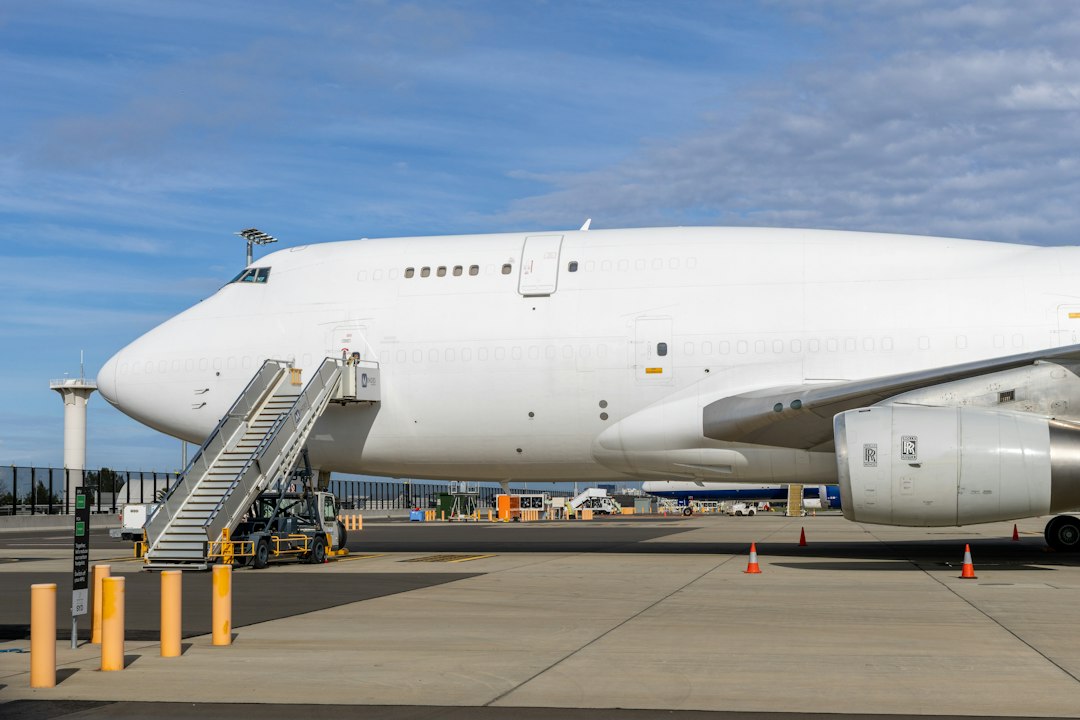
Cosmic Girl: Engineering the World’s First Airborne Rocket Launcher
When you first look at Cosmic Girl, it’s hard not to see just another retired Boeing 747-400 that spent years hauling passengers across the Atlantic. But once you dig into the engineering, you realize this aircraft, formerly G-VWOW, underwent a total transformation to become a mobile, high-altitude launch pad. The most visible change was the massive pylon bolted to the left wing between the fuselage and the inboard engine, a structural beast engineered to lug a 57,000-pound LauncherOne rocket through the sky. Think about the sheer physics of that: they had to account for intense vibrations and aerodynamic stress during transonic flight, which is a far cry from the smooth, predictable air a standard 747 encounters at 35,000 feet.
To make this work, the entire interior was gutted, stripping away the creature comforts of first class and coach to house telemetry gear and complex mission control consoles. It wasn’t just about making space; the team had to completely rewire the electrical system to power the rocket’s internal computers while it was still latched to the wing. They also installed a pneumatic release system using high-pressure nitrogen to fire the sway braces, ensuring the rocket dropped clean without clipping the aircraft. It’s honestly a wild concept when you consider that a plane designed for passenger comfort was turned into a precision instrument that had to hit a specific speed and angle of attack just to let the rocket fall away safely.
The pilots were doing more than just flying a plane; they were flying a maneuver, executing a specific pull-up climb to set the rocket on its trajectory before release. Even with all that weight hanging off one wing, the original Rolls-Royce RB211 engines had enough grunt to get the job done, provided the flight profile was executed perfectly. They even added specialized fairings to smooth out the airflow over the pylon, keeping things stable during that long crawl to altitude. It’s a fascinating, if short-lived, chapter in aviation history where a reliable workhorse of the sky was pushed to its absolute structural limits just to reach the edge of space.
The Promise of Responsive Launch: Virgin Orbit’s Vision for Military and Commercial Space
When I look at the strategy behind Virgin Orbit, it’s clear they weren't just trying to launch rockets; they were selling a tactical insurance policy for the military. The core idea was responsive launch, which meant replacing a crippled satellite within twenty-four hours, a timeline that makes traditional static spaceports look like relics. Think about it: instead of waiting weeks for a slot at Cape Canaveral, they wanted to turn any 10,000-foot runway on the planet into a makeshift launch pad. This effectively turned the world’s airfields into a distributed, hard-to-target network that could bypass the bottlenecks of conventional vertical launch sites.
By using horizontal launch technology, the company aimed to sidestep the rigid scheduling and weather delays that routinely ground vertical missions. If there was a storm over a coastal pad, a 747 could simply fly around it, reaching high-inclination or polar orbits without the messy fuel penalties usually required for dogleg maneuvers. Military planners were particularly sold on the warm standby concept, where a rocket could sit ready on the tarmac to fill a sudden intelligence gap. It was all about speed and unpredictability, moving away from a scheduled industrial process toward something that felt more like on-demand logistics, similar to how we manage aerial refueling.
The vision went even further, proposing a global fleet of these modified 747s to ensure a launch vehicle could be staged near any point of conflict in hours. They integrated secure data links directly into the aircraft, letting mission controllers talk to the payload while it was still strapped to the wing, which allowed for last-minute trajectory tweaks that fixed-site rockets just can’t manage. When they pitched this to the Department of Defense, the real value wasn't just in the price tag—it was in slashing the revisit time for imaging satellites over contested zones. I honestly think that level of flexibility changed the conversation about what space access could be, even if the business model struggled to keep up with the technical promise.
Scaling the Ambition: Early Successes and the Quest for Orbital Deployment
I want to take a step back and look at how we actually moved from a cool engineering concept to something that could hit a target in space. That first successful orbital test back in January 2021 was the real "aha" moment for everyone watching. By dropping ten CubeSats into a precise 500-kilometer orbit, they proved that the air-launch idea wasn't just theory; it was a functioning delivery system. The way they pulled it off—dropping the rocket into a freefall before the NewtonThree engine ignited—was brilliant because it saved a massive amount of fuel by skipping the thickest part of the atmosphere. Using that RP-1 kerosene and liquid oxygen mix at high altitude made sense, but it required some serious tuning to get the ignition timing perfect every single time.
It’s also worth noting how they handled the transition from the plane to the sky. That specialized pylon umbilical acted like a tethered brain, keeping the rocket connected to the mission computers until the very last millisecond of release. And the software behind it, the Autonomous Flight Safety System, was doing the heavy lifting by recalculating flight paths on the fly. This meant they weren't just stuck with pre-baked plans; they could adapt to shifting mission parameters almost instantly. Plus, they solved the massive weight-shift problem that happens the second a 57,000-pound object leaves your wing, which honestly sounds like a nightmare for any pilot to manage without some incredibly smart flight control software backing them up.
What really impressed me, though, was the versatility they managed to build into the system. By proving the NewtonFour engine could restart multiple times in a vacuum, they unlocked the ability to place satellites into complex, multi-plane constellations that are usually a headache to reach. They even designed their ground support gear to fit into standard shipping containers, which meant the whole operation could theoretically pack up and move to any runway on the planet. Honestly, the data showed that this horizontal approach actually gave the payloads a smoother ride with lower acoustic and vibration loads than traditional ground launches. When you combine that with their ability to hit orbital insertion targets within mere meters of accuracy, it’s clear they had ironed out the physics of the thing. It’s just a shame that the operational reality couldn't quite keep pace with that level of technical precision.
The Catalyst for Collapse: Analyzing the Premature Shutdowns and Technical Failures
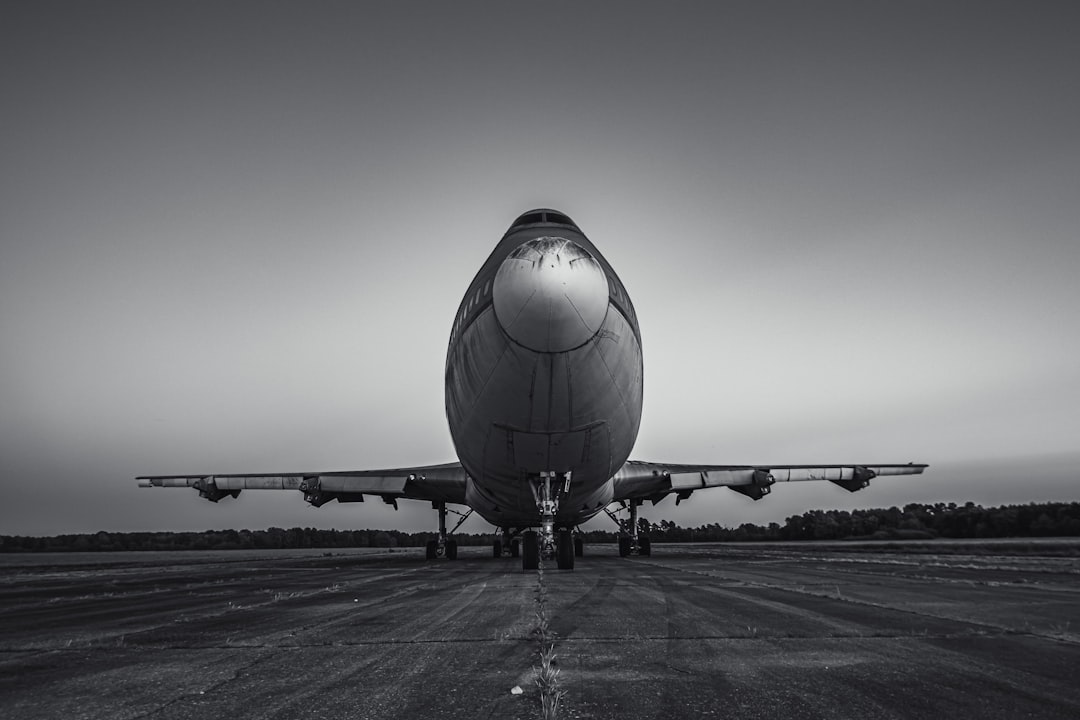
When we look back at why the program ultimately lost its footing, it’s not just about one bad day; it’s about a series of technical hurdles that proved surprisingly stubborn. The maiden flight in 2020 really set the tone, failing because a high-pressure line in the propellant feed system ruptured almost instantly after ignition, a victim of vibration-induced material fatigue that caught the team off guard. We also have to consider the 2022 mission, where a faulty fuel sensor erroneously triggered a low-pressure alert, killing the second stage engine before the rocket could hit orbital velocity. It’s frustrating because these weren't necessarily design flaws in the grand sense, but rather the kind of granular, punishing engineering realities that arise when you're working at the edge of what’s possible. The NewtonThree engine itself struggled with the extreme thermal stress of high-altitude air-starts, which led to nozzle degradation and compromised its structural integrity during the long burns needed to reach space.
If you’re wondering why the software couldn't just compensate, it’s because the flight computers were fighting a losing battle against the physics of the launch. During the rapid pitch-over maneuver after separation, the guidance fins were hit with massive aerodynamic loads, and the flight software often struggled to keep the vehicle stable under that kind of pressure. Even more concerning was the final mission’s telemetry, which showed an electrical short in the avionics bay forcing the computer into a safe mode; essentially, the brain of the rocket just froze during the most critical firing phase. We also can't ignore the physical debris: cryogenic insulation on the liquid oxygen tank would sometimes shed during the captive carry phase, creating a persistent risk of damaging sensitive external wiring before the rocket even left the wing.
There were also some really subtle, almost invisible issues that created a perfect storm for failure. The hydraulic actuators steering the engine gimbal couldn't maintain precision in the deep cold at 35,000 feet, and the nitrogen-powered separation mechanism occasionally caused pressure spikes that messed with the inertial measurement unit’s calibration. I’ve read that even the propellant valves were prone to icing if the plane spent too much time in a holding pattern, which really narrowed the window for a successful launch. Then there was the issue with the aluminum-lithium tanks, where friction stir welding created microscopic fractures from thermal cycling that standard testing just couldn't catch. When you combine those hardware gremlins with computational models showing that the pylon’s wake created turbulent, unpredictable airflow, it’s easier to see why the control systems were constantly overworking themselves just to stay on course. It was a high-wire act where the margin for error was razor-thin, and eventually, the technical debt just became too heavy to carry.
Financial Turbulence: How Market Volatility and Funding Shortfalls Grounded the Fleet
Honestly, when you strip away the engineering talk, the real story here is about the brutal reality of keeping a dream like this afloat when the cash stops flowing. We have to be real about the numbers; the company was burning through about 30 million dollars every single month, which is a massive hole to dig for any startup. Because they bet everything on that single 747 architecture, every failed mission didn't just cost a rocket—it caused a total collapse in how investors valued their entire business. You can see how the SPAC market—which was basically the fuel for their whole expansion—just dried up right when things got shaky in early 2023. It’s a classic case of what happens when you’re relying on a specific kind of financial weather that turns into a storm overnight.
And it wasn't just about the market being fickle; the internal math just stopped making sense. They were charging around 12 million dollars per mission, but that price tag looked worse every day as competitors started driving down the cost of getting mass into orbit. Think about the irony: they were trying to be agile and responsive, but their infrastructure costs were actually non-linear, meaning they weren't getting cheaper as they scaled up. Every extra launch was an expensive fight rather than an efficiency gain. It’s tough to compete when institutional money is shifting toward proven, reusable hardware while interest rates are climbing, making everyone a lot more cautious with their capital.
The situation got even tighter because they didn't have a side business to fall back on. Without a secondary revenue stream, they had zero cushion for those inevitable moments when technical delays pushed back a launch. When that failed mission out of Cornwall hit the news, it was like the final nail in the coffin for investor patience. Once they started running out of runway, the best people started looking for the exits, and once your talent leaves, you can’t exactly just hit a reset button on the engineering. By the start of 2023, the cost of just keeping that 747 in the air and paying off the debt on their gear was more than they had in the bank, and that was that. You end up in this position where you’re bleeding cash just to exist, and eventually, the people writing the checks decide it’s time to stop the bleeding entirely.
The Legacy of Air-Launch: Lessons Learned from the End of Virgin Orbit
When we look back at the trajectory of Virgin Orbit, it is clear that the air-launch model was far more of a high-wire engineering act than a simple logistics hack. We were essentially asking a retired passenger jet to act as a precision launch pad, which meant fighting against the brutal reality of cold-soak temperatures at 35,000 feet. The propellant didn't just sit there; its viscosity shifted in the freezing air, forcing engineers to build elaborate active heating systems just to keep the turbopumps from seizing up before ignition. And don't get me started on the transonic buffet, where the air swirling between the rocket and the wing created these wild, harmonic vibrations that rattled the guidance electronics long before the bird even left the pylon. It was a constant battle against physics that traditional ground-launched rockets just don't have to worry about.
Think about the sheer complexity of the software required to manage that separation. Because these launches happened over open ocean, you couldn't rely on ground stations to watch over the flight; the rocket had to be its own pilot, using an autonomous safety system to make life-or-death decisions in a split second. The pneumatic release mechanism itself was a source of constant headaches, as the pressure spikes in the thin upper atmosphere would sometimes throw the inertial measurement units out of alignment. If that happened, the rocket had to scramble to recalibrate its own orientation mid-flight, which is a terrifyingly difficult task while you're trying to hit an orbital target. Even the simple act of keeping the rocket’s brain alive while moving from a climate-controlled wing bay into the vacuum of space required a level of thermal management that made every mission a gamble.
Then you have to consider the structural toll this took on the hardware itself. That Boeing 747-400 wasn't built to haul massive, off-center payloads, and the constant maneuvering accelerated the fatigue on the wing spar in ways that standard commercial flying never would. We also saw that even the best manufacturing techniques, like friction stir welding, created microscopic fractures in the tanks that would only reveal themselves under the stress of rapid thermal cycling. The dream of a global, distributed network—like the plans they had with ANA Holdings to turn Oita Airport into a secondary base—fell apart because the operational reality of maintaining these aging, custom-modified airframes was just too expensive to sustain. It’s a sobering lesson that even the most innovative ideas can be undone by the cumulative weight of tiny, nagging technical debts that eventually just become too heavy to ignore.
Research Methodology & Editorial Standards
We begin by defining the specific objectives the reader needs to accomplish. Primary product documentation and authoritative secondary sources inform every guide before drafting begins.
Figures and rules are checked against the sources available at the time of publication. Travel pricing changes constantly — always confirm current fares, rates, and terms with the provider before booking.