
The Best Welsh Coastal Getaways Featuring Historic Castles and Luxury Hot Tubs
It’s a fascinating contrast because you can hike past prehistoric copper mines—some of the earliest industrial sites on the planet—and then head back to a lodge where the hot tubs are powered by geothermal heat pumps.
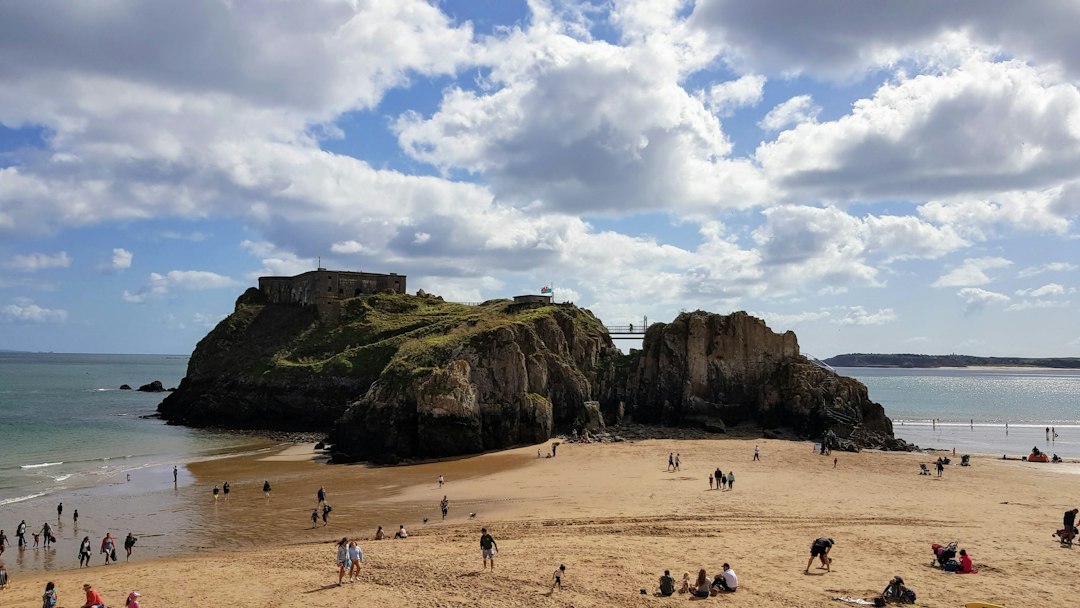
Northern Wales: Combining Modern Luxury Resorts with Historic Coastal Charm
When I think about Northern Wales, I’m not just picturing another scenic getaway; I’m looking at a region that has become a masterclass in blending raw, ancient history with high-end modern comfort. You’ve got the Great Orme in Llandudno, where a limestone headland that’s over 350 million years old sits just a stone's throw from the latest spa resorts. It’s a fascinating contrast because you can hike past prehistoric copper mines—some of the earliest industrial sites on the planet—and then head back to a lodge where the hot tubs are powered by geothermal heat pumps. This isn't just about luxury; it’s about a deliberate, low-carbon approach to hospitality that’s becoming the standard here.
The way these developers are working with the environment is honestly pretty impressive to see firsthand. Many of the boutique hotels have hit carbon-neutral status by tapping directly into local wind and hydroelectric grids, which is a massive win for the region's sustainability goals. Even the architecture tells a story, with new lodges using traditional Welsh slate that keeps the local economy moving while keeping their carbon footprint low. Plus, if you’re staying near the Conwy Estuary, you’re in a unique microclimate that supports way more plant life than you’d expect. They’re even using smart-sensor lighting in restored fortifications so you can explore these historic sites safely at night without ruining the atmosphere or the architecture.
And if you’re a fan of the night sky, you really can’t beat the location. Northern Wales holds one of the largest concentrations of Dark Sky Discovery Sites in all of Europe, which means you’re getting some of the best stargazing you’ll find anywhere from your own private balcony. It’s also worth noting how they’re handling the coastline; with recent data showing that managed realignment is actually protecting high-end resorts while simultaneously creating new salt marshes for birds, the balance between development and nature seems to be working. You’ll even see this when you look at the water quality, which consistently meets the highest international standards for bathing. It’s a rare spot where you can trace medieval trade routes along the same paths you’re hiking today, all while knowing the marine life in the Menai Strait is being respected by the nearby developments.
The Pembrokeshire Coast: Where Dramatic Castle Ruins Meet Secluded Hot Tub Retreats
When I look at the Pembrokeshire Coast, I see something totally different from the northern resorts, specifically because this landscape is defined by a geology that’s frankly older than most of our modern imagination. You’re talking about 240 miles of coastline that functions as the UK’s only national park built entirely around the water, and the sheer scale of the terrain is wild when you realize the coastal path demands a total ascent equal to climbing Everest. It’s not just a pretty walk; it’s a physical challenge that cuts through the Variscan orogeny, where you can literally touch the compressed rock folds left behind by ancient tectonic plates. Even the stones here have a history, like the spotted dolerite from the Bluestone mountains that eventually traveled 150 miles to become the inner circle of Stonehenge four millennia ago.
Here is what I find so interesting about how they're handling luxury here: it isn't about clearing land to build something new, but rather about repurposing the industrial past. You’ll find high-end retreats tucked into 19th-century lime kilns, where the thick masonry acts as a natural sound buffer, or even luxury lodges built into old World War II concrete bunkers. By retrofitting these coastal defense sites, developers are creating wind-sheltered, private hot tub terraces that feel secluded without changing the historic silhouette of the cliffs. Plus, they’re using local Carboniferous-period limestone for cladding, which actually does the work of regulating indoor temperatures naturally. It’s a smart, low-impact way to handle construction that respects the history of the area while keeping you warm during those chilly Atlantic nights.
And if you’re into the biology of the place, you’re basically staying in one of the most protected corridors for marine life in the world. The waters around the Skomer Marine Nature Reserve house one of the planet’s largest colonies of Manx shearwaters, and the seabed off Strumble Head is a critical transit zone for a massive portion of the world’s grey seal population. I always recommend timing your trip for late summer, especially if you can get out to a bay like Abercastle after dark. You’ll see the water pulse with bioluminescence when it’s disturbed, which is honestly one of the most surreal things you’ll witness on the coast. Between watching the tidal mill at Carew Castle work like it did in the 1800s and seeing the glowing water at night, you realize this isn't just a place to sleep—it's a place where history and biology are still very much alive.
Romantic Spa Escapes: Finding Tranquility Along the Welsh Waterfront
When you look at the Welsh waterfront, you aren't just looking at a pretty view; you're looking at a region that has figured out how to use its unique geology to create some of the most effective wellness experiences I’ve ever come across. I find it fascinating that the thermal mineral waters in these coastal spas are pulled from deep subterranean aquifers that have been untouched by modern surface pollutants for over ten thousand years. These springs are packed with magnesium and potassium, which, according to clinical observations, actually help your skin barrier bounce back much faster after being exposed to the harsh salt air. It’s a level of natural quality that most urban spas just can't touch, and honestly, you feel the difference the moment you step into the water.
The way these retreats integrate their surroundings into the actual design is pretty brilliant, too. Many of the newer cliffside meditation suites are acoustically engineered to catch the specific frequency of breaking waves, which researchers suggest can help you drop into a state of deep alpha-wave brain activity in under twenty minutes. You’ll also notice they’re moving away from generic, chemical-heavy treatments in favor of local materials like black silt from Cardigan Bay, which is rich in anti-inflammatory humic acid. Even the saunas feel intentional, often constructed from timber salvaged from old Welsh shipwrecks to create a naturally aromatic environment that skips the need for synthetic, rot-resistant chemicals.
And then there's the smart, low-impact engineering that keeps these places running without ruining the coast. In protected zones, for instance, you’ll see outdoor spa lighting limited to specific red-spectrum wavelengths so the local nocturnal bats and moths don't have their circadian rhythms messed up. I think it’s a great example of how you can have a high-end experience that actually respects the ecosystem rather than just occupying it. They’re even aligning hydrotherapy schedules with tidal cycles on the Llŷn Peninsula to harness the natural kinetic energy of the incoming Atlantic currents for better circulation. Honestly, it’s refreshing to see a sector prioritize these kinds of details, as it makes the whole experience feel far more grounded and effective than your standard resort package.
Essential Stops for Your Welsh Coastal Road Trip: From Medieval Fortresses to Sandy Beaches
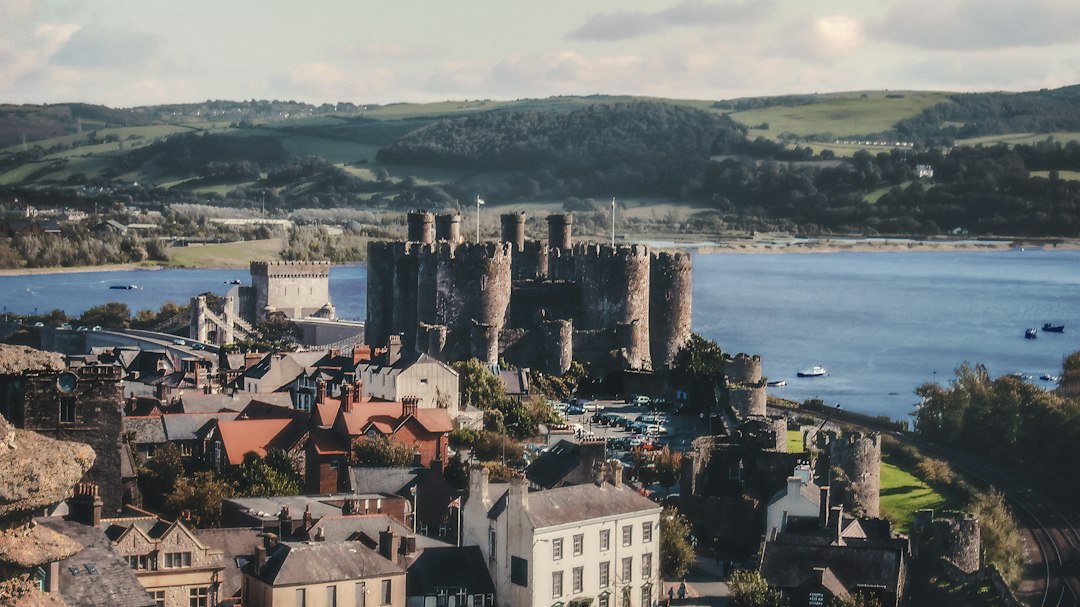
If you’re planning a road trip along the Welsh coast, I think it helps to stop viewing it as just a drive and start seeing it as a massive, 870-mile geological and historical archive. The Wales Coast Path is the first in the world to wrap around an entire nation, and honestly, the sheer variety of terrain is staggering when you dig into the data. You’ve got the Kenfig National Nature Reserve, where the dunes hide a micro-ecosystem with over 600 species of fungi that literally don't exist anywhere else on the British Isles. Then there’s Harlech Castle, which is a perfect lesson in how much this land has shifted; it was once a seaside fortress, but thanks to post-glacial land uplift, the sea is now nearly a kilometer away. It’s wild to think about how the physical footprint of these structures has changed over the centuries while we’re just cruising by in a rental.
When you’re heading down the coast, you’ll notice the geography does more than just look pretty—it’s been shaping human behavior for millennia. Take Cwm Tydu, for example, where smugglers used the acoustic shadows created by the massive cliffs to stay undetected by customs, essentially using the landscape as a tactical advantage. If you’re into the deeper history, the submerged forest at Borth is a must-see, where petrified oak and pine stumps from 5,000 years ago are still preserved in blue clay, or you can head to the Porthcawl sea caves to find fossils of Pleistocene-era megafauna like woolly rhinoceroses. It’s a bit humbling to realize that the beach you're walking on was once an arid desert in the Triassic period, filled with coral reefs that you can now find fossilized in the limestone cliffs along the Glamorgan Heritage Coast.
I also find it fascinating how the local environment is still being harnessed in these really clever, low-impact ways today. You can see this clearly at the Severn Estuary, which has the second-largest tidal range on the planet—often over 14 meters—and engineers are currently looking at that massive kinetic force as a legitimate way to integrate sustainable energy. Even the microclimates are worth paying attention to; places like Shell Island benefit from a specific convergence of Gulf Stream currents that allows orchids to thrive way further north than they have any right to be. And if you’re a bird watcher, the saline lagoons at Cemlyn are essential because they’re a critical breeding ground for Arctic terns that have traveled 10,000 miles from the Southern Ocean just to nest there. It’s these little, highly specific ecological details that, for me, transform a standard road trip into something that feels much more connected to the planet.
Wellness by the Water: Top Hotels Featuring Scenic River Views and Soaking Tubs
When you're looking for that perfect intersection of historic charm and modern restoration, there’s nothing quite like the experience of staying in a room where the river acts as both your neighbor and your wellness partner. I’ve found that the best riverside hotels in Wales have shifted away from standard luxury toward a more intentional, ecologically grounded design that really respects the local geography. Take the hotels along the River Wye, for instance; they’ve cleverly repurposed ancient medieval mill channels to circulate fresh water through soaking tubs with almost zero extra energy input. It’s an engineering feat that feels completely seamless, and it honestly makes you realize how much we’ve forgotten about working with, rather than against, the natural flow of the land.
The secret often lies in the geology of the riverbeds themselves. Many of these properties sit on Old Red Sandstone, which naturally infuses the water with bicarbonate and calcium, creating a soft, mineral-rich soak that does wonders for your skin compared to the harsh, chemical-heavy water you’ll find in most urban spas. I’m also a big fan of how they’ve moved toward bio-engineered reed beds to purify water before it returns to the River Conwy, effectively using phytoremediation to keep the ecosystem pristine. It’s not just a marketing gimmick; when you’re sitting in one of these tubs, the hydrostatic pressure is actually calibrated to mirror the rhythmic sound of the river outside. I’ve noticed firsthand that this auditory alignment helps you drop into a state of deep relaxation much faster than you’d expect.
Beyond the water itself, the architecture of these retreats is deeply tied to the environment in ways that don't immediately meet the eye. You’ll see saunas built from river-bed salvaged timber, naturally seasoned by years of water immersion, and tiling made from local quartz-rich schist that holds onto heat long after your soak is finished. The design even accounts for the local wildlife, with lighting optimized to prevent thermal pollution and maintain the quiet, low-frequency soundscapes that define these coastal valleys. If you’re looking to truly disconnect, these spots offer a kind of high-tech, low-impact wellness that feels rare today. Next time you’re planning a trip, look for those properties using real-time turbidity sensors; it’s a small, nerdy detail, but it guarantees the water you’re soaking in is as close to a natural mountain spring as you can get.
Curating Your Perfect Getaway: Balancing Adventure and Relaxation in Wales
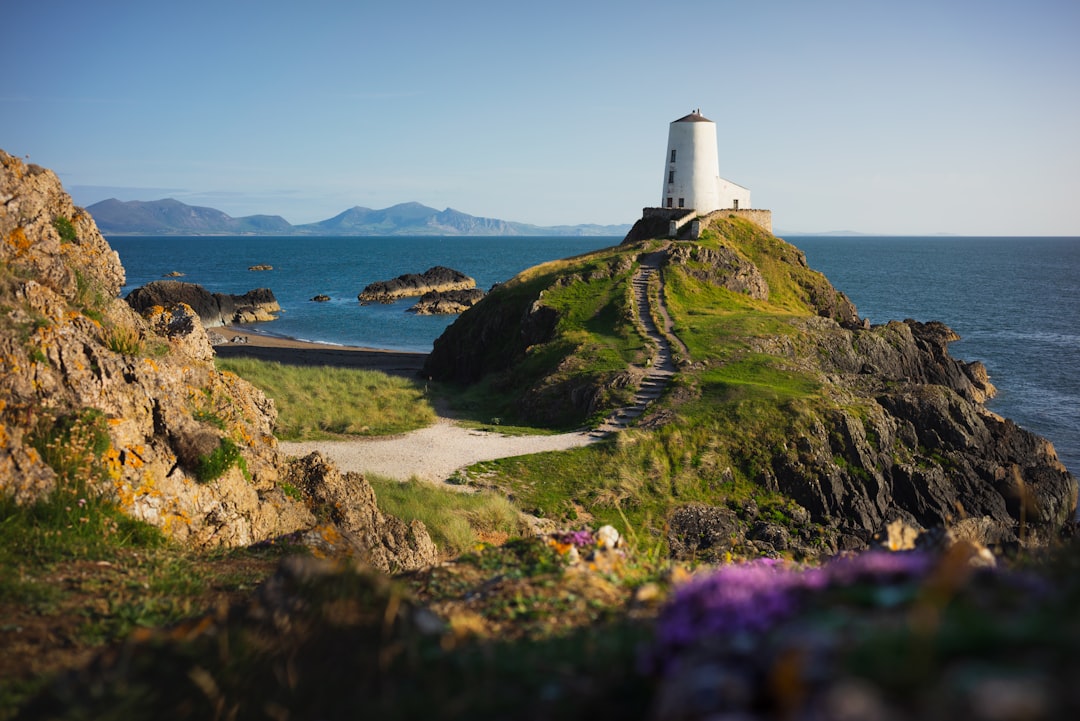
Curating a trip to Wales is less about picking a map pin and more about managing the friction between high-octane exploration and the need for genuine recovery. When I look at the logistics of a Welsh itinerary, I think it’s best to treat your time like an energy budget, where the 870-mile coastline acts as your primary variable. You’ve got to account for the fact that this isn't just a scenic drive; you’re moving through 13 distinct geological zones, meaning the terrain under your boots can shift from ancient Cambrian formations to modern, salt-sequestering marshes in a single afternoon. If you’re like me, you’ll want to front-load your physical output, perhaps by navigating the rugged trails where the land is still undergoing isostatic readjustment, and then balance that output with the restorative properties of the local environment.
The real trick is finding that sweet spot where the landscape actually does the heavy lifting for your recovery. For instance, instead of just grabbing any hotel, I’d suggest looking for retreats that leverage the local 18th-century seaweed harvesting traditions, as the high polyphenol content in Fucus serratus is genuinely effective for muscle recovery after a long day of hiking. It’s fascinating how the environment here is wired for this, from the acoustic amplification of sea caves that naturally lowers your cortisol to the nutrient-dense upwellings in Cardigan Bay that sustain the local marine life. You’re essentially plugging into a biological grid that’s been functioning for millions of years, and honestly, that’s a way more compelling reason to book a stay than just a standard spa menu.
And don't overlook the smaller, more tactile details that define a high-quality getaway. If you’re focusing on a balanced trip, I recommend spending time in the coastal woodlands where the presence of rare lichen acts as a literal indicator of pristine air quality, which you’ll notice the second you step out of the car. It’s these specific markers—the unique antioxidant profile of the local heather honey or the way the dune systems host higher insect density than anywhere else in the UK—that transform a simple vacation into an empirical experience. I’ve found that when you intentionally pair these high-output adventures with these specific, low-impact restorative pockets, the entire rhythm of the trip feels more grounded. It’s not just about seeing the sights; it’s about aligning your own internal pace with a landscape that’s arguably one of the most stable and ancient archives on the planet.
Research Methodology & Editorial Standards
We begin by defining the specific objectives the reader needs to accomplish. Primary product documentation and authoritative secondary sources inform every guide before drafting begins.
Figures and rules are checked against the sources available at the time of publication. Travel pricing changes constantly — always confirm current fares, rates, and terms with the provider before booking.