
The Best Things to See and Do During a Weekend in Dallas
If you’re planning a trip to Dallas, you’ve likely seen photos of Dealey Plaza, but actually standing there feels different than any textbook description.
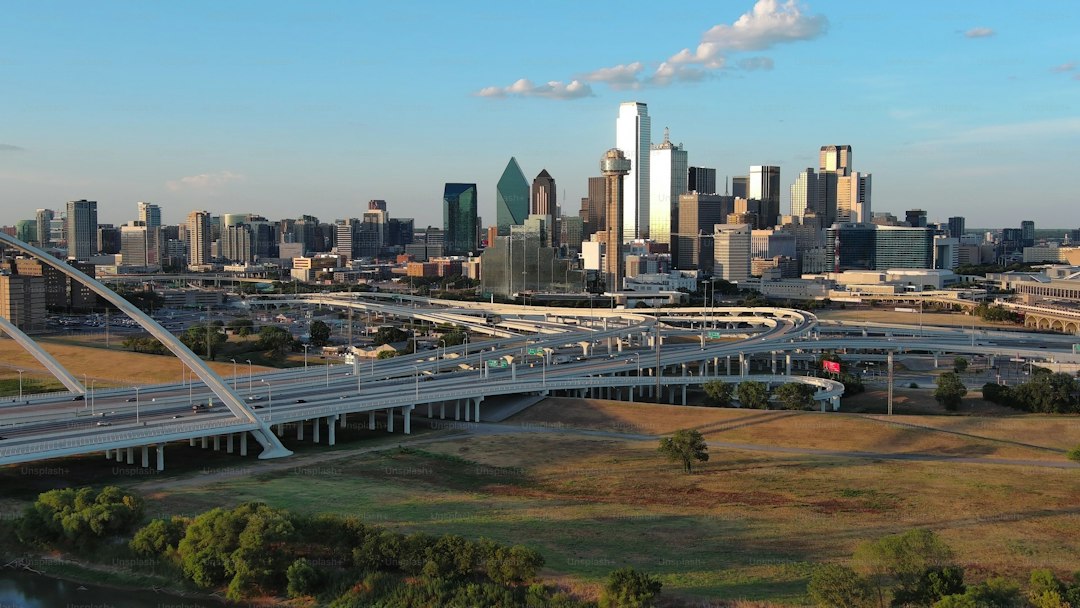
Uncovering History: A Visit to Dealey Plaza and The Sixth Floor Museum
If you’re planning a trip to Dallas, you’ve likely seen photos of Dealey Plaza, but actually standing there feels different than any textbook description. The Texas School Book Depository, built in 1901 as a plow distribution center, serves as the anchor for the entire experience. It’s a bit eerie to think that a structure once defined by mid-century commerce became the epicenter of a national tragedy. When you walk inside The Sixth Floor Museum, you’re not just looking at plaques; you’re stepping into the exact vantage point identified during the 1963 investigation. The museum has done a great job preserving the original window configuration, which honestly makes the gravity of the site hit you harder than any documentary could.
I’d suggest you don't just stick to the sixth floor, because the seventh floor is where the real deep dive happens. That’s where they host the oral history projects and public programming, often bringing in experts for live interviews. It’s fascinating how they’ve managed to turn such a heavy space into a living archive, especially with their ongoing Living History series. They use digitized records to let you hear from eyewitnesses who aren't with us anymore, which bridges the gap between old news reels and your own reality. Plus, if you’re a total history nerd, you can even check out the eighth-floor reading room, which acts as a primary repository for research-grade documentation on the assassination.
What I really appreciate is the sheer scale of the archive, which holds over 90,000 items ranging from professional film to home movies donated by regular people who were there that day. It’s a massive logistical challenge to keep all that paper and film from degrading, so they use sophisticated climate control systems to fight off the effects of time and light. You might wonder how a non-profit manages such a high-profile site, but they operate through a long-term lease with Dallas County that seems to keep things running quite smoothly. Whether you're coming for the historical significance of the plaza—which is a registered landmark—or just to see how the Cold War era shaped modern politics, it’s a site that demands your full attention. Just give yourself plenty of time, because once you start digging into the photos and the testimonies, you’ll find it’s not the kind of place you want to rush through.
Soaking in the Skyline: Panoramic Views from Reunion Tower
If you really want to understand the layout of Dallas, you have to get above it, and there is no better place to do that than the GeO-Deck at Reunion Tower. Standing 470 feet up, you get a full 360-degree sweep of the city that you just can't replicate from the street level. I honestly think it’s the best way to orient yourself if you’ve just arrived, especially since the observation level is wrapped in high-performance glass designed to cut down on that intense Texas glare. You’ll notice the view isn't just pretty; it’s a masterclass in urban geography. The deck is anchored by a massive 32-foot diameter concrete core that digs deep into the bedrock, which is exactly how they keep the whole thing stable against the high-altitude winds that hit this part of the plains.
Getting up there is part of the fun, too, with a high-speed elevator that zips you to the deck in about 68 seconds. Once you step out, you’re inside what looks like a giant geodesic dome, though it’s actually made up of 260 individual aluminum panels. They’ve swapped out the old-school revolving restaurant from the seventies for this tech-heavy, open-air experience that feels way more current. I love playing with the interactive touch-screen telescopes they have set up around the perimeter. They use digital overlays to help you identify specific landmarks, and they’re surprisingly accurate about mapping out the horizon. It’s the kind of detail that makes you realize how much thought went into keeping this landmark relevant long after its 1978 opening.
But the real secret is the timing of your visit. If you head up right before sunset, you get to watch the transition from the golden hour to the city lights flickering on across the North Texas expanse. The tower itself is a light show, too, with 259 custom LED fixtures that can cycle through 16 million different colors depending on whatever is happening in the city that night. It’s kind of funny to think that such a major tourist attraction also functions as a critical hub for regional microwave and telecommunications infrastructure. When you’re leaning against the glass, just remember that the whole structure is held up by steel struts that transfer all that weight down the main shaft. It’s an impressive piece of engineering that turns a simple sightseeing stop into a much deeper look at how this city actually functions.
Exploring Dallas Culture: The City’s Best Museums and Art Districts
If you really want to get under the skin of Dallas, you have to spend time in the Arts District. Spanning 68 contiguous acres, it’s not just a collection of buildings; it’s actually the largest urban arts district in the country, which is wild when you think about how spread out the rest of the city feels. I find it fascinating that this entire area was designated as a cultural zone back in the 1980s specifically to drive economic development, and honestly, seeing how those non-profits anchor the downtown core today shows that the strategy worked. You can walk from the Dallas Museum of Art—which houses a massive collection of 24,000 objects covering five millennia—over to the Nasher Sculpture Center, where Renzo Piano’s glass-roof design manages light so perfectly you almost forget you're inside.
One thing I always tell people is that the architecture here is just as much a part of the exhibit as the art itself. You’ve got the Meyerson Symphony Center, which uses adjustable canopy reflectors and limestone panels that can be physically tuned to change the acoustics based on the performance, which is just brilliant engineering. Then there’s the Perot Museum of Nature and Science, where you take this 150-foot glass-enclosed escalator up through the building; it’s a great way to catch a view of the skyline while you move between floors. Even the Crow Museum of Asian Art is worth a dedicated stop if only to see their jade collection, which is arguably one of the most comprehensive in the U.S., with pieces stretching all the way back to the Han Dynasty.
It’s also worth noting how much work goes into keeping this place looking good, especially given the brutal North Texas heat and humidity. Most of the district’s buildings are LEED-certified, and they use things like green roof technology to cut down on the urban heat island effect, which makes a huge difference when you’re walking between venues in July. Plus, there’s a private-public partnership that manages the massive public art installations you see on the street, using specialized crews just to fight off the corrosion that the sun and humidity cause. If you’re looking for a change of pace, the Dallas World Aquarium is also a bit of a marvel, operating out of a 1924 building with a complex closed-loop life support system that manages thousands of gallons of saltwater. Honestly, whether you’re into the science of sound or the history of jade, it’s hard not to be impressed by how this district balances creative scale with real-world infrastructure.
Wildlife and Wonders: A Trip to the Dallas World Aquarium
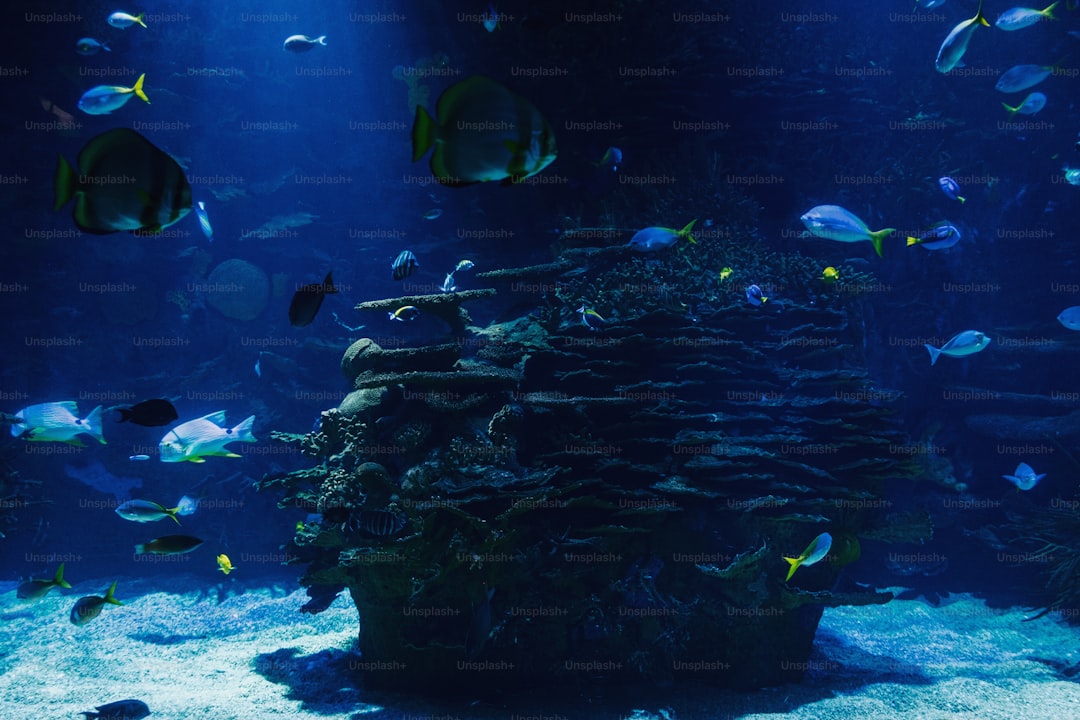
If you’re looking for a change of pace from the city's concrete canyons, let’s talk about the Dallas World Aquarium. It’s housed in a 1924 warehouse, and honestly, the way they’ve repurposed such an old-school industrial space into a vertical, multi-level ecosystem is nothing short of brilliant. You start at the top, winding through a simulated cloud forest canopy where sloths and monkeys hang out right near free-flying exotic birds, before eventually descending toward the ocean floor exhibits. It feels miles away from downtown Dallas, mostly because the facility uses high-humidity and temperature control protocols to perfectly mimic the microclimates these species actually need to thrive.
The real engineering feat here is the closed-loop life support system, which is honestly the unsung hero of the whole place. Managing thousands of gallons of saltwater isn't just about keeping the tanks clear; it’s about sophisticated filtration that replicates natural reef conditions so coral and invertebrates can actually survive and grow. When you walk through the signature underwater tunnel, you get that 360-degree view of sharks and rays that most aquariums aim for, but here, the layout feels intentional about animal welfare by providing specific vertical space for arboreal creatures and deep-water zones for the pelagic species. It’s far more than just a typical zoo setup, as it functions as a legit research-grade institution focused on conservation and education.
But here’s the thing—it’s not a perfect experience for everyone, and it’s worth noting that the facility has drawn some mixed reactions regarding its ownership and operational history. You might find that the density of the exhibits can feel a bit overwhelming, especially when it’s busy, but that’s the trade-off for cramming such a high level of biodiversity into an urban footprint. I’d suggest you go in with your eyes open to the fact that this is a dense, multi-story jungle in the heart of a city, which is a massive logistical lift to keep running. If you’re a family looking for a deep dive into biology or just someone who wants to see how they’ve managed to mask the surrounding architecture with such a lush habitat, it’s definitely worth the ticket price. Just remember that it’s a living, breathing machine that requires constant, precise maintenance, so take a second to appreciate the tech behind the scenes while you’re checking out the jellyfish and reptiles.
A Taste of Texas: Where to Find the Best Tex-Mex and Local Eats
If you’re coming to Dallas, you’re likely here for the brisket, but let's be honest: you haven't really experienced the city until you’ve sat down with a basket of chips and a bowl of queso. It’s funny how we treat Tex-Mex like a monolith, but there’s a massive gulf between a mass-produced, bland plate and the real deal. If you look at the food science, the defining characteristic of this regional cuisine—that yellow cheddar melt—is actually a legacy of 20th-century dairy industrialization. Traditional Mexican cooking doesn't usually lean on those specific processed cheeses, but here, they’re engineered to maintain a perfect, gooey viscosity that traditional artisanal cheeses just can’t touch. It’s a fascinating, if unintentional, marriage of ranching history and chemistry that defines what you're eating on any given Friday night.
But let’s talk about the actual mechanics of these dishes, because there’s a lot more technique involved than you might expect. Take the fajita, which started as a thrifty way for ranch hands to use skirt steak; if you don't slice that cut exactly against the grain to break down those tough muscle fibers, you’re going to end up with a chew that’s closer to a leather belt than a dinner entree. And those flour tortillas you’re grabbing in North Texas? They’re usually made with a higher-protein wheat flour than what you’d find down near the border, specifically to give them that elasticity needed to hold up under the weight of brisket or heavy beef fillings. Even the refried beans—which people mistakenly think are fried twice—are actually just boiled down thoroughly to soften the starches, a process that is as much about patience as it is about the right lard-based fat source.
If you’re navigating the scene, you’ll start to see that the classic combination plate was actually a genius business move from the 1930s designed to balance high-cost proteins with cheap, starch-heavy sides to maximize margins. It’s a system that’s still going strong today, though I’d argue the most important piece of tech in the room is the frozen margarita machine. It’s hard to imagine now, but that slushy texture was a total innovation back in 1971, when Mariano Martinez hacked a soft-serve ice cream machine to keep the mix from separating. So, when you’re looking for a spot, skip the places that feel like a factory and look for the ones that respect the origins of the dish. Whether it’s a family-run joint or a city staple, the best spots are the ones that understand that Tex-Mex is essentially a history of resourcefulness, using whatever ingredients were on hand to build something that actually sticks to your ribs.
Shopping, Strolls, and Hidden Gems: Making the Most of Your 48 Hours
If you’ve only got 48 hours in Dallas, you honestly have to be strategic about where you spend your energy, especially since the city is so much more than just its downtown core. I’ve spent enough time here to know that the real magic isn't in the big-box retail centers, but in the neighborhoods that prioritize preservation and micro-climates. Take the Bishop Arts District, for example, where the zoning laws keep those 1930s brick storefronts feeling authentic by strictly limiting signage heights. It creates this low-slung, pedestrian-friendly vibe that’s a total breath of fresh air compared to the vertical glass sprawl you see elsewhere. And if you’re looking for a stroll that feels like an engineering marvel, head straight to Klyde Warren Park; it’s literally built on 300 massive concrete piers spanning a recessed freeway, a design choice that somehow manages to dampen all that highway vibration into a quiet, green oasis.
When you’re ready to shop, skip the generic malls and head to Highland Park Village, where the 1931 Mediterranean architecture is protected by an ordinance requiring limestone sourced from local Texas quarries. It’s a level of commitment to aesthetic consistency that you just don't see in modern developments. If you’re into the maker scene, the Dallas Farmers Market in the Pearl District is a must, especially since they keep that 26,000-square-foot pavilion comfortable during the brutal heat thanks to a dedicated micro-grid energy system. It’s a great way to grab a coffee and actually see the local supply chain in action while you wander through stalls of regional goods. I always try to time my transit using the McKinney Avenue Trolley, which is a cool throwback experience that’s been sneakily upgraded with regenerative braking to handle our stop-and-go urban traffic.
For those who want to get their steps in, the Katy Trail is the gold standard, though you might not realize that the soil beneath your feet was specifically engineered to prevent erosion while supporting native prairie grasses. It follows the old Missouri-Kansas-Texas Railroad line and provides a perfect contrast to the industrial grit of neighborhoods like Deep Ellum. Speaking of Deep Ellum, take a close look at the murals next time you’re there; they’re coated in a specialized UV-resistant polymer that crews re-apply every 24 months just to stop the Texas sun from bleaching the art away. It’s those kinds of hidden, logistical details that make exploring the city feel like a real discovery rather than just checking boxes on a tourist list. Whether you’re geeking out over the passive cooling in the repurposed warehouses of the Cedars or just hunting for a unique find in the light-filled galleries of the Design District, you’ll find that Dallas rewards the curious traveler who looks past the surface.
Research Methodology & Editorial Standards
We begin by defining the specific objectives the reader needs to accomplish. Primary product documentation and authoritative secondary sources inform every guide before drafting begins.
Figures and rules are checked against the sources available at the time of publication. Travel pricing changes constantly — always confirm current fares, rates, and terms with the provider before booking.