
The absolute best authentic German dishes to try on your next trip
Authentic Wiener Schnitzel is legally required to be veal, and honestly, that distinction changes everything about the flavor.
The Gold Standard: Mastering Authentic Wiener Schnitzel
Look, if you’re ordering Schnitzel in Austria and it shows up made of pork, you’re eating Schnitzel Wiener Art, not the real deal. Authentic Wiener Schnitzel is legally required to be veal, and honestly, that distinction changes everything about the flavor. To get it right, you have to pound that veal to a uniform three or four millimeters; if you skip this, the fibers won’t relax, and you’ll end up with a chewy mess instead of something tender. Think of it as a structural requirement rather than just a suggestion. You’ve got to treat that meat with respect if you want the classic result.
The secret to that signature ruffled crust—we call it the soufflé effect—comes down to physics and fat. You don't just shallow fry it; you need enough clarified butter or lard so the meat essentially swims. When you’re breading, keep those crumbs loose. If you press them down firmly like you’re packing a suitcase, they won’t puff up. Pro tip: don't over-whisk those eggs either, because excess air bubbles are just going to make your breading peel away from the veal later. Keep your frying temp locked between 160 and 170 degrees Celsius, and for the love of everything, keep that pan moving. Shaking it back and forth creates those beautiful, blistered waves by splashing hot fat right over the top.
And here’s where most people go wrong: the cooling process. Never drain your schnitzel on paper towels, because that traps steam and ruins your hard work by making the bottom soggy. Use a wire rack instead. You really have to serve it immediately, too, because the thermal conductivity of that crust is working against you the second it leaves the pan. Serve it with a wedge of lemon to cut the fat, and definitely skip the mayo-heavy potato salad. You want the kind made with beef broth and vinegar to keep that acidity high. It’s a precise, slightly technical process, but when you nail it, the balance of textures is just on another level.
Beyond the Sausage: Regional Variations of Wurst You Need to Try
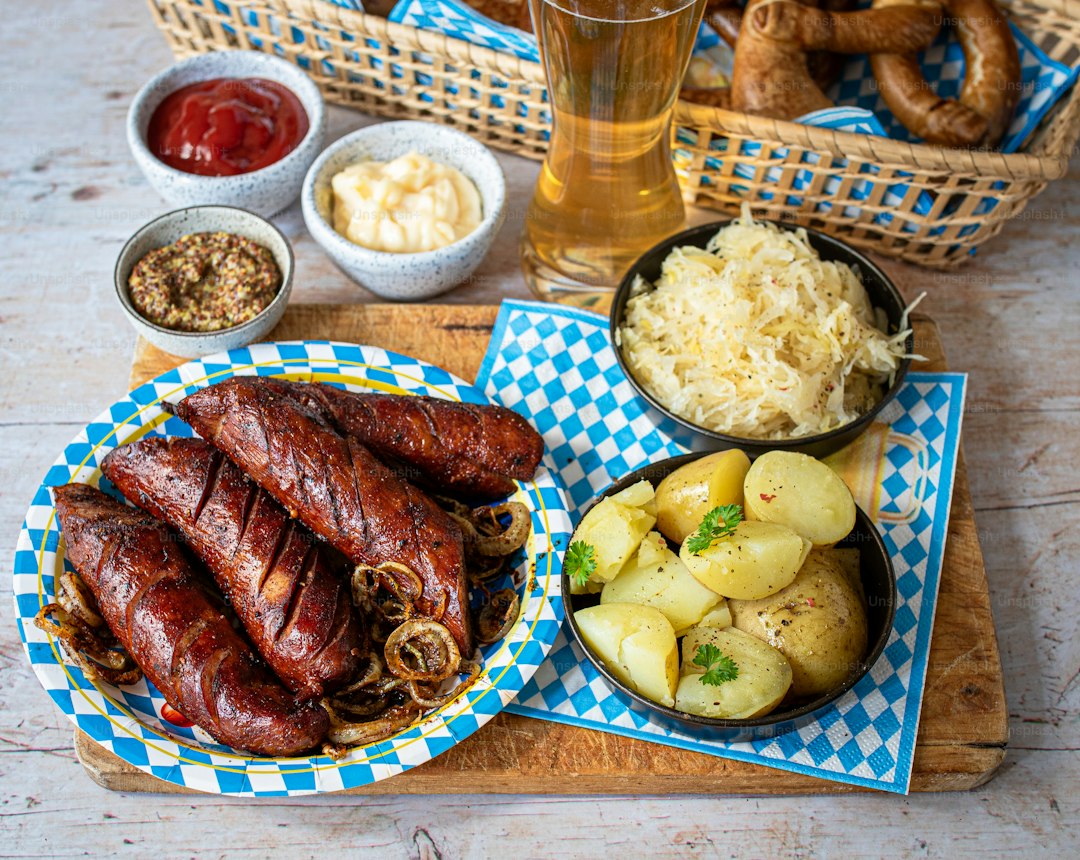
When we talk about German food, it’s easy to get stuck in the cycle of just ordering a standard bratwurst, but the reality is that the country’s sausage culture is essentially a masterclass in regional geography and history. I’ve spent enough time traveling through these states to realize that what you’re eating says everything about where you are, from the specific seasoning ratios in the east to the strict protection laws in the south. Think of it this way: you’re not just eating lunch, you’re tasting a recipe that’s often been refined over centuries, sometimes even dictated by law. It’s fascinating how something as simple as a local spice blend or a specific poaching method becomes a pillar of regional identity. Let’s look at the sheer technical variety involved, because it’s honestly much more than just meat in a casing.
Take the Nürnberger Rostbratwurst, for instance, which is so protected by EU law that it has to be produced within city limits to earn its name. They’re tiny, usually hovering around 25 grams, which is a massive departure from the heavy, garlicky Regensburger Knacker you’ll find smoked over beechwood further south. Or consider the Thüringer Rostbratwurst, where the regional mandate dictates that over half the ingredients must come from the state itself, creating a distinct profile heavy on marjoram and caraway. It really makes you appreciate how these small-scale, localized production methods keep these traditions alive in an era of mass-produced, identical food. You aren’t just grabbing a quick snack; you’re engaging with a system of quality control that’s incredibly rigorous.
Then you have the outliers that completely break the mold, like the Bavarian Weißwurst, which is traditionally eaten before noon because it lacks the nitrites that keep other sausages shelf-stable. It’s a delicate, veal-based product that prioritizes freshness over longevity, reflecting a local lifestyle that values the moment. On the other end of the spectrum, you’ve got the iconic Berlin Currywurst, which is a post-war invention born out of necessity, showing how a splash of curry powder and tomato sauce can transform a basic fried sausage into a cultural staple. Whether it’s the skinless, wool-like texture of a poached Wollwurst or the complex, spice-forward kick of a paprika-heavy Debreziner, the depth here is staggering. I’d suggest you treat your next trip like a scavenger hunt—find the regional specialty, ask how they prepare it, and you’ll start to see exactly why this isn't just "sausage" to the locals.
Comfort in a Bowl: Hearty Stews and Traditional Rouladen
When you’re looking to move past the quick-serve options, there’s nothing quite like the honest, grounding weight of a proper German stew or a well-executed Rouladen. I find that we often romanticize these dishes without stopping to appreciate the actual chemistry keeping them together. Take Rouladen, for instance; it’s not just a rolled piece of beef. That initial high-heat sear is a masterclass in the Maillard reaction, locking in those complex compounds before the long braise begins. And don't skip the mustard inside—it's not just for flavor, as the acetic acid works as a legit tenderizer, softening those tough fibers while the meat slowly braises.
Then you’ve got the Eintopf, which translates literally to one-pot, and it’s a total masterclass in efficiency. Think about it: instead of using flour-based thickeners, these stews rely entirely on the natural starch release from potatoes or legumes to build a rich, hearty body. I really like how the cooking method forces a complete exchange of flavor aromatics, where every ingredient effectively marinates the others over the course of the simmer. It’s also fascinating that many recipes call for marjoram, which isn't just about that citrusy, earthy kick—it’s actually a traditional digestive aid meant to help you handle the density of the meal.
If you’re trying to replicate this at home, remember that the structure of a Rouladen is surprisingly fragile. You really do need that kitchen twine or those metal pins because the high collagen content in thin beef slices will fight you the entire time it’s in the pot. I always suggest making them a day early if you have the time; letting that braising liquid rest means the gelatin has a chance to redistribute, which makes the final texture significantly more cohesive. It’s a bit of extra work, but honestly, the payoff in tenderness is hard to beat.
Finally, keep an eye on how you finish your stews. A quick splash of vinegar right at the end isn't just a random choice; it’s a technical move to balance the pH, making sure the fat-heavy profile doesn't just sit flat on your tongue. When you consider the root vegetables like rutabaga or celeriac often found in these pots, you’re getting natural sugars that deepen the flavor profile as they caramelize during the boil. It’s these small, intentional choices that turn a basic bowl of food into something that actually makes sense as fuel. It's not just comfort; it's a centuries-old blueprint for getting through a long day.
The Art of the Side: Potato Salads, Sauerkraut, and Spätzle
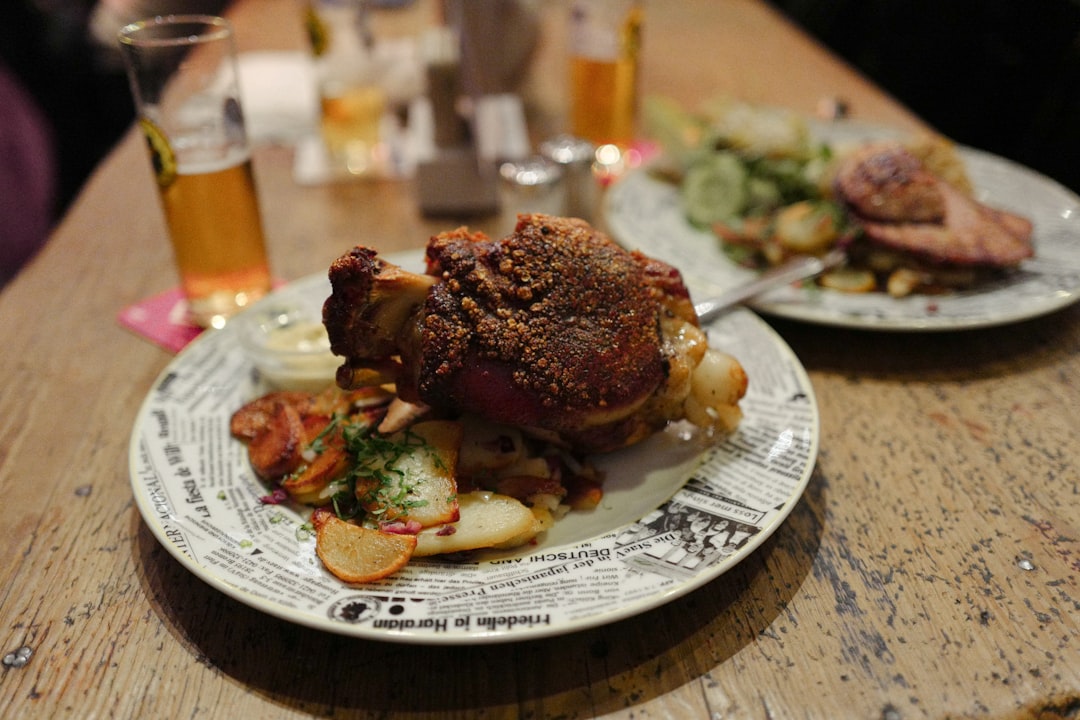
When we talk about the architecture of a German meal, we often obsess over the centerpiece, but the sides are where the real technical mastery hides. Let’s dive into what makes these components tick, starting with Spätzle, which is a masterclass in dough elasticity. You aren’t just making noodles here; you’re looking for a specific high-protein flour and semolina mix that keeps things al dente rather than turning into mush. The secret is in the physical agitation of the batter—if you use a wooden spoon to beat it until it pulls away in elastic ribbons, you’re folding in air bubbles that expand during the boil for a light, chewy finish. Pro tip: adding a splash of sparkling water or even beer to the mix introduces carbon dioxide, which further lightens the crumb and prevents that heavy, doughy texture that plagues mass-produced versions.
When it comes to potato salad, the regional divide is fascinating, and it mostly comes down to the starch content of the potato you choose. In the south, you want waxy potatoes that hold their shape, while northern versions lean into starchy varieties that break down just enough to create a natural, creamy emulsion with the oil and vinegar. The timing here is non-negotiable; you absolutely must dress those potatoes while they’re still warm. If you wait until they cool, starch retrogradation sets in, which essentially locks the molecules and prevents them from soaking up that sharp, bright acidity from the vinegar. It’s a subtle shift in chemistry, but it’s the difference between a salad that sings and one that just tastes like boiled vegetables.
Then you have sauerkraut, which is less of a recipe and more of a controlled experiment in lacto-fermentation. You’re aiming for a salt concentration of about 2 to 2.5 percent, which is the sweet spot to keep pathogens at bay while letting the good bacteria work their magic to drive the pH down to roughly 3.5. Honestly, the most common mistake I see is people boiling the life out of it. If you push the temperature past 70 degrees Celsius, you’re killing off the very probiotics that make the dish valuable, not to mention ruining that characteristic, tangy crunch. I’d suggest you skip the store-bought versions that rely on vinegar to mimic fermentation and look for the real deal that only uses salt and cabbage; it’s a living, breathing component that provides the perfect, sharp counterpoint to the heavier fats in your main course.
From Soft Pretzels to Crusty Rye: A Guide to German Breads
When you walk into a traditional German Bäckerei, you’re not just looking at a bakery counter; you’re witnessing a piece of history that’s so foundational to the national identity that UNESCO officially recognized it as Intangible Cultural Heritage back in 2014. It’s honestly staggering when you realize there are over 3,200 unique regional varieties registered with the German Bread Institute, which is why I always tell travelers to stop treating bread as a mere side dish. Think about the iconic Brezel, for example. That deep, mahogany color isn't just about heat; it’s a deliberate chemical reaction where the dough is bathed in a lye solution to raise the surface pH, triggering the Maillard reaction for that signature glossy, chewy skin that you just can’t replicate at home with a quick egg wash.
But the real magic often happens in the rye-heavy loaves, which require a much more technical approach than the airy wheat breads we’re used to back home. Because rye lacks the gluten strength of wheat, German bakers rely on the Detmolder Einstufenführung—a precise three-stage sourdough process that carefully balances lactic and acetic acid levels. This isn't just for flavor; it’s a structural necessity that keeps the crumb moist and stable, preventing the dough from collapsing during the long, slow bake. If you’ve ever had authentic Pumpernickel, you’ve tasted the results of this patience, as those loaves are traditionally baked for a full 24 hours in steam-filled ovens to slowly caramelize the natural sugars until they’re nearly black.
And when you’re scanning the shelves for a daily staple, look for the Mischbrot. It’s the most common loaf you’ll find, and it’s governed by specific government labeling standards that dictate the ratio of wheat to rye, ensuring you get that perfect balance between the elasticity of wheat and the earthy, robust depth of rye. I love how these loaves are often steam-injected at the start of the bake to maximize the crust-to-crumb ratio, giving you that satisfying crunch that contrasts beautifully with the dense, tangy interior. Even the way they’re served matters; you’ll notice most shops use slicers calibrated to the specific density of the bread to keep it from crumbling. Honestly, once you start paying attention to these details—the seed-packed Sonnenblumenbrot or the charred, bitter edge of a well-baked loaf—you’ll realize that German bread is essentially a high-performance food engineered for flavor.
Sweet Endings: Iconic Cakes, Strudels, and Seasonal Holiday Treats
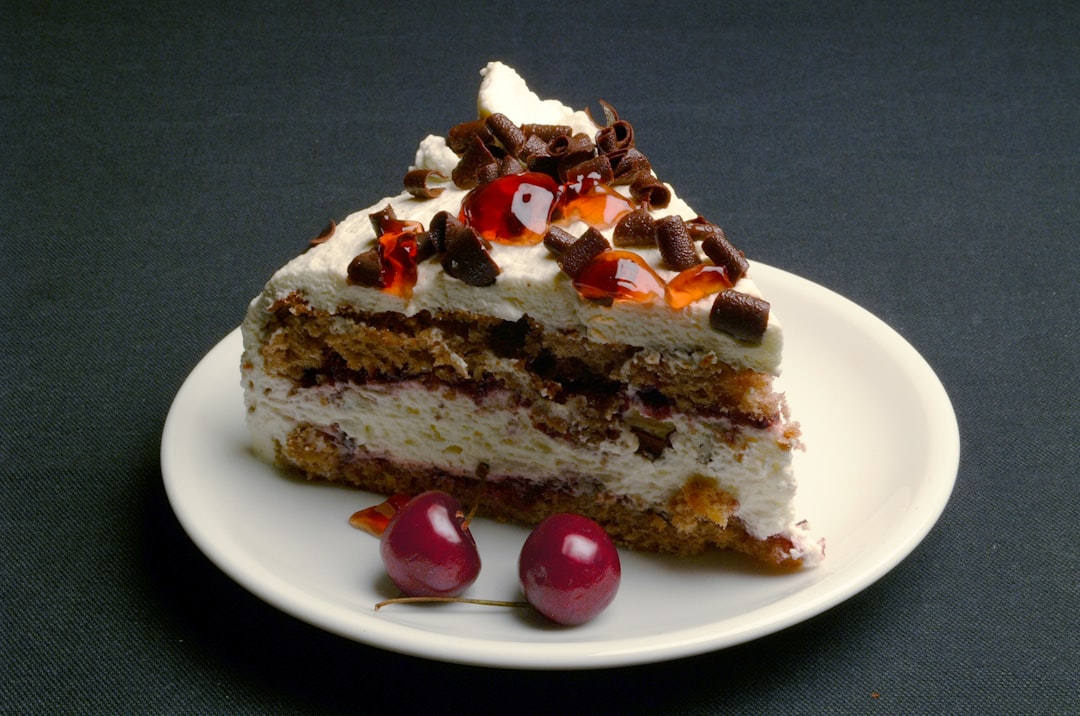
After navigating the savory staples of a German menu, it is time to pivot to the dessert course, where the level of technical precision honestly rivals any high-end laboratory. Let’s talk about the Black Forest Cake, or Schwarzwälder Kirschtorte; it is not just a dessert, but a regulated experience that legally requires Kirschwasser—a sour cherry brandy—to cut through the dense, high-fat cocoa sponge. If you are hunting for the real thing, look for that specific sharpness from the brandy, which keeps the whipped cream from feeling like a one-note affair. Then there is the Baumkuchen, or king of cakes, which is essentially an exercise in patience. Bakers roast these on a rotating spit, layering the batter so thinly that each must brown before the next hits the heat, resulting in those iconic rings that reveal the cake’s structural depth upon slicing.
When you wander into a bakery, you’ll likely see the Apfelstrudel, and here is a little secret to identifying the authentic version: the dough should be so translucent that you could practically read a newspaper through it. This level of thinning is the only way to avoid a gummy mess, ensuring the pastry achieves that perfect, shatter-crisp texture in the oven. If you find yourself traveling during the holidays, you’ll encounter Nürnberger Elisenlebkuchen, which are a far cry from standard gingerbread. By regulation, they must contain at least 25 percent nuts and minimal flour, relying on the natural oils from almonds and hazelnuts to stay moist rather than relying on heavy added fats. It is a dense, fragrant treat that demonstrates how regional mandates can actually drive higher quality standards.
The holiday season also brings the Stollen, which is less of a bread and more of a study in preservation. I find it fascinating that these loaves are brushed with clarified butter and coated in a thick layer of sugar, creating an airtight seal that lets the fruit and spices macerate over weeks. It is essentially a culinary time capsule. Even the Bavarian Prinzregententorte follows a strict architectural code, requiring exactly seven layers of sponge to represent the historic districts of the kingdom, all bound by rich chocolate buttercream. Whether it’s the mirror-like finish on a Sachertorte or the clever lattice design of a Linzer Torte that allows steam to escape while trapping the jam, these sweets aren't just sugary afterthoughts. They are deeply engineered, centuries-old recipes that prioritize chemistry and tradition over convenience every single time.
Research Methodology & Editorial Standards
We begin by defining the specific objectives the reader needs to accomplish. Primary product documentation and authoritative secondary sources inform every guide before drafting begins.
Figures and rules are checked against the sources available at the time of publication. Travel pricing changes constantly — always confirm current fares, rates, and terms with the provider before booking.