
Stunning waterfront hotels that offer the ultimate oceanfront escape
I’m thinking about those northern retreats that elevate structures on pilings to protect fragile permafrost, or coastal hotels that use subterranean supports to let natural beach erosion happen without the building getting in the way.
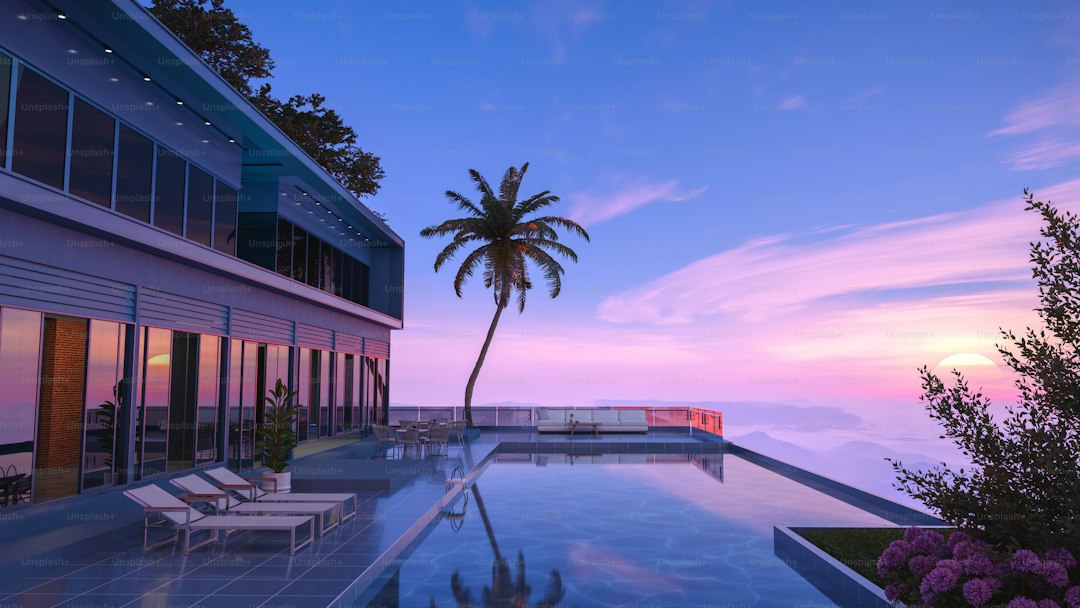
Architectural Masterpieces: Where Design Meets the Horizon
When we talk about architectural masterpieces, we aren't just looking at pretty buildings; we're talking about the engineering dance between human ambition and the raw environment. I’ve always been fascinated by how a structure can actually reach toward the sky, like the Zayed National Museum’s splayed solar chimneys that pull cool air through the building just by using natural thermal buoyancy. It’s brilliant, right? Instead of relying on brute-force air conditioning, these designs treat the desert heat as a puzzle to be solved through physics. You’ll find this same intentionality in the Caribbean, where Silversands Grenada uses a 100-meter-long pool to create a visual bridge that pulls your eye straight to the horizon. It’s that exact moment of connection where the man-made edge of a pool vanishes into the infinite blue that makes a stay truly memorable.
But let's look at the science behind the scenes, because that’s where the real magic is happening. In Greece, I’ve seen residences actually carved into the Cycladic terrain, relying on the earth's natural thermal mass to stay comfortable rather than fighting the climate with heavy machinery. And if you head to Miami, you’ll notice high-rises incorporating aerodynamic principles pulled straight from hypercar engineering just to handle the wind shear at extreme heights. It’s kind of wild to think about a building designed like a vehicle, but when you're that high up, every bit of resistance matters. Designers are even using specialized glass coatings that block infrared radiation while keeping everything perfectly transparent, meaning you get that massive ocean view without the interior feeling like a greenhouse.
Honestly, the most impressive projects are the ones that actually care about the ground they’re sitting on. I’m thinking about those northern retreats that elevate structures on pilings to protect fragile permafrost, or coastal hotels that use subterranean supports to let natural beach erosion happen without the building getting in the way. It’s not just about looking good; it’s about parametric modeling that simulates sea-level rise to make sure these places are still standing a century from now. Some developers are even using light-refraction glass to play with our perception, making the ocean feel closer than it really is. It’s a strange, beautiful mix of high-tech math and pure, sensory experience. If you’re planning your next escape, look for these details, because they’re the reason some spots feel like they’re part of the landscape rather than just an intrusion on it.
Private Seclusion: Resorts with Exclusive Beach Access
When we talk about the allure of a private beach, it’s easy to get lost in the romance of empty horizons, but the reality is that the best properties are actually masterclasses in environmental engineering. You really have to look past the velvet ropes to see how these places pull off that feeling of total isolation without ruining the very thing you came to see. I’ve noticed that the most successful resorts are moving away from brute-force landscaping, opting instead for biological buffers like transplanted seagrass meadows that sequester carbon at rates far beyond any tropical rainforest. It’s a brilliant way to stabilize a shoreline while actually improving the local ecosystem, and honestly, it makes the sand feel a lot cleaner when you know there is a functioning reef structure hidden just beneath the surf.
If you dig into the technical side, you’ll find that these resorts are handling their footprint in ways that are genuinely impressive. Many are now running high-pressure reverse osmosis desalination systems that cut energy consumption by 40 percent compared to older methods, meaning you can shower off the salt without feeling like you’re draining a local aquifer. To keep the coast from washing away, engineers are tucking geotextile tubes filled with local sand under the surface to mimic natural reefs, which dampen wave energy by up to 70 percent during storm surges. They’re even using amber-hued LED lighting that sits outside the visual spectrum of sea turtles, which is a surprisingly elegant way to ensure that human presence doesn’t disrupt the natural nesting cycles of the local wildlife.
It’s not just about the heavy infrastructure, though, as the finer details often show the most care. I’m always struck by how some of these spots use robotic sifting technology to clear microplastics from the sand while carefully leaving native shells and organic matter exactly where they belong. And if you’re wandering around at night, you might notice the pathways glowing with specific bioluminescent algae that respond to your footsteps—it’s a bit of a party trick, sure, but it’s a zero-energy solution that replaces standard electric lighting. They are even starting to use acoustic monitoring to track marine mammals offshore, quietly adjusting resort activity if sensitive species are in the area. It feels less like a hotel stay and more like you’re a guest in a well-oiled, living machine that’s actually designed to thrive for the next hundred years.
Overwater Bungalows: The Pinnacle of Coastal Luxury
When we think about overwater bungalows, it’s easy to focus solely on the aesthetic of waking up above a turquoise lagoon, but honestly, the engineering required to keep these structures standing is the real story. Modern bungalows are essentially high-performance vessels, often built on reinforced concrete piles treated with specialized epoxy coatings to fight off the relentless corrosion of salt spray. I’ve always found it fascinating how designers use flexible joint connections in the decking to absorb the mechanical stress of tidal shifts, preventing the entire frame from warping under constant wave energy. It’s a delicate balance of rigidity and movement that allows these villas to sit firmly in the water without fighting against the natural rhythm of the ocean.
If you look beneath the surface, the technical considerations are even more impressive. Many resorts now use vacuum-flush waste systems, which not only save on water usage but also create a pressurized seal to ensure nothing leaks into the surrounding reef. I’m also a big fan of the passive cooling strategies; by orienting these units to capture prevailing trade winds, builders can keep interiors comfortable without relying solely on energy-intensive air conditioning. Even the glass floor panels are a feat of design, using thermal-break aluminum frames to stop condensation from fogging up your view of the marine life below. It’s that level of intentionality—thinking about everything from humidity control to structural load-bearing analysis—that makes these places feel less like a hotel room and more like a triumph of modern architecture.
The commitment to the environment is where things get really interesting, though. Instead of just dropping piles into the seabed, crews often use hydraulic pressure from floating barges to avoid the seismic shockwaves that impact hammers would cause. You’ll even see artificial substrate modules installed beneath the boardwalks that are chemically engineered to jumpstart coral growth, effectively turning the hotel’s foundation into a sanctuary for local marine life. Some properties are even experimenting with kinetic energy harvesters in the walkways, turning the simple act of walking to dinner into a way to power low-voltage lights. When you put it all together, staying in one of these bungalows isn't just about the view—it's about being a guest in a space that has been carefully, and sometimes brilliantly, calibrated to exist in harmony with the sea.
Panoramic Vistas: Hotels That Define Waterfront Living
When we talk about the architecture of a true waterfront escape, it’s easy to be distracted by the view itself, but the engineering required to keep those panoramas sustainable is where the real story lives. You’re essentially looking at a high-stakes battle between luxury and the elements, where developers now rely on wind-load modeling and tuned mass dampers—those massive steel weights near the top of a building—to keep a high-rise steady against shear forces that would otherwise make you seasick. It’s wild to think that your quiet morning coffee on a balcony is actually being protected by smart glass that tints based on the sun's position, keeping your room from turning into a greenhouse while you’re out at the beach. And that floor-to-ceiling glass? It’s not just for the aesthetic; it’s often layered with acoustic interlayers that can dampen the roar of the ocean by 40 decibels, letting you choose exactly how much of the sea you want to let into your space.
But let’s get into the bones of these places, because the stuff you don’t see is just as impressive as the horizon. In coastal areas prone to corrosion, builders are shifting toward high-density fiber-reinforced concrete that blocks salt from eating away at the internal rebar, a critical move for any structure sitting in a salty, humid environment. I’ve been following how some of the newer projects are integrating real-time geotechnical sensors into their foundations to track water levels, essentially giving the building a nervous system that reports back on its own health. It’s this kind of data-driven approach that changes how a property ages; it’s no longer about just building something and walking away, but creating a living system that can adapt to changing tides. When you see vertical garden walls on a facade, don't just think of it as design—those plants are working hard to lower local temperatures through evapotranspiration, providing a natural cooling buffer that makes the whole building feel more grounded.
Honestly, the most fascinating shift I’ve seen is how these resorts are starting to treat their own infrastructure as part of the marine ecosystem. Instead of dumping heat or runoff into the water, some properties now use closed-loop geothermal exchangers submerged on the seabed to handle their climate control, which is just brilliant from an efficiency standpoint. You’ll even notice pool decks designed with specific surface textures to scatter glare, which keeps your feet from burning while simultaneously cutting down on light pollution that might confuse local wildlife. It’s a strange, beautiful mix of high-tech math and sensory experience that makes you feel connected to the coast rather than separate from it. If you’re looking for that next spot to book, keep an eye out for these subtle markers of design; they’re the reason some places feel like they’ve always belonged to the landscape, rather than just being dropped onto the sand as an afterthought.
Coastal Wellness: Spa Experiences Inspired by the Ocean
When we talk about coastal wellness, it’s easy to assume the ocean is just a backdrop for a massage, but the best spas are actually treating the sea as a literal component of the therapy. I’ve noticed a shift toward using deep-sea water, pulled from depths over 600 meters, because the higher magnesium and calcium concentrations actually improve transdermal nutrient absorption compared to the surface water we’re used to. It’s wild to think about, but architects are even using the Golden Ratio—that 1.618 mathematical constant—to layout treatment rooms so the space itself triggers a subconscious sense of biological harmony. You’re not just relaxing; you’re being placed in an environment engineered to quiet your nervous system before a therapist even touches you. It feels like the difference between a standard hotel room and a space tuned to your biology.
The technical side of these retreats goes much deeper than just aesthetics, especially when you look at how they handle the air and sound around you. I’m really impressed by facilities that install acoustic dampening technology to target the specific frequency of ocean waves, which cancels out harsh wind noise and leaves you with that perfect, rhythmic hum. They’re also designing ventilation systems to pull in extra negative ions, which sounds like marketing fluff until you look at the data on how they actually help lower cortisol and boost oxygen intake. Plus, you’ll see infrared saunas in these spots that mimic deep solar warmth without the UV damage, using cedar-lined rooms to penetrate muscle tissue at a cellular level. It’s a massive upgrade from the dry, suffocating heat of a traditional sauna, and honestly, you feel the difference in your recovery time almost immediately.
It’s also fascinating to see how these places are building their own mini-ecosystems to support your stay. Many are installing subterranean geothermal loops that tap into the constant temperature of the seabed to keep pools perfectly steady at 32 degrees Celsius, which is significantly more efficient than brute-forcing the temperature with standard electric heaters. You might even notice walls covered in halophytic plants, which are specifically chosen because they thrive in salty air while scrubbing the room of volatile organic compounds. Even the lighting is being adjusted by robotic sensors that track the natural color shift of the sun to keep your circadian rhythms in check throughout the day. It’s this level of detail—using everything from volcanic basalt stones for lymphatic drainage to specialized photochromic glass that keeps your view crisp through coastal fog—that makes a spa feel like a legitimate part of the landscape rather than a box dropped onto the beach.
Sustainable Stays: Eco-Friendly Resorts Preserving Our Shores

When we talk about sustainable luxury, it’s easy to assume it’s just about swapping out plastic straws, but the real shift is happening in the way these resorts engineer their very existence to mirror the ecosystems they inhabit. I’ve been looking at how properties in places like Belize are moving toward true self-sufficiency, with some now pulling over 60 percent of their food from onsite permaculture systems. It sounds like a small change, but cutting out those supply chain logistics makes a massive dent in a resort’s carbon footprint. It’s that kind of quiet, back-of-house effort that tells me a hotel actually cares about its footprint rather than just checking a sustainability box for the sake of marketing.
If you look at the technical side, the way these places handle water and waste is honestly brilliant. I’m seeing more coastal resorts moving away from harsh chemical sanitation and toward salt electrolysis systems, which pull chlorine directly from natural mineral salts instead of dumping toxic byproducts into the ocean. Even the pathways are getting an upgrade; many are now using permeable pavers that let rainwater soak directly into the ground, recharging local aquifers instead of letting runoff wash away the beach. And for the energy-conscious, it’s wild to see how some spots now use organic waste digesters to turn food scraps into methane for their kitchen stoves. It’s a closed-loop system that just makes sense when you're operating in a fragile coastal environment.
The coolest part, though, is seeing resorts act as active participants in marine restoration rather than just passive observers. I’ve been following projects where staff are essentially underwater gardeners, using coral fragmentation programs to transplant nursery-grown coral onto degraded reefs, which can boost local fish biomass by about 25 percent in just a few years. They’re also being much smarter about their physical impact, like using amber-hued LEDs that prevent sea turtle hatchling disorientation, or installing ultraviolet-reflective glass to stop migratory birds from hitting windows. It feels less like you’re staying in a hotel and more like you’re a guest in a living, breathing machine that’s finally learned how to exist in harmony with the tide. If you’re scouting your next trip, look for these markers—they're the reason some places feel like they've always belonged to the shore, rather than just being dropped onto it.
Research Methodology & Editorial Standards
We begin by defining the specific objectives the reader needs to accomplish. Primary product documentation and authoritative secondary sources inform every guide before drafting begins.
Figures and rules are checked against the sources available at the time of publication. Travel pricing changes constantly — always confirm current fares, rates, and terms with the provider before booking.