
See the Incredible Air Force Flyover That Stunned Miami Beach Crowds
When you watch an 8-ship formation thunder over a place like Miami Beach, it’s easy to just get lost in the sheer spectacle, but there’s actually a massive amount of engineering keeping those pilots locked in place.
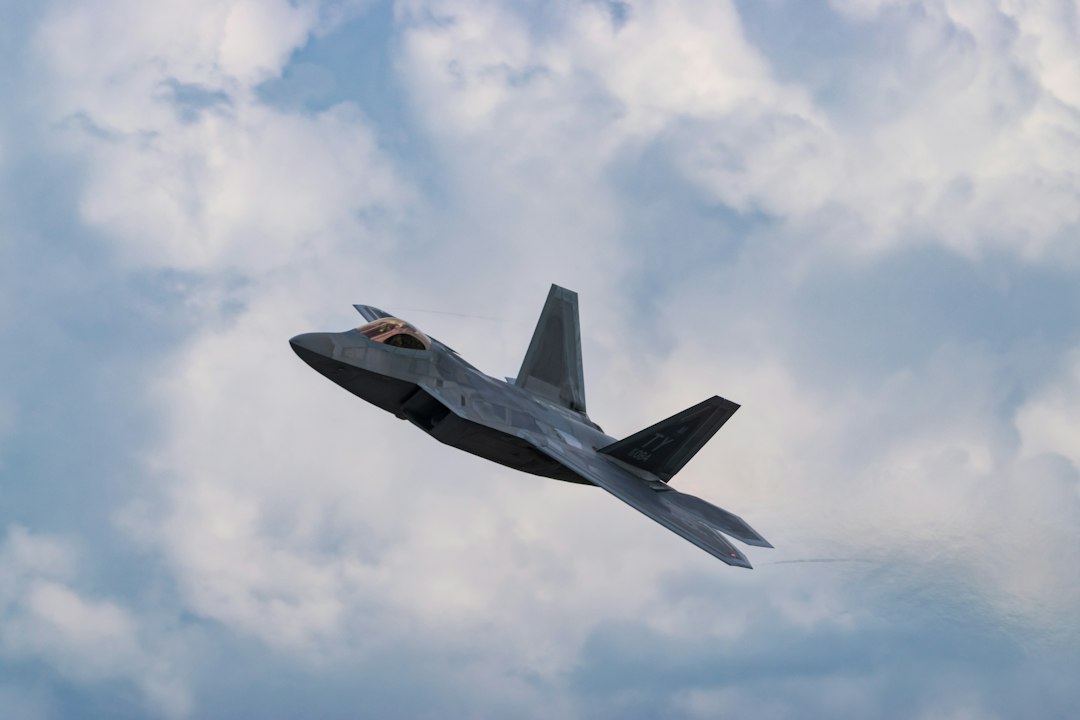
A Historic Display: The Anatomy of the 8-Ship Bomber-Fighter Formation
When you watch an 8-ship formation thunder over a place like Miami Beach, it’s easy to just get lost in the sheer spectacle, but there’s actually a massive amount of engineering keeping those pilots locked in place. The whole setup is designed to prevent wake turbulence, with trailing aircraft usually sitting slightly higher or offset to avoid the invisible, swirling wingtip vortices coming off the lead planes. Pilots rely on station-keeping equipment that uses radar pulses to track distances down to the foot, which is the only way to keep things that tight. If the lead pilot makes even a small, jerky movement, it ripples back through the formation like a whip, so they have to fly with an incredibly smooth touch to keep the final pair from getting bounced around.
It’s funny to think about the physics behind it, but the formation is actually a balancing act of aerodynamics and fuel management. You get what pilots call the accordion effect, where wingmen are constantly adjusting their throttles to stay in position, meaning their fuel burn rates aren't uniform across the fleet. They aim to hit a specific barometric pressure altitude where their engines are running at peak efficiency, and they have to adjust for the humid, dense sea air along the coast, which messes with the lift-to-drag ratio compared to flying inland. To keep the frequency clear, they barely even talk on the radio, opting for silent visual cues and pre-briefed timing marks that look like choreography from the ground.
There’s also a strange kind of acoustic science happening when those planes pass over you. That wall of sound you feel in your chest is actually a time-delayed accumulation of engine noise, creating a pressure wave that can easily push past 120 decibels. The spacing isn't just for looks; it’s mathematically calculated so that the aircraft create a constructive interference pattern, intensifying the rumble for everyone watching on the sand. Modern fly-by-wire systems have built-in limiters that stop pilots from crossing safety buffers, keeping the formation stable even when they're pushing speeds over 400 miles per hour. It really is a masterclass in precision, designed specifically so that no matter where you're standing on the beach, you get a perfect view of the entire group.
Timing and Trajectory: Mapping the Flight Path Over Miami Beach
When you’re standing on the sand looking up, it’s easy to assume the flight path is just a straight line, but mapping a trajectory over a place as dense as Miami Beach is actually an exercise in high-stakes geometry. Let’s dive into how these planners think about it. They aren’t just pointing a plane toward the horizon; they’re reconciling the city’s rigid grid system with the unpredictable nature of subtropical air. The route is meticulously calculated to hug the shoreline, which serves a dual purpose: it keeps the noise profile over the water rather than the residential blocks and uses the coast itself as a reliable, high-contrast visual reference for the lead pilot.
Think about the atmospheric variables at play here, because they’re honestly quite wild. Planners are constantly juggling sea breeze cycles and thermal updrafts that shift as the sun heats the sand, which can turn a stable flight path into a bumpy ride if you aren't careful. They rely on real-time wind-drift corrections, essentially feeding live data from nearby weather stations into the flight computers to keep the formation from drifting off-course. It’s a constant, microscopic adjustment, and they’re doing all of this while keeping an eye on the precise timing needed to hit that one-second arrival window.
Beyond the wind, there’s the whole issue of navigating around the heavy civilian traffic pulsing through the South Florida terminal area. They have to map these ingress and egress vectors to thread the needle without disrupting the commercial flow into Miami International, which is why you’ll often see them holding offshore in a tight, pre-choreographed pattern before they make their run. It’s a delicate balance of safety and spectacle, and frankly, the level of simulation that goes into validating these paths before they ever leave the ground is staggering. They run high-fidelity tests against everything from salt-mist haze to sudden gusts, ensuring that no matter where you’re standing on the beach, you’re getting exactly the perspective they intended.
Behind the Cockpit: The Precision Required for High-Stakes Aerial Maneuvers
When we talk about the precision behind a high-stakes aerial display, it’s easy to focus on the grace of the formation, but the physical toll on the pilot is something we rarely see from the beach. Let’s dive into what’s actually happening inside that cockpit during those high-G turns. Pilots are routinely pulling up to 9Gs, and to keep from blacking out, they’re wearing anti-G suits that squeeze their legs to force blood back toward the brain. It’s not just gear, though; they have to master a specific breathing technique, pushing air against a closed glottis, which honestly sounds exhausting just to think about.
Think about the sheer sensory overload they deal with when the aircraft is moving that fast. You’ve got the vestibular system in the inner ear giving off false signals about where the horizon is, and if a pilot moves their head too quickly during a turn, the Coriolis effect can trigger instant, severe vertigo. They’re constantly fighting this while staring at a heads-up display that projects vital data right onto the canopy glass, so they never have to break their focus by looking down at the dials. It’s a hyper-focused environment where they’re managing engine surge margins and monitoring thermal loads on the avionics, all while the fly-by-wire system is processing their inputs in a race against latency.
And then there’s the technology that makes it all hold together under that kind of stress. The cockpit interfaces are built to withstand millions of vibration cycles, using ruggedized hardware that wouldn’t last a second in a standard vehicle. You also have the silent hero of the system: the liquid oxygen converter, which keeps the air breathable during the high-altitude approach through a multi-stage heat exchange process. Before they even bank the plane, the flight computers are constantly running integrity checks to make sure the airframe isn’t exceeding its structural limits. It’s a wild amount of math and physiology happening in real-time, all to make sure the plane stays exactly where it needs to be when it thunders over the sand.
Why the Air Force Chose Miami for This Rare Demonstration
You might be wondering why the Air Force picked Miami for such a rare, high-stakes demonstration instead of a standard inland base. Honestly, it comes down to a perfect storm of geography and engineering necessity. The city’s unique longitudinal coastline acts as a natural corridor, allowing these heavy bombers and fighters to maintain a high-speed flight path while keeping most of the noise over the Atlantic rather than crashing into residential neighborhoods. It’s a massive logistical win because the narrow strip of land between the Everglades and the ocean limits the need for complex, high-bank maneuvers that would otherwise put unnecessary mechanical stress on the airframes.
Beyond just the flight path, the region’s specific subtropical climate provided a critical testing ground for the engineers. By flying over the Gulf Stream, they could gather data on how heavy aircraft respond to the rapid density altitude changes caused by that unique thermal gradient over the water. It’s also about the air itself; the team is using this as a data collection event to see how high-bypass turbofan engine exhaust actually interacts with the highly saline, humid air found in coastal Florida. They’re effectively simulating a rapid-response coastal approach vector that you just can't replicate in the dry, stable environments of inland training ranges.
We also have to look at the tactical integration side of things, because this wasn't just for show. The Air Force used the exercise to test how their own flight tracking systems mesh with civilian air traffic control in a high-density environment, specifically targeting known radar coverage gaps in the area. Plus, the proximity to major deep-water ports gave them a chance to practice integrated logistics, ensuring ground support teams could hit the site with almost zero transit time. They even ran a complex risk assessment model to account for local bird migration patterns, proving that every single second of that flyover was calculated to balance mission readiness with the realities of a busy, coastal urban center.
Capturing the Moment: Best Vantage Points for Spectators on the Sand
If you’re planning to head out to the sand to catch a flyover like this, you’re probably thinking that any spot with a clear view of the horizon will do, but here’s what I’ve found after analyzing the logistics: it’s actually a game of millimeters and physics. Honestly, where you stand changes everything about how you experience the moment. If you head closer to the low-tide mark, you’re ditching that busy horizon clutter, which really helps your eyes—and your camera—lock onto the formation against the open water rather than losing them against distant ships.
But you’ve got to be careful with the light. That wet sand at low tide acts like a giant mirror, effectively doubling the light hitting your lens and forcing you to kick up your shutter speed to keep things sharp. It’s a trade-off, though, because if you’re right under the path, you’re also catching that intense, low-frequency infrasound that vibrates in your chest, which is a sensation you just can’t replicate from further back on the promenade.
Now, if you’re trying to get that perfect shot, I’d suggest finding a spot at least 500 feet back from the water’s edge. This distance is the sweet spot for telephoto lenses, giving you enough room to track the lateral movement of the planes without needing to constantly adjust your focus. And don't ignore the environment around you; those concrete seawalls near the beach are essentially giant reflectors that focus engine noise into specific pockets, making some spots on the promenade noticeably louder than others.
You’ll also want to keep an eye on the time of day because the local heat haze is real. The flyover is timed specifically to avoid that mid-afternoon shimmer that can turn a crisp jet into a blurry mess, but even then, the salt-laden air near the surface can play tricks on your eyes. It’s basically a natural mirage that can shift the perceived position of the aircraft by a few inches, which is why that high-contrast, early-day light is so much better for clarity. Just remember to pack a neutral density filter if you’re shooting, or the sun hitting those metallic skins will blow out your highlights before you even know what hit you.
Future Flight Demonstrations: What to Expect from Upcoming Air Force Initiatives
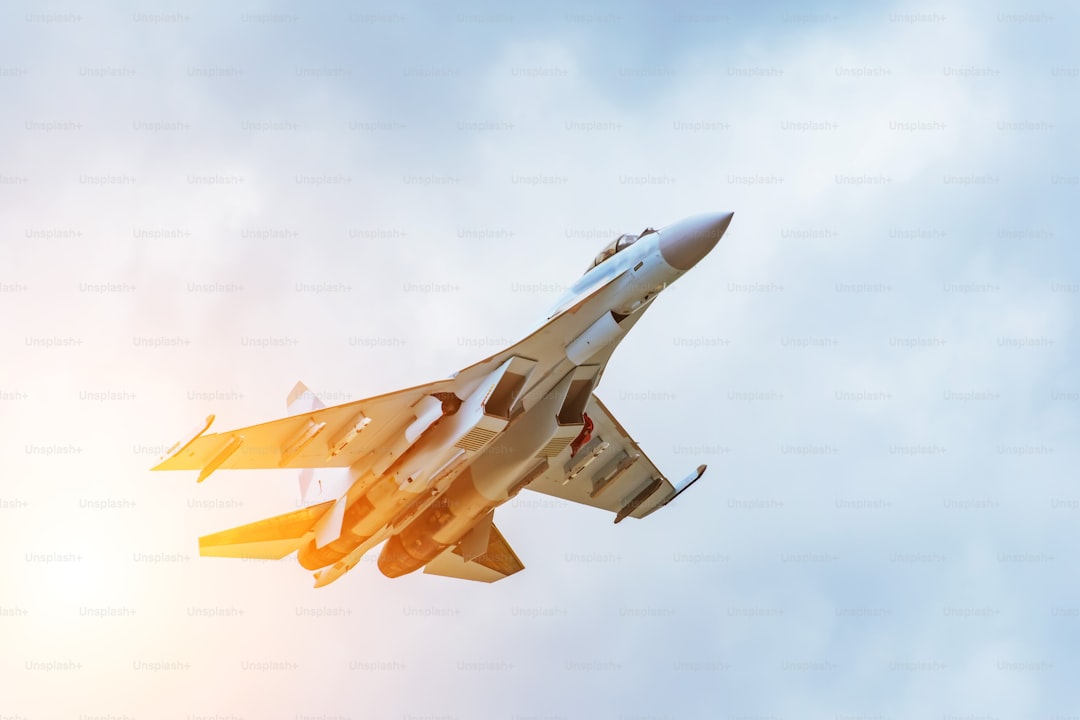
When you look beyond the high-speed spectacle of a Miami flyover, it’s clear the Air Force is shifting gears toward a much more modular and cost-conscious future. We’re moving away from the era of hyper-expensive, single-purpose missiles and into a new class of low-cost munitions that can pack a punch without breaking the budget. Think of it as a move toward software-defined payloads; rather than building a brand new jet for every mission, they're working on systems where one airframe can swap between electronic warfare, recon, and strikes just by updating its digital core. It’s honestly a massive leap in how we think about tactical volume, and it’s happening faster than most folks realize.
Beyond just the weapons, the actual hardware is getting a serious efficiency overhaul. You’ve probably heard about the push for sixth-generation fighters like the F-47, but the real magic is in the engineering that stays behind the curtain. We’re seeing a 50 percent boost in fuel efficiency thanks to new high-bypass turbofan designs, and the military is even testing micro-nuclear systems to keep remote bases running without needing a constant supply line of fuel. They’re also using digital twin technology to stress-test these planes in virtual environments before they ever touch the sky, catching structural fatigue before it becomes a problem during those brutal 9G maneuvers.
There’s also a big push to make our gear tougher against the elements, specifically for those coastal environments that can be murder on airframes. The new low-observability coatings are built to survive salt-mist and heat cycles that would have eaten older finishes for breakfast. They’re even working on synthetic fuels to make sure the fleet isn't tethered to volatile supply chains, all while building AI-driven mesh networks that let these planes talk to each other in real-time. It’s a wild time to be watching this space, and frankly, the 2027 interceptor tests will likely be the moment when all this theoretical research finally hits the real world.
Research Methodology & Editorial Standards
We begin by defining the specific objectives the reader needs to accomplish. Primary product documentation and authoritative secondary sources inform every guide before drafting begins.
Figures and rules are checked against the sources available at the time of publication. Travel pricing changes constantly — always confirm current fares, rates, and terms with the provider before booking.