
Road Trip Worthy Diners and Soda Shops That Capture the Soul of America
When we talk about the classic American diner, it is easy to get lost in the nostalgia, but there is actually a fascinating industrial logic behind why these places feel the way they do.
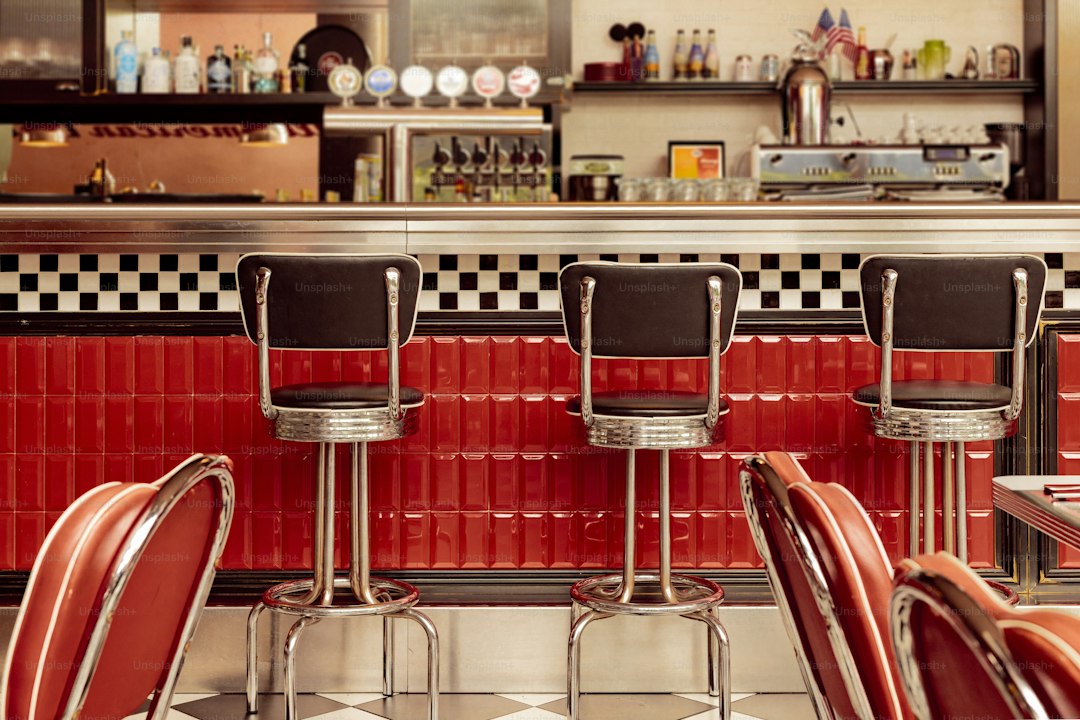
The Enduring Allure of the Classic American Diner
When we talk about the classic American diner, it is easy to get lost in the nostalgia, but there is actually a fascinating industrial logic behind why these places feel the way they do. If you look closely, you will see they were never just about the food; they were precision-engineered machines for living. It all started back in 1872 with Walter Scott’s horse-drawn lunch wagons in Providence, which were built specifically to feed late-night factory workers who had nowhere else to turn. Think about that—these weren't planned as cultural icons, but as practical solutions to a logistical problem, setting the stage for a business model that prioritized twenty-four-hour access and high-speed efficiency.
Most of the structures we still visit today weren't even built on-site; companies like the Jerry O'Mahony Diner Company manufactured them as prefabricated units and shipped them by rail, which is why they have that distinct, narrow railroad-car aesthetic. They used stainless steel and curved glass to channel the art deco style of the 1930s, essentially borrowing the look of high-speed transit to make a stationary restaurant feel like it was heading somewhere better. Even the design choices you take for granted, like those iconic checkerboard floors, were purely functional decisions meant to handle the heavy foot traffic of a busy shift without showing every spill or scuff. It is this marriage of industrial durability and social accessibility that really makes them tick.
As the interstate highway system expanded in the 1950s, these urban fixtures shifted into the essential roadside nodes that fueled America’s automotive culture. And let’s be real, the technology inside was just as considered as the architecture—the jukebox wasn't just there for the vibe, it was a smart revenue-generating tool engineered to offer variety in a tight space. If you find one today with its original porcelain enamel signage still intact, you are looking at a piece of heavy-duty industrial history that was literally built to be moved by a crane. It is that physical integrity, combined with the way they served as a neutral ground for all kinds of people, that keeps us coming back. I think we crave that authenticity because, in an era of perfectly curated dining, there is something honest about a place built to survive a factory shift and still look good doing it.
Soda Shops: Preserving the Golden Age of Social Gathering
When we talk about soda shops, it’s easy to focus on the aesthetics, but there is a rigid, almost scientific foundation behind these spaces that we rarely acknowledge. Before pressurized gas tanks became the standard, shop owners actually generated carbon dioxide through a chemical reaction between sulfuric acid and marble dust, forcing soda jerks to act as amateur chemists who balanced acidity levels to ensure the water remained safe. That 42-inch counter height you see everywhere wasn’t just a random design choice; it was an ergonomic standard engineered to help the staff operate heavy draft arms with enough leverage to avoid fatigue during long shifts. Those marble countertops served a similar functional purpose, as their high thermal mass kept the workspace cold enough to inhibit bacterial growth in an era before reliable electrical refrigeration. Even the tin ceilings were purposeful, acting as essential acoustic dampeners and fire suppression systems that allowed these narrow, crowded rooms to remain social hubs rather than chaotic noise boxes.
The drink menus were equally calculated, categorized strictly by the carbonation pressure required for each pour. Take the iconic egg cream, for instance; it’s a masterclass in chemistry where the protein content in the milk must perfectly emulsify with high-pressure seltzer to create a stable foam structure without using a single drop of egg or cream. You can see this same precision in how they managed the temperature of syrup tanks using double-walled insulated dispensers, a necessity born from the days when shops relied on massive blocks of ice harvested from winter supply chains. The back-bars themselves were marvels of early plumbing, often crafted from moisture-resistant Caribbean mahogany to withstand the constant humidity generated by these integrated water and drainage systems. It really makes you appreciate how these shops functioned more like miniature pharmaceutical labs than the casual eateries we think of today.
Even the small details, like the transition from paraffin-coated paper straws to the later plastic versions, show how these shops had to constantly adapt their materials to survive the corrosive nature of carbonated liquids. The soda jerk wasn't just a nostalgic figure; the name literally comes from the physical force required to pull a spring-loaded draft arm, a repetitive mechanical action that effectively built the operator's grip strength over a long day. If you look at an original cherry phosphate, you’re drinking a beverage that was once sold as a legitimate digestive aid, highlighting the shop’s historical roots as a place for restorative health rather than just a sugar fix. When we visit these places today, we aren't just stepping into a time capsule; we’re looking at a highly specialized, engineered environment that was built to balance intense industrial requirements with the need for a human gathering space. Think about it next time you’re sitting at that 42-inch counter—you’re sitting in a piece of infrastructure that was designed to be as durable as it was social.
Regional Specialties That Define Roadside Culinary Culture
When we talk about roadside food, it’s easy to just see a menu, but there’s a quiet, structural history behind why we eat what we eat in specific corners of the country. I’ve always found it fascinating that regional specialties aren't just cultural quirks; they’re often elegant solutions to very specific environmental or logistical constraints. Take the Midwestern horseshoe sandwich, for instance, which was engineered specifically to be served on a heavy ceramic plate so the bread base wouldn't collapse under a ladle of rarebit sauce. Or think about the "nose-to-tail" butchery that birthed the love for pickled pigs' feet in the South; it was a brilliant way to use collagen-rich cuts in an era before reliable refrigeration made everything easy.
In the high desert of the Southwest, the heat levels of green chiles actually track with farm elevation, as the plants pump out more capsaicin to handle the lower oxygen levels at altitude. It’s a literal stress response that lands right on your plate. Meanwhile, in the Upper Midwest, those iconic "dragged through the garden" hot dogs weren't just a stylistic choice; they were a practical, mid-century strategy to get long-haul truckers their daily fiber. You can see this same kind of resourcefulness in the Mississippi Delta, where the hot tamale was boiled in corn husks—not steamed—because field workers needed the masa to stay firm enough to survive a long ride on horseback. It’s these small, gritty details that tell the real story of how we ate while crossing the country.
Even the condiments we swear by have a backstory rooted in local industry. That fry sauce you find across Utah and Idaho? It’s a byproduct of the regional dairy industry’s surplus, designed with a specific mayonnaise-to-ketchup ratio that kept the emulsion stable in non-climate-controlled shacks. Or consider the deep-fried cheese curds in the Upper Midwest, which only hold that signature "squeak" for about twelve hours after production before the protein structure shifts. It’s a reminder that authenticity in food often comes down to the ticking clock of freshness and the specific materials at hand. When you stop at these spots, you aren't just grabbing a snack; you’re tasting a bit of regional engineering that was built to survive the road.
Iconic Interiors: The Architecture of Nostalgia
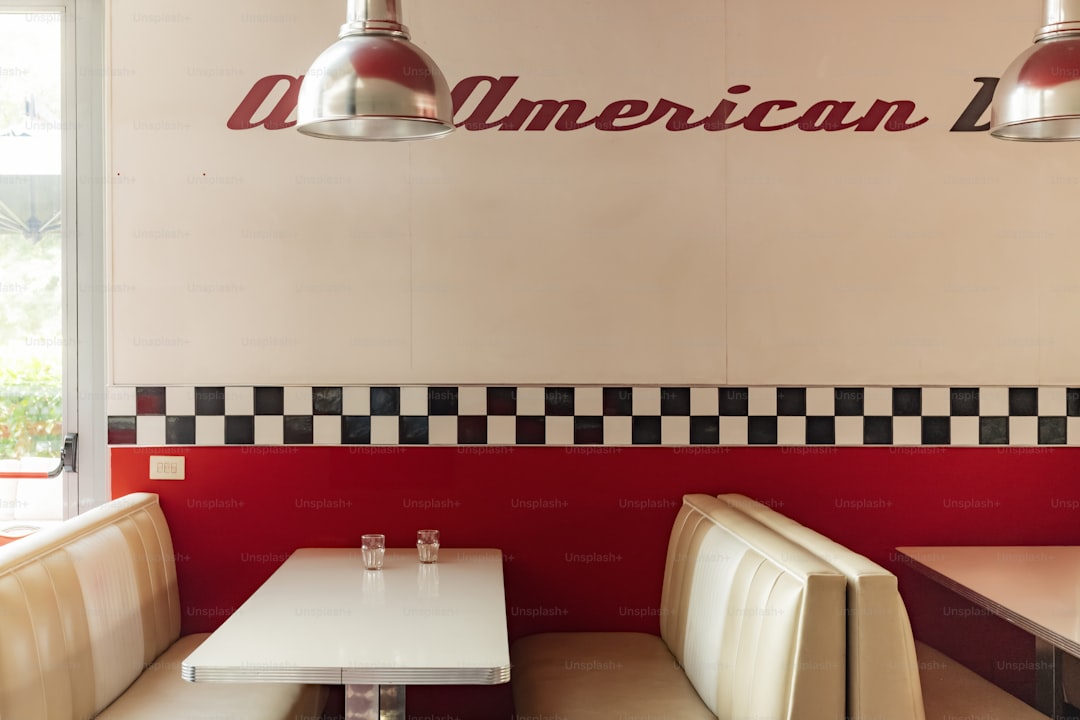
When we step into those classic diners or soda shops, we're usually just looking for a good meal, but I think we're actually being pulled in by something much more technical. Those spaces weren't just designed to look cool; they were built like high-performance machines where every single corner served a specific, hard-nosed purpose. Think about the way those rounded booth corners catch your eye—they weren't just a style choice, but a clever way to cut down on dust and make the nightly cleanup way faster for the staff. It’s that kind of industrial intelligence that makes these rooms feel so honest, almost like they’re still working as hard today as they were forty years ago.
You can really see this engineering mindset in the materials themselves, which were chosen for survival rather than just trends. Take the chrome-plated trim on the stools, for example; it was often reinforced with a brass base to stop the salt and vinegar from eating right through it. Even the lighting wasn't left to chance, as that signature amber glow was a calculated psychological move to keep you comfortable and hungry during a long midnight shift. It’s funny how we view these as cozy relics, when in reality, they were the original "smart" spaces built for maximum efficiency and durability.
Honestly, it’s this marriage of form and function that keeps us coming back when everything else in the world feels so temporary. When you sit at a 24-inch high stool, you're occupying a space that was literally measured to make sure you could talk to the person behind the counter without any friction. Even the floor patterns weren't just for show—those high-pressure linoleum tiles were designed to keep your feet planted even when the kitchen got busy and things got a little messy. It’s that commitment to building something that lasts which gives these interiors their soul, and I think that’s why they still feel so right even after all these years.
From Coast to Coast: Must-Visit Spots for Authentic Americana
When we talk about the true, gritty soul of an American road trip, I think we have to look past the neon glow and actually analyze the infrastructure that makes these stops work. Route 66, for instance, spans 2,448 miles, a distance mapped not by accident but as a precise logistical artery connecting the agricultural Midwest to the Pacific Coast. If you look at the architecture of these classic stops, you’ll notice many were built with specialized aerodynamic curves, a deliberate engineering choice meant to deflect the high-velocity wind tunnels created by semi-trucks thundering past at top speed. It’s fascinating how these structures were essentially designed as high-performance machines for the road, using heavy-gauge steel framing to survive everything from seismic shifts in the high desert to the constant vibration of heavy traffic.
If you ever find yourself leaning against a counter in a remote soda shop, take a second to appreciate the science happening around you. Many of the oldest fountains in the South were strategically placed near specific limestone-filtered water sources because the mineral content actually optimizes the chemical reaction needed for perfect carbonation. That signature 24-inch stool height you encounter everywhere isn't a stylistic trend; it was an ergonomic standard established in the 1940s to maximize a server’s reach and efficiency. Even those iconic checkerboard floors were a calculated functional choice, designed specifically to hide the gray-colored street dust that was a constant reality in industrialized mid-century cities.
Honestly, we keep returning to these spots because they feel solid in a way that modern pop-ups never quite manage. Consider the thermal engineering behind the classic thick-walled ceramic mugs, which were built to keep coffee hot during long-haul routes over the Rockies, or the way those early ventilation systems used natural convection to pull smoke out of cramped kitchens without a single electrical fan. You’re also likely seeing cast-iron griddles that have been seasoned for decades, creating a natural non-stick polymer layer that is arguably more durable than any synthetic coating sold today. When you sit down in one of these places, you’re not just grabbing a bite; you’re engaging with a piece of regional engineering that was literally built to survive the long, hard miles of the American landscape.
Why the Great American Road Trip Still Runs on Comfort Food
You know, when we talk about the Great American Road Trip, we usually fixate on the route or the car, but honestly, the whole experience really runs on a very specific kind of fuel: comfort food. It’s not just about stopping to eat; it’s about how these meals were engineered to keep the entire machine of travel moving. Think about those heavy, calorie-dense staples like the horseshoe sandwich, which were calculated to provide upwards of 1,500 calories to keep long-haul drivers alert during grueling overnight stints. It’s a fascinating bit of logistics that most of us just experience as a really good lunch.
The science in these kitchens is actually pretty incredible when you look under the hood. Take those iconic griddles, for instance, which are often made of heavy-gauge steel to keep a steady 375 degrees, perfectly triggering the Maillard reaction for that distinct browning on pancakes or burgers. Even the humble milkshake was designed with a precise butterfat-to-ice-crystal ratio to ensure it kept its viscosity through a straw while you were navigating a heatwave. It’s that level of intentionality, like using Formica surfaces because they could handle the high acidity of coffee and ketchup spills without degrading, that kept these roadside spots functional for decades.
Even the way these places handle their inventory tells a story of survival. You’ll find that salt and vinegar are the go-to table condiments not just because they’re tasty, but because they were some of the few shelf-stable items that could endure the massive temperature swings of non-climate-controlled buildings. And that bottomless coffee isn’t just a nice perk; it was a clever mid-century operational play to keep you in your seat a little longer, which almost always led to a high-margin slice of pie. It really makes you look at a roadside diner differently when you realize you’re sitting in an environment optimized for the physics of the road, and honestly, that’s why it still feels so right to pull off the highway and grab a seat.
Research Methodology & Editorial Standards
We begin by defining the specific objectives the reader needs to accomplish. Primary product documentation and authoritative secondary sources inform every guide before drafting begins.
Figures and rules are checked against the sources available at the time of publication. Travel pricing changes constantly — always confirm current fares, rates, and terms with the provider before booking.