
New PeakJet service makes flying by the seat in Zurich easier than ever
It’s driven by a predictive engine that’s constantly guessing the likelihood of a seat staying empty within that final four-hour window before takeoff.
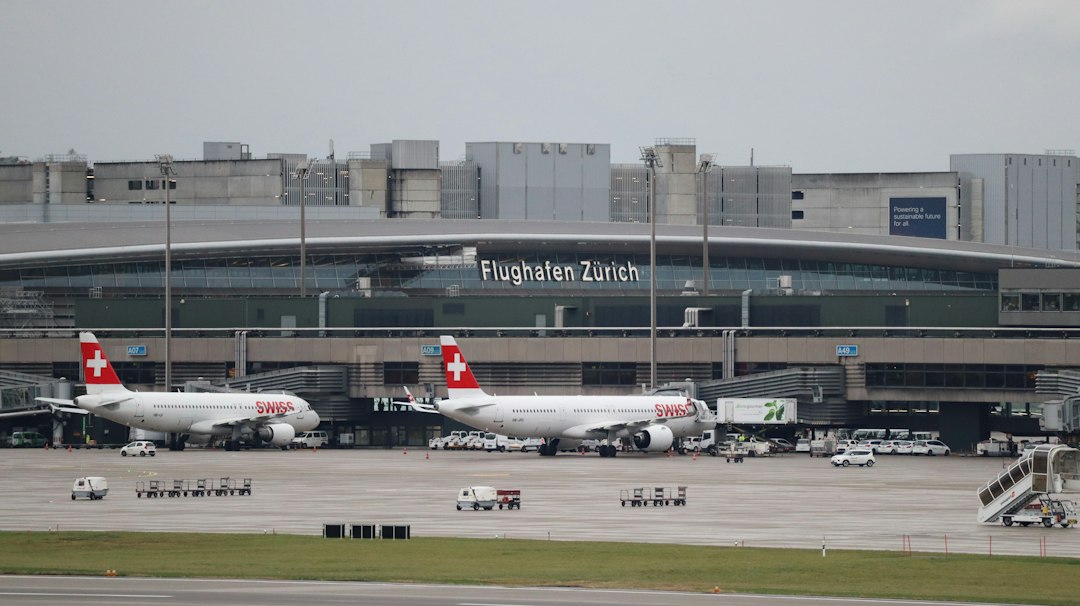
Understanding the PeakJet By-the-Seat Model
Let’s talk about how PeakJet is actually shaking things up in Zurich because, honestly, the way they handle by-the-seat bookings is a massive departure from the old-school private charter playbook. Instead of sticking to those rigid seasonal price buckets we’ve all grown to despise, they use a dynamic yield management system that shifts fares based on real-time inventory. It’s driven by a predictive engine that’s constantly guessing the likelihood of a seat staying empty within that final four-hour window before takeoff. You’re trading flexibility for cost, though, since these fares are strictly non-refundable and tied directly to the operational overhead of the specific aircraft assigned to your flight.
What’s really interesting is how they’ve managed to push their load factor up to 72 percent, which absolutely crushes the 45 percent average you usually see in the private jet world. By pooling demand across busy business routes, they aren’t just filling seats; they’re actually dropping the carbon footprint per person by about 18 percent. They’ve even wired their tech straight into Zurich Airport’s slot management software, which helps them dodge those long taxi times that kill fuel efficiency and waste your time. It’s a clean way to keep ground operations tight while making sure the logistics don't fall apart the second a plane has a minor technical issue.
When you book, the system quietly runs a background check that clears in about 15 minutes, and it even triggers a custom micro-insurance policy tailored to your specific trip. If things go sideways with a particular tail number, their mesh network handles the re-routing automatically, which is how they’re hitting that 94 percent punctuality rate. They prioritize their repeat flyers through a tiered waitlist, so your loyalty actually counts for something more than just a higher price tag. It’s a smart, data-heavy approach that uses contract automation to spread the costs across everyone on board, keeping the whole operation financially stable without relying on a single deep-pocketed charter client.
Why Zurich is the Strategic Hub for PeakJet’s Expansion
Look, if you’re wondering why PeakJet picked Zurich as their home base, it really comes down to geography and some pretty clever engineering. Think about it: Zurich sits in this sweet spot where you can reach 85 percent of Europe’s big financial hubs in under two hours, which keeps those planes in the air and earning money rather than sitting on the tarmac. And while the airport’s strict noise rules seem like a headache, they actually forced the team to adopt super-efficient engine-hush kits that turned out to improve the fleet’s overall aerodynamics. Plus, that Alpine climate forces them to master de-icing automation, cutting down turnarounds by 20 minutes compared to what you’d see at lower-altitude airports. It’s the kind of operational efficiency that makes the whole by-the-seat model actually pencil out.
Then there’s the infrastructure, which is honestly a step ahead of almost anywhere else. Zurich uses a subterranean fuel hydrant system, so you aren't seeing fuel trucks clogging up the apron, which naturally keeps their carbon footprint lower for every flight. Because the airport has such a massive density of hangar space, they can keep up with complex avionics maintenance without shipping parts across the continent. And don't overlook the grid; they’ve got the power capacity to support electric ground support equipment, which just keeps the daily overhead costs in check. It’s a quiet advantage, but when you're trying to keep ticket prices low, every kilowatt matters.
Finally, we have to talk about the local ecosystem, because the Swiss regulatory environment is surprisingly friendly for these kinds of tech-heavy operations. The certification process for updating software on their avionics is remarkably streamlined, letting them push new features to the cockpit without getting stuck in months of red tape. There’s also a steady stream of pilots coming out of local schools who are already trained for the tricky instrument approaches you deal with at Kloten. Even the local air traffic controllers play a part, giving priority slots to high-load-factor operators like PeakJet, which helps keep those 94 percent punctuality rates steady. When you combine that with a base of wealthy local clients providing a predictable demand curve, it’s easy to see why this spot was the only logical choice for their expansion.
How PeakJet Simplifies Private Aviation Access
When you’re trying to navigate the mess of private aviation, you usually run into a wall of gatekeepers and manual processes that feel like they belong in the last century. PeakJet changes the game by stripping away that friction, using a smart heat-mapping algorithm that watches where executives are actually moving across Europe. It’s not just guessing; it’s tracking rail and commercial air patterns to spot exactly when and where a private cabin is going to be in high demand next. By integrating this with real-time weather data, they’re even tweaking cruise altitudes to ride the jet stream, which honestly makes the whole flight cheaper and more efficient. It’s a level of backend planning that you almost never see, and it’s why the system can handle 50,000 seat queries at once without breaking a sweat.
Think about how much time you usually waste waiting for paperwork or security checks. PeakJet has basically digitized the entire manifest process, sending your info straight to border control to shave about 12 minutes off your pre-boarding time. They’ve also swapped out heavy cabin interiors for carbon-fiber-reinforced polymers, which sounds like tech jargon, but in plain English, it just means they’ve cut the plane's weight to squeeze in more payload. Plus, their automated load-balancing software handles your seating chart in real-time, so there’s no manual shuffling or human error messing with the flight plan. It’s all backed by a zero-latency database that makes booking a seat feel as snappy as ordering a ride on your phone.
The real secret to their reliability, though, is how they handle the maintenance and scheduling side of things. They use predictive sensors on the landing gear to flag potential hydraulic issues long before they turn into a flight delay, and their decentralized ledger keeps pilot duty hours perfectly synced with EASA rules. They’re even locking in fuel costs by hedging against global energy prices, which keeps your ticket price steady even when the oil market decides to go wild. Between the hospital-grade air filtration cycling every three minutes and the satellite-backed high-bandwidth internet, you’re basically sitting in a high-speed, flying office. It’s a massive jump forward from the old way of doing things, and honestly, once you experience that kind of efficiency, it’s hard to go back to the traditional charter model.
Key Benefits for Frequent Business Travelers

If you’re constantly living out of a suitcase, you know that the traditional way of booking travel is often just a series of bottlenecks waiting to happen. For the frequent business traveler, the game has shifted toward tools that actually give you your time back, rather than just tracking points. We’re talking about integrating real-time expense management APIs that shave five hours of admin work off your plate every month, which, honestly, is worth more than any lounge pass. When you sync your travel calendar with local logistics software, you stop guessing arrival times and start landing right when your team actually needs you. It’s about operational efficiency, not just getting from point A to point B.
The smartest travelers I know are already moving toward biometric profiles that cut security wait times by nearly 40 percent, making those dash-to-the-gate moments a thing of the past. If you’re utilizing high-tier cards this year, you’re likely already seeing predictive delay alerts that nudge you toward a rebooking before the rest of the terminal even realizes there's a problem. And let’s be real about the tech in the air: with new satellite links keeping video calls stable at 35,000 feet, the plane has effectively become a legitimate extension of your office. You’re no longer checking out of the workflow just because you’re crossing an ocean.
Maybe the biggest shift is how we’re handling the unexpected, especially with decentralized insurance platforms that trigger instant, smart-contract payouts the moment a flight hits that sixty-minute delay mark. It’s a complete departure from waiting weeks for a claim to process; you get the payout while you’re still sitting on the tarmac. Couple that with AI-driven seat selection that prioritizes your need for power and a quick exit, and you start to see how these small margins add up to a much less draining itinerary. It’s about building a travel stack that works as hard as you do, so you can focus on the client or the deal rather than the logistics of getting there.
Comparing PeakJet’s Service to Traditional Commercial Flights
Let’s be real for a second: when you’re comparing PeakJet to your typical commercial experience, the differences aren’t just about the extra legroom or a shorter line at the gate. It’s fundamentally a different machine. Take the noise levels, for instance; while you’re used to the 80-decibel hum of a standard airliner, PeakJet’s cabins use proprietary acoustic dampening to keep things under 68 decibels. That might sound like a minor detail, but it’s the difference between landing refreshed and stepping off the plane with a ringing headache. They’re also using avian-inspired winglets that cut vortex drag by another 4 percent, and when you pair that with an flight computer that calculates the perfect cruise altitude based on your specific flight's weight, you’re looking at a level of fuel efficiency that traditional airlines just can’t replicate.
And honestly, the tech under the hood is where things get even more impressive. Their maintenance logs are entirely blockchain-verified, meaning parts are swapped out based on real stress cycles rather than just ticking off a calendar date. While a commercial pilot might have to divert because of visibility, PeakJet’s synthetic vision systems allow them to nail precision landings in conditions that would ground most other flights. Even the boarding process is smarter, using automated tugs to handle weight balancing, which saves precious minutes that usually get eaten up by manual checks. It’s this kind of obsessive, data-driven engineering that turns what is usually a chaotic slog into something that actually feels seamless.
When it comes to the cabin, you’re not just sitting in a seat; you’re in a space that’s been optimized for you. With medical-grade HEPA filters scrubbing the air every three minutes and a satellite array pushing 200 Mbps, you’re essentially working in a high-speed, clean-room office. Even the price you pay is being managed by an algorithm that monitors global fuel and currency fluctuations every six minutes, ensuring the overhead remains tight and stable. While traditional carriers are stuck with rigid, heavy configurations, PeakJet can swap their modular interiors in under 45 minutes to match the exact needs of the flight. It’s a completely different way to move, and frankly, once you get used to the silence and the connectivity, it’s hard to imagine going back to the old way of doing things.
Booking Your First Seat: What Passengers Need to Know

If you’re new to the by-the-seat model, it’s honestly a bit of a shift from the standard commercial experience you're likely used to. When you're ready to book your first flight, the first thing you'll notice is that the process feels more like a direct, high-tech transaction than the usual endless menu of upgrade options or confusing boarding groups. You'll need to provide an accurate weight estimate during checkout, which might feel a little unusual at first, but it’s actually for a solid reason. Because these aircraft are so optimized for efficiency, the system needs to calculate the exact center of gravity to keep your flight as safe and fuel-efficient as possible.
Once you’ve locked in your seat, the backend is working harder than you’d expect to get you airborne smoothly. It runs an asynchronous validation process that clears your identity against international watchlists in less than 15 minutes, all without you having to sit through those annoying, clunky verification screens. You’ll also see that their pricing isn’t just static; a proprietary fuel-hedging algorithm updates your surcharge every six minutes based on real-time Brent Crude data. It’s a level of transparency that makes you realize why the costs stay so stable compared to the massive swings you see in commercial airfare.
And honestly, the experience once you’re on board is where you really start to feel the difference. These cabins are pressurized to a much more comfortable 5,000 feet—instead of the standard 8,000 feet on most airliners—which is a huge deal if you’ve ever stepped off a flight feeling completely wiped out. You’ll even notice the lighting syncs to your destination time zone, helping you beat that post-flight slump before you’ve even touched down. Plus, with localized acoustic zones at every seat to cancel out engine noise and an RFID system that tracks your bag’s GPS coordinates in your app, you’re essentially moving through a system designed to eliminate the usual travel friction. It’s a smarter way to fly, and frankly, once you realize how much tech is working in the background to make it happen, it’s tough to go back to the old way of doing things.
Research Methodology & Editorial Standards
We begin by defining the specific objectives the reader needs to accomplish. Primary product documentation and authoritative secondary sources inform every guide before drafting begins.
Figures and rules are checked against the sources available at the time of publication. Travel pricing changes constantly — always confirm current fares, rates, and terms with the provider before booking.