
Inside the mind of a cruise CEO managing cities on the open sea
When you look at the sheer scale of a modern cruise ship, it’s easy to get distracted by the water slides and the Broadway shows, but honestly, the real story is what’s happening below the decks.
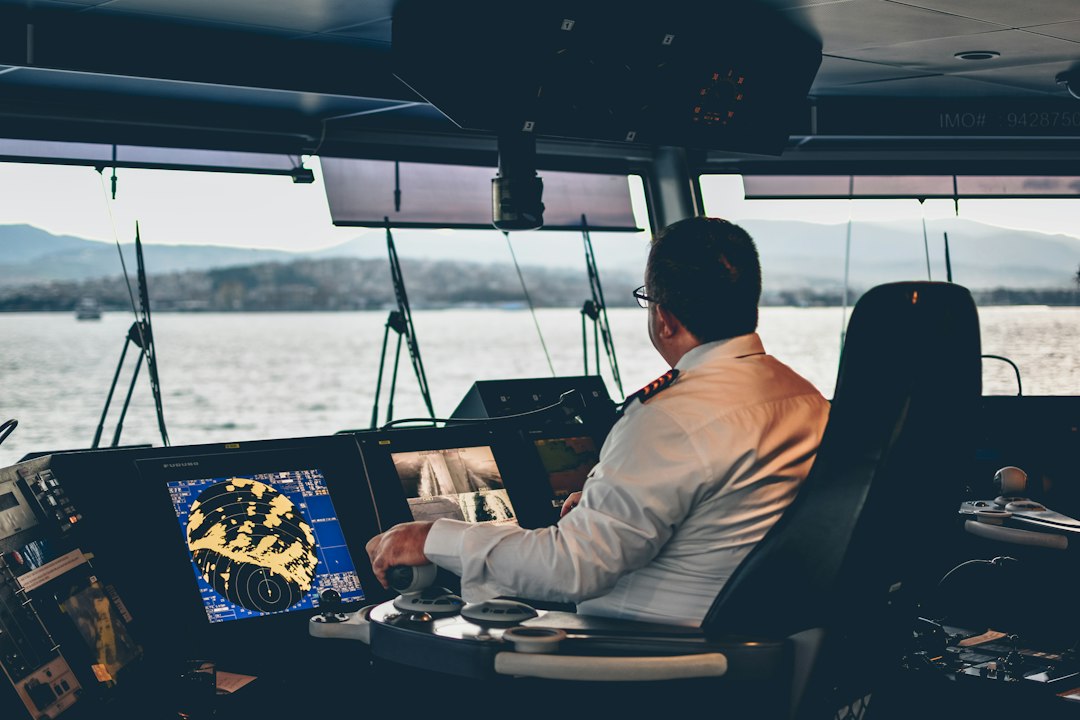
The Logistics of Floating Metropolises: Scaling Operations on the High Seas
When you look at the sheer scale of a modern cruise ship, it’s easy to get distracted by the water slides and the Broadway shows, but honestly, the real story is what’s happening below the decks. Think about this: these massive vessels are essentially floating cities that need to function perfectly while drifting in the middle of the ocean. Running a ship like this costs roughly a million dollars every single day, and that money doesn't just go to fancy buffets. It’s poured into keeping the lights on, the water running, and the structural integrity of a hull that’s over 360 meters long and constantly flexing under the pressure of the sea.
To keep that city running, you have to manage a just-in-time inventory system that tracks over 50,000 different items, ranging from the food in the kitchens to the spare parts in the engine room. It’s not like running a hotel on land where you can just call a supplier if you run out of milk. Here, if you’re short on supplies in the middle of the Atlantic, you’re stuck. We’re also seeing a massive push toward energy independence, with research even looking into modular designs that could let ships dock together to share power and water like a floating grid. It’s a bit wild to think that these vessels generate enough electricity to power a town of 30,000 people, yet they have to do it while staying under strict emissions targets.
The tech involved is honestly mind-boggling when you dig into it. You’ve got desalination plants turning half a million gallons of seawater into fresh water every day, and active fin stabilizers that constantly adjust to keep you from feeling like you’re on a roller coaster. And then there’s the invisible stuff, like the cybersecurity protocols that keep guest Wi-Fi completely isolated from the ship’s critical navigation systems. It’s a constant balancing act between keeping passengers connected and keeping the vessel safe from modern threats. Honestly, it’s a miracle of engineering that we can even pull this off, let alone do it while trying to shrink our environmental footprint by shifting to cleaner fuels and better hull coatings.
Navigating the C-Suite: How Cruise CEOs Balance Profitability and Guest Experience
When you look at how these massive cruise lines are actually run from the top, it’s easy to assume it’s all about just filling cabins, but the reality is much more of a math game. I’ve been looking at how executives treat these ships like giant, floating laboratories for behavioral economics, where every square inch of retail space is mapped out to nudge you toward impulse spending without making the experience feel like a sales pitch. They’re using dynamic pricing that doesn’t just look at the date of your trip, but actually predicts your potential to spend money on high-margin extras once you’re on board. It’s a delicate dance because if they push too hard, the luxury vibe vanishes, but if they pull back, the margins suffer. Honestly, it’s fascinating how they view a week-long voyage as a series of agile business sprints, adjusting staffing levels on the fly based on what people are actually doing.
The data side of this is where things get really intense for the C-suite. They’ve realized that a one percent bump in your satisfaction score isn't just a nice vanity metric; it directly correlates to lower customer acquisition costs because you’re more likely to book again. To hit those targets, they are using predictive analytics to shift staff to the venues where you’re happiest, rather than just keeping the ship running on a static schedule. It’s a smart move because it optimizes labor costs while keeping the service levels high enough to justify those premium price tags. Plus, they’re now using AI to forecast exactly who is on the manifest, which helps them cut food waste by a quarter compared to how things were done even a few years ago.
Then there is the quiet, behind-the-scenes work of balancing the bottom line with the planet. It turns out that executive pay is now frequently tied to sustainability benchmarks, which is a big shift from the old days of pure profit focus. They’re installing smart-cabin tech that manages your lights and AC based on whether you’re actually in the room, which saves a fortune in fuel over a year. Even the Wi-Fi has become a tiered profit center, managed so carefully that it doesn't bog down the ship’s actual navigation data. It feels like they’re trying to build a machine that learns as it sails, constantly recalibrating the ratio of crew to guests to make sure that the experience remains polished enough to keep us coming back, even as they trim the fat from the operation.
From Supply Chains to Sustainability: The Daily Hurdles of Managing a Maritime City
Managing a maritime city is honestly a masterclass in controlled chaos, where the line between operational efficiency and environmental stewardship gets thinner every year. When you’re responsible for a floating metropolis, you aren't just moving people; you're orchestrating a high-stakes logistics ballet that has to account for everything from biofouling to grid synchronization. Think about it—while the guests are enjoying their dinner, the ship is often deploying AI-driven robots to clean the hull, stripping away invasive species without relying on the toxic paints of the past. It’s not just about keeping the exterior clean, though; we’re seeing a massive pivot toward internal systems like plasma gasification, which turns waste into syngas to keep the lights on. It's a fascinating, if sometimes messy, way to close the loop on resource consumption while keeping the vessel self-sufficient.
But the real engineering hurdle is how these ships interact with the ports they visit. Cold ironing is a perfect example: you have to synchronize the ship’s internal electrical frequency with a local port grid in mere milliseconds, or you risk a total blackout. It’s an incredibly precise dance that requires perfect timing and high-end hardware just to stay plugged in. Then you have the logistics software that uses satellite weather tracking to slice through sea state resistance, shaving off up to twelve percent in fuel consumption by simply choosing a smarter path. It feels like we’re finally moving toward a reality where the vessel itself acts as a massive sensor array, collecting oceanographic data on temperature and salinity to help scientists understand the very waters we’re traveling through.
And let’s be real, the sustainability push isn't just a marketing slide anymore; it’s baked into the structural design of every new build. Engineers are now pre-installing reinforcements specifically to house hydrogen fuel cell banks once the shore-side supply chain catches up to the technology. Even the smaller details, like using biomimetic whale-fin patterns on propeller blades to cut down on acoustic noise and cavitation, show how much the industry is trying to respect the ecosystem. We’re also seeing membrane bioreactors that reclaim nearly ninety percent of greywater for technical tasks like deck washing, which drastically lowers the weight of the water we have to haul. It’s a relentless, daily grind of small optimizations, but when you zoom out, you can see the industry is betting its entire future on these technological pivots.
Leading Through Turbulence: Crisis Management and Resilience in the Cruise Industry
When you look at the cruise industry today, it's easy to see only the vacation experience, but the real story is how these companies handle the constant, unpredictable pressure of operating in a world that never stays still. I’ve been digging into how these lines manage crises, and honestly, the shift from reactive scrambling to proactive, algorithmic resilience is nothing short of fascinating. Think about it: when geopolitical tensions flare or a regional economy hits a snag, they don't just hope for the best; they’re using advanced hedging strategies to lock in fuel costs and predictive modeling to anticipate how booking trends will shift before the first cancellation even hits their dashboard. It’s a high-stakes game where they’ve turned the ships themselves into collateral for asset-backed financing, ensuring they stay liquid even when the markets feel like they’re swinging wildly.
But what really catches my eye is how they handle the physical reality of a crisis. If a port suddenly becomes inaccessible due to weather or political friction, they aren't relying on guesswork; they’re using real-time satellite imagery and integrated maritime intelligence to reroute entire fleets within minutes, not hours. It’s this kind of agility that keeps the business moving, but the internal protocols are just as intense. For instance, bridge officers are now going through high-fidelity simulations that strip away all modern tech, forcing them to practice navigation as if they were back in the age of celestial observation, just in case a total communication blackout ever happens.
And let’s be real about the human side of this, because that’s where the actual resilience lives. They’ve moved way past basic safety drills, implementing proprietary communication software that can blast critical instructions in forty different languages at once, and they’re investing heavily in psychological support for crew members because keeping the staff stable is the single biggest factor in avoiding a total operational meltdown. They’ve even started building strategic stockpiles of pharmaceuticals and engine parts in global hubs, essentially deciding that the efficiency of just-in-time logistics is a risk they can no longer afford to take. It’s a gritty, calculated approach that recognizes the ocean is a dangerous place, and if you’re going to run a city on it, you’d better have a plan for when everything goes sideways.
The Future of Nautical Tourism: Balancing Innovation with Environmental Stewardship
When we talk about the future of nautical tourism, it’s easy to get lost in the glossy brochures, but the real shift is happening in the invisible machinery of how we actually interact with the water. I’ve been looking at how marine spatial planning is evolving into a delicate, high-stakes game of land-sea interface management, where the goal is to make sure our vacation footprint doesn't trample on local fishing rights or sensitive biodiversity zones. It’s not just about moving ships anymore; it’s about using AI-driven visitor management systems to analyze density data in real time, stopping that crushing feeling of port congestion before it even happens. We're seeing a move toward what I’d call a true circular blue economy, where port-side tech processes ship waste locally instead of just hauling it away. Honestly, it’s a massive upgrade from the old way of doing business, and it’s finally starting to look like a sustainable model rather than just a marketing talking point.
The tech side of this is where things get really fascinating, especially when you think about how we’re turning these massive ships into mobile research stations. Operators are now using high-resolution digital twins to simulate exactly how their wake and noise might affect local habitats before they even enter a protected zone. I’m particularly impressed by the shift to spectrum-controlled LED lighting, which is a simple but massive win for nocturnal seabirds that used to get disoriented by ship lights. Then there’s the move toward biomimetic propeller designs that cut down on underwater noise, which is crucial for protecting cetacean communication. It’s these kinds of quiet, technical pivots that really move the needle on environmental health without forcing us to sacrifice the actual experience of travel.
But here is what I think really matters for the long term: the move toward community ownership and stewardship. It isn't enough to just install cleaner engines if the local communities aren't benefiting from the shift, so we’re seeing new developments mandate skilling programs that train residents for real, long-term careers in marine management. Coastal areas are even starting to use dynamic mooring zones that physically adjust based on the current health of the seabed, which keeps the coral and seagrass safe while we’re docked. We’re even seeing terminal designs that act as artificial reefs, actually improving water quality over time. It’s a messy, complex, and sometimes difficult transition, but it’s clear the industry is finally betting its future on the idea that we can be guests in these environments without being a burden.
The Human Element: Managing Thousands of Crew Members and Millions of Guests
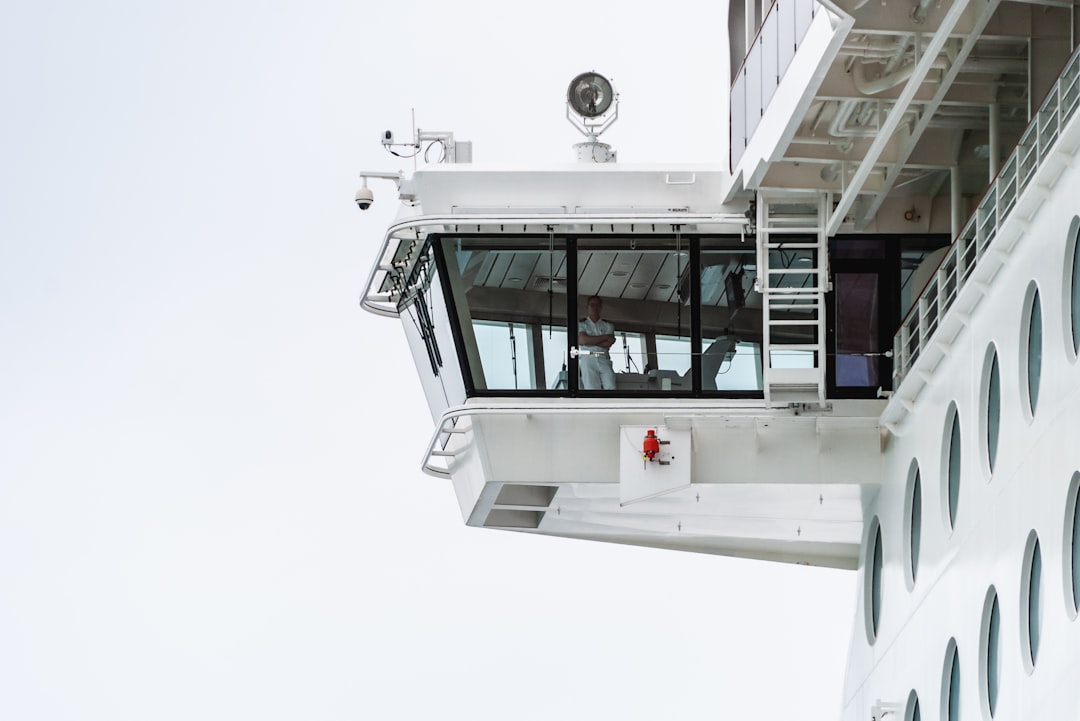
Managing a floating city with thousands of crew members and millions of guests is, quite honestly, a logistical puzzle that makes most land-based hospitality look simple. You have to balance the human side of the equation—the physical and mental well-being of the staff—against the cold, hard reality of operational efficiency. It’s not just about hiring people anymore; it’s about using biometric stress sensors to track physiological markers, identifying fatigue before it ever becomes a safety issue on the bridge or in the galley. This is a massive shift from traditional management, and it’s being bolstered by tech like real-time translation software that bridges the gap between over 60 native languages. When you’re dealing with a crew representing more than 100 nationalities, clearing those communication hurdles is the only way to keep the ship running in lockstep.
The way they handle the day-to-day grind is just as fascinating, especially when you look at the staffing density. With a ratio of roughly one crew member for every two or three guests, you can't rely on static schedules anymore. Instead, companies are using complex shift algorithms that dynamically move cabin stewards and food service staff to high-demand areas based on real-time guest behavior. It’s a smart, data-driven move that’s cut labor waste by nearly fifteen percent while keeping service levels high. To make sure the staff stays sharp, they’re even using AI-driven cultural competency simulations to prepare them for the social nuances of a global passenger base. It’s all about maintaining a standard of service that feels effortless for us, even though it’s being orchestrated by some of the most sophisticated scheduling software on the planet.
But I think the most important change is how they’re addressing the isolation of being at sea for months at a time. They’ve moved way past the old-school approach, installing circadian-rhythm lighting in crew quarters to help regulate sleep and using VR suites so people can actually "attend" family events back home. They’ve even decentralized digital health records, which lets medical officers spot wellness trends across the entire fleet before a minor issue becomes a widespread problem. On top of that, there’s a new push for cross-training, where crew members earn safety certifications that are finally recognized by land-based organizations, giving them a real career path beyond the ship. When you add in dedicated community managers tasked with keeping a diverse, transient city feeling like a cohesive team, you start to see that the real secret to a successful cruise isn't the amenities—it’s the infrastructure they’ve built to keep the people on board healthy, stable, and ready to work.
Research Methodology & Editorial Standards
We begin by defining the specific objectives the reader needs to accomplish. Primary product documentation and authoritative secondary sources inform every guide before drafting begins.
Figures and rules are checked against the sources available at the time of publication. Travel pricing changes constantly — always confirm current fares, rates, and terms with the provider before booking.