
Inside the final flights of Spirit Airlines jets heading to the desert boneyard
Before these jets ever touch down at the boneyard, their potable water systems undergo a rigorous flushing with biocides to stop Legionella from blooming in the desert heat.
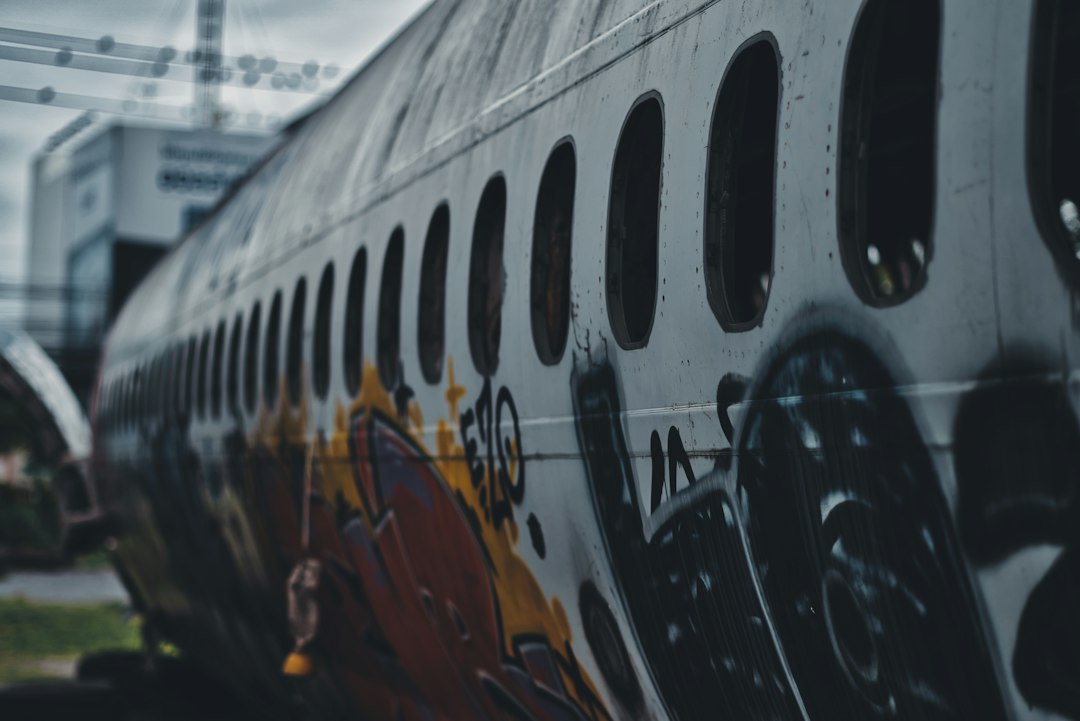
The Final Journey: Understanding the Retirement of the Yellow Fleet
When we talk about the end of the line for an aircraft, it is easy to just picture a plane sitting in the sun, but the reality is much more of a mechanical swan song. I have spent years looking at these transitions, and the retirement process for the Yellow Fleet is essentially a masterclass in preservation engineering. Before these jets ever touch down at the boneyard, their potable water systems undergo a rigorous flushing with biocides to stop Legionella from blooming in the desert heat. Then, engineers swap out the standard jet fuel for a corrosion-inhibiting cocktail that keeps the tanks from oxidizing while the plane sits grounded indefinitely. It is a strange, quiet kind of surgery that happens before the engines ever truly go cold.
And it goes deeper than just fluids; the avionics suites are stripped of proprietary data modules to meet strict security standards, which is something many folks never think about when they look at a parked plane. Once they arrive, each airframe is weighed with incredible precision to set a baseline for storage jacks, ensuring the structure does not warp from sitting unevenly over the years. You have probably seen those white, sun-reflective coatings on grounded jets, and that is not just paint—it is a specialized sunblock meant to save the composite control surfaces from being baked by the desert UV rays. Technicians also use a unique serialization process to track every single part, which keeps the pedigree of these harvested components clean and ready for the active fleet.
But here is where things get really technical: crews depressurize all the hydraulic accumulators to make sure the seals do not pop when the desert temperatures swing wildly from day to night. They seal every pitot tube and sensor port with custom covers to keep sand and critters out, because you do not want a nest inside your airspeed sensors when you eventually pull these parts for service. The engines get these breathable, moisture-wicking shrouds that let the metal expand without letting birds move in, and the batteries are pulled entirely to be stored in climate-controlled rooms to avoid fire risks. Finally, they extend the landing gear to its full length and slather it in heavy-duty grease to fight off the dust. It is a massive, final log of the flight cycle count that gets tucked away in a digital vault, marking the official end of that plane's active life while keeping its history alive for whenever someone might need to dig into that data later.
Meet the Ferry Pilots Tasked with the Desert Delivery
Let’s talk about the people actually flying these jets into their final resting place, because it’s a totally different world from your average commercial commute. When you strip a plane of its passengers, cargo, and standard operating weight, the center of gravity shifts drastically toward the tail, making the aircraft feel twitchy and light in the air. These ferry pilots have to adjust their Vref speeds—often by 20 to 30 knots lower than what you’d see on a typical flight—just to keep from tearing up the tires during landing. It’s a delicate balancing act that requires a level of focus most of us don’t have to worry about when we’re just trying to grab a ginger ale in row 12.
The FAA keeps these flights on a very short leash, issuing specific permits that often bar them from flying through cloud cover to avoid icing risks on systems that might no longer be fully pressurized. Because the cabin environment is often partially deactivated, these pilots sometimes have to keep oxygen masks at the ready just in case of a weather diversion. They’re also flying at non-standard altitudes to save fuel, which means they’re constantly jockeying with air traffic control for empty flight levels. And because the cockpit interfaces have been stripped of non-essential warnings, they’re often leaning on backup analog gauges to keep tabs on the engines, a bit like driving a classic car with only the most basic sensors.
The work doesn't stop once they’ve touched down, either. After landing, these crews go through a unique engine run-down procedure to trap lubrication in the bearings, which is a massive help for anyone looking to pull those parts for a future plane. They also have to file a detailed squawk sheet detailing every vibration or electrical hiccup they felt during the trip, which acts as a roadmap for which parts get a second life and which ones get scrapped. They even have to dodge major hubs to steer clear of wake turbulence from heavy jets, which could easily toss a lightened, empty aircraft around like a toy. It’s a quiet, high-stakes final ride that requires a specific kind of finesse you just don’t see on a standard commercial schedule.
The Logistics of Repossession: From Commercial Service to Storage
When we look at the mechanics of pulling an aircraft from active service, it isn’t just about the flight path; it’s a high-stakes transition that begins with a mountain of legal paperwork. Before a single pilot even climbs into the cockpit, you’ve got teams filing UCC-1 forms across international registries to make sure there aren't any conflicting ownership claims while the jet is in transit. It’s honestly fascinating how they track these planes, often using discrete GPS transponders that run completely independently of the primary avionics, just so they don’t lose sight of the asset if the main battery gets pulled. Every step is calculated, right down to the insurance premiums, which are crunched through dynamic risk algorithms that factor in the political climate of where the plane is sitting.
Then there is the logistical headache of the recovery itself, where crews have to perform a massive logbook audit before the plane moves an inch. They’re notarizing everything, even minor cabin wear, just to keep the creditor safe from potential liability claims later on. It’s a bit like a real estate inspection, but with engines worth millions and serial numbers that have to be cross-referenced against global blacklists to make sure no illicit parts were swapped in during those last months of operation. Once they’re cleared, these planes are re-registered under ferry permits that restrict them to the most direct routes, mostly to keep the risk of mechanical issues in the air as low as possible.
When they finally touch down at the storage facility, the work shifts from recovery to environmental and record-keeping precision. You’d be surprised to learn that these sites have to install complex oil-water separators in their drainage systems, all to make sure residual fluids don’t contaminate the desert soil. The maintenance records—the real heart of the plane’s value—are transferred through encrypted packets to ensure nobody messes with the flight cycle logs that essentially dictate the engine core's price tag. Advanced teams are even using time-weighted depreciation models to decide on the fly whether it’s cheaper to store the whole airframe or just dismantle it right there on the apron. It’s a cold, analytical process, but it’s the only way to squeeze the remaining value out of a machine that’s finally finished its run.
Inside the Boneyard: Where Spirit’s Aircraft Go to Rest
When you see those photos of the yellow-tailed Spirit jets lined up in the Arizona desert, it’s easy to assume they’re just sitting there, but the reality is a constant, high-tech battle against the elements. The dry heat is great for slowing down metal oxidation, but it’s a nightmare for rubber seals and delicate electronics. To keep these assets from turning into scrap metal, crews have to be incredibly surgical. They’re busy wrapping cockpit windows in thermal-reflective tape to stop the interior from cooking, and they’re even using desiccant bags inside the cabin to fight off any rogue moisture. Think of it as a long-term science project where one mistake could cost millions in damaged avionics or rotted fuel lines.
It’s not just about keeping the sun out, either; it’s about managing the environment from the inside out. Since the planes are powered down, the team actually runs a strict schedule with portable ground power carts to keep the onboard computers from losing their memory. They’re also cycling a specific preservative-heavy fuel blend through the lines every ninety days to make sure the seals don’t shrink and crack in the desert air. Even the ground beneath the wheels is treated with magnesium chloride to stop dust from clogging up the tiny, microscopic cooling holes inside the turbine blades. If that dust gets into the engines, the value of those parts plummets, so it’s a constant, day-to-day effort to lock out the environment.
Then there’s the physical protection of the airframe itself, which is honestly more involved than you’d think. Crews install custom-made aluminum brackets on the flight control surfaces to make sure the desert winds don’t cause any structural flutter damage. They’re also using ultraviolet-resistant wraps on all the static ports to keep insects and silt from nesting in the sensors. Every few months, they’ll even run laser-alignment checks on the fuselage to make sure the weight of the aircraft isn’t causing the frame to shift while it sits on the arid ground. It really puts into perspective how much work goes into holding a plane in "limbo" before it's either picked for parts or scrapped entirely.
The Human Side: Why These Final Flights Are Emotional for Crew
When we talk about the end of the line for these jets, we often focus on the mechanics of storage, but there is a profound human element that gets lost in the technical manuals. Ferry pilots often experience what researchers call the final flight effect, where the quiet, empty cabin triggers a visceral shift in their professional identity. It is honestly striking how much this mirrors the emotional weight seen in other high-stakes journeys, like the recent Artemis missions, where astronauts grappled with the sheer scale and finality of their departures. For these pilots, it is not just moving an asset; it is saying goodbye to a machine that has become an extension of their own workspace, complete with the unique control surface biases and quirks they have learned to anticipate over thousands of hours.
You have to imagine what that cockpit feels like when it is stripped of its usual rhythm. Without the constant chatter of cabin crew or the ambient hum of passengers, the acoustic environment changes entirely, forcing pilots to notice every mechanical click as the metal starts to cool in the desert air. Physiological data suggests that their heart rate variability actually spikes during that final approach, a measurable sign of the stress that comes from knowing you are the last person to ever actively command this specific flight deck. It is a lonely, high-pressure moment that forces a person to confront the reality that an aircraft they have spent years mastering is about to become a static, decommissioned shell.
There is a real, tangible sense of mourning that surfaces during these final transits. Many pilots develop a ritualistic attachment to their tail numbers, often leaving small tokens behind or performing a symbolic final walk-around that feels like a quiet salute to a long-time partner. This isn't just sentiment; it is a documented human response to the loss of a complex interface they have spent years operating. Even when the logistics are perfectly planned, that final handover to the storage team—where the pilot is responsible for verifying the shutdown state without the usual ground support—cements the emotional impact. It is a stark reminder that while we look at these jets as numbers in a fleet, the people behind the controls see them as a living history, each with a story that ends the moment those logbooks are archived.
Market Shifts: How Spirit’s Shrinking Fleet Is Reshaping Air Travel
When we look at what’s happening with Spirit’s shrinking footprint, it’s easy to focus on the headlines about bankruptcy, but the real story is how this massive contraction is fundamentally changing the way you’ll fly. By aggressively pulling their fleet size down to fewer than eighty aircraft, they’ve essentially traded their old growth-at-any-cost strategy for a survival-first model that hits your travel plans where it hurts—specifically on those high-frequency, low-margin routes that used to make spontaneous getaways so affordable. It’s a jarring shift for anyone used to the airline’s rapid expansion, and we’re already seeing the fallout with over a thousand flights wiped off the schedule as they scramble to prioritize profitability over simple market presence.
Think about it this way: for years, the industry operated on a model of aggressive scale, but Spirit is now forced to be surgical about where they place their remaining jets. They’re dumping those international segments that required specialized training and inventory, choosing instead to focus on core hubs where they can actually keep costs per seat under control. This isn't just about shuffling planes; it’s a total rewrite of their scheduling logic, moving away from a national footprint to a much tighter, more rigid network design. If you’ve noticed your usual direct flight has suddenly vanished, you’re seeing the direct consequence of this pivot to route density.
But there’s a surprising silver lining hidden in this mess that I think is worth noting. Because they’ve ditched those older, fuel-guzzling airframes, the fleet that remains is actually more efficient and, honestly, a bit more reliable. Data from this year shows that with fewer balls to juggle, their on-time performance is actually ticking upward, which is a rare win for a carrier in this kind of distress. It’s definitely a leaner, smaller version of the airline we knew, but for those of us who just want to make it to our destination without a mechanical delay, this shift toward a more sustainable, profit-first operation might just make the remaining flights a bit more predictable.
Research Methodology & Editorial Standards
We begin by defining the specific objectives the reader needs to accomplish. Primary product documentation and authoritative secondary sources inform every guide before drafting begins.
Figures and rules are checked against the sources available at the time of publication. Travel pricing changes constantly — always confirm current fares, rates, and terms with the provider before booking.