
How to Use TSA Touchless ID to Speed Through Airport Security
If you’ve ever found yourself shuffling through a security line while fumbling for your driver’s license and boarding pass, you know exactly how draining that pre-flight dance can be.
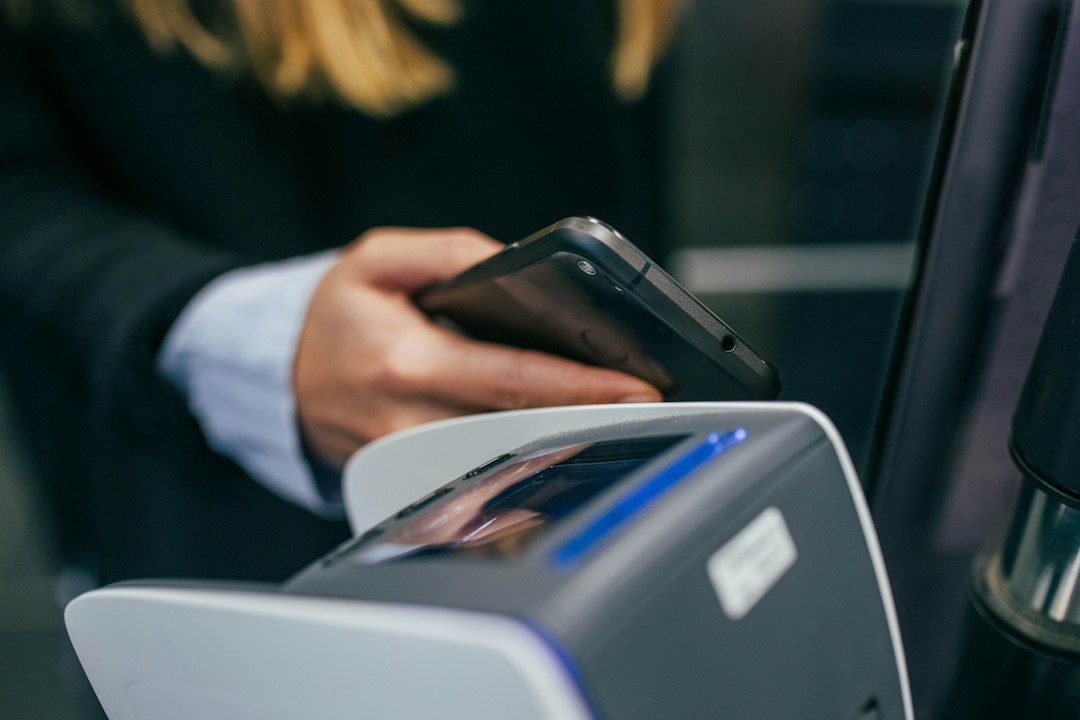
Understanding TSA PreCheck Touchless ID: How the Technology Works
If you’ve ever found yourself shuffling through a security line while fumbling for your driver’s license and boarding pass, you know exactly how draining that pre-flight dance can be. That’s where the TSA PreCheck Touchless ID comes in, and honestly, it’s a fascinating piece of engineering that turns a clunky manual process into something almost seamless. At its core, the system relies on high-speed biometric matching algorithms that compare a live image of your face against a high-resolution digital photo already stored in a secure federal database. It’s a one-to-one verification, meaning the computer is essentially just confirming that you are, in fact, the person who signed up for the program. Think of it as a digital handshake between your face and the TSA’s Secure Flight system, handled entirely through encrypted, ephemeral data packets that vanish the moment you’re cleared.
The real brilliance here is how the tech handles the chaos of an airport environment. These kiosks aren't just taking a standard snapshot; they use specialized cameras and infrared sensors to map stable anthropometric landmarks—like the distance between your eyes or the structure of your nose bridge—which remain consistent even if you’re wearing glasses, a hat, or sporting a new beard. Plus, the system includes clever liveness detection that analyzes things like skin reflectivity to make sure you’re a real, three-dimensional person and not just a photograph held up to a lens. Because the hardware uses wide-angle lens arrays and automated height tracking, it can capture these details without you ever needing to stop, break your stride, or physically touch a screen.
It’s easy to be skeptical about where that data goes, but from a technical standpoint, the architecture is quite rigid. The units operate on a closed-network, physically isolated from the public internet, and the system is designed to purge your temporary facial template immediately after the verification is complete. While some travelers might still prefer the old-fashioned plastic card, the trade-off is a massive reduction in checkpoint latency; we’re talking about identity verification that happens in under 30 seconds. It’s not just about speed, though—it’s about replacing the variability of human inspection with a consistent, machine-learning model that processes thousands of biometric points in milliseconds. It’s a pretty significant leap from the days of squinting at a laminated ID, and once you’ve breezed through a lane like that, it’s hard to go back to the old way.
Step-by-Step: How to Enroll in TSA Touchless ID
If you're tired of the frantic search for your plastic ID at the security checkpoint, you're going to love how streamlined the enrollment for Touchless ID has become. To get started, you’ll primarily use a mobile app that leverages your phone’s near-field communication to verify your passport or enhanced state-issued ID. The process effectively anchors your biometric signature to your Known Traveler Number, which is why it’s so critical to ensure that number is correctly tied to your profile during setup. Think of this as creating a secure digital bridge between your physical document and the federal database, all without ever needing to upload a permanent photo of yourself.
The magic happens when the system reads the embedded RFID chip in your passport to confirm its digital signature, ensuring the document is authentic and untampered. Once you've opted in, this association stays active for the lifespan of your travel document or until you decide to withdraw consent, which is honestly a massive relief for frequent flyers. Because the backend uses AES 256-bit encryption, you can rest easy knowing that your data is handled with the same security protocols you’d expect from a high-stakes banking transaction. It’s a sophisticated, one-to-one verification that makes the days of waiting for a human agent to squint at your license feel like ancient history.
And if you’re worried about privacy, here is the reality: the system doesn't store a library of your photos. Instead, it generates a mathematical feature vector—basically a string of numbers—that acts as a unique digital signature rather than a harvestable image. Even the hardware is built for precision, using liveness detection to analyze light reflection on your skin to ensure you're a real human standing there, not a spoofed image. Should the system ever encounter a glitch or a weird lighting situation where its confidence score drops, there’s an automatic fallback protocol that kicks in to prompt a manual review, so you’re never truly stuck. It’s a clean, efficient architecture that really prioritizes getting you through the terminal without the usual administrative friction.
Where to Find Touchless ID Lanes: A Guide to Participating Airports
You’re probably wondering where you can actually find these touchless lanes, and honestly, the rollout has been surprisingly aggressive, covering over 85 major domestic airports as of mid-2026. It’s not just a niche experiment anymore; the TSA is strategically prioritizing these for PreCheck passengers because the tech handles your identity and flight status in one unified, high-speed sweep. If you’re a frequent flyer, you’ve likely noticed these kiosks popping up in the busiest terminals, where they’re specifically engineered to maximize throughput by using edge computing to process your data locally rather than waiting on a distant server. It’s a massive upgrade from the old, manual bottlenecks we’ve all grown to despise.
But here’s the thing about the hardware: even though it’s designed to be seamless, availability can still fluctuate based on local staffing or whether the maintenance crew just finished a system calibration. These machines are actually pretty sophisticated, using multispectral imaging to read skin texture patterns that you can’t even see, and they’re smart enough to calibrate for weird terminal lighting automatically. You don't even have to strike a pose or stare directly into a lens; the wide-angle sensors catch your facial landmarks even if you’re looking down at your carry-on. It’s built to be invisible, which is exactly how airport security should feel in 2026.
I think the most impressive part is the backend logic, which runs an automated self-check on its encryption keys every single morning before the first traveler even walks through. With a false match rate statistically lower than one in a million, the system is objectively more accurate than a human agent squinting at a license under fluorescent lights. Plus, the recent shift toward using digital tokens from your passport data means you aren't constantly dragging your physical documents through the gauntlet just to prove who you are. It’s definitely a shift, but once you’ve experienced the speed of a touchless lane, it’s hard to justify going back to the old-school manual check.
The Benefits of Going Touchless: Why You Should Enable This Feature
You might be wondering why you should bother setting up Touchless ID when the old-school manual check seems to be working just fine, but honestly, once you experience the difference in speed and flow, it’s hard to go back. Think about that moment you’re standing in a crowded terminal, juggling a heavy bag and a boarding pass, while hoping your physical ID hasn’t slipped into some impossible-to-reach corner of your carry-on. Enabling this feature fundamentally changes that experience by replacing human-dependent bottlenecks with high-speed biometric matching that essentially does the work for you. It’s not just a fancy convenience; it’s a massive upgrade in efficiency that can save you significant time during your transit.
When you look at the underlying tech, the case for making the switch becomes even clearer. These systems are far more capable than a human agent, as they can accurately distinguish between identical twins or recognize you even if your facial structure has changed slightly since your passport was issued. The hardware uses multispectral imaging to look past surface-level features, measuring blood flow patterns and facial depth to ensure it’s really you, which actually makes the whole process more secure than relying on a visual check that’s prone to human fatigue. Plus, because the process uses edge computing to keep your data local to the kiosk, you aren’t trading your privacy for that extra bit of speed.
I know the idea of handing over your biometric data can feel a bit heavy, but it helps to realize that the system isn't storing a gallery of your photos. Instead, it breaks your face down into thousands of geometric data points that are mathematically unrecognizable to anyone else and purges the temporary template the moment your verification finishes. It’s built on a zero-trust model where every single scan is treated as a unique, isolated event, and it even has a precise fallback protocol if the lighting isn't perfect or there’s a slight obstruction. It’s honestly a smarter, more consistent way to handle airport security, and once you’ve breezed through a lane without ever digging for a card, you’ll probably wonder why we ever did it any other way.
Tips for a Seamless Experience at the Security Checkpoint
If you’re trying to squeeze every bit of efficiency out of your next trip, you’ve likely realized that the bottleneck usually happens the moment you approach the podium. I’ve found that the secret to a frictionless experience really comes down to understanding how the geometry of the lane interacts with the tech. Most travelers don't realize that these systems use specific focal length calibration to capture your face even if you’re lugging a massive carry-on that would usually block a standard camera. By keeping your pace steady and not stopping to adjust your posture, you actually allow the sensors—which are tuned for wide-angle acquisition—to lock onto your features from a much broader range of heights. It’s honestly better to keep moving than to pause and "pose" for the machine, as the liveness detection is already mapping those tiny, involuntary facial micro-movements to verify you’re a real person in real-time.
The backend is doing some heavy lifting here that we often overlook, too. Because the kiosks utilize edge-computing, the data analysis happens right there on the unit rather than waiting for a round-trip to a remote server, which is why the verification often feels instantaneous. Think of it as a localized, high-speed handshake that doesn't rely on the public internet, meaning you aren't waiting on network jitter to get the green light. I’ve noticed that if you’re worried about lighting, these sensors are specifically designed to adjust for the aggressive glare you get in glass-heavy terminals, so you really don't need to stress about finding the perfect angle or shielding your face from overhead lights. They’ve essentially built these to be "set it and forget it" for the traveler.
One final thought on the mechanics: the system indexes your verification using your Known Traveler Number, so ensuring that’s correctly tied to your profile before you even reach the airport is the single most effective way to prevent a lag. Because it’s generating a transient, non-reusable token for every scan, the security architecture is actually more robust than older methods that relied on human judgment. Even if you’ve had a long day and look a bit different than your passport photo, the multispectral analysis is looking at blood flow patterns and facial depth rather than just surface-level features, meaning you’ll sail through as long as you keep your stride. It’s a bit of a shift in mindset, but trusting that the hardware is working on your side makes the whole process feel much less like a gauntlet and more like a simple, automated step in your day.
Important Considerations and Limitations for Frequent Travelers
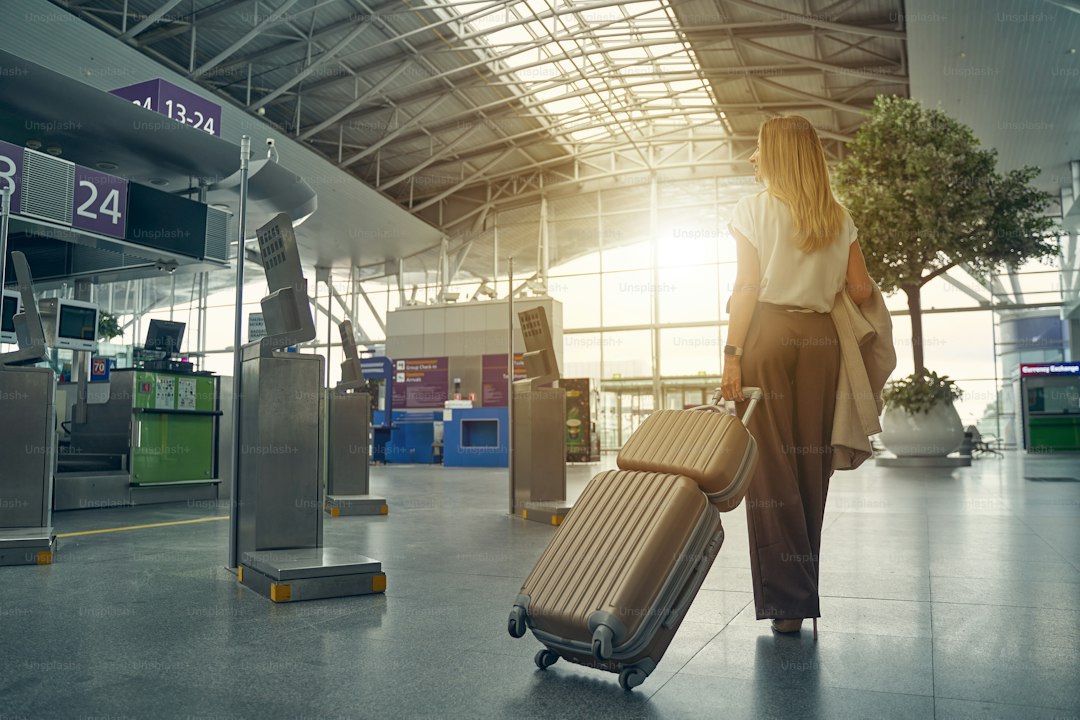
Frequent travelers should be aware that biometric data consistency can be impacted by sudden fluctuations in blood pressure, which may temporarily alter superficial vascular patterns detected by multispectral sensors. While the technology is advanced, certain dermatological conditions or cosmetic procedures that significantly alter facial topography may occasionally trigger a false-negative confidence score. International travel remains complex because TSA Touchless ID is currently optimized for domestic transit, meaning travelers crossing borders must still carry physical documentation for secondary international verification protocols. Frequent flyers dealing with chronic medical conditions should note that certain systemic medications can sometimes affect skin hydration levels, potentially influencing the accuracy of liveness detection sensors. Travelers must ensure their legal name on file with the TSA matches their booking exactly, as any discrepancies in character string matching can cause the automated system to default to a manual review lane.
Although the system is highly secure, using a VPN or certain privacy-hardened mobile devices during the initial enrollment phase can sometimes interfere with the secure handshake required for verifying government-issued credentials. Travelers should keep in mind that high-altitude travel can cause mild, temporary facial puffiness due to cabin pressure, which, while usually handled by the system's geometric algorithms, can occasionally increase the time required for a successful biometric lock. It is critical for travelers to remember that the digital signature generated during enrollment is cryptographically linked to the specific passport or ID used, so renewing a document requires an immediate re-enrollment process to update the federal database. Frequent travelers using smart devices for enrollment should ensure their phone’s NFC firmware is fully updated, as outdated security patches can cause handshake failures during the initial digital passport authentication.
There is a documented, though statistically rare, phenomenon where extreme peripheral lighting in certain airport architectures can create lens flare that momentarily confuses wide-angle acquisition sensors, requiring a slight lateral shift in the traveler's position to resolve. While the system is designed for speed, travelers carrying large, metallic objects or specific high-density materials close to their body may occasionally interfere with the localized edge-computing sensors, causing a momentary pause in the verification flow. Finally, travelers should be aware that the system’s reliance on mathematical feature vectors means that significant facial trauma or reconstructive surgery could require an in-person update to their biometric profile at a TSA enrollment center to ensure continued recognition. It's a lot to keep in mind, but knowing these potential quirks helps you navigate the checkpoint without that sinking feeling of being stopped when you're already behind schedule.
Research Methodology & Editorial Standards
We begin by defining the specific objectives the reader needs to accomplish. Primary product documentation and authoritative secondary sources inform every guide before drafting begins.
Figures and rules are checked against the sources available at the time of publication. Travel pricing changes constantly — always confirm current fares, rates, and terms with the provider before booking.