
How to Use DNA Genealogy to Trace Your Ancestry While Traveling
Think about the physical reality of traveling with these kits, too.

Choosing the Right DNA Kit for Your Global Ancestry Journey
Before you start pinning locations on a map for your heritage trip, you really need to look at how these DNA kits actually stack up against each other. It’s not just about picking the cheapest box on sale; you’re looking for a tool that can handle the nuance of your specific family history. Most autosomal tests scan over 700,000 markers across your genome, but the real magic is in the reference panels they use to interpret that data. If your roots are in an underrepresented region, some of the big-name kits might leave you with broad, unhelpful estimates because their databases are heavily skewed toward European populations. I’d suggest looking for a provider with a truly global focus, especially if you’re hoping those results might eventually help with a citizenship by descent application.
Think about the physical reality of traveling with these kits, too. You aren't just dealing with a swab; you're dealing with a biological sample that needs to survive a trip in your carry-on or a stint in a hotel room before it hits the mail. Some brands use better, medical-grade buffers in their collection tubes, which is a lifesaver if you can’t get to a post office for a few weeks. Also, pay attention to the fine print on privacy, because you’re essentially handing over the keys to your biological identity. You want to be sure you know whether your data is sitting in a vault or if it’s accessible to third parties without a warrant. It’s a bit of extra homework, but knowing where your data lives is just as important as knowing what it says.
Finally, keep in mind that these results are not static snapshots but living data. As companies expand their reference panels, you might log in a year from now and see your ethnicity percentages shift slightly as the science gets more precise. If you're looking for something specific, like tracing a direct paternal line, you might find that a basic autosomal test isn't enough and that you need a Y-DNA or mitochondrial test to go back thousands of years. It’s a balancing act between the breadth of the database, the quality of the tech—like the latest phasing tools that separate your maternal and paternal strands—and your own personal comfort with the company's policies. Pick the kit that matches your specific curiosity, not just the one with the most aggressive marketing budget.
How to Research Your Family History Before You Book Your Trip
Before you start booking flights or scouting hotels, let’s talk about the legwork that actually transforms a vacation into a true heritage pilgrimage. It is easy to rely solely on the big genealogy websites, but those massive databases often miss the local, granular reality of your family’s history. Think about it this way: if you are looking for where your great-grandfather actually lived, broad search engines might leave you stranded at the regional level, whereas local land tax records or town council minutes can point you to the exact plot of land or parish they once called home. I always recommend digging into digital archives for naturalization papers first because they frequently hold original photographs or physical descriptions that give you a face to connect with before you even pack your bags.
But here is where things get interesting and a little more hands-on. Many smaller, regional archives across Europe haven't uploaded their collections to the big platforms, meaning a lot of the best stories are still sitting in dusty town halls or church basements waiting for someone to show up. If you are tracking immigration, don't just look at the arrival port records; search for manifest lists in the country of departure, as these often contain extra details that help you piece together the socioeconomic status of your ancestors. I’ve found that cross-referencing oral histories from living relatives with ship manifest data can reveal surprising details about cabin classes or traveling companions that you would never find on a standardized form. It’s also worth checking military pension records and historical newspapers, which provide a much richer, lived-in context of what their daily life actually looked like.
One final piece of advice before you finalize your itinerary: verify the historical border changes of the region you are visiting. It’s a common trap to assume that because a town is in a specific country today, all the records for that family are in the same national archive. In reality, parish boundaries shifted constantly due to political flux, so you might need to check records in three different regional archives just to track one family move. If you hit a wall, reach out to local historical societies or specialized ancestral tourism offices in your destination; these folks are usually happy to help if you’ve already done your preliminary homework. It takes time, sure, but finding that specific record of a land dispute or a guild membership in a non-digitized archive is the kind of discovery that makes the entire trip feel like a journey home.
Visiting Your Ancestral Homeland: Connecting DNA Results to Local Records
When you land in a place that’s been nothing but a name on a pedigree chart, the real work often begins where the internet ends. I’ve found that while your DNA results give you the coordinates, they don’t actually hand you the map to your great-grandfather’s front door. It’s tempting to treat those ethnicity percentages as gospel, but think about it this way: your DNA is just the starting point for a detective story that requires local, on-the-ground intelligence. You might have a marker pointing you toward a specific region in West Africa or a remote Italian village, but that’s only half the battle. The magic happens when you cross-reference those genetic findings with local, non-digitized records like guild memberships or probate files that haven't made it to the big global databases yet.
Honestly, the most rewarding part of this process is realizing how much is still hidden in plain sight. In places like Benin or Guinea, there’s a growing movement of dedicated genealogy centers designed specifically to help travelers bridge the gap between their genetic data and living, breathing family history. Italy is doing something similar, with state-sponsored programs that pair you with professionals who can navigate the parish records that just don't show up on a standard search. You’ll often find that these local experts can help you bypass the generic, colonial-era labels on ship manifests that might have led you astray in the first place. It’s also vital to remember that historical borders were messy, so don't be surprised if your DNA match points you toward a village that technically sat in a different country fifty years ago.
If you’re feeling a bit stuck, try looking for local university studies on Y-DNA or mitochondrial lineages in the area you’re visiting. These niche research projects often hold the key to identifying specific clans or family lines that go way beyond what a commercial kit can tell you. I’ve seen people use their genetic haplogroups to gain access to restricted archives that are otherwise off-limits to the general public, effectively reclaiming history that had been buried for centuries. Just keep in mind that you might stumble upon an unexpected family secret—a misattributed parentage event from generations back can make your paper trail suddenly look like a dead end. But really, that’s just part of the journey; it’s about rolling with the discrepancies and letting the local records fill in the blanks that the science can't explain on its own.
Navigating International Archives and Genealogical Societies Abroad
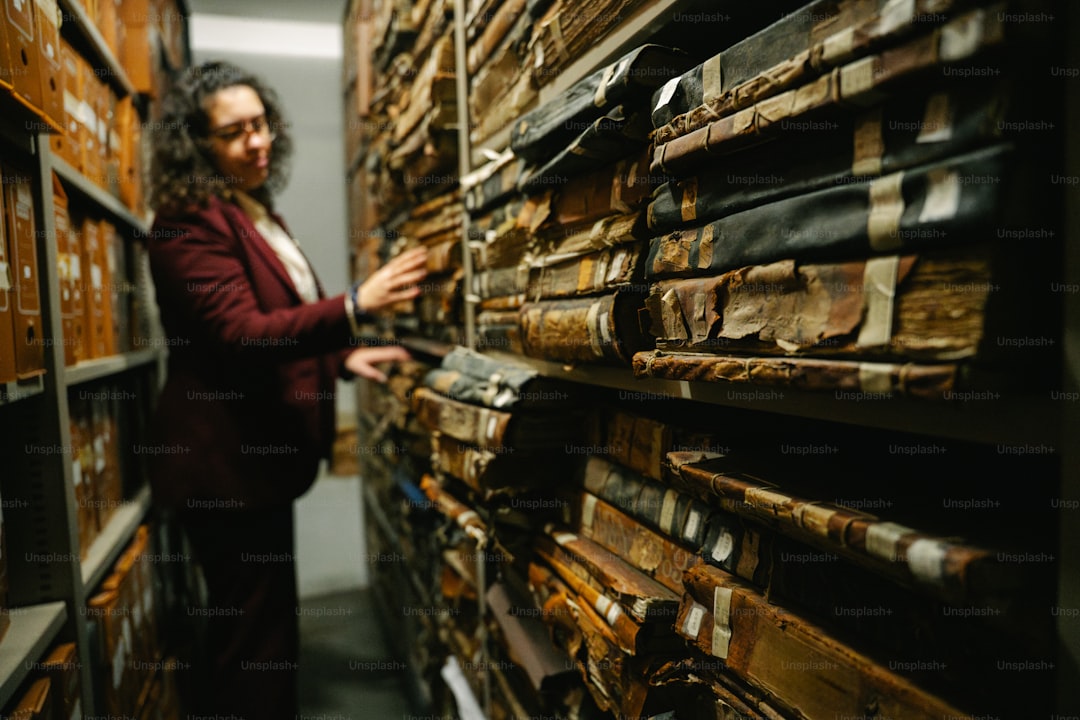
Stepping into an international archive is a bit like entering a labyrinth where the rules change every time you cross a border. You might think your online search skills are enough, but the reality is that many of the most meaningful records are still locked behind physical doors or complex local regulations. For instance, if you’re planning to visit the Vatican Apostolic Archive, you’ll need more than just curiosity; you’ll need a formal letter of introduction and a clearly defined research project to even get a permit. It’s a stark contrast to the more open, albeit highly specialized, access found in places like Scandinavia, where local genealogical societies have spent years meticulously indexing ministerialbooks that reach back to the 17th century. I’ve found that you really have to do your homework on the local bureaucracy before you ever step foot on a plane.
If you’re hunting for ancestors in countries like Germany or Spain, the challenge often becomes linguistic rather than just logistical. Many German records use the Sütterlin script, which is practically a different language to the untrained eye, so you’ll likely need to hire a local expert just to make sense of what you’re looking at. Similarly, navigating the General Archive of the Indies in Seville means wrestling with archaic Spanish administrative terms that haven’t been used for centuries. It’s not just about reading; it’s about understanding the legal framework of the time. In France, for example, you have to be ready to navigate strict privacy laws that guard records less than a century old, which can be frustrating if you’re trying to build a bridge to a living relative.
The most successful researchers I know don’t just show up and hope for the best; they map out the specific archive structure long before they leave home. Think about the Netherlands, where the Bevolkingsregister acts as a continuous, incredibly precise log of family movement, or South Africa, where the Master of the High Court’s probate files often tell a much clearer story than any census ever could. And don’t get me started on the complexity of Eastern European records, where you might have to check both religious and municipal offices just to confirm a single date because of how often borders and regimes shifted. It’s messy, it’s time-consuming, and honestly, it’s a bit of a headache. But when you finally find that one document—maybe a land record in an Irish Tithe Applotment Book that replaces a missing census—it makes every hour spent in a dusty reading room feel completely worth it.
Ethical Considerations and Privacy When Exploring Heritage Overseas
When you’re digging into your past overseas, it’s easy to get swept up in the thrill of the hunt, but we really need to pause and talk about the heavy ethical weight that comes with this kind of research. It isn't just about finding a name on a page; you’re stepping into jurisdictions where laws regarding sovereignty and data protection might be completely different from what you’re used to back home. For instance, while you might think of your findings as personal property, many countries view ancestral records as state secrets, and some even have strict moratoriums on how genetic data can be handled. You’ve got to be careful, because what seems like simple genealogy can quickly run afoul of local ethics if you aren't paying attention to the legal status of the archives you’re using.
Think about it this way: digital tools and metaverse reconstructions are cool, but they often collect way more behavioral and biometric data than a dusty old church basement ever would. You’re leaving a digital footprint that is often less regulated than physical records, and that’s a massive privacy risk if you aren't vetting the platforms you use to store or share your family tree. Plus, there’s the issue of cultural appropriation; in many regions, local communities hold traditional knowledge rights that actually trump our western ideas of intellectual property. If you’re just snapping photos of ministerial books or uploading genetic data without checking the local disclosure agreements, you might be accidentally violating the rights of the very people you’re trying to connect with.
Honestly, the smartest move is to treat your heritage trip like a diplomatic mission rather than just a sightseeing tour. Always verify whether a local genealogical center or archive has proper ethical oversight, and be prepared for the fact that some records—especially those concerning sensitive historical events or human remains—are currently being heavily restricted to protect the dignity of descendants. I’ve seen enough researchers hit legal walls because they didn't respect "right to be forgotten" protocols or data sovereignty laws, and it’s a tough lesson to learn the hard way. Stay grounded in the reality that you’re a guest in these archives; by being transparent about your research and respecting the local boundaries on data, you’ll not only protect yourself but also ensure that you’re honoring the history you’re trying to preserve.
Combining DNA Data with On-the-Ground Fieldwork in Your Ancestral Village
I really think the most fascinating part of this whole process is how your genetic blueprint acts as a high-tech compass for the physical world. When you start comparing your DNA data with local field research, you’re not just looking at percentages anymore; you’re effectively running a forensic audit of your own history. For example, in isolated mountain regions like the Caucasus or the Alps, specific Y-DNA haplogroups have stayed remarkably tied to the same valleys for over a millennium. By checking your markers against these localized clusters before you even pack your bags, you can often pinpoint the exact village you need to visit. It’s wild to think that your biology can predict your ancestral geography with that kind of precision.
But here is where you have to be careful with the numbers. If your family hails from regions with high rates of endogamy—think remote island populations or certain tight-knit communities—your DNA matches might look a lot closer than they actually are due to something called pedigree collapse. I’ve seen people get tripped up by this, assuming they’ve found a direct ancestor when they’re actually just seeing the result of a small gene pool. That’s why I always recommend using DNA painting tools on the ground. By visualizing which segments of your genome match local residents, you can often narrow your hunt down to a specific neighborhood or district, turning a vague regional search into a targeted mission.
Honestly, the real payoff happens when you stop viewing your genetic data in isolation and start layering it over the local, physical records that don't exist anywhere on the internet. In places like Scandinavia, for instance, parish registers are so incredibly detailed they even note physical traits like hair color, which you can cross-reference with modern phenotype-predicting DNA markers to confirm an identity. Or consider the Mediterranean, where old land ownership and tithe records often follow the same patriarchal lineage clusters as your Y-chromosome markers. When you find a document in a local archive that perfectly aligns with a genetic anchor point you’ve identified through triangulation with a local resident, you aren't just reading history—you’re literally holding the physical proof of your family’s place in that soil.
Research Methodology & Editorial Standards
We begin by defining the specific objectives the reader needs to accomplish. Primary product documentation and authoritative secondary sources inform every guide before drafting begins.
Figures and rules are checked against the sources available at the time of publication. Travel pricing changes constantly — always confirm current fares, rates, and terms with the provider before booking.