
How to Stay Safe During Your Next Adventure Travel Experience
If they aren’t certified, look for membership in the Adventure Travel Trade Association because those members at least commit to a formal code of conduct.
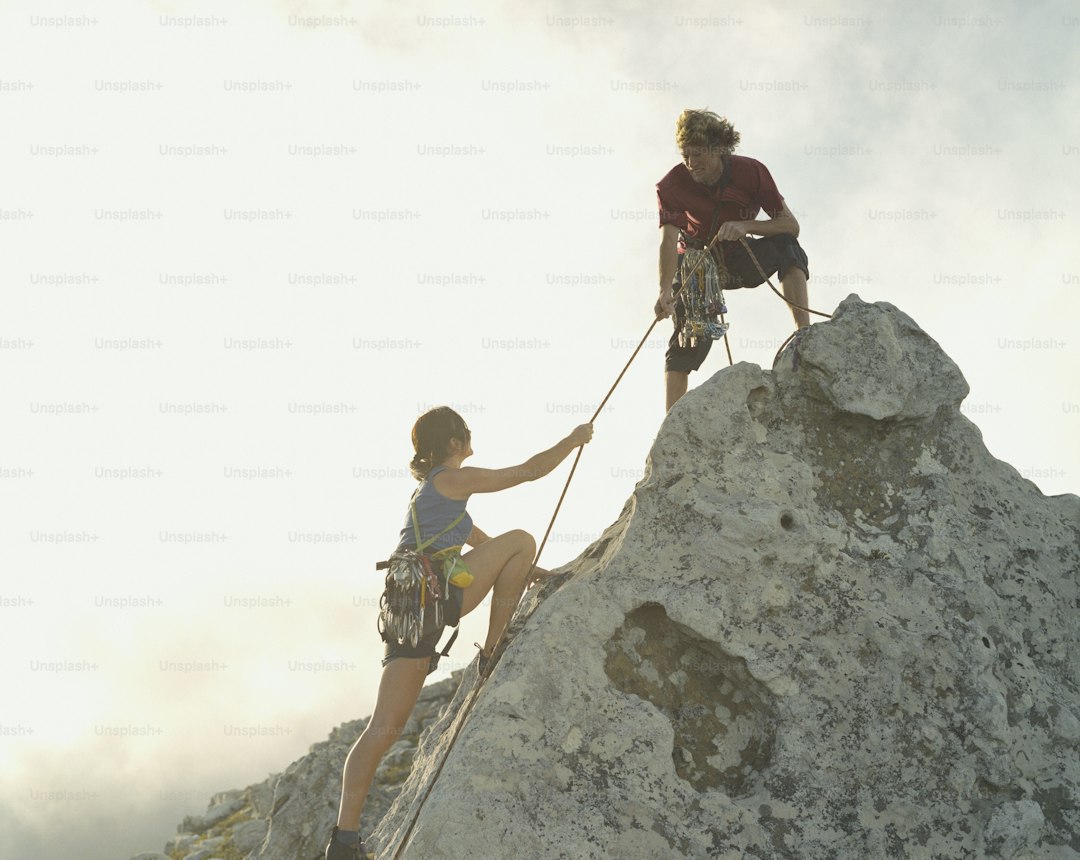
Vetting Your Adventure Operator: How to Research Safety Records and Credentials
When you’re booking that dream trip, it’s easy to get lost in the glossy photos and forget to ask the hard questions about who’s actually holding the reins. Let’s be real, most of us just assume these companies have their act together, but the reality is that the safety landscape varies wildly between operators. You should start by checking if they hold the ISO 21101 certification for safety management; it’s the gold standard, even if fewer than five percent of small-scale outfits actually bother to get it. If they aren’t certified, look for membership in the Adventure Travel Trade Association because those members at least commit to a formal code of conduct. And if you’re heading out on a technical climb, don’t just take their word for it—verify your guide’s credentials through the International Federation of Mountain Guides Associations to ensure they’ve actually completed the required rescue training.
But it’s not just about the guides; you’ve got to look at the hardware and the third-party logistics. If your trip involves any road travel, pull up the United States Department of Transportation’s SAFER system to see if the bus company they use has a history of citations. For anything on the water, cross-reference their vessel registration against the International Maritime Organization’s database to confirm they’re actually compliant with seaworthiness protocols. When it comes to gear, ask if they adhere to UIAA standards for climbing equipment or SOLAS for maritime safety, as these aren't just suggestions—they’re life-critical benchmarks. I’ve seen too many travelers skip these checks, only to find out later that the operator’s insurance was territorial and didn't even cover the remote region they were visiting.
Finally, look for the paper trail that proves they actually care about your wellbeing. Ask for a copy of their pre-trip safety briefing log; if they don’t keep one, it’s a red flag that they aren't tracking risk management in a serious way. If you’re doing something high-stakes like flight-seeing, check the FAA’s accident and incident database, and if you’re going off the grid, press them for a concrete timeline on their medical evacuation plan. Don’t just rely on star ratings on travel sites, either. Dig into the negative reviews and cross-reference them with the company’s own incident reporting to see if they’ve actually acknowledged safety lapses or if they’re just burying the truth. It might feel like extra homework, but knowing the difference between a professional operation and a shortcut is the only way to make sure your adventure stays memorable for the right reasons.
The Critical Importance of Self-Verification: Never Rely Solely on Staff for Harness Checks
I’ve seen too many travelers treat a harness check as a passive experience, almost like getting a seatbelt fastened by a flight attendant, but that mindset is exactly where the danger creeps in. You have to remember that human error accounts for over 80 percent of climbing and high-ropes accidents, and most of these happen right at the end when everyone is distracted or just rushing to get moving. It’s wild to think about, but even a professional guide can fall victim to inattentional blindness, where they see what they expect to be there—a properly fastened buckle—rather than what’s actually in front of them after they’ve checked a hundred people that day. The reality is that visual confirmation is about 40 percent less reliable than a physical tug test, which you should be performing yourself every single time. Honestly, if you aren't manually verifying that webbing has been threaded through the return path of the buckle, you're leaving your safety entirely up to someone else's cognitive fatigue.
Think about it this way: when you're out there, your own focus is your best defense against the bystander effect, which is why I always suggest a reverse partner check where you look at the guide’s gear while they look at yours. It forces a moment of mutual accountability that snaps everyone back into the present. Don't just trust a quick glance, because harness webbing can lose half its structural integrity if it’s twisted or improperly seated, a flaw that is incredibly hard to spot from a distance. Plus, dynamic shock loading during a fall can cause loose straps to migrate, meaning you need to re-verify your adjustments every time you move from resting to a weight-bearing state. Data shows that 15 percent of gear-related fatalities involved harnesses that were technically fastened at the start but simply loosened because the primary waist belt wasn't adjusted or monitored correctly during the activity.
It’s also on you to look for those little things the staff might skip, like checking for fraying or small nicks along the webbing edges that weaken the gear over time. Many buckles have a colored thread or a specific tab designed to show you that the system is locked, but you have to be the one to look for it. When you’re tired, your ability to spot these inconsistencies drops by nearly 30 percent, so you really have to be intentional about your own safety check. Look, I know it feels awkward to double-check someone who does this for a living, but that sense of confirmation bias is a real thing that even the best pros can't always avoid. It’s not about being difficult; it’s about taking ownership of your own life-critical hardware. Just make that tug test your own personal habit, and never assume that just because someone else gave you the green light, your gear is actually ready for the load.
Understanding Your Equipment: Why You Should Ask Questions Before You Leap
When you’re looking at the gear provided for your next trip, it’s easy to focus on whether it looks shiny and new, but that’s a dangerous trap to fall into. I’ve learned the hard way that manufacturing dates are far more telling than purchase dates, especially when you’re dealing with nylon or polyester webbing. These materials are essentially polymers that undergo constant, slow oxidation, meaning they have a finite lifespan—usually ten years—even if they’ve spent their entire lives sitting in a dark storage locker. You need to look closely at the stitching for any signs of fading, as discolored thread is a major red flag that the gear has been cooked by UV radiation, which fundamentally alters its structural integrity. It might feel like you’re being a bit of a nuisance by digging into these details, but honestly, checking for signs of stress corrosion cracking on metal components is just part of the job when your life is on the line.
Here’s the thing about modern high-modulus polyethylene fibers: they’re incredibly strong, but they have a surprisingly low melting point. If you’re heading out on a trip that involves rapid descents, you need to know if the gear is prone to friction-induced failure, even if it seems bulletproof on paper. I always make it a point to ask operators if they keep a log of usage hours, because a piece of equipment that has been hauled up a mountain five hundred times is in a totally different category than something brand new. You should also be asking if that gear has ever been through a shock-loading event, as the internal damage to a carabiner or pulley can be completely invisible to the naked eye while still having its rated breaking strength compromised. It’s not just about the visible wear; it’s about understanding the silent history of the metal and fiber you’re trusting with your weight.
We also have to talk about the environment, because gear that holds up in a dry climate can degrade rapidly in humid or coastal settings. I’ve seen mechanical springs and hinges fail simply because of hidden oxidation that caused a gate to stick, which is the last thing you want to find out about when you’re mid-climb. If they’re using electronic safety devices, don't just take their word that it works—ask if the firmware is up to date, as connectivity failures are surprisingly common when devices haven't been synced in a while. If the operator seems annoyed by your questions, that’s your biggest signal to look elsewhere. You’re not being difficult by asking for documentation on their last third-party inspection; you’re simply confirming that their equipment hasn't drifted outside its original safety specifications. Trust your gut, hold out for the gear that’s been properly tracked, and never settle for a "good enough" answer when it comes to your own safety.
Recognizing Red Flags: When to Walk Away from an Adventure Activity
You know that moment when you’re standing at the base of a mountain or the edge of a canyon, and something just feels off? It’s not necessarily a loud alarm bell, but a quiet, nagging sense that the people in charge aren't quite reading the room. We’ve all been there, and honestly, learning to trust that internal signal is often the difference between a great story and a genuine emergency. It’s easy to get caught up in the momentum of a trip you’ve spent months planning, but when you see a guide trapped by the consistency effect—pushing forward just because the group has already invested time and money—you need to step back. If they’re prioritizing the itinerary over the reality of the weather or the terrain, they’re ignoring the most basic rule of the outdoors: the mountain doesn't care about your schedule.
I always watch for how the crew communicates with one another, because that’s usually where the biggest problems hide. When you see a team operating in a state of hierarchical silence, where junior staff are clearly afraid to challenge a lead guide’s questionable call, you’re looking at a culture that’s practically built for failure. It’s also a major red flag if they’re showing off or cutting corners just for social validation; that’s not confidence, it’s a symptom of poor judgment that will likely escalate when things get tough. I’ve noticed that when a lead guide is constantly checking their watch or phone, they’re often suffering from time-pressure bias, which narrows their focus and makes them blind to subtle environmental shifts. You should be looking for a team that has a set turnaround time—an objective line in the sand—because if they don't have a pre-established threshold for aborting, they’re just guessing.
Finally, don't ignore the physical state of the people responsible for your safety, because even the most seasoned experts are human. If the staff looks visibly exhausted, dehydrated, or heat-stressed, their ability to process complex information during a crisis drops significantly. I’ve seen operators who skip the serious safety talk to focus only on the thrill, and that’s a clear sign they aren't taking the localized risks seriously enough. Remember, if you feel like you can’t voice a concern without being dismissed or ridiculed, the psychological safety of that operation is already broken. Walking away feels awkward in the moment, but it’s infinitely better than staying with a team that has lost its ability to think clearly under pressure.
Essential Pre-Trip Planning: Managing Risk Through Insurance and Emergency Preparedness
When you’re deep in the planning stages of an adventure, it’s easy to focus solely on the itinerary, but you really have to treat your risk management strategy with the same weight as your actual travel logistics. Standard insurance policies often feel like a safety net until you realize they frequently contain exclusion clauses for extreme sports, meaning you might be totally exposed during a climb or whitewater session unless you specifically hunt down an adventure travel rider. I always look at the fine print on medical evacuation because the costs for a helicopter lift from a remote area can easily top $100,000, a number that usually dwarfs the coverage limits of basic plans. Plus, you have to watch out for territorial maps, as many providers void your policy the second you step into a region flagged for instability, which is a detail most people miss until it’s far too late.
If you’re living with chronic health conditions, you need to be even more deliberate about securing a pre-existing condition waiver, which typically must be purchased within a narrow 14-day window after your first trip deposit. You should also consider that most travel insurance functions as secondary coverage, meaning you’re stuck waiting for your domestic provider to deny a claim before the travel policy even kicks in—a bottleneck that can stall your access to care when every hour counts. Honestly, you should verify if your insurer has direct-billing agreements with private hospitals in your destination, as this can be the difference between getting treated immediately and having to pay thousands upfront while dealing with administrative headaches. It’s also wise to keep a digital file of your blood type and medical history handy, because remote facilities often can’t pull your domestic records when the systems go down or simply don't exist.
Beyond the paperwork, you need to think about physical redundancies for when you’re literally off the grid. Since cellular networks are essentially non-existent in high-altitude or deep ocean environments, I always recommend carrying a satellite communication device with a pre-registered emergency response service, as waiting for a signal that won’t come is a mistake you only make once. You should also be skeptical of the emergency kits provided by local operators, as I’ve seen far too many organizations fail to audit the expiration dates on life-saving medications like epinephrine or advanced trauma dressings. It feels like a lot of extra work, but documenting your gear’s serial numbers and verifying the specific caps on search and rescue coverage ensures that if things do go south, you aren't left carrying the financial weight of an entire operation. Taking these steps might feel like a chore during the excitement of booking, but it’s the only way to ensure you’re actually protected when you’re standing miles away from the nearest help.
Staying Connected and Informed: Practical Safety Tools for the Modern Adventure Traveler
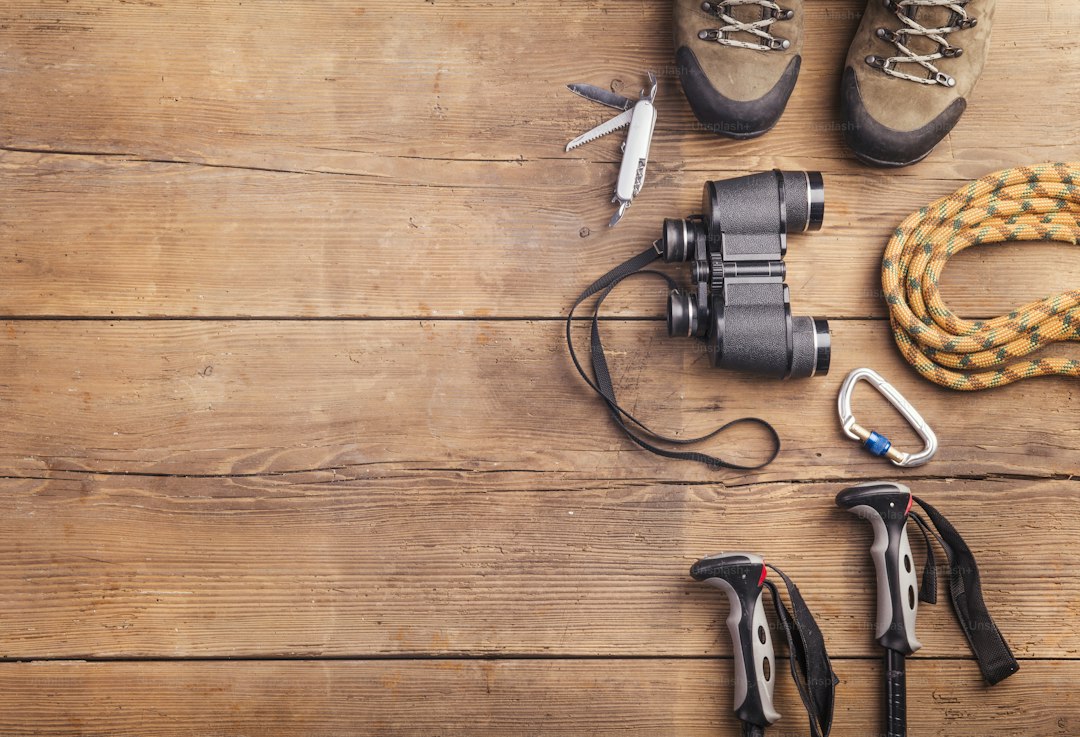
When we’re out exploring, we tend to lean heavily on our phones, but the reality is that relying on local cellular networks is often a recipe for a blackout when you need a signal most. Let’s talk about satellite communicators, which remain the only reliable tether to the outside world in truly remote areas. You should prioritize devices that tap into the Iridium constellation, as it’s the only one providing consistent global coverage, especially if your trip takes you toward polar latitudes or deep into mountain basins where regional systems simply fail to connect. Remember that these devices need a clear view of the sky; even a dense canopy can attenuate your signal enough to cause a failed transmission, so don't be afraid to move to an open ridge if an emergency arises.
When it comes to navigation, digital is great until the battery dies or your screen starts ghosting in the cold. I always recommend using vector-based topographical data for your offline maps rather than standard raster images, as they stay crisp even when you’re zoomed in on complex terrain. You’ve got to be diligent about checking those app settings before you leave home because many platforms will purge your downloaded tiles after thirty days to save space, leaving you with nothing but a blank grid when you’re miles from a tower. And please, just carry a physical compass and paper map. It’s a low-tech insurance policy against the reality that electromagnetic interference or simple hardware failure can render your phone’s digital compass useless, especially if you’re hiking near iron-rich ore deposits.
There’s also the issue of your digital footprint and device health in harsh environments. If you’re carrying power banks, it’s worth the extra weight to pack models with lithium-iron-phosphate chemistry because they don’t just handle sub-zero temperatures better, they’re also far less likely to combust if they take a hit during a scramble. Be aware that extreme cold can cause your battery to lie to you, often showing a healthy charge only to plummet to zero once the internal resistance spikes, so keep your backup power tucked inside a jacket pocket against your body. Finally, don't forget to register your travel itinerary with your home embassy’s enrollment program. It’s a simple, proactive step that ensures you’ll receive automated alerts about civil unrest or weather shifts, and keeping a printed card with your emergency contacts inside your waterproof gear case is a failsafe that works even when your phone’s face ID refuses to recognize you in the rain or dark.
Research Methodology & Editorial Standards
We begin by defining the specific objectives the reader needs to accomplish. Primary product documentation and authoritative secondary sources inform every guide before drafting begins.
Figures and rules are checked against the sources available at the time of publication. Travel pricing changes constantly — always confirm current fares, rates, and terms with the provider before booking.