
How to secure a free first class upgrade on your next Delta flight
Navigating the Delta Medallion program in 2026 feels less like a simple loyalty scheme and more like managing a complex financial portfolio.
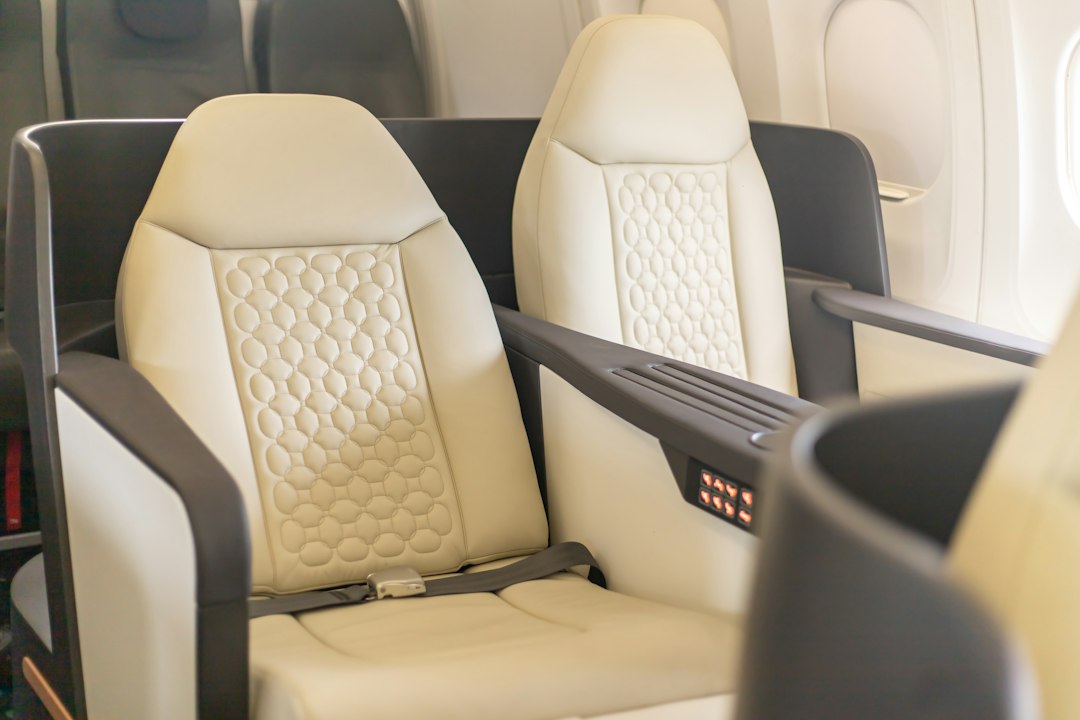
Mastering the Delta Medallion Elite Status Program
Navigating the Delta Medallion program in 2026 feels less like a simple loyalty scheme and more like managing a complex financial portfolio. If you’re trying to move the needle on your status, you’ve likely noticed that the old days of just racking up miles in the air are mostly behind us. The program has shifted toward a model where your depth of participation in their ecosystem—specifically through credit card spend and Delta Vacations—often outweighs the actual number of segments you fly. It’s a bit of a shift to wrap your head around, but once you view it as a revenue-based system, the mechanics start to make sense.
Think of the Medallion Qualification Dollars as the only currency that really matters anymore. While you can still earn these by flying, the Delta SkyMiles Reserve card now acts as a primary lever for status, allowing you to earn one dollar toward your goal for every ten dollars you charge. For those who can’t spend their way to the top, booking through partners or utilizing vacation packages offers a back-door route to rack up those totals. Just keep in mind that the system is incredibly smart; it’s designed to prioritize revenue over everything else, which is why you’ll often see paid upgrades clear even when you’re sitting at the top of the elite standby list.
If you’ve hit a rough patch, don’t forget that the Reclaim My Status program is there to help you bridge the gap during life events, though you should treat your status match opportunities like a precious resource since they’re generally a one-time deal. And while we all chase those front-cabin seats, it’s worth noting that the program’s value also bleeds into ground perks, like the Hertz President's Circle access for top-tier members. Even when the skies aren't giving you an upgrade, having a guaranteed vehicle waiting on the ground can make a massive difference in your travel flow. It’s all about looking at the total picture rather than just the seat map on your next flight.
Leveraging Delta SkyMiles American Express Credit Cards for Priority
If you’re wondering how to actually nudge that upgrade algorithm in your favor, we need to talk about the silent heavy lifting your Delta SkyMiles Reserve card is doing behind the scenes. It’s easy to look at the annual fee and just think about lounge access or free bags, but the real power of these cards is the tie-breaker advantage they provide when you’re duking it out for the same premium cabin seat. Think of it as a hidden variable in Delta’s internal ranking system; if you’re sitting at the same Medallion tier as another traveler, the airline’s reservation system pulls your credit card data to decide who gets the seat, and holding that specific card often gives you the edge.
It’s not just about ego, either, because this card-linked priority actually changes your travel experience in tangible ways. For instance, holding the Reserve card unlocks complimentary upgrades on domestic Delta One flights even when you’re flying on award tickets, a massive perk that standard elite status alone won't get you. And when things go sideways—like a massive storm or a mechanical delay—the system uses your card-linked profile to determine re-accommodation priority. Essentially, the airline sees you as a preferred customer, which can be the difference between getting home on time or spending the night in an airport hotel.
But here is where I think people miss the mark: you should look at your spending as a way to feed that algorithm. By hitting your status boost thresholds, you’re directly inflating your Medallion Qualification Dollars, which shifts your position on the standby list before you even head to the gate. I’ve found that consolidating household expenses onto the card isn't just about earning miles; it’s about signaling to Delta that you’re a high-value participant in their ecosystem, which carries weight during those high-demand periods. It’s a bit of a game, sure, but if you’re going to be loyal to one airline, you might as well make sure the math is working as hard as possible for you.
How to Utilize Complimentary Medallion Upgrade Certificates
If you’ve managed to secure Regional or Global Upgrade Certificates through your Choice Benefits, you’re holding what essentially amounts to a golden ticket, but learning to play that hand correctly is where the real work begins. Think of these instruments as an override command for the standard automated upgrade list; by applying one, you’re jumping into a separate, higher-priority queue that starts processing the moment upgrade inventory opens up. I’ve found that the best approach is to apply them the second you book your flight, as this secures your spot on that priority list months in advance, rather than hoping for a last-minute miracle at the gate. Unlike standard miles-based upgrades, these certificates often tap into different inventory buckets, which means you might snag a seat that’s otherwise invisible to a typical SkyMiles redemption request.
But here’s the catch that catches most people off guard: not all tickets are created equal. Even if you hold a shiny certificate, some ultra-low fare classes are strictly excluded, so you’ll want to double-check that your booking qualifies before you get your hopes up. It’s also worth noting that if you’re traveling with a companion, the system can be incredibly rigid; the entire reservation usually needs to meet the eligibility requirements, or you risk the whole thing stalling out. I personally tend to lean toward booking slightly higher fare classes within the main cabin when I’m planning to use an instrument, because the math simply favors those who aren’t sitting in the absolute cheapest economy bucket.
Don’t get discouraged if that "cleared" notification doesn't hit your inbox immediately, because your request stays active on the waitlist right up until departure, which is a massive advantage compared to other airlines that drop you off the list hours before takeoff. If the flight is showing empty first-class seats but you're still not clearing, it’s likely because the specific inventory designated for upgrades hasn't been released by the airline’s revenue management team. And a quick tip for the road: if your travel plans change or a flight gets canceled, don’t just assume the certificate will automatically find its way back into your account. You really need to be proactive and reach out to customer service to ensure those instruments are properly re-deposited so you don't lose them to a system glitch. It’s a bit of extra maintenance, sure, but when you finally hear that "bing" and see your seat assignment change to the front of the plane, you’ll realize it was worth every bit of the effort.
Strategic Use of SkyMiles for First Class Upgrades
When you’re looking to burn those hard-earned SkyMiles for a bit more legroom, the process is often a lot more mechanical than it looks from your seat in economy. I’ve spent way too much time staring at the Delta app, and honestly, the system is just a massive, cold algorithm that doesn't care about your loyalty as much as it cares about the flight's load factor. Think of it like a game of musical chairs where the music stops every ten minutes when the database refreshes, which is exactly why refreshing your Manage Trip page can sometimes reveal inventory that wasn't there a moment ago. The biggest trap I see people fall into is trying to upgrade a multi-segment trip, where the system checks every single leg; if one flight lacks upgrade space, it’ll often deny the whole itinerary, so I usually recommend breaking those bookings into separate pieces if you really want to force the issue.
It’s also helpful to know that when you trade miles for that seat, you’re essentially triggering a hidden request code that puts you on a special priority list for that final T-24 hour window. The system is definitely smarter than we give it credit for, as it tends to favor transcontinental flights where your miles hold more relative value, while regional hops often feel like a waste of resources. Just keep in mind that once you pull the trigger and the upgrade clears, those miles are essentially gone—they’re non-refundable, even if you have to change your plans later. You’re also stuck with the status earnings of your original economy fare, so don't expect a bump in your qualification totals just because you’re sitting further forward.
There’s this weird, almost human-like behavior in the software where it tries to resolve capacity issues by bumping people out of an oversold main cabin, which is one of the few times you might get a "free" pass if your request is already in the queue. I’ve noticed that during lulls in corporate travel, the algorithm seems to loosen its grip and let more mileage upgrades slide through, likely because it’s just trying to fill empty seats that would otherwise fly vacant. If you’re really determined to make this work, look for that secondary sweep that happens exactly four hours before departure; it’s basically the last automated gatekeeper before the agents at the airport take over the list. It’s a bit of a high-stakes dance, but when you land that upgrade without paying the full cash premium, the effort definitely feels like a win.
Understanding the Delta Upgrade Priority Hierarchy
Let’s take a step back and really break down how Delta’s upgrade hierarchy actually functions, because it’s far more than just your status tier. If you’ve ever wondered why someone with the same Medallion level as you snagged the last seat, it’s usually because of fare class, which acts as the ultimate tie-breaker in the system. The airline assigns a specific weight to each of their nineteen fare classes, meaning a traveler on a flexible Y-class ticket will almost always leapfrog a member sitting on a deeply discounted V-class fare. It’s also worth noting that the system is incredibly sensitive to your booking habits, even tracking historical cancellation patterns to prioritize passengers who consistently honor their reservations.
When you’re looking at the mechanics of the list, remember that your ticket type matters just as much as your loyalty. The algorithm is hard-coded to prioritize revenue-generating paid fares over award tickets, so even if you’re a top-tier elite, you might still find yourself behind a lower-tier member who paid cash for their seat. And if you’re traveling with a companion, the system ties their priority to your status, but it can get messy if your booking isn't perfectly synced. I’ve found that the best way to handle multi-segment trips is to break them into individual pieces, as the software often struggles with "all-or-nothing" constraints that can prevent you from clearing on even one segment of your journey.
There’s also a hidden layer of priority that many travelers overlook: your credit card. Holding a Delta SkyMiles Reserve card acts as an algorithmic trigger that gives you a permanent, internal profile boost, effectively putting you ahead of other elites who don't carry that specific card. Then you have the certificate holders—those using Regional or Global upgrades—who are placed in a completely protected inventory bucket that gets processed separately from the standard complimentary list. It’s essentially a dual-layered structure, and applying those certificates the moment you book is one of the few ways to truly game the system in your favor.
Finally, keep an eye on that four-hour window before your flight, because that’s when the system runs its final, high-intensity sweep to release any remaining inventory. If you haven’t cleared by then, the gate agents have a manual override protocol, though they’re typically incentivized to prioritize high-value revenue customers. It’s a bit of a high-stakes dance, but when you realize the hierarchy is really just a series of data points—fare class, card ownership, and even corporate contract identifiers—you stop seeing the waitlist as random luck and start seeing it as a puzzle you can actually solve.
Pro Tips for Increasing Your Odds of a Last-Minute Complimentary Upgrade
If you want to actually move the needle on your upgrade chances, you have to stop thinking like a passenger and start thinking like the algorithm. Checking in exactly at the 24-hour mark is essentially the first handshake with the system; it initiates a batch process that prioritizes early check-ins for seats controlled by gate agents. It’s also worth noting that if you’re traveling solo, your odds increase mathematically because the software often hits a wall when trying to find multiple adjacent premium seats for parties. I’ve found that avoiding the heavy business travel days of Tuesday and Wednesday is a bit of a myth, as those off-peak windows actually leave more inventory on the table for you to claim.
You should also keep a close eye on the load factors for nearby flights, as proactively switching to a departure with more open premium inventory is a classic move that puts the math back on your side. If you see a flight with a high number of unsold seats, the revenue management system is much more likely to release them to the standby list as you get closer to the gate. I personally check the seat map for blocked seats—like those held for crew or accessibility needs—to get a realistic count of what is actually up for grabs. Don’t just trust the app to keep you on the list, either; if you notice your status hasn't updated or seems stuck, a manual refresh or a quick call to a representative can force a re-sync with the server and clear up any lingering latency.
One thing people rarely mention is that your choice of seat in economy can actually hinder you due to the aircraft's weight and balance requirements. Occasionally, the system will block upgrades for passengers sitting in specific rows to maintain stability, so if you’re aiming for the front of the plane, you might want to avoid the very back of the main cabin. It’s also smart to ensure your corporate profile is properly linked, as some business contracts carry internal markers that can give you a subtle nudge up the priority list. And while it feels a bit old-school, arriving at the gate early and simply saying hello to the agent can make all the difference when a seat opens up at the last second. They have discretion during overbooked situations, and being a polite, prepared traveler makes you a much easier choice than someone they have to hunt down in the terminal.
Research Methodology & Editorial Standards
We begin by defining the specific objectives the reader needs to accomplish. Primary product documentation and authoritative secondary sources inform every guide before drafting begins.
Figures and rules are checked against the sources available at the time of publication. Travel pricing changes constantly — always confirm current fares, rates, and terms with the provider before booking.