
How to Rent an Entire Italian Village for Your Next Destination Wedding
Renting an entire Italian village for a wedding sounds like something straight out of a movie, but I’ve found that the logistical reality is far more granular than the romantic dream suggests.
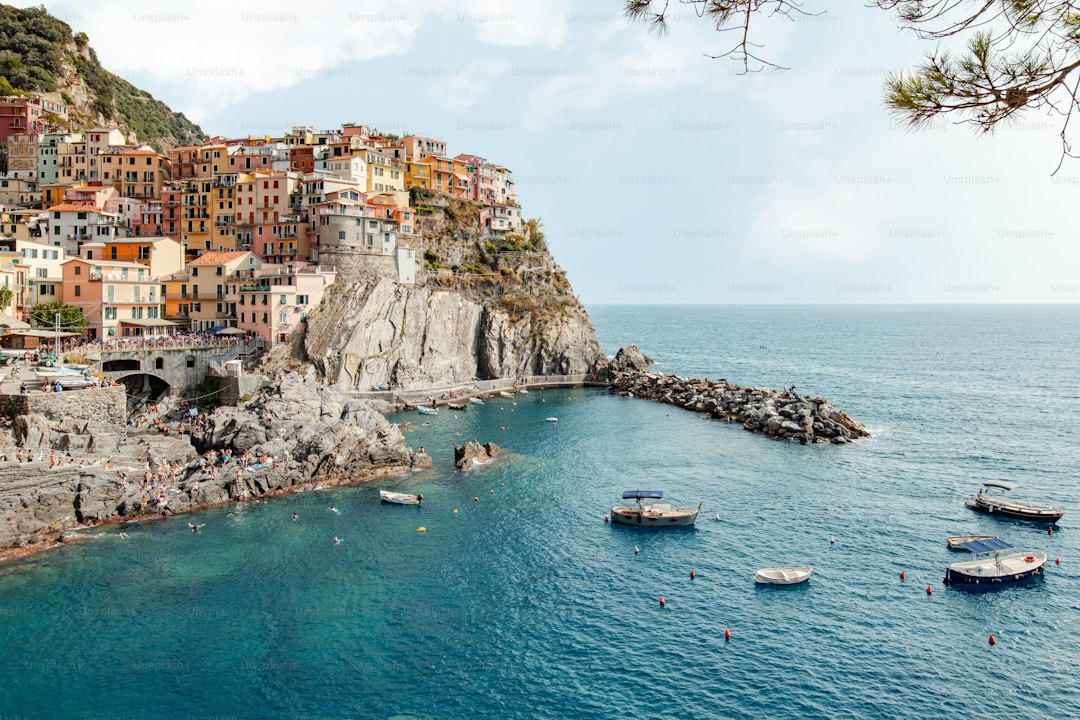
The Reality of Renting an Italian Village: Costs and Practicalities
Renting an entire Italian village for a wedding sounds like something straight out of a movie, but I’ve found that the logistical reality is far more granular than the romantic dream suggests. When you start looking at these historic hamlets, you aren't just booking a venue; you’re effectively managing a micro-municipality. Many of these sites are protected by the Ministry of Culture, which means you’ll need specific usage permits just to hold an event. You also have to be ready to pay insurance premiums that can hit 2,000 euros a day to cover the risks associated with aging, fragile infrastructure. And don’t get me started on the utilities; these grids were built for small residential populations, not the high-capacity demands of a modern wedding, so you’ll likely face hidden costs to keep the power running.
Then there is the issue of local regulations that can really put a damper on your party plans if you aren't prepared. If the village is part of a protected network, you can bet there are strict acoustic ordinances in place that will force you to cut the music by 10:00 PM sharp. Access is another hurdle because those charming, narrow, winding roads are rarely built for standard tour buses, meaning you’ll have to budget for a fleet of smaller shuttle vehicles to move your guests around. Plus, you’ll often find that standard waste management isn't enough, so you’ll be on the hook for private collection services to handle the extra volume. It’s these kinds of operational bottlenecks that make a simple wedding weekend feel more like an urban planning project.
Finally, you really need to look at the fine print regarding the physical space itself. Because these locations are often classified as having high artistic importance, you might run into zoning laws that prevent you from setting up stages or large tents in certain areas. You’ll also need to hire specialized cleaning crews who know how to treat heritage stone and ancient facades without using chemicals that could cause permanent damage. And if you’re hoping for a seamless social media experience, remember that fiber-optic connectivity is rare in these remote spots, so adding a temporary satellite array to your budget is almost a necessity. It’s a lot to balance, but if you go in with your eyes open to these trade-offs, you can avoid the surprises that usually trip people up.
Finding the Perfect Hamlet: Where to Search for Exclusive Buyouts
When you start hunting for that perfect, exclusive hamlet, you quickly realize this isn't just browsing listings on a standard rental site. I’ve learned that the most reliable starting point is the Borghi più belli d’Italia registry, which acts as the official legal framework for identifying villages qualified for preservation and, by extension, high-end commercial use. But here is the catch: many of these spots are categorized as frazioni, meaning they lack their own local government and fall under the jurisdiction of a distant commune, which adds layers of bureaucracy to your planning. You’ll also find that many are officially listed as beni culturali, forcing you into a tango with the regional Superintendency of Archaeology, Fine Arts, and Landscape for any agreement you hope to sign. It sounds intense, but understanding these legal designations early on prevents you from falling in love with a property that is effectively locked behind a wall of state red tape.
Beyond the legal hurdles, you have to look at the physical architecture with the eye of a structural engineer rather than a guest. Many of these medieval plazas simply weren't built to handle the weight of modern industrial audio-visual rigs, and if the hamlet sits in a high-seismic zone—common in the Apennines—you might be legally barred from hosting more than fifty people without expensive reinforcement certifications. I also always warn people to check the property titles, as it is incredibly common to find fragmented ownership where different families hold rights to individual staircases or alleyways, which can turn a total site buyout into a logistical nightmare. And don’t forget the local parish priest; they often hold a right of first refusal for the village chapel, which can technically supersede your private contract if you aren't careful.
Finally, you really need to be thinking about the hidden environmental and utility constraints that rarely make it onto a brochure. These villages often rely on ancient cisterns for water, and large events can easily deplete these systems, requiring you to bring in specialized hydro-geological monitoring to keep the taps running. I’ve seen events nearly derailed by simple things like dew-point calculations in elevated micro-climates, which can ruin expensive floral arrangements in just a few hours. You’ll also need to budget for mandatory contributions to local heritage endowment funds, which are standard in most buyout agreements to keep the ancient facades standing. It’s a lot to hold in your head, but knowing that you’ll need certified waste-water reports and specific lighting permits before you even talk numbers makes the process feel much more like a manageable project and less like a chaotic guessing game.
Managing Logistics: Coordinating Large-Scale Events in Small Spaces
When we shift our focus to the raw mechanics of hosting an event in a historic Italian village, the difference between a dream wedding and a logistical disaster really comes down to how you manage the physical constraints of the space. You’re essentially operating within a structure that wasn’t designed for modern demands, and honestly, the math can be unforgiving. For instance, those beautiful medieval plazas often have strict load-bearing limits, usually capping out at 500 kilograms per square meter, which means your stage setups and heavy audio rigs aren't just an aesthetic choice but a potential structural liability. Plus, those narrow stone alleys act like echo chambers, often amplifying sound by 15 decibels or more, forcing you to use directional audio tech just to keep the local authorities from shutting you down. It’s a delicate balancing act where you’re constantly weighing the charm of the architecture against the rigid requirements of safety and local ordinances.
We also have to talk about the hidden physical realities that most people overlook until it's too late. Think about the thermal inertia of these ancient stone walls, which can trap heat for hours after the sun goes down, making high-volume cooling systems an absolute necessity rather than a luxury. Then there’s the issue of access, as those charming, tight gates usually block standard emergency vehicles, forcing you to map out specific, smaller egress routes and preposition motorized medical carts just to be safe. And don't even get me started on the power; since these villages weren't built for high-capacity grids, you’ll need to synchronize temporary microgrids to avoid the kind of voltage drops that can fry your sound system right as the ceremony begins. It’s definitely not the kind of thing you can just wing on the day of the event.
Finally, we need to consider how your presence impacts the very heritage you're trying to celebrate. You’re dealing with delicate materials, and even something as simple as laying down flooring requires specialized, breathable protection to prevent moisture from destroying ancient limestone. Because many of these places rely on archaic, fragile sewage systems, you’re almost certainly going to need to bring in your own high-capacity vacuum-sealed sanitation units to avoid a total system failure. Even your supply chain needs a technical overhaul; since standard GPS often fails in these spots, you’ll need to rely on high-precision geocoding just to ensure your vendors can actually find the front gate. It’s a lot to hold in your head, but honestly, once you get these logistical pieces locked in, the entire experience becomes much more predictable and, quite frankly, a lot more fun to manage.
Guest Experience: Balancing Rustic Charm with Luxury Expectations
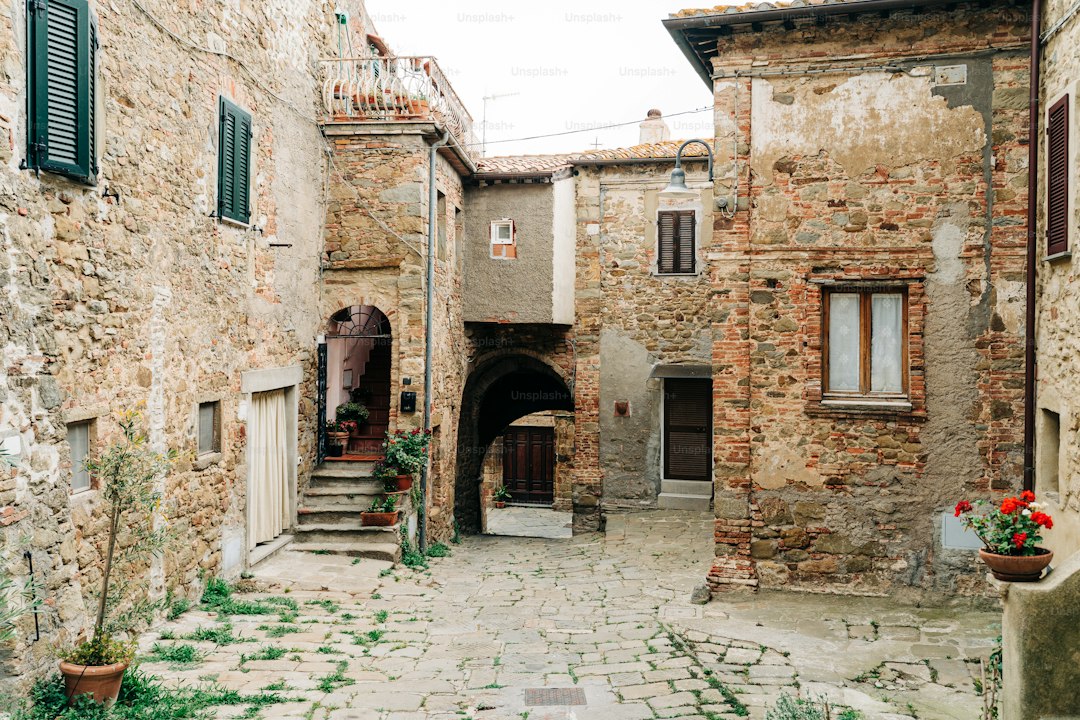
When you’re dreaming of a destination wedding in an Italian village, it’s easy to get lost in the romance of cobblestones and ancient stone facades, but the reality of bridging that rustic aesthetic with the seamless comfort of a five-star experience is a technical undertaking. You’re essentially trying to overlay a modern, high-end hospitality standard onto a structure that was built for medieval living, and if you don't get the details right, the charm can quickly feel more like a compromise. For instance, those stunning limestone floors you’ve fallen in love with are incredibly porous; if your cleaning crew uses standard detergents, they can actually trigger a chemical reaction that causes the stone to crumble over time. That’s why you have to insist on neutral pH cleaners certified by local cultural ministries, because keeping the venue standing is just as vital as keeping it clean.
The same logic applies to the climate and acoustic comfort of your guests. I’ve noticed that stone walls create a massive amount of radiant asymmetry—the walls stay freezing even when the air is warm—which makes people feel chilly despite the temperature gauge, so you’ll need to hide infrared heating panels around the space to keep everyone comfortable. Then there is the sound; narrow piazzas often have a reverberation time over three seconds, which turns a beautiful speech into a muddy, unintelligible echo. To fix this, you’ll want to tuck high-density acoustic baffling behind your decorative drapery to soak up the noise. It’s all about these invisible, structural adjustments that ensure your guests don't realize they’re sitting in an ancient space until they look up at the architecture.
Even the small, sensory details have to be managed with a level of precision that feels almost like a film set production. You’ll be dealing with everything from mineral-heavy water that can stain your white linens to humidity levels that spike because of the high thermal mass of the stone, often requiring industrial-grade dehumidifiers to keep the suites feeling crisp and fresh. And if you’re concerned about the "rustic" elements—like the local wall lizards or the uneven ground—you have to plan for modular flooring systems to handle formal heels and non-toxic, exclusionary pest management to keep the experience feeling polished. Honestly, it’s a lot of work behind the scenes, but when you prioritize these technical, high-fidelity solutions, you’re not just throwing a party; you’re orchestrating a perfect experience that respects the history of the site while giving your guests the luxury they expect.
Being a Responsible Guest: Avoiding Overtourism and Community Friction
When we talk about hosting a celebration in a historic Italian village, we have to look past the aesthetic appeal and consider our footprint on the people who actually call these places home. It is easy to view these hamlets as static movie sets, but the reality is that many are battling demographic decline and the pressure of tourism leakage, where less than twenty percent of visitor spending stays in the community. You should prioritize hiring local vendors and artisans because this ensures your budget directly sustains the local economy rather than funnelling money back to distant, external corporations. Think about it this way: your presence can either be a strain on limited infrastructure or a lifeline for the village’s last remaining shops.
We also need to be mindful of how our logistical footprint impacts the daily rhythm of rural life. Many of these villages rely on ancient water systems or finite aquifers that can become dangerously stressed during peak summer months, so being conscious of your water consumption is not just a suggestion, it is a necessity. You should also coordinate arrivals to avoid overwhelming local capacity and, whenever possible, opt for shared shuttles over individual rental cars, as the carbon footprint of transport on narrow, mountainous roads is significantly higher than you might expect. Respecting the local riposo, or traditional afternoon rest, is another small but essential cultural boundary that keeps the peace between your event and the residents.
Finally, consider that these villages are living, breathing neighborhoods rather than public exhibits for our social media feeds. It is a major breach of etiquette to photograph private homes or residents without explicit permission, and we should always aim to leave communal spaces in perfect condition to honor the volunteer labor that often goes into their maintenance. By opting for slow tourism—staying longer rather than dropping in for a quick, high-intensity weekend—you create a more stable revenue stream for local providers who really need it. Choosing seasonal, locally sourced menus is another great way to cut down on the carbon cost of shipping goods while pumping money into the regional agricultural economy. It honestly comes down to being a guest who adds value to the community, ensuring that the village stays as vibrant for the next generation as it is for your wedding day.
Beyond the Price Tag: Navigating Permits, Regulations, and Local Ties
When you’re diving into the logistics of an Italian village buyout, the romantic vision of a cobblestone ceremony often hits a wall of rigid, and frankly, quite intense municipal requirements. It’s not just about booking the space; you’re effectively navigating a web of seismic and hydro-geological regulations that most couples never see coming. For instance, if you’re planning a gathering for more than fifty people, many hamlets will mandate a structural vulnerability assessment, and you might even be required to install mobile seismic sensors to monitor how your sound system’s vibrations affect ancient foundations. It sounds like an extreme step, but in areas prone to seismic activity, these measures are the price of admission for protecting heritage architecture. You also have to consider the safety side of things, as regional fire departments often conduct formal assessments of those narrow, medieval pathways to ensure your guests have a viable emergency egress, which often leads to the requirement of renting independent fire-water storage tanks when local municipal pressure falls short.
And then there’s the environmental side of the coin, which is surprisingly strict if your chosen village sits near a protected Natura 2000 site. You could find yourself needing a formal environmental impact assessment because excessive noise levels can legally interfere with indigenous bird nesting patterns, meaning you’ll have to balance your party volume against very real ecological constraints. It’s also worth noting that your exclusivity agreement isn't always absolute; many of these ancient contracts contain historical right-of-way clauses that allow local farmers to access vineyard paths cutting directly through your event space, so you’ll need to clarify those access rights early on. Even your aesthetic choices are regulated, as high-intensity lighting setups often require a specific permit from the regional Soprintendenza to ensure those powerful bulbs don't cause photo-degradation to sensitive frescoes or delicate exterior stonework. It’s honestly a lot to manage, but getting these permits cleared is what separates a seamless weekend from a regulatory nightmare.
Finally, you really need to look at the "hidden" infrastructure, because the reality of these sites is that their internal systems are often as fragile as the facades. Many villages use common-use septic systems that simply can’t handle the sudden, concentrated surge of a wedding party’s waste, which is why I always advise clients to budget for portable, vacuum-contained sanitation units to avoid a total system failure. You’ll also face a chain-of-custody requirement for waste management, where you’ll need to prove that your refuse is being transported to a facility outside the protected zone. And if you’re counting on high-speed internet, remember that rural connectivity is sparse, and setting up a private satellite array often requires an official permit from the Ministry of Enterprises to operate on authorized frequencies. Think of it as a complex engineering project disguised as a celebration, but once you have these technical boxes checked, you’ll find that the event runs significantly smoother than if you’d ignored these realities.
Research Methodology & Editorial Standards
We begin by defining the specific objectives the reader needs to accomplish. Primary product documentation and authoritative secondary sources inform every guide before drafting begins.
Figures and rules are checked against the sources available at the time of publication. Travel pricing changes constantly — always confirm current fares, rates, and terms with the provider before booking.