
How to Plan Your Next Trip to Explore the Ancient Mysteries of Stonehenge
It’s not just about the weight of the stone, but the sheer logistical headache of moving it across ancient landscapes without anything resembling modern tech.
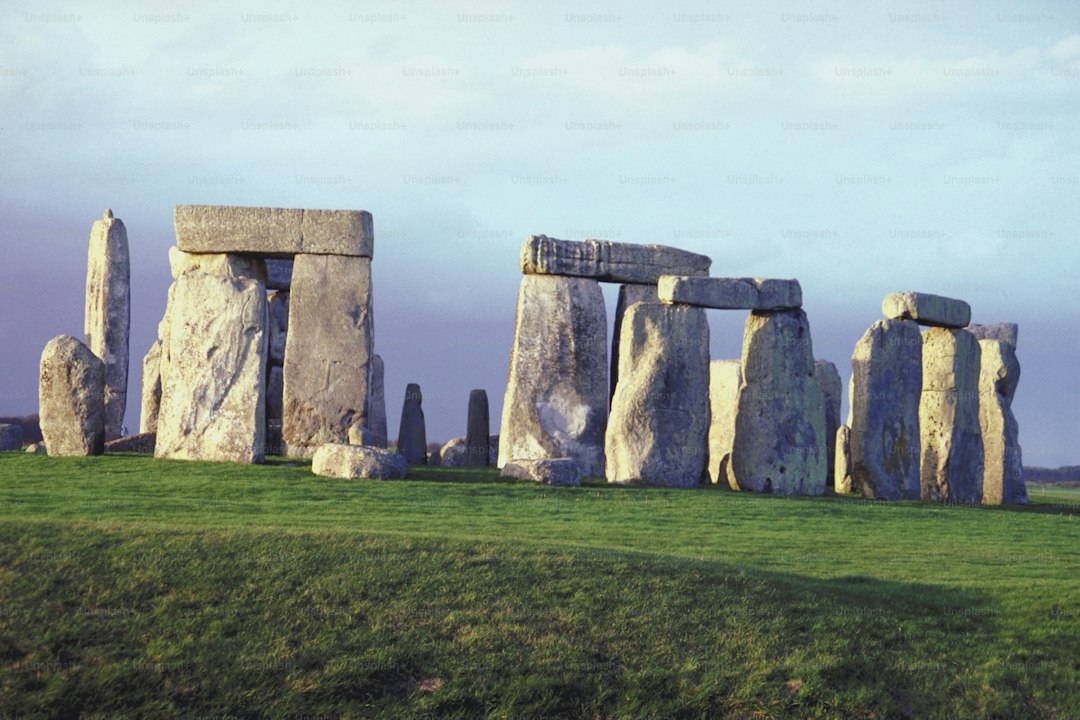
Deciphering the Stones: The Latest Archaeological Breakthroughs at Stonehenge
If you’ve ever stood before those towering monoliths, you know that feeling of trying to wrap your head around how they actually got there. It’s not just about the weight of the stone, but the sheer logistical headache of moving it across ancient landscapes without anything resembling modern tech. Honestly, the latest research has completely upended what we thought we knew, especially regarding the massive Altar Stone resting at the heart of the site. For years, we assumed it came from nearby Wales, but recent geochemical testing has traced its origin all the way to the Orcadian Basin in northeast Scotland. That’s a staggering 450-mile, or 724-kilometer, trek that suggests Neolithic society was far more organized and connected than our history books ever gave them credit for.
Think about it this way: moving a six-ton slab of sandstone that distance isn't just a casual weekend project. It implies a level of social coordination, maritime skill, or long-distance logistics that we honestly didn't think these people had the bandwidth for. It really makes you stop and wonder what kind of tribute networks or trade alliances were happening back then to make such a feat possible. We’re essentially looking at a prehistoric supply chain that spanned the entire length of the British Isles, which honestly forces us to rethink the entire power structure of Neolithic Britain. It wasn't just a local village effort; this was something on a massive, geopolitical scale that clearly required a massive amount of planning.
We still don't have the full picture on whether they hauled this thing by sea or dragged it across treacherous overland routes, but the researchers are closing in on the answer. What’s clear is that the Altar Stone wasn't just some random addition; its specific origin point suggests it held a primary, perhaps even sacred, significance that was worth the monumental effort to procure. While we’re still working to bridge the gap between where these stones came from and why they were chosen, these findings give us a much sharper window into the ambition of those early builders. I think we’re finally moving past the mystery and starting to see the actual, complex societies that really built this place. Let’s dive into what this means for your next visit to these legendary grounds.
Tracing the Ancient Path: Understanding the 450-Mile Journey of the Stones
When you start looking at the Altar Stone, you have to move past the idea that this was just a heavy rock someone dragged from down the road. Its composition of Old Red Sandstone, which formed roughly 400 million years ago, tells a much more intense story than we ever imagined. By analyzing the detrital zircon grains inside, scientists finally found a perfect geological fingerprint that points directly to the Orcadian Basin in Scotland. This isn't just a minor discovery; it completely blows apart the old theory that the monument was built from locally sourced materials found within a hundred-mile radius. We are looking at a logistical outlier that proves the builders were far more ambitious than we ever gave them credit for.
Think about the sheer physics of moving a six-ton slab across 450 miles of prehistoric terrain. If they went by sea, they would have needed to master dangerous coastal currents using nothing more than hide-covered boats or timber rafts, which is honestly hard to wrap my head around. If they moved it overland, they likely used specialized sledges and protective bracing, since the lack of heavy wear patterns on the stone suggests it didn't just slide across the dirt for months. They weren't just picking up rocks off the surface, either; the geochemical data shows they extracted this from deep, hard bedrock, which implies they had a really sophisticated level of stone-working knowledge. It really makes you wonder how many people were involved in this, but evidence suggests a massive, coordinated effort that could have unified disparate tribes.
This journey wasn't just about getting building supplies from point A to point B. It points to a complex economy where folks could sustain laborers for months or even years just to move one specific slab. Because the stone was so massive and came from so far away, it almost certainly served as a central pilgrimage site that brought distant populations together during a time of major cultural shifts. When I look at these facts, I stop seeing Stonehenge as a static monument and start seeing it as the result of a massive, shared vision. It’s wild to think that this level of planning happened so long ago, but it really changes how you view the stones when you eventually walk up to them yourself.
Beyond the Monument: Visiting Prequel Prototypes and Nearby Ancient Sites
If you really want to understand why Stonehenge exists, you have to stop looking only at the main attraction and start wandering through the surrounding landscape where the real story of these builders unfolds. Just north of the famous stones lies the Cursus, a massive 1.8-mile-long enclosure that actually predates the main site by centuries and hints at a much older ritual landscape. When I visit, I find it fascinating to imagine how the Neolithic people used this space for gatherings long before the first monolith was ever raised. Not far from there, you’ll find the remnants of Woodhenge, which wasn't just a simple circle but a sophisticated structure with six concentric rings of wooden posts that likely held up a massive roof. It completely shifts your perspective on how these ancient communities lived and worked when you realize this area was a bustling center of activity rather than a lonely field of ruins.
You should definitely make time to check out Durrington Walls, where recent surveys uncovered a hidden, large-scale monument known as the Super-Henge, consisting of at least 90 massive stones buried in a giant pit. This site is honestly mind-blowing because it features a 500-meter-wide pit circle, proving that the scale of construction in this region was far more ambitious than we once assumed. I often think about the Coneybury Anomaly nearby, where archaeologists found evidence of massive cattle feasts that suggest these people were gathering here to share food and build social bonds long before the final stones were set. It paints a picture of a society that was highly organized, social, and deeply connected to their environment in ways that modern visitors often overlook.
If you are a history nerd like me, you’ll find the story of the Amesbury Archer particularly gripping, as his grave shows he traveled all the way from the Alpine region of central Europe around 2300 BCE. It’s definitive proof that this place was a true focal point for long-distance cultural exchange, not just a local project. You can also visit sites like the West Kennet Long Barrow or the causewayed enclosure at Robin Hood’s Ball to get a sense of the timeline of burial traditions and ritual boundaries that defined the Salisbury Plain. Even the subtle traces of domestic dwellings near the Stonehenge Avenue remind us that this was a lived-in space where people were building lives, not just monuments. Don't just tick off the main site and leave, because the surrounding fields are packed with these smaller, older prototypes that tell the rest of the story.
Essential Logistics: How to Get to Stonehenge and Navigate Your Visit
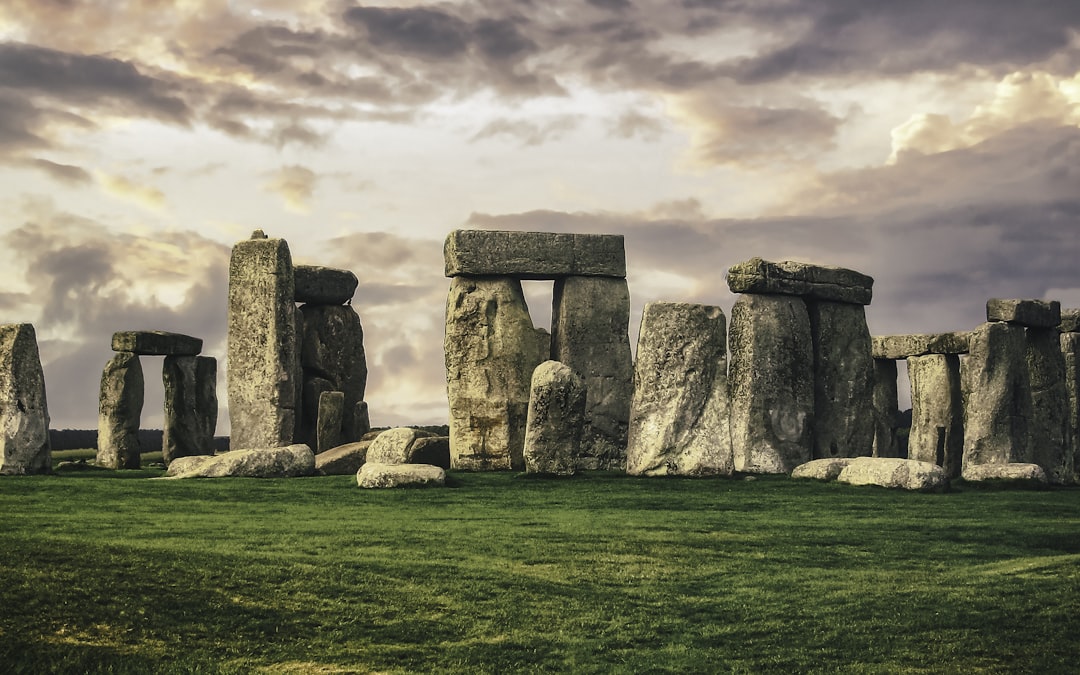
Planning your trip to Stonehenge requires a bit more foresight than just showing up at the gate, and honestly, that’s for the best if you want to actually enjoy the experience. First off, you absolutely have to book your timed-entry ticket well in advance, as the site strictly enforces capacity limits to protect the landscape. I’ve seen plenty of travelers get turned away because they assumed they could just walk up and buy a pass, so don't make that mistake. Once you arrive at the visitor center, you’ll realize it’s about 1.5 miles from the actual monument. You can take the English Heritage shuttle bus to cover that distance, or if you’re feeling up for it, you can hike the perimeter trail.
If you’re really looking to soak in the history, I highly recommend grabbing one of the audio guides; they’re synced to GPS markers along the path and provide some genuinely fascinating context as you walk. Just keep in mind that the visitor center is your last stop for facilities, so definitely sort out your comfort breaks there before heading out to the circle, because there aren’t any portable toilets once you’re out on the plateau. You should also pack an extra layer, even in May or June, because that exposed chalk plateau gets incredibly windy and the temperature can drop fast. And look, I know you’ll want to get that perfect shot, but please remember that drones are strictly banned across the entire World Heritage Site—they take the safety of the airspace and the monument integrity pretty seriously.
Now, if you want the ultimate experience, you might look into the Stone Circle Experience, which is a special private access tour that lets you walk inside the ropes during off-hours. It’s a completely different vibe when you’re standing right next to the stones, but these spots are limited and fill up fast. Whatever you do, remember that touching the megaliths is strictly prohibited; the oils from our skin actually accelerate the degradation of the delicate, ancient lichen covering the stones. If you’re feeling ambitious, you can also walk the two-mile length of the Stonehenge Avenue, which is the original processional path connecting the site to the River Avon. It’s a bit of a trek, but it really helps you understand how the landscape was designed to be experienced by the people who built it thousands of years ago.
Maximizing Your Experience: Insider Tips for Exploring Neolithic Wonders
When you're standing on the Salisbury Plain, it's easy to get caught up in the sheer scale of the sarsen stones, but the real secret to maximizing your visit is knowing where to look for the finer details that tell the human side of this massive engineering feat. I find it absolutely wild that modern laser scanning has revealed the stones were carved with mortise-and-tenon joints, a technique lifted directly from timber construction, which really highlights how these builders were thinking like carpenters even when working with 35-ton boulders. If you want to see this for yourself, take a moment to look closely at the joints where the lintels sit; it’s a tangible link to the wood-working traditions of the era that’s easy to miss if you’re just rushing to snap a photo. And honestly, while everyone is obsessed with the summer solstice sunrise, the winter solstice sunset alignment is where the real social significance likely lived for the people who built this place.
To really get under the skin of the site, you have to remember that this wasn't just a static monument but a long-term project spanning roughly 1,500 years of incremental construction. I always tell people to look for the Heel Stone just outside the circle; standing 16 feet tall, it’s a stark reminder of the effort required to move such massive sarsen blocks from the local chalk downs. If you’re willing to dig a little deeper into the research, think about the phosphorus levels in the surrounding soil, which act as a prehistoric footprint showing us exactly where those huge seasonal crowds gathered to feast on crab apples and hazelnuts. It shifts the entire experience from looking at cold, lonely ruins to imagining a bustling, muddy, and vibrant ritual center that felt very lived-in.
When you’re walking the perimeter, try to be cognizant of the unique acoustic environment created by the stone arrangement, which some researchers believe was designed to dampen sound and deepen that sense of ritual isolation. It’s a sensory detail that most tourists completely overlook, but it explains so much about the intended atmosphere of the monument. And don’t feel like you have to just stick to the main circle; ground-penetrating radar has turned up hidden barrows and burial mounds all over the nearby landscape that were once fully integrated into the daily lives of these early communities. If you take the time to wander slightly off the main path, you'll start to see that the entire area is essentially a massive, interconnected map of Neolithic life. It’s not just about checking a box on your travel bucket list—it’s about recognizing the incredible, patient ambition of people who, despite having only basic tools, managed to leave a permanent mark on the planet.
The Stonehenge Debate: Exploring Theories from Ritual Sites to Competitive Arenas
When I stand there, staring at those massive blocks, it’s impossible not to wonder if we’ve been looking at Stonehenge all wrong for decades. We’re so quick to call it a "ritual site," but here’s what I think: the truth is probably much grittier and more human than some quiet, solemn temple. Some researchers are now leaning into the idea that this was actually a prehistoric competitive arena where tribes didn't just pray, but flexed their social status through displays of athletic prowess. Think about the energy needed for that; if you were there, you wouldn't just see stones, you’d see a bustling, loud, and incredibly intense hub of regional politics. It really changes the vibe when you realize that some of these monoliths might have been placed specifically to manipulate sound, turning the whole circle into an acoustic chamber designed to amplify chanting or percussion during these massive gatherings.
And honestly, the evidence of what went on there is wilder than you’d expect. Forensic soil analysis has turned up microscopic traces of beer brewing, which tells me this place was definitely the site of epic, multi-day feasts rather than just silent meditation. You can practically see the scene—the hazelnut shells and animal bones scattered near the pits prove that people were eating, drinking, and building the alliances that held their society together. I find it fascinating that the builders might have even used the stones' specific textures to create a shimmering, ethereal look under the moonlight, effectively setting the stage for these spectacles. It’s like they were the original event planners, using the landscape to bridge the gap between their daily lives and something they considered much larger than themselves.
But what I find most compelling is that this wasn't some static design that someone just drew on a napkin. Recent survey data suggests there are still buried structures beneath the grass that were abandoned mid-construction, which implies the site was constantly evolving to fit new social or theological mandates. It’s a bit like a city that’s constantly under renovation, where the layout changes as the community grows or shifts its focus. Some of the smaller bluestones seem to map out the spatial layout of ancestral villages, almost like they were trying to ground their heritage in the soil of the Salisbury Plain. It’s a lot to take in, but it turns the whole experience into something much more grounded—a testament to a society that was highly organized, intensely social, and constantly finding new ways to make their mark on the world.
Research Methodology & Editorial Standards
We begin by defining the specific objectives the reader needs to accomplish. Primary product documentation and authoritative secondary sources inform every guide before drafting begins.
Figures and rules are checked against the sources available at the time of publication. Travel pricing changes constantly — always confirm current fares, rates, and terms with the provider before booking.