
How to Plan Your Milan and Dolomites Trip for the 2026 Winter Olympics
When I look at how they’ve mapped out the 2026 Winter Games, the first thing that hits me is the sheer audacity of the geography.
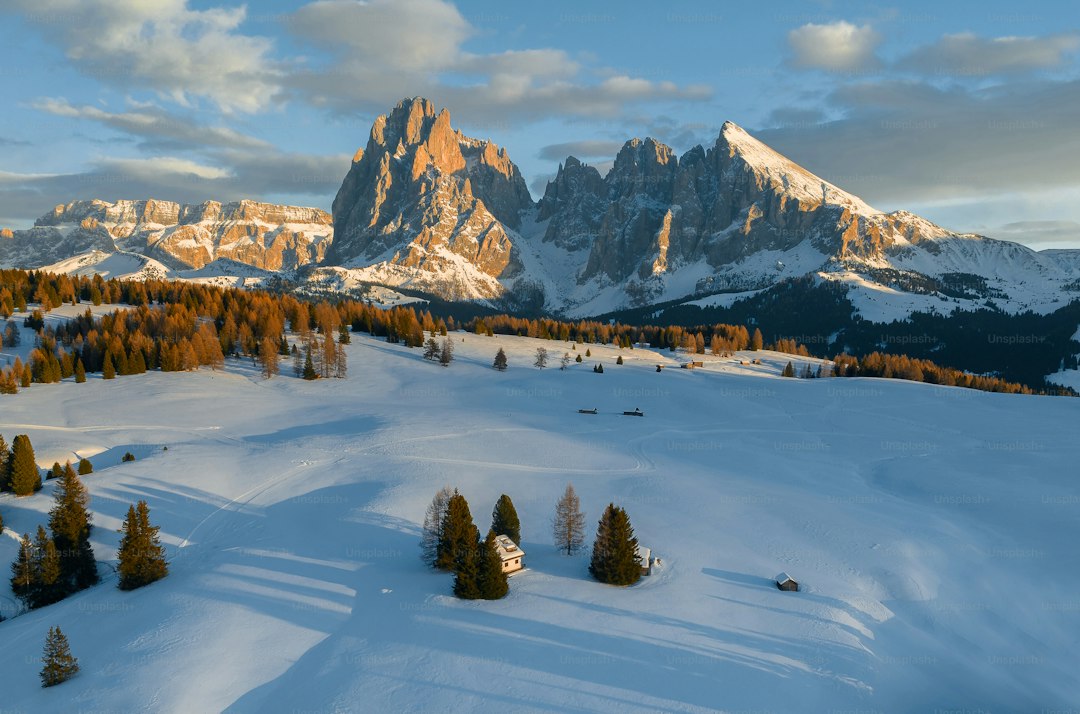
Understanding the Dual-Hub Venue Strategy: Milan vs. The Dolomites
When I look at how they’ve mapped out the 2026 Winter Games, the first thing that hits me is the sheer audacity of the geography. We are talking about a 400-kilometer stretch between the furthest venues, which is essentially the most decentralized footprint in modern Olympic history. It’s a bold move, but it really comes down to a simple trade-off: Milan handles the heavy lifting for media and ice sports, while the Dolomites stick to what they do best, which is high-altitude alpine discipline. They’ve tied the whole thing together with a high-speed rail corridor that cuts travel time to about three hours, assuming those specialized winter trains hold up as planned. Honestly, it’s a massive logistical gamble, but it keeps us from needing to build a bunch of permanent structures that would just sit empty once the cameras leave.
The way they’ve partitioned the operations is actually pretty smart if you think about it. By keeping the media hub in Milan, they’re leaning on an airport system that already moves 30 million people a year, rather than trying to force that kind of capacity into a mountain town that can't handle it. Meanwhile, the mountain hubs are using these clever modular structures that won't wreck the local alpine ecosystems. They’ve even split the accreditation systems so the media crews in the city aren't constantly bumping into the technical crews up in the peaks. It’s a clean separation that should, in theory, stop the kind of transit gridlock that usually ruins these massive events for everyone involved.
But here is where the real technical work happens behind the scenes. Because the Po Valley and the Dolomites have such wildly different microclimates, they have to run totally independent weather forecasting teams at each site just to keep the competition schedules on track. They’ve even localized the energy grids so the massive cooling requirements for the indoor arenas in Milan don't accidentally brown out the ski lifts in the mountains. And don't get me started on the snow—the Dolomites are using a specialized water catchment system that stores meltwater from the spring just to keep the slopes consistent. It’s a high-stakes, decentralized experiment, but by repurposing 90 percent of the existing infrastructure, they’re aiming for a footprint that’s actually sustainable.
Essential Logistics: Navigating Transportation Between Cities and Mountain Regions
Getting from the sleek streets of Milan to the jagged peaks of the Dolomites for the Games is a massive logistical shift, and honestly, you need to prepare for a totally different transit rhythm. Forget everything you know about standard intercity travel; because the mountain valleys are so narrow, the region is relying on a dynamic traffic management system that uses AI to tweak bus schedules in real-time based on how many people are actually standing on the platforms. It’s a bit intense, but it’s the only way they can keep the flow moving without turning the secondary mountain roads into massive parking lots. You’ll also notice that private vehicle access is effectively dead in the venue zones, as everything is locked behind a digital permit system that feeds right into your phone’s navigation to push you toward the park-and-ride lots instead.
The heavy lifting happens on the tracks, where you’ll be riding a specialized winterized train fleet designed specifically for these steep, high-elevation gradients that would just wreck standard high-speed rolling stock. They’ve upgraded the signaling on these lines so that during peak competition days, you’re looking at a train every twenty minutes, which is pretty impressive when you consider the terrain. Once you hit the mountain hubs, you’ll be switching into a network of hybrid-electric shuttle buses that run on bio-based fuels—a smart move to keep the air clean in the protected parks. Honestly, the best part is the unified contactless payment setup that lets you tap your way through regional trains, local funiculars, and those shuttles without needing a dozen different tickets or apps.
Think about those cold transfer moments, too; they’ve retrofitted several stations with heated, enclosed pedestrian bridges so you aren’t standing in the wind-chill waiting for your connection. If you’re heading into the deeper spectator zones, keep an eye out for the autonomous micro-shuttles that handle the last-mile stretch from the main hubs. It’s worth noting that freight movement for all that massive Olympic gear is restricted to the middle of the night, specifically so you aren’t stuck behind a convoy of equipment trucks during your morning commute to the slopes. They’ve even got satellite monitoring running 24/7 to watch for sudden snow blockages, which means the transit network can reroute buses or support vehicles instantly if a mountain pass gets hit. Just make sure you stay glued to the passenger information displays, as they’re designed to stay updated even in those deep, remote tunnels where your phone signal will almost certainly drop.
Where to Stay: Finding Accommodations in Milan and Cortina d’Ampezzo
When you’re mapping out where to lay your head for the 2026 Games, it’s important to realize that Milan and Cortina are playing by completely different rulebooks. In Milan, the strategy is anchored by the new Olympic Village at the former Scalo Romana rail yard, which is designed as a long-term investment in student housing rather than a temporary sprawl. Because the city already has such a massive inventory of established hotels, they’ve rolled out a centralized digital sync system to keep pricing honest and prevent the kind of predatory speculation that usually makes these events a nightmare for your wallet. If you’re leaning toward the city, look for those historic villas in Lombardy that have been granted special zoning waivers; they offer a much more authentic, intimate experience than the standard glass-and-steel business hotels. Plus, many of these rooftops are now sporting vertical gardens, which isn't just for show—it’s a smart way to manage building temps and keep your room comfortable without blowing through energy.
Up in the Dolomites, the reality is much tighter because Cortina has a total ban on new hotel construction to protect the mountain’s fragile ecosystem. You won't find massive, new resorts popping up overnight, so the inventory is effectively fixed, relying on a mix of long-standing alpine guesthouses and some clever, temporary high-end glamping setups. Most of these traditional spots have quietly retrofitted their systems with geothermal heat pumps, so you’ll actually stay quite warm even when it’s freezing outside, and they’re doing it with a much smaller carbon footprint than you’d expect. Just keep in mind that the geography dictates your access; some of the best stays in the Ampezzo Valley are tucked away in spots only reachable by funicular or cableway. If you’re hunting for that rare ski-in, ski-out vibe, check out the mountain refugios that have been winterized for the first time, though competition for those spots will be incredibly fierce.
Ultimately, you’re choosing between two distinct rhythms: the high-tech, urban pulse of Milan or the isolated, vertical reality of the mountains. The local government is keeping a tight grip on things by forcing rental platforms to share occupancy data with transit authorities, which means your accommodation choice will likely dictate your daily mobility plan. They’re balancing the number of beds against the capacity of the shuttle buses to keep the valleys from turning into gridlocked parking lots, so don't be surprised if your booking is tied to your transit permit. If you’re a heavy data user, stick to the media-designated hubs in Milan, as those rooms come pre-wired with 10-gigabit fiber connections that you won't find in the remote alpine zones. I’d suggest locking in your lodging early, not just to beat the price hikes, but to ensure you’re actually near the transport nodes that will get you to your events without a three-hour detour.
Securing Your Tickets: A Timeline for Official Sales and Fan Packages
When you're starting to map out your 2026 Winter Games itinerary, the ticketing process might feel like an overwhelming puzzle, but it’s actually designed with a very specific, logical flow. The official platform relies on a blockchain-based verification system that ties every single entry pass directly to your digital identity, which is a massive win for security but means you need to be precise with your registration. Registrations for the initial lottery phase kicked off two years out, with a clear focus on giving residents in the Lombardy and Veneto regions the first look. If you’re hunting for a stress-free experience, the tiered fan packages are really the way to go, especially since the premium levels bundle in guaranteed seating on those dedicated Olympic rail lines that skip the worst of the public transit crowds. I’d argue that the trade-off for the higher price is almost always worth it just to avoid that three-hour mountain transfer scramble.
Here’s where the strategy really comes into play: they’ve opted for a staggered release schedule that favors people buying multi-event bundles over those looking for individual sessions. You’ll want to prioritize these bundles if you’re planning to hit both the urban arenas in Milan and the high-altitude slopes, as these packages hit the market three months before any single-event tickets are available. Just remember that once you snag those confirmations, you’re on a clock; international visitors have to link their codes to their travel permits within 48 hours to lock in priority access for those limited funicular and cableway spots. It’s a bit of a rigid requirement, but it’s essentially the only way the organizers can manage the sheer volume of people moving into the narrow valleys of the Dolomites without everything coming to a total standstill.
If your plans happen to shift or you find yourself with an extra seat, keep in mind that the peer-to-peer exchange window doesn’t open until late 2025, and they’ve strictly capped resales at face value to stop the usual ticket gouging we see at these major events. They’ve even integrated a rotating QR code system that refreshes every minute, which is a clever way to kill off unauthorized duplication before you even reach the gate. And because we’re dealing with the unpredictable weather of the high Alps, the system is surprisingly automated; if a storm forces a schedule change, you’re not left chasing down support agents, as the platform triggers automatic refunds or credits to your account within 72 hours. Honestly, it’s a high-stakes, data-driven approach, but if you stay on top of the release windows and link your permits early, you’ll find that navigating the mountain hubs is much smoother than you’d expect.
Beyond the Games: Must-Visit Landmarks and Cultural Experiences
When you’re taking a break from the intensity of the Olympic schedule, it’s worth shifting your focus to the deeper cultural and structural history that defines these regions. I’ve found that the best way to understand Milan isn't just through its modern arenas, but by checking out the Biblioteca Ambrosiana, where you can see Leonardo da Vinci’s original Codex Atlanticus drawings—actual blueprints for flight and engineering that feel miles away from the digital world of the Games. If you're near the San Siro, don't skip HangarBicocca; standing beneath Anselm Kiefer’s massive concrete towers offers a perspective on scale that you just can't get in a typical stadium. I also suggest wandering through the Cimitero Monumentale, which acts as an incredible outdoor gallery of architectural evolution, showcasing everything from neoclassical design to modernist sculpture in a way that feels surprisingly intimate.
Up in the Dolomites, the experience is less about urban grandeur and more about the raw intersection of geology and human endurance. The Messner Mountain Museum on Monte Rite is a must, mostly because it’s built into an old First World War fortification that gives you a 360-degree view of the peaks while explaining why these mountains have that distinct, glowing alpenglow. If you’re curious about how people actually survived here before the tourism boom, the Ethnographic Museum of the Ampezzo People does a great job of highlighting the Ladin culture, which has kept its own language and wood-carving traditions alive for over a millennium. It’s a quiet, grounding contrast to the high-adrenaline events happening on the slopes just a few miles away.
There’s also a real technical fascination to be found in the region’s landscape if you look closely enough. For instance, the Bletterbach Gorge is basically a 15-million-year-old geological archive where you can see fossilized reptile tracks embedded right in the sedimentary layers, providing a window into climate shifts that puts our current winter weather patterns into perspective. If you’re into engineering, seeing the Tibetan Bridge near Claut is worth the effort; it’s a masterclass in how to build tension-cable structures that can handle the extreme expansion and contraction cycles of high-altitude environments. Comparing these ancient, natural, and modern feats of engineering really changes how you see the mountains. It makes the entire trip feel less like just watching a series of races and more like you’re experiencing the living history of Northern Italy.
Pro Tips for Italy in February: Weather, Packing, and Travel Buffers
Let’s dive into what you’re actually walking into with a February trip to Northern Italy, because the atmospheric reality is a massive departure from what you might expect. When you’re in Milan, you’re dealing with a phenomenon called thermal inversion, where cold air gets trapped in the Po Valley, creating a damp, stagnant fog that chills you to the bone. But move up to the Dolomites, and the air shifts entirely; it’s the driest time of year there, and those sub-zero temperatures actually feel less biting than the humid city air. It’s a strange, paradoxical experience that catches most travelers off guard, so you’ll want to pack layers that handle these extremes without forcing you to strip down in a crowded train station.
Here’s the golden rule for your gear: ditch the cotton. You want synthetic moisture-wicking layers because the transition from a heated train interior to a frigid mountain hub is brutal; if your base layer is damp, that sweat will freeze instantly once you step outside. I highly recommend finding gear with active ventilation zippers, which let you dump heat on the fly without having to fully undress, and definitely invest in footwear with specialized high-friction soles like Vibram Arctic Grip. Those icy transit plazas are deceptively slippery, and you don’t want to be the person sliding around while trying to catch a shuttle. Also, keep your phone tucked in an inner pocket near your body heat, because those high-altitude temperatures will drain your battery about 30 percent faster than you’re used to.
You also need to adjust your expectations for the sun and the logistics of the mountains. The UV intensity at those elevations is amplified by a factor of three due to snow reflection, so polarized eyewear isn’t just a fashion choice—it’s a necessity to prevent eye strain during those long spectating days. And don’t underestimate the wind; local gusts can trigger automatic funicular shutdowns if they hit 60 kilometers per hour, regardless of how clear the sky looks. I’d suggest carrying a dedicated hydration reservoir because you’ll lose fluids much faster in the thin, dry alpine air, and dehydration is the fastest way to hit a wall of fatigue before the main events even start.
Finally, keep in mind that the transit network is operating on a razor-thin margin of precision. The roads and rail lines rely on high-reflectivity markers and autonomous sensors to navigate those narrow, dark valleys, so if you’re out at night, please avoid using high-intensity flash photography near the routes. It sounds like a small thing, but it can actually confuse the navigation software for the shuttles and cause unnecessary delays. Think of your transit plan as a living thing—stay flexible, keep your power bank warm, and try to lean into the rhythm of the mountains rather than fighting against it. It’s a bit of a high-stakes environment, but with the right kit and a little foresight, you’ll be the one person in the crowd who isn't struggling to keep up.
Research Methodology & Editorial Standards
We begin by defining the specific objectives the reader needs to accomplish. Primary product documentation and authoritative secondary sources inform every guide before drafting begins.
Figures and rules are checked against the sources available at the time of publication. Travel pricing changes constantly — always confirm current fares, rates, and terms with the provider before booking.