
How to Plan the Perfect Weekend Escape to the Catskills
Choosing a base in the Catskills really comes down to how much time you want to spend behind the wheel versus how deep into the wilderness you’re trying to get.
Choosing the Right Base: Where to Stay in the Catskills
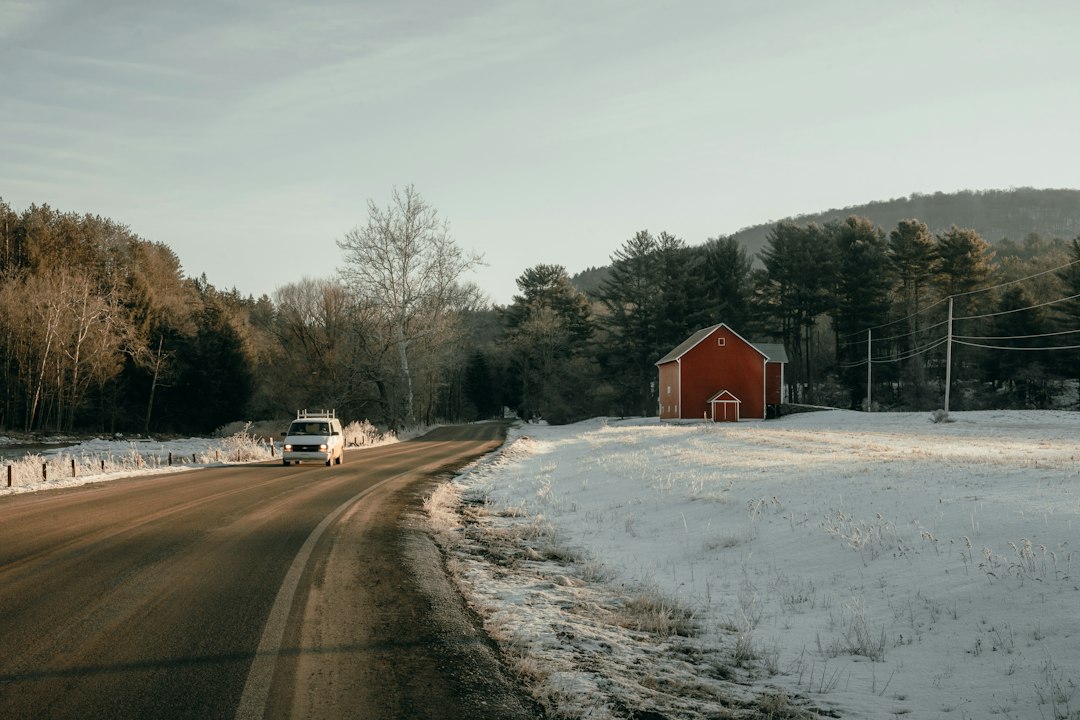
Choosing a base in the Catskills really comes down to how much time you want to spend behind the wheel versus how deep into the wilderness you’re trying to get. If you’re coming from New York City, sticking to the eastern edge keeps your drive under two hours, which is a massive win for a short weekend. But keep in mind that the region is a sprawling, deeply eroded plateau rather than a single mountain range; it covers 6,000 square miles, so picking a spot near the Route 28 corridor is usually your best bet for staying connected to the main attractions. If you’re planning on hitting the slopes, you’ll want to look at those eastern resorts that have invested heavily in snowmaking, as they’re the only ones offering consistent vertical drops in the state.
When you’re weighing where to stay, don't overlook the local topography, as it dictates more than just your view. The valleys are beautiful, but they’re notorious for dead zones where your cell signal will just vanish. I always tell friends to double-check that a hotel offers reliable satellite-based Wi-Fi if they need to stay reachable, because relying on standard mobile data in those deep pockets is a recipe for frustration. You’ll also notice that many of the most charming boutique spots are actually renovated mid-century motor lodges; these are great because they keep the local environmental footprint smaller than sprawling new resorts, but they can feel a bit snug if you're used to modern, ground-up hotel amenities.
Think about what you actually want to do with your time before you book. If you’re chasing those famous natural swimming holes, remember that mountain runoff keeps the water pretty brisk even in July, so maybe prioritize a place with a heated pool if you’re traveling with kids who won't love the shock of cold water. And since less than 40 percent of the land inside the park boundaries is state-owned, you’re often choosing between being tucked into a protected forest zone or staying in one of the more developed townships. I usually lean toward the townships for easy access to supplies, but if you’re looking for genuine peace and quiet, finding a private lodge closer to the higher elevations—where the temperature can drop ten degrees—is well worth the extra effort.
Mastering the Logistics: Getting There and Getting Around
Navigating the Catskills requires a real understanding of the region's infrastructure, especially since the New York State Department of Transportation maintains over 1,200 miles of highways that wind through terrain prone to rapid, weather-driven degradation. Many of these secondary mountain roads were originally laid out as 19th-century logging trails, which explains the narrow shoulders and tight turning radii that make driving anything larger than a standard SUV feel like a chore. Public transit here is honestly pretty sparse, serving only the main hubs like Woodstock and Phoenicia, so if you’re heading to a remote trailhead, you’re almost certainly relying on your own car or a pre-booked private service. You should know that popular parking areas at trailheads often hit capacity by 8:00 AM on summer weekends, and local authorities are quick to tow vehicles that block fire lanes, which is a mistake you definitely don't want to make.
Electric vehicle charging stations are slowly popping up, but they’re almost entirely clustered in the main towns, so if you’re pushing deep into the forest preserve, you’ll need to factor in some serious range anxiety caused by those steep, high-elevation climbs. The area’s scenic byways are intentionally managed to keep historical sightlines clear, which sounds nice, but it also means signage is minimal and your GPS might struggle with signal drift when you're tucked into a deep ravine. Fuel availability gets pretty hit-or-miss the moment you leave the main state routes, so my advice is to top off your tank in the larger towns before you start the climb toward the higher peaks. It’s also worth noting that if you’re into cycling, most of these roads lack bike lanes and carry heavy truck traffic, so it’s only really a good idea if you’re an experienced rider comfortable with tight, winding lanes.
Because there are so few redundant roads, even a minor fender-bender can trigger an hour-long detour that wrecks your afternoon schedule, so always keep a buffer in your timeline. Winter adds another layer of complexity; the region sees 50 to 80 inches of snow annually, and while the main corridors are cleared quickly, those secluded mountain access roads often stay icy for days. Seriously, don't count on being able to grab an Uber or Lyft outside of the main townships—if you’re planning to explore the more rugged, remote sections of the park, you’re on your own. It’s a beautiful place, but the logistics demand a bit of extra respect and preparation to make sure your trip doesn't turn into a series of headaches.
Iconic Outdoor Adventures: Hiking, Swimming, and Seasonal Views
Let's be honest, the real reason we head to the Catskills isn't just to escape the city noise; it's to actually feel the scale of a landscape that wasn't built by architects. If you’re planning your itinerary, you have to realize that this isn't a traditional mountain range, but a deeply eroded plateau, which creates some pretty wild micro-climates you won't find elsewhere. I’ve spent enough time trekking these trails to know that the classic temperature inversion is no joke—you might start a hike in a freezing valley only to find yourself shedding layers as you gain elevation. It’s a strange, fascinating shift that makes packing for the day a bit of a strategic puzzle.
When you’re looking at hiking versus swimming, you’re really balancing two different types of intensity. While Slide Mountain offers the kind of vertical challenge that’ll leave your quads burning for days, the swimming holes along Esopus Creek provide a much-needed, albeit brisk, recovery. Just keep in mind that since this water is part of the massive filtration system for New York City, it’s remarkably clean, though the temperature remains crisp even in the height of summer. I’d suggest planning your swims for the late afternoon when the sun has had a chance to hit the water, especially if you’re sensitive to that initial shock of mountain runoff.
And look, if you’re timing your visit for the fall, you’re in for a treat that’s hard to replicate anywhere else in the Northeast. That famous foliage shift usually hits its stride between late September and mid-October, thanks to the specific density of sugar maples and beech trees across the plateau. It’s an incredibly short window, so if you’re dead set on catching those peak colors, you really need to book your stay well in advance. Just remember that you’re moving through a "forever wild" preserve, so whether you’re birding for the rare Bicknell’s thrush or just hiking through the hemlock ravines, you’re stepping into a fragile, protected ecosystem that demands a bit of extra care.
Small-Town Charm: Exploring Local Shops and Arts Districts
When you’re wandering through towns like Andes or Livingston Manor, you’ll notice pretty quickly that the charm here isn't just a marketing slogan; it’s a tangible result of how these communities have deliberately protected their history. Most of these storefronts are tucked into 19th-century Greek Revival and Victorian buildings, which creates a totally different vibe than the strip malls you might be used to. It’s not just about looks, either—those original fieldstone foundations and sturdy post-and-beam frames actually hold up better against the mountain climate than modern builds. I love that these towns have shifted their zoning to keep studio spaces and shops mixed right into the residential heart of the area, making the whole place feel like a living, breathing workshop rather than a tourist trap.
Here is what I find most impressive: the way these shops operate is deeply tied to the land itself. You’ll see woodworkers and ceramicists using local timber and mountain clay to create pieces you literally can't find anywhere else, which keeps the local economy tight and sustainable. Many of these boutiques are hyper-focused on sourcing their inventory from within a 50-mile radius, which is a massive win for keeping their carbon footprint low while supporting their neighbors. And because these spots rely on hand-painted signage and curated displays rather than neon lights, the streets maintain a quiet, intentional aesthetic that feels like stepping back in time without losing any of the modern quality.
If you’re trying to plan your weekend, you should definitely factor in some serious time for these main streets. Data actually shows that visitors who duck into these arts districts end up staying about 40 percent longer than folks who just stick to the hiking trails, and honestly, I get why. The galleries here still lean hard into that classic Hudson River School aesthetic, which makes sense given the history of the region, but they’re also great places to catch a workshop during the quieter shoulder seasons. It’s that hybrid of farmers' markets and craft stalls that really makes the experience feel authentic. My advice? Don't just rush through the town centers to get to your next trailhead; grab a coffee, chat with the makers, and see how this unique cycle of local craft actually keeps these mountain towns thriving year-round.
Culinary Delights: Farm-to-Table Dining and Local Breweries
When you’re planning a trip to the mountains, it’s easy to focus on the trails and the views, but honestly, the real secret to a great weekend here is the food. The Catskills sit on a unique foundation of glacial soil known as Acidic Inceptisols, which might sound like a technical mouthful, but it’s the exact reason those local heirloom apples and root vegetables taste so much more intense than what you’d find at a big-city supermarket. Because most of these farm-to-table spots keep their sourcing within a tight 30-mile radius, you’re eating produce that hasn't spent days on a truck, and you can really taste that difference in the nutrient density. I’ve found that the elevation here plays a huge role too, as the steep gradients create different micro-climates that allow farmers to grow cold-hardy crops on the higher slopes while keeping delicate varieties safe down in the valleys.
It’s not just about the solid food, though; the local beer scene is honestly fascinating if you look at how it’s built. The water in the Catskill Mountains is naturally low in dissolved solids, which gives brewers a clean, neutral canvas to work with and lets them really show off their hop profiles without needing a bunch of heavy chemical filtration. You’ll notice a lot of these spots are going back to basics by using heritage grains like rye and buckwheat, which were the backbone of the region’s farming back in the 1800s. A lot of these breweries are even running closed-loop systems now, where they send their spent grain right back to neighboring livestock farms, which is a pretty cool way to keep things sustainable and waste-free.
If you’re curious about the science behind what’s on your plate, it’s worth noting that even the local honey and berries are shaped by the landscape. The forested land acts as a natural regulator for apiaries, meaning the wildflower honey you’ll buy at a roadside stand actually changes its chemical fingerprint depending on whether the bees were foraging in hemlock-dominated ravines or sugar maple stands. I also think it’s wild that the specific acidity of the mountain runoff used for irrigation directly boosts the antioxidant levels in local blueberries and raspberries. Plus, with the valley floor’s frost-free season stretching by about five days over the last decade, farmers are now able to experiment with crops that take a bit longer to mature, which gives chefs a wider palette of ingredients to work with throughout the year.
The best part is how these restaurants and breweries work with the land instead of trying to conquer it. You’ll see menus featuring things like foraged ramps and fiddlehead ferns, and the chefs are really careful about sticking to strict harvesting quotas so they don't over-tax the forest floor. Even the local creameries are getting in on the act, using rotational grazing to keep their soil healthy, which ends up changing the fatty acid profile of the milk itself. Honestly, my best advice is to skip the generic stuff and dive into these local menus; you’re not just having dinner, you’re eating a direct reflection of the mountain ecosystem that’s been carefully managed for generations.
Crafting Your Itinerary: Balancing Activity and Relaxation
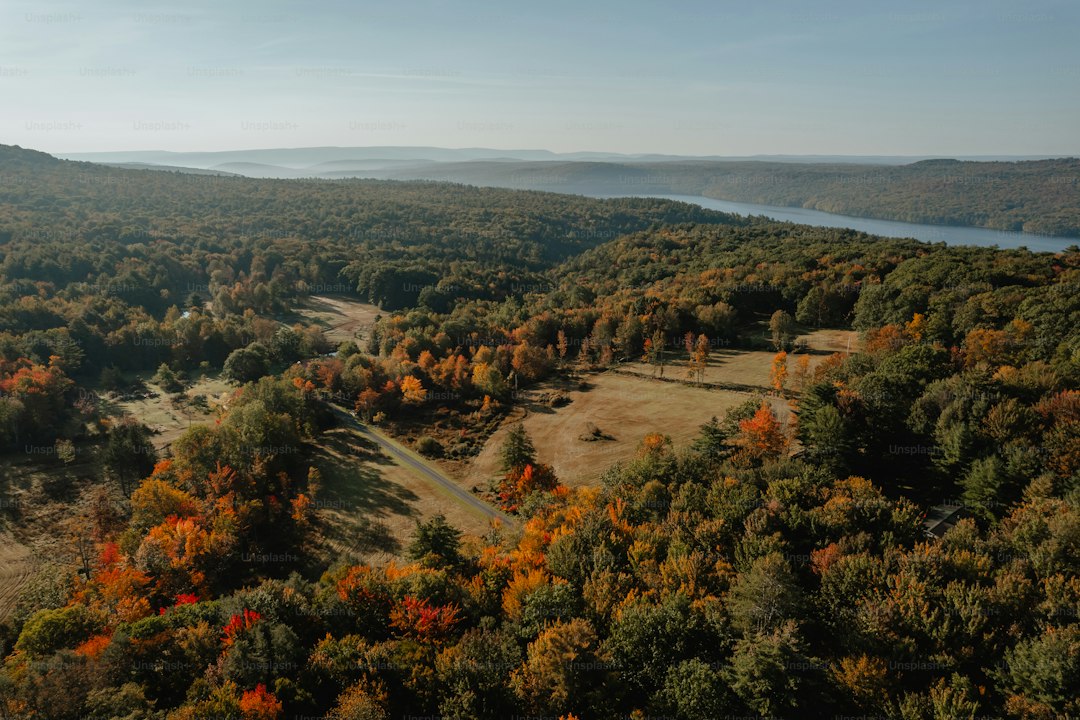
When we talk about crafting the perfect itinerary, I think we often forget that our brains actually need a specific kind of recovery to really feel like we’ve had a break. You’ve probably heard of attention restoration theory, which basically says that if you don't swap those high-energy hikes for some quiet, passive time, you aren't actually decompressing. I like to look at this through the lens of our internal clocks, too. If you hit the trails early in the morning when the air is dense and your body is cool, you’ll perform better, but you have to build in a break for every three hours of climbing to let your ears and your heart rate settle. It’s not just about stamina; it’s about giving your body the space to reset before the next push.
Actually, the science here is pretty cool—just twenty minutes of sitting still in a thick patch of trees can do more for your stress levels than a long, grueling trek. Those organic compounds trees release, called phytoncides, are legitimately linked to better immune function, so treating "nothingness" as a scheduled activity is a smart move. I try to plan my days around the sun, staying active during the morning and seeking out deep canopy shade when the UV index hits its peak. Keeping your schedule limited to just two main events a day is the best way I know to stop that "decision fatigue" that makes a vacation start feeling like a job.
And here is something else to keep in mind: your body handles rest differently depending on how you move. If you just collapse onto a couch after a big climb, you’re missing out, because muscle recovery is actually about 15 percent faster if you do some light, low-impact walking instead. I also make it a point to swap my phone for a book or just the view for two hours before bed, as that does wonders for keeping my sleep cycle on track. If you’re pushing yourself physically, just remember to keep your electrolytes topped off alongside your water; it’s usually that mid-day lethargy that makes us bail on our plans and nap through the best parts of the afternoon. It's all about finding that rhythm where you're doing enough to feel alive, but keeping the pace steady enough to actually let the quiet sink in.
Research Methodology & Editorial Standards
We begin by defining the specific objectives the reader needs to accomplish. Primary product documentation and authoritative secondary sources inform every guide before drafting begins.
Figures and rules are checked against the sources available at the time of publication. Travel pricing changes constantly — always confirm current fares, rates, and terms with the provider before booking.