
How to Plan the Perfect Swedish Summer Escape Like a Local
If you’ve ever found yourself staring at a clock at midnight, confused because it feels like four in the afternoon, you know exactly what I’m talking about.
Embrace the Magic Season: Timing Your Trip for Maximum Daylight
If you’ve ever found yourself staring at a clock at midnight, confused because it feels like four in the afternoon, you know exactly what I’m talking about. Planning a Swedish escape really comes down to whether you want to chase that legendary midnight sun or if you’re looking for a slightly different rhythm. The trick here is understanding that the Earth’s 23.5-degree tilt isn’t just a geography textbook fact—it’s the engine behind your entire itinerary. By timing your visit around the summer solstice, you’re essentially buying yourself an extra half-day of exploration every single day. Trust me, having near-constant light changes how you move through a city; you don't feel that typical evening fatigue that usually sends you back to the hotel.
When you’re up in places like Kiruna from late May through mid-July, the sun just refuses to set, creating this surreal, perpetual golden hour that makes every photo look professional without even trying. Because the sun stays at such a low angle, the light quality is incredibly soft and flattering for hours on end, which is a massive win if you’re into photography or just want to see the landscape in its best possible state. And don't worry about the lack of darkness messing with your head too much; most people actually find they get a weird, pleasant burst of energy that keeps them going longer than they ever would at home. It’s a complete shift from the standard day-night cycle we’re all used to, and honestly, it’s one of those things you have to experience once to really get.
Now, keep in mind that the intensity of this light isn't the same everywhere you go. If you’re traveling from the northern reaches down to a region like Skåne, you’ll notice a pretty significant gradient in how long the sun actually stays up. You might think you’re getting the same experience across the whole country, but you’re looking at several hours of difference in daylight depending on how far north you plant yourself. If you’re dead set on those iconic white nights where the sky just glows forever, stick to the north, but even the southern parts have a charm that’s worth checking out if you prefer a slightly more traditional transition into dusk. Just remember that atmospheric refraction is working in your favor, keeping the sun appearing a bit higher than it mathematically is, which is just nature’s way of giving you a little extra time to wander.
Beyond the Cities: Exploring Sweden’s Hidden Archipelago Gems
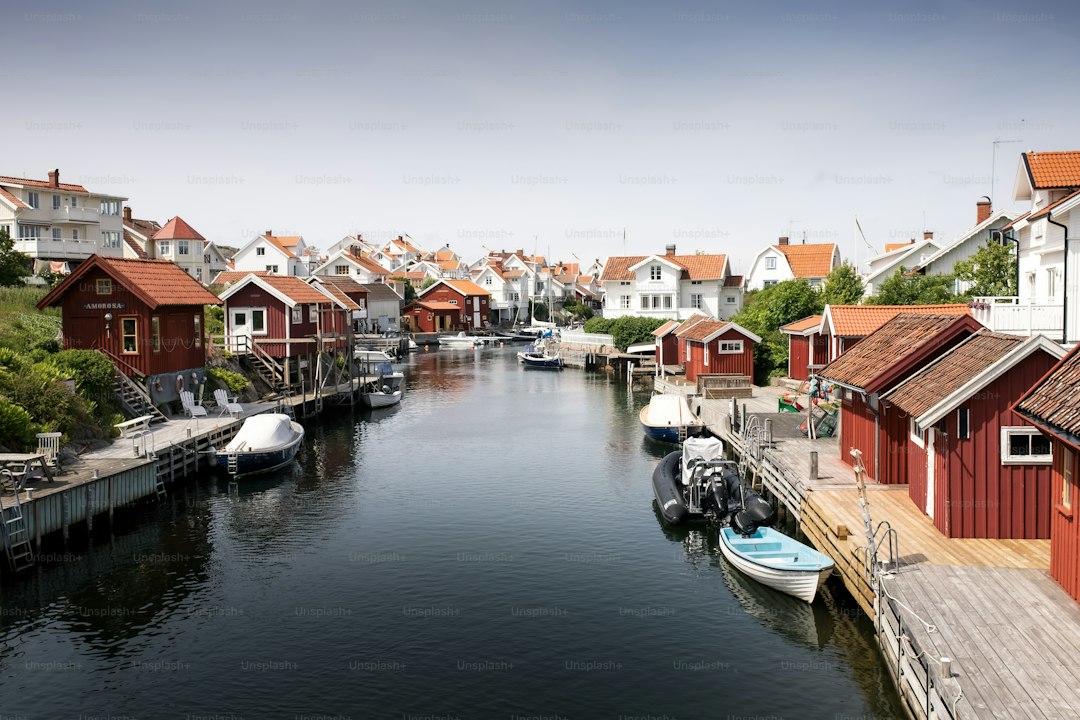
If you’ve spent any time in Stockholm or Gothenburg, you’ve likely caught a glimpse of the water and wondered what happens when you keep going, past the commuter ferries and the well-trodden tourist routes. Let’s be real—the true soul of Sweden isn't in the city squares, but out where thirty thousand islands, islets, and craggy rocks emerge from the Baltic like a puzzle that’s never quite finished. Think of this as a geological masterclass: because of post-glacial rebound, the land is actually rising a few millimeters every year as the earth shakes off the weight of ancient ice sheets. You can literally see this history carved into coastal cliffs, where old water-level marks now sit meters above the current sea. It’s a humbling reminder that this landscape is still very much under construction.
When we talk about the archipelago, it’s easy to group them all together, but there’s a massive functional difference between the east and west coasts that changes how you’ll experience them. If you’re craving saltier water and a warmer microclimate, you need to head west toward the Koster Islands, Sweden’s only marine national park. Because the Gulf Stream pushes warm water through the Skagerrak strait, it creates a unique ecosystem where you’ll find cold-water coral reefs thriving in depths of up to two hundred meters just offshore. The granite and gneiss bedrock acts as a massive thermal battery, soaking up the sun all day and slowly radiating that warmth into the night. It’s why you’ll find wild sea buckthorn clinging to the most exposed, wind-swept rocks, flourishing in temperatures that feel surprisingly temperate for such a northern latitude.
But if you’re looking for a mix of history and nature, don’t skip spots like Utö, where iron mines have been shaping the local economy since the 12th century. It’s a fascinating look at how human industry integrated with these remote, rocky environments over eight centuries. Just keep in mind that navigating these waters is a bit of an art form; the seafloor here is made of glacial till, and the depths can be unpredictable, which is exactly why the traditional wooden boat-building culture is still so vital. Those craftsmen aren't just holding onto a hobby—they’re maintaining vessels capable of threading through the narrow, shallow channels that keep these hidden gems protected from the chaos of modern travel. If you’re really looking to escape, look for the smaller, uninhabited islands that serve as vital nesting grounds for eider ducks, where the quiet is almost absolute.
The Swedish Summer Ritual: How to Experience Midsummer Like a Local
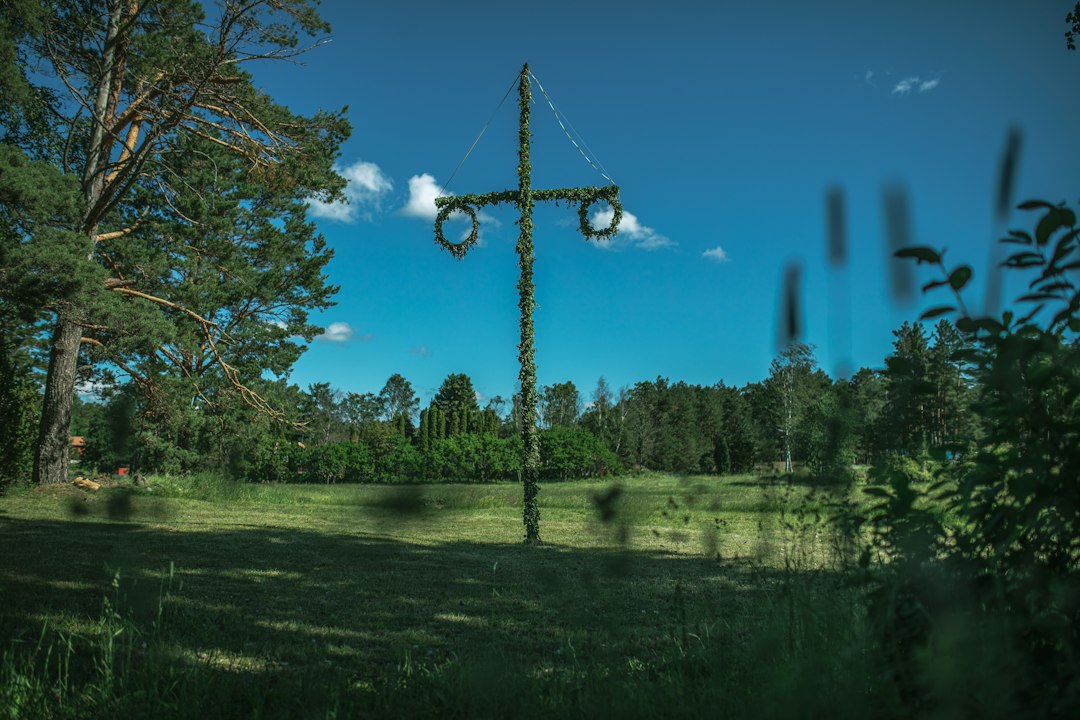
If you’re planning your trip around Midsommar, you’ve got to understand that this isn’t just a holiday; it’s a total societal migration that turns Sweden’s urban centers into ghost towns while the rural countryside erupts in communal celebration. While the solstice itself is an astronomical event, the actual festivities are fixed to the Friday between June 19 and 25, a legal scheduling choice that prioritizes weekend revelry over celestial timing. Think of it as the ultimate seasonal reset, where the focus shifts entirely to fertility, agriculture, and the sheer joy of the longest days of the year. If you want to experience this like a local, you have to lean into the absurdity of the rituals, starting with the maypole dance, where you’ll be expected to mimic a frog during the Små grodorna song—a bizarre but essential rite of passage that feels less like a performance and more like a collective shedding of winter’s weight.
The culinary backbone of the weekend is surprisingly rigid, anchored by a massive intake of pickled herring prepared with varying brines of mustard, dill, or onion. Honestly, the sheer logistical weight of this tradition is staggering, as grocery retailers have to forecast a significant chunk of the country’s annual herring demand for just this single weekend. You’ll also find that the first harvest of new potatoes, boiled simply with fresh dill, is treated with a level of reverence usually reserved for fine wine. And don't forget the aquavit; those communal snapsvisor drinking songs aren't just background noise, but a mandatory, rhythmic precursor to every single shot you’ll take.
If you’re feeling a bit superstitious, you can try the old folklore trick of gathering seven different species of wildflowers to tuck under your pillow, which is said to reveal your future spouse in a dream. The wreaths you’ll see people wearing aren't just for show either; they are typically woven from local flora like cornflowers and oxeye daisies that happen to hit their peak bloom right around this late June window. While modern Midsommar has largely moved toward a secular national holiday, those remnants of fertility rites and the ancient practice of lighting bonfires to ward off spirits still hum in the background of the celebrations. It’s messy, it’s loud, and it’s deeply rooted in the land—if you can manage to snag an invite to a cottage or a local village square, you’re looking at the most authentic slice of Swedish life you’ll ever find.
Coastal Escapes: Discovering Nordic Beaches and Seaside Culinary Delights
When you think of a beach escape, you might picture tropical palms, but there is something uniquely grounding about the raw, granite-edged shores of the Nordic coastline. Let’s look at the science of these spots, because the way the landscape functions actually dictates the quality of the food you’ll find nearby. Take Tylösand in Halland, for instance; it is essentially a natural laboratory where dune grasses like Ammophila arenaria work tirelessly to trap sand and stabilize the shoreline, creating the perfect buffer for the coastal meadows behind them. These meadows aren't just scenery, as they rely on traditional cattle grazing to keep invasive brush at bay, which in turn protects the rare orchids and wildflowers you’ll see while walking to the water. It is a fragile balance that keeps the entire ecosystem—and the local food supply—functioning properly.
If you’re hunting for the best seaside flavors, you have to look at the water chemistry. The west coast benefits from nutrient-dense North Sea currents that make it a powerhouse for cold-water proteins like blue mussels and oysters, which thrive in the highly oxygenated, crisp depths. Meanwhile, the brackish nature of the Baltic Sea creates a fascinating trade-off; it is just salty enough to host diverse crustaceans but too low in salinity for many predatory sea stars, meaning you get a much higher density of small life in the shallow sediments. That chemistry also supports hardy, nutrient-packed plants like sea buckthorn, which packs ten times the vitamin C of an orange, and sea kale, a wild vegetable that local chefs in Halland are increasingly putting at the center of their menus to keep foraging practices sustainable.
Beyond the plate, there is a physical intensity to these beaches that you can actually feel. At spots like Sandby badplats on Öland, you’re swimming in water warmed by limestone bedrock that acts as a solar heat sink, holding onto the day's warmth long after the sun dips. You’ll even find spots in the Baltic where cold, fresh water from limestone aquifers bubbles up directly into the sea, creating distinct micro-habitats that support rare marine flora you won't see anywhere else. It’s worth noting that the very sand under your feet, especially in Skåne, is the byproduct of ancient glacial erosion that pulverized massive amounts of granite into soft, silica-rich powder over millennia. When you visit these spots, you’re not just hitting a beach; you’re interacting with a landscape that’s still being shaped by its own geography, and honestly, that’s the best part of the journey.
Navigating Public Holidays: Strategic Planning for a Seamless Vacation
When you’re planning a trip to Sweden, you’ll quickly realize that the local calendar operates on a rhythm that feels almost like a secret code. Honestly, the most vital thing to get your head around is the concept of klämdagar, or squeeze days, where folks take a Friday or Monday off to bridge a public holiday with the weekend, effectively turning a standard break into a four-day escape. It’s such an ingrained part of the work culture that you’ll see a noticeable dip in national productivity metrics on those specific dates. If you don't account for this, you might find your favorite restaurant or boutique shuttered unexpectedly. It’s worth noting that if a public holiday falls on a Saturday or Sunday, you won't get an extra day off in compensation, which is a quirk of the labor law that you really need to keep in mind when booking your flights.
You should also be aware that the country’s infrastructure shifts gears entirely during these red days. Public transport providers don’t just wing it; they rely on historical passenger data from the last five years to calibrate their holiday timetables, which usually means lower frequency. If you’re traveling through smaller towns, keep in mind that the legacy of the industrial vacation, or industrisemestern, still echoes today. Even if the manufacturing sector doesn't shut down as completely as it once did in July, the availability of certain services and supplies in production-focused areas can be surprisingly thin. It’s a bit of a logistical dance, especially when you consider that major roadwork is often scheduled by the transport administration during these quiet windows to keep the main arteries flowing for vacationers.
Another thing that catches travelers off guard is how the retail and cultural landscape reacts. Systembolaget, the state-run liquor stores, are strictly closed on most of these red-letter days, so you’ll want to time your supplies accordingly. Meanwhile, museums in hubs like Stockholm aren't just sitting idle; they use these surges in domestic tourism to ramp up their climate control and visitor management systems to protect their collections. Even grocery stores are running inventory algorithms tuned to this massive shift in consumer behavior from the city to the countryside. It’s honestly impressive how the country adjusts, but it does mean you need to be a bit more strategic with your itinerary. My best advice is to check the local calendar against your travel dates before you lock anything in, because in Sweden, the holiday schedule isn't just a suggestion—it’s the heartbeat of the season.
Seasonal Celebrations: Why Local Festivals Should Anchor Your Itinerary
If you’re still mapping out your Swedish summer, here is what I think you need to prioritize: stop trying to check every major site off a list and start pinning your travel dates to the local festival calendar. It sounds counterintuitive when you want to see as much as possible, but these gatherings act as genuine micro-economic engines, often boosting local retail revenue by nearly 40 percent in a single weekend. I’ve found that by aligning your route with these events, you’re not just watching the country go by—you’re stepping into a rhythm that’s been calibrated over centuries. Think about it: many of these festival grounds sit right on top of Iron Age assembly sites, meaning you’re literally walking the same paths regional leaders took over a thousand years ago.
But beyond the history, there’s a real, tangible benefit to your own well-being during the trip. Research into Swedish social cohesion suggests that participating in these shared song and dance rituals can actually lower your cortisol levels, acting as a much-needed psychological buffer against the inevitable stress of navigating a foreign country. Plus, you’re getting access to hyper-local, nutrient-dense foods—like specific forest berries or fermented staples—that you simply won't find on a standard urban supply chain. It’s a bit of a trade-off, sure, because these events require you to slow down and stay in one place, but you gain an authentic look at the local land-use customs that you just can't get from a guidebook.
Honestly, the way these festivals are organized is a marvel of its own, with many administrative networks tracing their roots back to medieval guild structures. You’ll notice the acoustics in these village squares are often perfect, as the surrounding timber architecture functions as a natural resonance chamber, which really makes the folk music feel alive in a way a concert hall never could. It’s also the best way to see how the locals celebrate their connection to the land, whether it’s through seed-swapping heirloom vegetables or practicing age-old crafts like birch-bark weaving. If you’re looking to move past the surface-level tourist experience, this is the way to do it. Just keep an eye on the local calendars before you lock in your train tickets, because once you’re embedded in one of these celebrations, you’ll realize the entire itinerary finally makes sense.
Research Methodology & Editorial Standards
We begin by defining the specific objectives the reader needs to accomplish. Primary product documentation and authoritative secondary sources inform every guide before drafting begins.
Figures and rules are checked against the sources available at the time of publication. Travel pricing changes constantly — always confirm current fares, rates, and terms with the provider before booking.