
How to Plan a Meaningful Father and Son Trip to Americas Historic Landmarks
The fresh air and the wandering nature of an open historic site seem to trigger the kind of emotional openness that just doesn't happen in a cramped museum gallery.
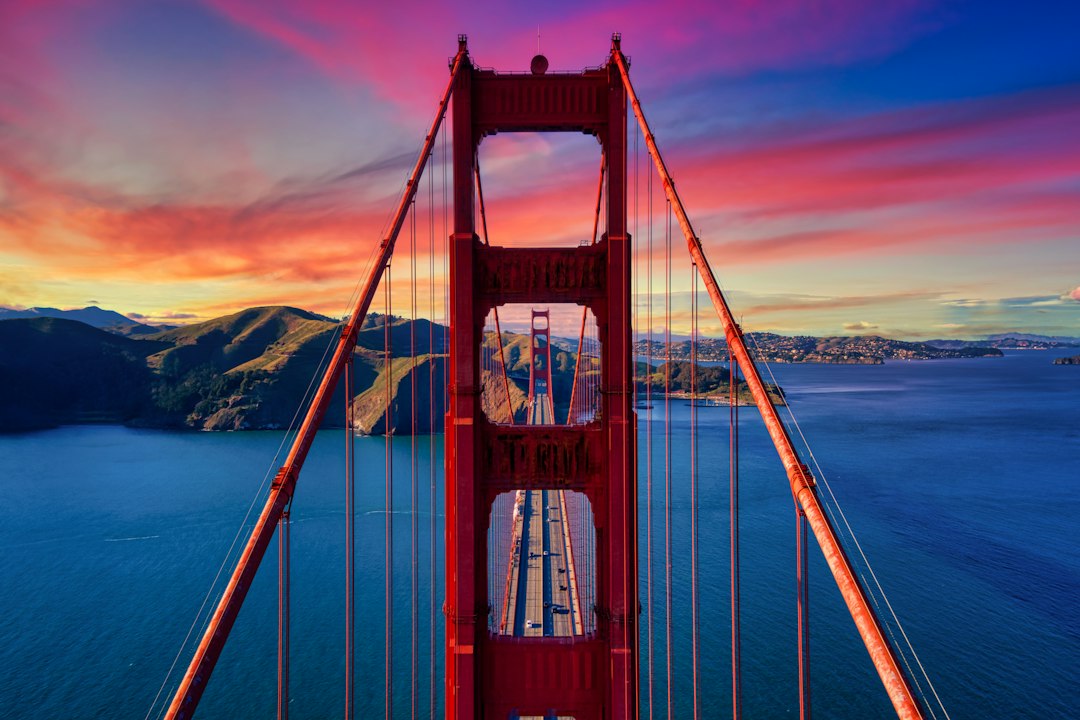
Selecting Landmarks That Spark Intergenerational Conversation
You know that moment when you’re standing in front of a monument and the silence between you and your son feels heavy, like you're both waiting for the other to say something profound? I’ve realized that the secret isn't just picking a famous spot; it’s choosing a place that physically forces you to interact. Research shows that if you pick a site with interactive elements or tactile ruins, you’re creating a shared sensory vocabulary that actually bridges the age gap. It’s hard to lecture when you’re both busy climbing a trail or figuring out a map together. Think about it: when you trade the formal tour guide experience for a site that requires some actual exertion, the conversation just flows better.
And here is the thing about the psychology behind this—it’s not just about the history books. When you visit a place that highlights conflicting narratives or social struggles, you aren't just looking at a plaque; you’re setting the stage to talk about real moral choices. It’s much easier to discuss ethics when you’re looking at a battlefield or a site of past unrest because the weight of the location demands an honest reaction. Plus, there is something about being outside that physically changes how we connect. The fresh air and the wandering nature of an open historic site seem to trigger the kind of emotional openness that just doesn't happen in a cramped museum gallery.
I also think we should be deliberate about picking spots that mean something to us personally, like a place that links back to a memory from when we were our sons' age. There is this concept called the reminiscence bump that basically says if you’re genuinely moved by a location, your storytelling becomes more authentic and your son is way more likely to actually hang onto what you’re saying. It stops being a history lesson and starts being a piece of your family identity. It’s about creating that continuity, where he starts to see his own life as part of a longer story that began with you. Honestly, if you can find a spot that challenges the standard narrative, you’re going to get much further than you would at a standard, static monument.
Researching Historical Context to Enrich Your On-Site Experience
I’ve found that the real magic on these trips starts way before we even pack our bags, specifically when we take the time to dig into the actual historical context of where we’re headed. Think about it: if you show up to a landmark with nothing but a brochure, you’re just a tourist looking at a rock or a building. But if you spend a few nights looking at primary sources—like old film archives or period journals—you start to see the cracks in the polished history we were taught in school. There’s something wild about realizing that the city streets you’re walking on today were designed to solve problems that were just as messy as the ones we deal with now. It gives you a baseline for comparing those past struggles to our own lives, which makes the whole trip feel a lot more grounded.
And here is the thing about the science behind this: when you come prepared with a bit of "insider" knowledge, you’re essentially creating an extended mind for your trip. You aren't just observing; you’re engaging with the architecture as a living piece of evidence. I’ve noticed that when you and your son have a specific, perhaps even unsolved, historical question to look for, you’re forced to move past the passive "oohing and aahing" and into a state of active, critical thinking. It turns the landmark into a puzzle you’re solving together, which shifts the dynamic from a parent giving a lecture to a team working through a mystery. You’re essentially using the physical space to trigger deeper conversations, and that’s where the real connection happens.
Maybe it’s just me, but I really believe that looking at things like old maps alongside our modern GPS really bridges the gap between abstract events and the physical reality under our feet. When you know, for example, why a specific wall was built or what a battlefield sounded like through the eyes of someone who was actually there, the location stops being a static monument. It becomes a gateway to talking about the social and political tensions that shaped the world he’s living in now. It’s not about memorizing dates or winning a trivia contest. It’s about building a shared sense of place attachment that anchors the whole experience in something real, something that’s going to stick with both of you long after you’re back home.
Balancing Educational Exploration with Authentic Bonding Activities
When you’re trying to pack a trip with enough history to feel worthwhile but enough fun to actually keep your son engaged, it’s easy to fall into the trap of over-scheduling. I’ve found that if you treat the itinerary like a checklist, you end up with a tired kid and a missed connection. Instead, think about how your brain actually processes these moments. Cognitive science suggests that when you and your son tackle a physical challenge together—like navigating a colonial-era fortress without relying on your phone—you’re doing more than just finding your way. Your brain patterns literally start to synchronize, which creates a shared sense of accomplishment that feels far more real than any guided tour.
It’s also worth noting that the "peak-end rule" is a game changer for how you plan your days. Your son isn't going to remember the average of every museum plaque you read; he’s going to remember the most intense moment and how the day wrapped up. If you spend all your time on low-stakes sightseeing, you’re missing the chance to trigger that emotional spike. Try hitting a steep staircase or a rugged trail; that mild physical exertion raises your heart rate, which often gets misattributed to the excitement of the company you're keeping. Plus, getting outside into a nature-integrated site actually drops your cortisol levels, putting you both in a better spot to have a real conversation instead of a lecture.
The best trick I’ve learned for keeping things authentic is to stop acting like the expert. When you admit you don't know the answer to a question, you lower the barrier for him to engage, turning the trip from a performance into a genuine collaboration. I always look for those transition periods, like waiting for a bus or walking between spots, because that’s when the walls come down and the meaningful stuff actually gets said. Just try putting the devices away for those chunks of time; it forces joint attention in a way that just doesn't happen when one of you is checking a map on a screen. If you focus on the personal stories of the people who lived there rather than just the dates on a wall, history stops being a chore and starts becoming a shared mystery you’re solving together.
Essential Logistics for Navigating America’s National Heritage Sites
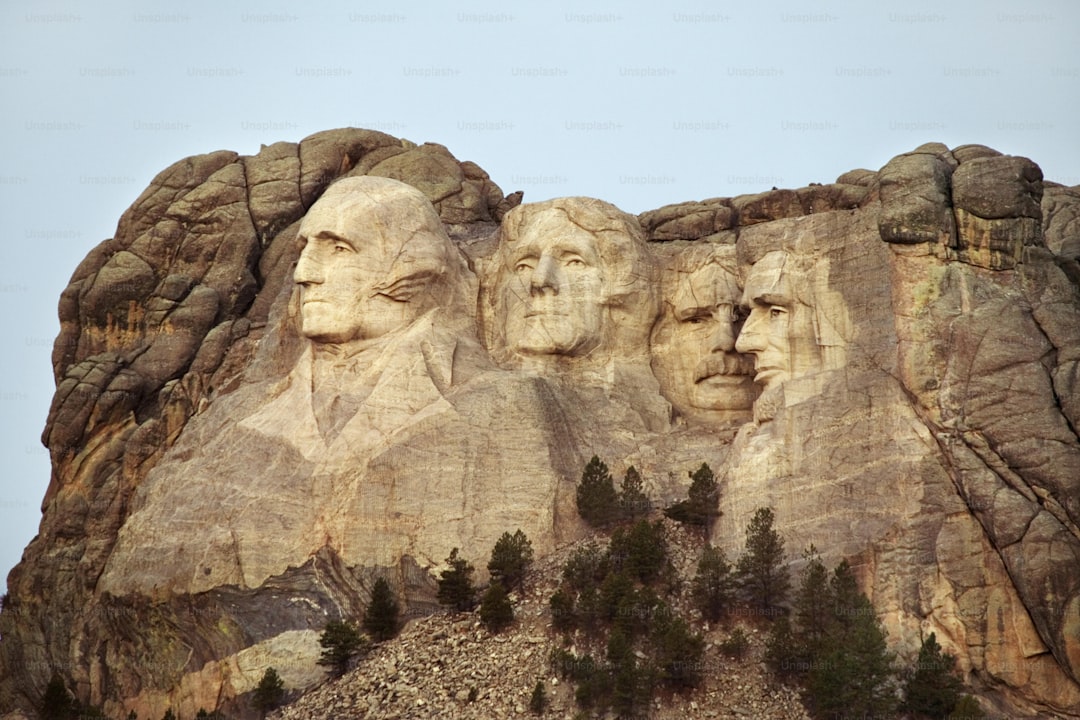
When you’re planning a trip to these heritage sites with your son, I’ve found that the logistics often matter more than the actual itinerary. First, realize that those standard GPS apps we all rely on can be surprisingly unreliable in remote areas, where signal attenuation in deep canyons drops to almost nothing; you really need to download offline topography layers before you even leave home. It’s also worth checking the site’s official operational dashboard early in the morning, as many places now use automated sensors to track parking capacity that will steer you away from lots that hit 95% occupancy by 10:00 AM. And don't rely on regional weather forecasts, as the specific materials in historic structures like adobe or limestone create their own micro-climates that standard apps just can't predict accurately.
If you want a more immersive experience, look into whether the site uses proprietary radio beacons for their audio tours, because those provide high-fidelity data you just won't find on your phone, though you’ll need to grab the physical receivers at the visitor center first. I always check the federal management plans for specific access restrictions, too, since many of these sites have seasonal road closures to protect migratory wildlife that never seem to make it onto commercial travel sites. It’s also important to be mindful of "viewshed" constraints at larger battlefields, where certain paths are off-limits to preserve that authentic 19th-century horizon line; knowing these boundaries keeps you from accidentally wandering into restricted areas.
Finally, let's talk about the gear and the physical reality of these spaces. Preservation mandates often mean you can’t use standard trekking poles or certain synthetic footwear on fragile stone surfaces, so checking those guidelines beforehand saves you the headache of being turned away at the gate. I also make it a point to map out where the potable water hubs are, because in many 18th-century preserves, the old water infrastructure is long gone and you’ll need to intersect with specific, reliable stations every few miles. If you can time your visit for the astronomical twilight period, you’ll often find a 40% reduction in crowds and a much quieter, more reflective atmosphere. It’s not just about getting there; it’s about anticipating the environment so the two of you can focus on the history instead of the stress of navigating it.
Encouraging Reflective Dialogue Through Shared Historical Discovery
Let’s pause for a moment and think about why we’re really out here in the field, dragging maps and gear across historic ground. It isn't just about checking a box on a sightseeing list; it’s about that specific, quiet magic that happens when you and your son stop being tourists and start acting like investigators. When you visit a site with tactile ruins or physical remnants of the past, you aren’t just looking at history—you’re activating your somatosensory cortex, which is a fancy way of saying you’re making those dry facts feel physically real. I’ve noticed that when we move beyond the passive "oohing and aahing" and actually start puzzling over why a wall was built a certain way or how a structure survived a battle, the whole dynamic shifts. You’re no longer a lecturer; you’re a teammate.
The science behind this is pretty compelling, too. Studies suggest that when you verbalize your observations to each other—literally saying your thoughts out loud—you’re boosting your memory retention by about forty percent compared to just thinking them over in your head. It’s like the act of teaching or explaining something to your son actually cements the experience in both your brains. Plus, there’s this physiological synchronization that happens; when you’re both navigating a trail or trying to solve a historical mystery, your heart rates actually start to align. That physical state of working toward a shared goal seems to drop your stress markers and creates a kind of social scaffolding that makes it way easier to talk about the bigger, more meaningful stuff.
Honestly, don’t worry if you don’t have all the answers, because admitting you have a knowledge gap is probably the best move you can make for the trip. When you stop acting like the expert, you’re inviting him into a genuine collaboration where the power dynamic levels out and the conversation can finally breathe. I find that when we hit those spots where the history feels a bit messy or the narratives aren't perfectly aligned, we end up talking way longer than we would at a standard, static monument. It turns out that a little bit of historical ambiguity is exactly what you need to trigger that deep, reflective dialogue. It’s not about memorizing the right dates; it’s about using these sites to show him that his own life is just one chapter in a much, much longer story.
Documenting Your Journey: Creating a Lasting Legacy of the Trip
When we’re out there on the road, it’s easy to focus solely on the next landmark, but documenting the trip is actually where the real, lasting connection is built. I’ve found that if you rely on proprietary apps to store your memories, you’re taking a gamble that those platforms won't just sunset in a few years, which is why I always advocate for non-proprietary formats like PDF/A or raw files. It sounds technical, but it’s really just about ensuring that when your son is older, he can actually open these files without hitting a digital dead end. Plus, there is something about the physical act of journaling that changes the game. Research shows that handwriting your reflections provides bilateral brain stimulation, which significantly boosts how much emotional detail you’ll actually remember down the road.
If you want to move beyond just taking photos, try incorporating tactile elements like ticket stubs or pressed leaves into a physical logbook. These bits of sensory input serve as much stronger retrieval cues for your memory than a flat digital image ever could. And here is a secret for keeping the momentum going: use the Zeigarnik effect by leaving one specific historical mystery intentionally unresolved during the trip. It sounds a bit counterintuitive, but it naturally pushes both of you to return to the research phase together once you’re back home, keeping the dialogue alive long after the flight lands.
Don't forget that your son’s perspective is just as valid as yours, so I’ve started using a shared logbook where we both contribute daily entries. It’s a simple way to make the documentation feel like a democracy rather than a history lecture, preventing your own view from eclipsing his unique observations. If you’re worried about the space all these souvenirs take up, just scan them in high resolution to preserve their texture without cluttering your house. Ultimately, reviewing your documentation together within that first month of returning acts as a vital form of social reinforcement. It turns those fleeting moments of travel into a solid, tangible narrative that effectively anchors your family history in something real and lasting.
Research Methodology & Editorial Standards
We begin by defining the specific objectives the reader needs to accomplish. Primary product documentation and authoritative secondary sources inform every guide before drafting begins.
Figures and rules are checked against the sources available at the time of publication. Travel pricing changes constantly — always confirm current fares, rates, and terms with the provider before booking.