
How to Get Your Family into Every National Park for Free
If you have a child heading into fourth grade, you’re sitting on what I honestly think is one of the best-kept secrets for family travel: the Every Kid Outdoors program.
The Every Kid Outdoors Program: Your Ticket to Free Access
If you have a child heading into fourth grade, you’re sitting on what I honestly think is one of the best-kept secrets for family travel: the Every Kid Outdoors program. Think of it as your golden ticket to over 2,000 federally managed sites, ranging from those bucket-list national parks to hidden-gem wildlife refuges that rarely see a crowd. The program is intentionally mapped to fourth-grade curricula because that’s the developmental window where kids really start grasping environmental concepts, making it the perfect time to get them outside. You don’t need to worry about waiting for a plastic card to show up in the mail, either; you can just hop on the official portal, complete a quick activity, and download the voucher right to your phone. It’s a total game-changer for spontaneous weekend trips.
And here is the part that usually surprises most parents: the voucher is incredibly flexible. Whether your student is in a traditional classroom or you’re homeschooling, they’re eligible, and you can even use self-certification forms to verify their grade level. Just keep in mind that while it covers entrance fees for the whole vehicle or the entire family, it won’t wipe out those extra costs like camping site fees, specialized tours, or boat rentals. You’re still going to pay for those extras, so look at the pass as a solid foundation for your budget rather than a total free ride. It’s really meant to remove that initial barrier to entry, which is often the biggest hurdle for families who haven't spent much time on federal lands before.
If you’re a teacher or part of a school group, you can even grab bulk bundles to make field trips possible on a shoestring budget, which is a massive win for schools that usually have to pass those costs onto parents. I’ve noticed that usage absolutely skyrockets during the summer months, which makes sense since that’s when most families are planning their big annual road trips anyway. It’s a smart, data-driven initiative that doesn't just hand out freebies—it’s actually building a habit of conservation by catching kids at that specific, impressionable age. My advice? Print that voucher out or keep it saved in your travel folder, because once September 1st hits, you’ve got a full year to explore as much as you possibly can before that window closes next August.
Eligibility Requirements: Does Your Family Qualify?
When I look at how many families miss out on these benefits, it honestly comes down to a misunderstanding of who actually qualifies. You might think this requires some complex bureaucratic paperwork, but the beauty of the system is how intentionally low-friction it remains. Whether your child is in a public classroom, a private school, or learning at home, the door is wide open. I’ve found that the real key is focusing on the age range rather than the specific type of enrollment, which makes the whole process feel much less intimidating. And no, you don't need to be a U.S. citizen to take advantage of this; international students attending school here are just as welcome to claim their pass.
It’s also worth noting that the program is surprisingly flexible when it comes to the logistics of your travel plans. Because the benefit is tied to the student, the voucher stays valid even if they’re traveling with an aunt, grandparent, or family friend instead of their legal parents. You don’t need to worry about providing transcripts or hunting down enrollment records, as the platform relies entirely on self-certification to keep things moving. I really appreciate how the agency kept the administrative hurdles to a minimum here, especially compared to how complicated other government aid programs can get. You just complete the online activity, grab your digital voucher, and you’re essentially set for the year.
Think about the timing for a second, because this is where a lot of families accidentally leave value on the table. The eligibility window is specifically designed to bridge the gap between academic years, keeping your access active through the summer following that fourth-grade milestone. This means if you play your cards right, you can effectively squeeze two full summer road trip seasons out of a single pass. Since the validity lasts for a full twelve months starting in September, you really have a massive, predictable window to explore federal lands without stressing over entrance fees. It’s one of those rare instances where the government actually makes it easy to get out and start exploring.
How to Claim and Print Your Official National Park Pass
The beauty of the official digital voucher platform is that it’s hosted on a specialized government domain, meaning you don't have to navigate a labyrinth of account creation or share personal data just to get out into nature. I’ve found that while the system offers a physical print option, park rangers are fully trained to scan mobile versions, so you really don’t need to waste a drop of ink or a sheet of paper to gain entry. The platform generates a high-resolution QR code that allows for near-instant verification by the handheld scanners used at remote park kiosks. Once you finish the quick educational activity online, you’ll get a unique, timestamped PDF that acts as your golden ticket. And honestly, if you lose that printout, it’s not the end of the world—you can just re-download the original file from the site as long as you're within the active calendar window.
I think it’s worth noting that the developers clearly built this with the actual traveler in mind, as the site is optimized for low-bandwidth environments. That means even if you’re sitting at a remote trailhead with only one bar of service, you can likely pull up your pass without the site hanging or crashing. It’s a huge relief, especially since it doesn't track your geolocation during the download process—a rare and welcome bit of privacy in the world of federal web portals. You can easily tuck the file into your mobile wallet right next to your airline boarding passes, making it feel just as seamless as any other digital ticket you’re used to using.
The architecture is updated every August to ensure the transition between academic years is smooth, regardless of where you are in the country. Since the system generates these vouchers on-demand, you could theoretically pull into the park parking lot, realize you left your paperwork on the kitchen table, and secure your access right from your driver’s seat. The software even includes a smart check to remind you to finish that educational activity before trying to print, which saves you the headache of showing up at a gate with an invalid document. Plus, the file size is kept under 200 kilobytes, so you aren't going to burn through your data plan just to get your pass. It’s a surprisingly modern, user-friendly approach to public land access that actually works when you need it most.
Navigating Park Entrances: What You Need to Bring Along
Getting to the park gate is only half the battle, and honestly, the final stretch is where most families get tripped up by simple logistics. You might think having your digital pass ready is enough, but I’ve learned the hard way that relying on a live internet connection at a remote trailhead is a recipe for a headache. Many parks have absolute dead zones where your phone will struggle to pull up that PDF, so do yourself a favor and save the file directly to your phone’s local wallet or storage before you even leave home. It’s also worth remembering that rangers at the busier gates are now using high-speed optical scanners that can read your voucher right through the windshield, which is a massive time-saver if your QR code is clear and your screen brightness is turned up.
And here is something that catches a lot of people off guard: your entrance pass isn't a magic key for everything. Even with your voucher in hand, many high-traffic parks now require a separate, timed-entry reservation that you have to book months in advance, so don't assume your arrival is guaranteed just because you have the paperwork. Also, keep a physical ID handy because rangers do occasionally verify that the person presenting the pass matches the credentials on the file, especially during peak seasons. If you’re towing a trailer or driving an oversized vehicle, be prepared for different administrative protocols, as some sites might require an extra on-site permit that sits outside your standard pass benefits.
Think about the arrival time, too, because these entrance protocols can shift in a heartbeat if the weather turns or if the park hits capacity. Some locations rely on automated license plate recognition, meaning you’re effectively logged into their traffic management system the moment you pull up, regardless of whether you’re chatting with a human attendant or using a self-registration kiosk during the off-peak shoulder seasons. If you’re heading to a wildlife-heavy park, I’d suggest keeping your documentation on you while you hike, as backcountry rangers do perform spot checks to ensure everyone in the zone is accounted for. It might sound like a lot of hoops to jump through, but once you’ve navigated that entry lane a few times, it honestly becomes second nature and feels like a small price to pay for the access you’re getting.
Maximizing Your Savings Beyond Entrance Fees
Once you’ve secured your entry, you’re really only scratching the surface of what it costs to explore these massive landscapes. I find that most families head into a trip thinking the pass is the end of the budget conversation, but the real expenses—the ones that add up quietly—are in the daily logistics. Let’s look at how you can stop bleeding money on the little things. First off, stop buying firewood at the campground store; prices there are usually marked up for pure convenience, so grabbing your wood from a local vendor just outside the park boundary is a simple, immediate way to save.
And don't overlook the food situation, because that’s usually where the biggest chunk of a family budget disappears. Packing your own high-calorie, non-perishable meals for the trail can easily save you fifty dollars a day compared to relying on park concessions, which are notoriously expensive and limited. If you’re worried about water weight, just invest in a reliable filtration system. It lets you safely tap into natural sources, so you aren't stuck paying a premium for bottled water at every single visitor center. It’s a bit of extra gear, sure, but it pays for itself after just one long weekend.
I also like to keep an eye on the park’s official calendar for freebies that most people ignore. You can skip those paid tours entirely by hitting up the visitor center for free ranger-led nature walks and educational presentations, which honestly offer a much more personal connection to the land anyway. If you’ve got kids who want to learn, bring your own binoculars and field guides instead of renting the kits the parks push at the desks; you’ll have better equipment and zero rental fees. Even your choice of timing matters, as visiting during the shoulder season frequently unlocks significantly lower rates on park-managed lodging.
If you really want to level up your game, look into local volunteer programs or citizen science projects. Some offer waived camping fees and even utility hookups if you’re willing to commit to a bit of service, which turns a standard vacation into something way more immersive. I’ve even started using the alert features on the Recreation.gov app to track cancellations for booked-out campgrounds, which is a total lifesaver when you’re planning a last-minute trip. It takes a little extra legwork, but these moves turn a trip that feels like a budget drain into something far more manageable. Ultimately, it’s all about being a bit more intentional before you even pull into the park gate.
Planning Your Itinerary: Top Family-Friendly National Parks to Visit
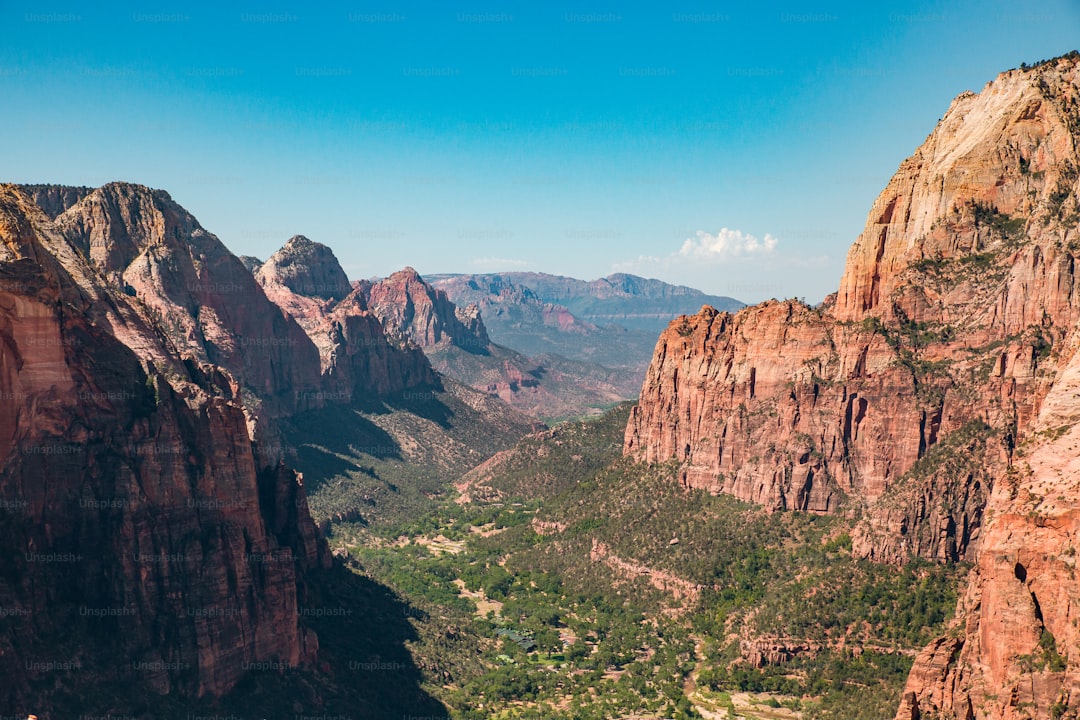
When you're staring down the logistics of a family road trip, it’s easy to feel overwhelmed by the sheer scale of the National Park system. I’ve found that the secret to a successful itinerary isn’t just picking the most famous spot, but balancing your kids' stamina against the specific geological or ecological features that make a park worth the trek. For instance, if your crew thrives on sensory variety, Olympic National Park is a massive winner because you’re essentially getting three distinct climate zones—coast, rainforest, and alpine peaks—in one drive. Conversely, if you’re looking for high-impact visual education, the dramatic verticality of Zion’s slot canyons or the nearly two billion years of history exposed in the Grand Canyon’s walls offer a lesson in geology that no textbook can replicate. It’s all about matching the park’s primary characteristic to the age and curiosity level of your children.
Think about the physical reality of these environments, too, because accessibility varies wildly between sites. While a park like the Everglades is fascinating for its unique status as the only place on Earth where alligators and crocodiles coexist, the flat, water-based terrain requires an entirely different set of gear and patience compared to a high-altitude destination like Rocky Mountain National Park. You’ll want to check if the park relies on high-elevation transit, like Trail Ridge Road, which hits over 12,000 feet, as that can be a tough adjustment for younger kids. I always prioritize parks that offer "low-floor" entry points—like the manageable, kid-friendly loop hikes at Mt. Rainier—to keep the momentum high without burning everyone out by noon.
Ultimately, you’re looking to maximize the "wow" factor while keeping the transit time manageable. I’ve noticed that families who skip the "must-see" pressure and focus on one specific, awe-inspiring feature—like the 750-foot dunes at Great Sand Dunes or the geyser basins in Yellowstone—tend to have a much better time. It’s better to really dig into one unique ecosystem than to sprint through four different parks in a week. Just make sure you’re cross-referencing your top picks with current park status updates, as even the best-laid plans need to adapt to weather or seasonal capacity limits. If you approach it as a series of small, discovery-based adventures rather than a checklist of monuments, you’ll find that the best memories usually happen in the quiet moments between the big sightseeing stops.
Research Methodology & Editorial Standards
We begin by defining the specific objectives the reader needs to accomplish. Primary product documentation and authoritative secondary sources inform every guide before drafting begins.
Figures and rules are checked against the sources available at the time of publication. Travel pricing changes constantly — always confirm current fares, rates, and terms with the provider before booking.