
How to Get Free National Park Access for Your Entire Family Using the Fourth Grade Pass
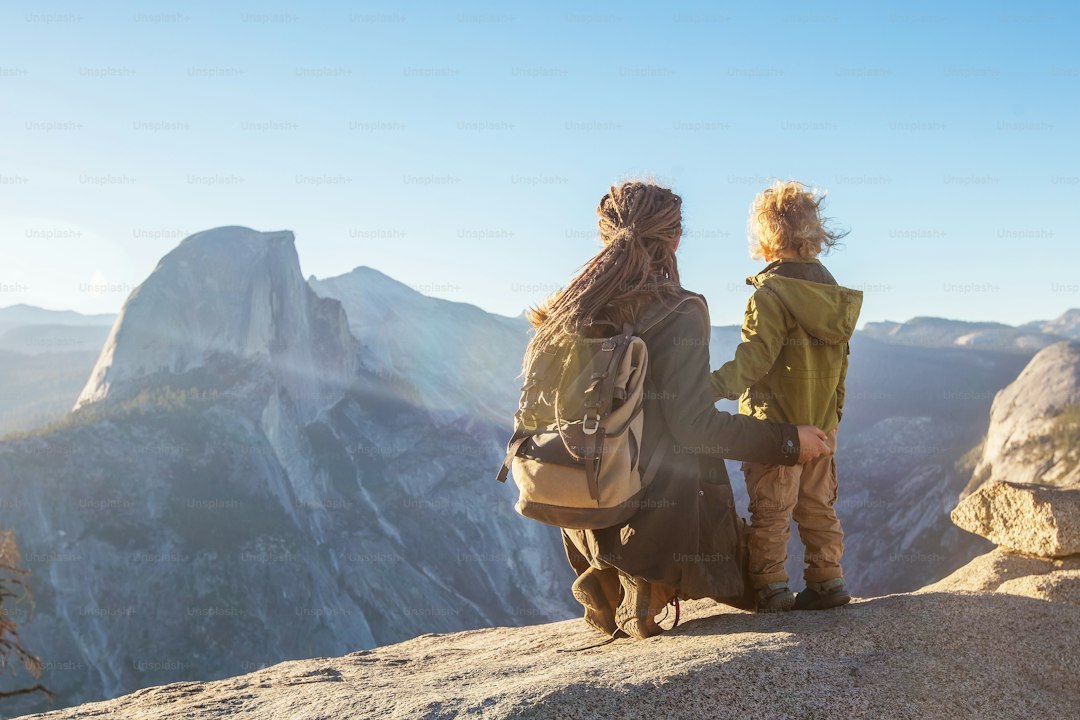
At its core, the program is built around a simple, evidence-based idea: fourth grade is that magic developmental window where kids are uniquely primed to form a lasting bond with the outdoors.
Understanding the Every Kid Outdoors Program: Eligibility and Benefits
Let’s talk about the Every Kid Outdoors program, because honestly, it’s one of those rare government initiatives that actually delivers on its promise without a mountain of paperwork. At its core, the program is built around a simple, evidence-based idea: fourth grade is that magic developmental window where kids are uniquely primed to form a lasting bond with the outdoors. By granting these students and their families free access to over 2,000 federal recreation sites, the initiative aims to bridge the gap between classroom theory and real-world exploration. It isn’t just about national parks, either; your pass works at national forests, wildlife refuges, and marine sanctuaries managed by agencies like the Bureau of Land Management.
If you’re planning a trip, here’s how the math actually works for your wallet. If you’re rolling up to a park that charges by the vehicle, your pass covers the whole carload, which is a massive win for families or carpooling groups. On the flip side, if you happen to visit a site that charges per person, the pass covers the student and up to three accompanying adults. Just keep in mind that this is strictly an entrance fee waiver. It won’t cover your camping, boat launches, or those specialized tours that always end up costing more than you expected.
One thing that’s really helpful to remember is the timing, as the pass is valid from the moment a child starts fourth grade all the way through the following August. This gives you a full, bonus summer of access, even after the school year wraps up. While we’ve moved to a mostly digital-first system for convenience, I’d strongly suggest printing a physical copy of that pass before you head out. Trust me, you don’t want to be standing at an unstaffed gate in a remote area with zero cell service, unable to pull up the digital verification. It’s also worth noting that if you’re an educator, you can grab vouchers for your entire class to make field trips happen that might otherwise be totally out of budget.
Step-by-Step Guide: How to Apply for Your Fourth Grade Pass
Applying for your fourth grade pass is honestly one of the most streamlined processes you'll encounter in government services, and it’s a refreshing change from the usual bureaucratic hurdles. You aren't going to be hit with complex forms, and you don’t need to provide a social security number or any sensitive student identification to get your hands on it. The developers behind the Every Kid Outdoors portal clearly prioritized user privacy, as the platform is built to be essentially anonymous; it doesn’t track your IP address or even require an email address to function. You’re essentially just visiting a site, grabbing a PDF, and walking away, which is exactly how digital public services should work in 2026.
Here’s the reality of the workflow: you just head to the official website on your phone, answer a few quick questions, and the pass is ready in less than sixty seconds. Since the site is mobile-optimized, you can save the file directly to your digital wallet, making it incredibly easy to pull up when you're standing at a park entrance. I’d suggest grabbing a copy on both your phone and a secondary device, or even keeping a PDF backup in your cloud storage, just to be safe. Because the system uses an honor-based verification rather than a slow database cross-reference, you won’t face any of those annoying delays caused by school system backlogs or missing registration records.
It’s also worth pointing out that if you happen to forget your physical printout, you shouldn't worry too much. Most park kiosks are already set up to swap your digital pass for a physical vehicle hangtag if one is required for your visit. And if you’re traveling with a larger crew, just remember that the policy is tied to the student, so if you have multiple fourth graders, you can technically secure multiple passes to cover larger groups. The pass remains valid through August 31st of the year your child finishes the grade, giving you that extra bit of flexibility for late-summer trips. It’s a straightforward, no-nonsense setup that really does respect your time and your family's privacy.
Maximizing Your Savings: What the Pass Covers for Your Entire Family
Let’s talk about how this pass actually moves the needle on your travel budget, because honestly, the savings can add up much faster than you might think. When you look at the sheer breadth of the program, it covers entrance fees at over 2,000 federal recreation sites, which includes way more than just the famous national parks you see on postcards. You’re getting access to expansive areas managed by the U.S. Army Corps of Engineers and standard amenity fees at Bureau of Land Management sites that would otherwise hit your wallet with day-use charges. It’s a massive win for road trips where you’re hitting multiple stops, as those individual entrance fees at national monuments and historic sites often sneak up on you.
Think about it this way: at sites that charge per person, the waiver automatically covers the fourth grader and up to three accompanying adults, effectively letting a group of four walk through the gates for free. If you’re visiting a location that charges per vehicle, the pass serves as your golden ticket for the entire carload, which is perfect if you’re traveling with extended family or carpooling with friends. It’s also honored by the Bureau of Reclamation at various reservoirs and recreation areas throughout the Western United States, which are fantastic, often-overlooked spots for a quieter getaway. I’ve found that using it at national grasslands is a pro move if you’re trying to dodge the intense peak-season crowds at the bigger, more popular parks.
One detail that really matters is how the pass handles the logistics of your stay, especially if you’re planning on setting up camp. While it won’t cover your actual camping fees, it will frequently waive the primary entrance or day-use charges you’d otherwise pay just to drive into the recreation area where your campsite is located. Because the system is digital-first, you can keep copies on multiple phones so that any adult in your party has the credentials ready at the gate, which saves you from those awkward, hold-up-the-line moments. Plus, you get that nice peace of mind knowing the program intentionally avoids any invasive data collection, keeping your family’s travel patterns totally private. Honestly, even if you only manage a few trips during that extended summer window, the value you’re getting is pretty difficult to beat.
Essential Tips for Using Your Digital or Paper Pass at Park Entrances
Let’s be honest, there’s nothing more frustrating than pulling up to a park entrance, ready for an adventure, only to realize your phone has zero signal and your pass won’t load. I’ve been there, and it’s why I always tell people to store their pass in a dedicated folder in their phone’s local storage rather than relying on cloud-syncing apps that tend to vanish the moment you hit the mountains. You should avoid taking a simple screenshot, too, because many official readers look for the embedded cryptographic signature within the original PDF to verify it’s the real deal. And if you’re printing a paper copy, keep it plain; I’ve seen people laminate theirs, only to have the barcode turn into a reflective mess that the infrared scanners at automated kiosks just can’t read.
When you’re pulling up to the gate, think about the tech the rangers are using. Some of those remote sites are moving toward offline verification systems that use Bluetooth handshakes, and during those busy holiday weekends, rangers are often using high-speed QR scanners that verify your data in a heartbeat to keep traffic moving. I find that bumping your screen brightness all the way up helps these scanners get a clean read, especially if you’re in a shaded, tree-covered entrance. If you’re carpooling, just make sure the pass is ready at window height, as those automated gate cameras are usually calibrated for that specific view.
It’s also worth remembering that the pass is essentially a bearer document, meaning it doesn't matter which device or account it originated from, as long as the PDF file itself remains unaltered. If you happen to be visiting a park that has implemented those newer international surcharges, your pass still holds up just fine for your admission. And hey, if you get to the gate and find your paper copy is ripped or water-damaged, don’t panic; a lot of these entrance stations have thermal printers on hand and can usually whip up a temporary adhesive validation sticker for your dashboard. Finally, if you’re using an official park app, keep an eye out for geofencing notifications that confirm your pass is active as you cross the boundary, which is just a nice little bit of peace of mind.
Planning Your Adventure: Best National Parks to Explore with Kids
When you’re planning a trip, picking the right spot feels like a balancing act between keeping kids engaged and actually enjoying the view yourself. Let’s be real, a hike that’s too vertical or a park with zero shade can turn a dream vacation into a mid-afternoon meltdown. I’ve found that the best strategy is choosing parks that offer high-sensory experiences, which is why I’m such a fan of places like Great Sand Dunes or the Everglades. Great Sand Dunes acts like a giant natural playground where kids can run for hours, while the Everglades gives them a rare chance to see alligators and crocodiles living side-by-side. It’s those specific, “I-can’t-believe-we’re-seeing-this” moments that really stick with them long after the trip ends.
If you’re looking to minimize the stress of long, grueling treks, some parks are just more accessible by design. For instance, Cuyahoga Valley has that fantastic scenic railroad, which is a perfect low-effort way to cover a lot of ground without needing to keep little legs moving on a trail all day. On the flip side, if your crew is a bit older and ready for adventure, the diversity at Olympic National Park is hard to beat, as you can go from a lush temperate rainforest to a rugged Pacific coastline in just a few hours. It’s almost like hitting three different worlds in one weekend, which keeps everyone from getting bored. Just keep in mind that elevation can change things fast; at Mount Rainier, for example, you can drop twenty degrees in a single mile of climbing, so packing layers is non-negotiable.
Honestly, the most important thing is matching the park's physical reality to your family’s current pace. If you’re chasing those iconic photos, Acadia is incredible for catching the first sunrise in the country, but you’ll need to commit to an early start that might be tough with toddlers. Conversely, if you want something totally different, the geological scale of places like the Big Room at Carlsbad Caverns or the massive geothermal activity in Yellowstone offers a kind of wonder that just doesn't exist in a classroom. I usually suggest starting with a list of what makes your kids curious—be it caves, volcanoes, or deserts—and letting that drive your itinerary. Don’t try to do it all; just focus on one or two high-impact experiences and you’ll find that the planning part becomes way more fun.
Important Rules and Restrictions You Need to Know Before You Go
Before you load up the car for that big national park adventure, we really need to get into the weeds of how these passes actually function at the gate. It’s easy to assume your phone screen is enough, but these systems are a bit more sensitive than you might think. For starters, those high-speed infrared scanners at automated kiosks can be incredibly finicky. If you’ve decided to laminate your paper copy to keep it safe from spills, stop right there. The glare from the plastic creates reflections that often make the barcode completely unreadable, leaving you stuck at the entrance. If you’re going digital, I’ve found that bumping your screen brightness all the way to the max is the best way to help the scanners catch the data on the first try.
And let’s pause for a second to talk about connectivity, because we’ve all been in that spot where the signal drops right when we need it most. Many remote federal sites are now using Bluetooth handshakes to verify your credentials, so just keep your wireless settings active as you roll up to the station. If you’re worried about dead zones, don’t stress—the pass is designed as a bearer document, meaning as long as the PDF is saved locally on your device, you’re good to go without needing a cloud connection. It’s also worth noting that if you run into an unstaffed gate, your pass still serves as your official proof of payment. If your paper copy ends up getting soaked or torn, don’t panic; just head to a park kiosk, as many rangers have thermal printers on hand to whip up a fresh adhesive validation sticker for your dashboard.
It’s also important to remember that this pass is a focused tool, not a blanket coverage for every activity in the park. While it handles entrance and standard day-use fees beautifully, it won’t touch specialized costs like boat launches, horseback riding, or those guided cave tours that always look so tempting. Think of it as your base-level ticket. Also, if you happen to have a few fourth graders in the family, you can absolutely grab multiple passes to make sure your group is fully covered under the waiver rules. Because the pass stays valid all the way through August 31st of the year your child finishes the grade, you get that extra bit of breathing room for late-summer trips that most people forget to account for. Honestly, it’s a remarkably flexible system, provided you don’t overcomplicate it with extra plastic or rely on a spotty cell signal.
Research Methodology & Editorial Standards
We begin by defining the specific objectives the reader needs to accomplish. Primary product documentation and authoritative secondary sources inform every guide before drafting begins.
Figures and rules are checked against the sources available at the time of publication. Travel pricing changes constantly — always confirm current fares, rates, and terms with the provider before booking.