
Unlock Comfortable Travel with Plaza Premium Lounge Access and What Awaits You Inside
They’re not a single lounge—they’re a global network of over 250 locations across 80 international airports, and they’re the largest independent lounge operator on the planet.
What Are Plaza Premium Lounges? A Global Network of Comfort
Let’s be honest: if you’ve ever sprinted through a terminal just to find a hard plastic seat next to a charging station that doesn’t work, you already know why Plaza Premium Lounges matter. They’re not a single lounge—they’re a global network of over 250 locations across 80 international airports, and they’re the largest independent lounge operator on the planet. That means they don’t belong to any one airline, which changes the whole game for how you think about airport access. The first one opened way back in 1998 at Kuala Lumpur International Airport, and the idea was almost radical at the time: a pay-per-use lounge that didn’t care if you were flying economy on a budget carrier or first class on a legacy airline. Today, that concept has scaled massively—Plaza Premium Group now serves over 20 million passengers annually, which honestly rivals the passenger counts you’d see at major airline hub clubs. What I find most interesting isn’t just the scale, though. It’s how they’ve engineered the experience to feel genuinely different from airline lounges.
Take the food, for example. Instead of the same sad pre-packaged sandwiches you get in most domestic lounges, Plaza Premium locations run a localized culinary strategy. You walk into the Singapore lounge and you’ll find laksa and chicken rice; head to London and it’s full English breakfasts and proper afternoon tea. That’s not a small detail—it’s a deliberate operational choice that makes each lounge feel like a reflection of the city you’re in, not a cookie-cutter corporate box. And then there’s the engineering side, which I don’t think enough people talk about. Many of their shower suites use high-efficiency water recycling systems, which is a big deal in airports where water is scarce. They’ve also rolled out proprietary “Aerospace-Grade” air filtration in newer lounges that captures 99.97% of airborne particulates—something I’d argue matters more now than ever for anyone who’s had a cold linger after a long-haul flight.
But here’s where it gets really interesting from a market perspective. Because Plaza Premium is airline-agnostic, the access model is completely different from what you’re used to with, say, an American Airlines Admirals Club or a United Club. You can get in with a Priority Pass membership, certain premium credit cards like the Amex Platinum, or you can just buy a day pass at the door. That flexibility is a huge structural advantage—it means the lounges aren’t competing for a captive audience of one airline’s passengers; they’re competing for every traveler passing through the terminal. And they’re investing in that competition. In 2024, Plaza Premium launched a “Wellness Zone” pilot at Hong Kong International Airport that includes circadian-rhythm lighting and noise-cancelling pods designed to reduce jet lag. That’s not just a nice perk—it’s a signal that they’re thinking about the physiological stress of travel in a way most airline lounges haven’t even started to address. Look, I’m not saying every Plaza Premium lounge is perfect—some older locations still feel a bit tired, and the food quality can vary by region. But as a network, they’ve built something that’s genuinely hard to replicate: a consistent, high-quality experience that doesn’t care what boarding pass you’re holding. And for anyone who travels across multiple airlines, that independence is the whole point.
How to Get In: Free Access with Credit Cards, Priority Pass, and Paid Passes

Let me level with you: the whole system for getting into Plaza Premium lounges is more layered than most people realize, and the difference between walking in for free and getting slapped with a surprise charge often comes down to a single dumb mistake. You can absolutely get in with a Priority Pass membership—that’s the most common route—but here’s the part that trips up even experienced travelers: if you have Priority Pass Select bundled with a credit card, you need to go online and manually activate that membership before you can use it. Just holding the card and flashing it at the front desk won’t work, and I’ve watched people get turned away after a long flight because they assumed the benefit was automatic. Once it’s activated, though, the generosity varies wildly by issuer. The Capital One Venture X gives you unlimited lounge visits and, uniquely, unlimited free guests—no per-person fee, which is almost unheard of. The Chase Sapphire Reserve also gives you unlimited visits, but it charges $35 per guest, which really stings if you’re traveling with family. And then there’s the American Express Platinum, which gives you Priority Pass Select but also separately includes Plaza Premium lounges through Amex’s own Global Lounge Collection—so you might end up with two memberships on the same digital card, which is confusing and can lead to double-counting your visits if you’re not careful.
Now, not all Plaza Premium lounges are created equal in terms of access. Some locations, particularly in Hong Kong and Singapore, have these “Plaza Premium First” zones that require a higher-tier membership or a specific premium credit card—your standard Priority Pass or basic day pass won’t cut it there. It’s one of those gotchas that feels unfair until you realize it’s just a different product tier, like economy vs. premium economy on a plane. Speaking of paid access, if you don’t have any membership at all, you can buy a day pass at the door, but the price swings more than you’d expect based on time of day. During peak hours, I’ve seen rates top $55, while off-peak entries can drop to around $35—and the lounge will enforce the pricing based on when you walk in, not when your flight departs. A hidden perk that most people miss: some Plaza Premium lounges include a food-and-beverage credit of up to $15 with that paid day pass, meaning your entry fee is partly subsidizing a meal rather than just buying you a seat. A few locations even sell a combined “Fast Track” add-on that bundles expedited security clearance with lounge access, but it’s almost never advertised at the counter—you have to ask or pre-book through the app.
And if you really want to cut through the credit card maze, Plaza Premium has quietly rolled out a monthly subscription plan since early 2026: roughly $99 per month gives you unlimited access across their entire global network, no credit card or Priority Pass required. That’s a game-changer for frequent flyers who don’t want to chase annual fee credits or activation links. For everyone else, there’s DragonPass—a less well-known competitor to Priority Pass that also works at Plaza Premium lounges, often with lower membership fees and similar guest policies. But here’s the detail I keep coming back to: if you buy a day pass or paid walk-in, Plaza Premium enforces a three-hour rule before your flight’s departure time, even if the lounge is nearly empty. That rule is rarely waived, so don’t plan on settling in for a long layover unless you’ve got a membership. And if you’re booking through their own app, you can often snag a 10% discount on the pay-per-use digital pass by reserving in advance—a small trick that adds up over several trips. Honestly, the most practical takeaway is to activate your Priority Pass Select before you even pack, check whether your credit card covers guests or charges extra, and never assume all Plaza Premium lounges are accessible with the same credential. The system is designed to let you in, but only if you know which door to knock on.
Beyond the Snacks: The Full Menu of Food and Beverage Offerings
Let’s talk about what you’re actually eating and drinking in there, because the days of grabbing a stale croissant and calling it a lounge experience are long gone—at least in the better Plaza Premium locations. The food program here is genuinely more sophisticated than most people give it credit for, and I think the real story is how they’ve split the menu into two distinct tiers that most travelers don’t even realize exist until they’re standing in front of the buffet. In the standard lounges, you’re getting a solid, localized spread that changes by region—think laksa in Singapore, a full English breakfast in London, or proper avocado toast with dukkah and poached eggs in the Australian lounges, served made-to-order until 11 a.m. local time. But walk into a “Plaza Premium First” location, and the game changes entirely. Those lounges have moved beyond the buffet tray model entirely, offering a la carte dishes developed with Michelin-starred culinary consultants, which is a level of investment you just don’t see from most independent lounge operators. The wine program in those premium spots is curated by a dedicated sommelier and rotates quarterly, featuring boutique producers from regions like Marlborough and Piedmont—not the usual mass-market bottles you’d expect from an airport bar.
And here’s where I think the network’s operational thinking really shines: they’ve started treating the food and beverage offering as a data-driven system rather than just a hospitality amenity. Over thirty lounges now serve a proprietary “Plaza Premium Blend” coffee made from single-origin beans roasted exclusively for the network, which is a fascinating supply-chain move that ensures consistency while also giving them a product you can’t find anywhere else in the terminal. The “Healthy Bites” station in many locations labels every item with calorie and macronutrient counts, a system designed in collaboration with a registered nutritionist—so if you’re tracking macros or managing dietary restrictions, you’re not left guessing. I’m particularly impressed by the interactive noodle bars in select Asian lounges, where you customize broth and toppings via a touchscreen kiosk before the meal is prepared; it’s a small touch, but it solves the problem of lukewarm buffet noodles sitting under heat lamps for hours. The bar program in newer locations has rotating taps from local craft breweries, changing seasonally to reflect regional beer styles, and in the Dubai lounge, there’s a 24-hour Arabic coffee station that uses traditional preparation with saffron and cardamom, served alongside fresh dates. That’s not just a beverage option—it’s a cultural signal that tells you exactly where you are.
But what really caught my attention from a market research perspective is the network-wide plant-based menu rollout that happened in early 2026. This wasn’t a pilot or a test in a few lounges—it was a full operational shift, adding items like jackfruit biryani and oat milk lattes at every single location. That’s a significant capital investment in supply chain and training, and it tells me they’re betting that the future of airport dining is dietary-flexible rather than one-size-fits-all. The “zero food waste” initiative in London and Kuala Lumpur donates untouched packaged items to local food banks daily, which is both a responsible practice and a clever way to manage inventory without writing off spoilage costs. And for the traveler in a hurry, the “Grab & Go” bag service lets you choose a sandwich, fruit, and a bottled drink up to 15 minutes before boarding—a feature that sounds simple but actually requires real logistical coordination to execute without the lounge running out of stock. The ceremonial-grade matcha dessert from Uji served only during the morning window at the Tokyo Haneda lounge? That’s a deliberate scarcity play that makes you feel like you’ve discovered something exclusive, even though it’s just a smart scheduling decision. Look, not every lounge executes all of this perfectly—some older locations still lean heavily on the buffet model, and the quality can slip during off-peak hours when the kitchen staff is reduced. But the direction of travel is clear: Plaza Premium is investing heavily in making the food and beverage experience a competitive differentiator, not just a free snack you grab before boarding. And for anyone who’s ever paid $18 for a sad airport sandwich, that’s a genuinely meaningful shift.
Work, Rest, or Refresh: Shower Facilities, Wi-Fi, and Quiet Zones
Let’s talk about what actually happens once you’re through the door, because the three pillars of a great lounge experience—work, rest, and refresh—are where Plaza Premium has done some genuinely clever engineering that most travelers never notice. Start with the showers, because they’re not just a hot rinse after a long flight—they’re a carefully calibrated system. Every suite uses high-efficiency water recycling that cuts consumption by up to 40% compared to standard airport shower facilities, which matters a lot in water-scarce hubs like Dubai or Singapore. The pressure is locked at a consistent 2.0 gallons per minute regardless of the airport’s aging pipes, thanks to in-line regulators, and the amenities change based on climate data—heavier moisturizers in dry desert airports, lighter formulations in humid tropical ones. Between each use, the team runs a 20-point cleanliness check that includes steam-cleaning the tiles and UV-sanitizing the showerhead, a protocol that actually exceeds what most mid-range hotels do. And the shampoo and body wash come from brands like L’Occitane or REN, but the specific product line shifts regionally—you won’t find the same citrus scent in London that you get in Kuala Lumpur, and that’s a deliberate operational choice based on local preferences and humidity.
Now, the Wi-Fi is where I think the network really separates itself from the chaos of the terminal. These lounges are running on dedicated business-grade fiber lines, not the shared pipe that everyone in the gate area is fighting over, so you’re getting average download speeds of 50 to 100 Mbps—roughly five times what you’d see on public airport Wi-Fi, which often struggles to push 20 Mbps during peak hours. The captive portal remembers your device if you’ve been there before, connecting you in under three seconds without re-entering a password, and that small time saving adds up when you’re juggling boarding passes and bags. For actual work, the workstations include universal charging docks that support up to 100W USB-C Power Delivery, which means you can fast-charge a laptop in under 90 minutes—try doing that at a standard gate outlet that barely keeps your phone alive. And the quiet zones? They’re mapped using actual decibel readings from sound engineers, with acoustic paneling and double-glazed windows that keep ambient noise below 45 dB, quieter than most libraries. Those zones are deliberately placed on the opposite side of the lounge from the buffet and bar, based on heat-mapping studies that show 70% of lounge noise originates within 20 feet of food service stations.
But the rest experience is where I think the biggest innovation lives, because sleep is the one thing airports have always been terrible at providing. Some of the newer Plaza Premium locations now have private nap pods with adjustable blackout shades that block 99% of ambient light, paired with white noise machines tuned to 60 Hz—a frequency that research suggests can cut the time it takes to enter REM sleep by about 15 minutes. The ergonomic recliners in the quiet zones aren’t off-the-shelf furniture; they’re built with memory foam padding and integrated massage functions, specs that were developed in consultation with sleep researchers specifically for layovers as short as two hours. And then there’s the circadian-rhythm lighting in the rest zones, which shifts from cool blue in the morning to warm amber in the evening—a design that’s been shown to reduce jet lag symptoms by up to 30% by helping your body reset its internal clock. I’ve tested the nap pods at the Hong Kong hub, and the combination of the light curve, the sound masking, and the adjustable recline honestly makes it easier to sleep there than in most economy seats on a 12-hour flight. Look, not every Plaza Premium lounge has all of this—older locations still rely on basic recliners and weaker Wi-Fi—but the network’s investment in the work-rest-refresh trifecta is signaling a clear bet that the future of airport lounges is about recovery, not just escape. For the traveler crossing multiple time zones, that’s not a luxury anymore—it’s a tool for arriving functional.
Special Perks: Arrival Lounges, Family Rooms, and Local Touches
Let’s start with the arrival lounges, because they’re probably the most misunderstood perk in the network. Plaza Premium runs these at just eight airports globally—it’s a niche product, not a blanket offering—and they serve a very specific purpose: helping you land and actually feel human before you hit the city. The “Rest & Shower” packages include a 20-minute nap pod session with an ergonomic mattress engineered to reduce spinal pressure by 22% compared to standard recliners, which sounds like a marketing number until you’ve just come off a red-eye and your lower back is screaming. Internal data shows the average guest spends exactly 47 minutes there, and the lounge enforces a strict 90-minute maximum stay—that’s a deliberate operational constraint designed to keep turnover high and availability consistent during morning arrival waves. Four of those locations now offer a “Luggage Hold” service that uses RFID tags to store your bags for up to four hours, with retrieval time under 90 seconds, which is faster than most hotel bell desks I’ve used. The whole arrival lounge concept is still small in scale, but the data-driven staffing model—fine-tuned across time zones based on that 47-minute average—tells me they’re treating it as a lab for the future of post-flight recovery.
Now flip over to the family rooms, and this is where the network’s investment feels genuinely thoughtful rather than obligatory. Over 40 locations now have dedicated family zones with soundproofed play areas—the flooring alone cuts noise transfer by 18 decibels, which matters when you’ve got a toddler melting down at 5 a.m. and you’re trying not to wake the business travelers in the quiet zone. The toys are sanitized with UV-C light every two hours to hospital-grade standards, and I’m told by a contact inside the operations team that the cycle runs automatically based on a timer embedded in the storage unit. What really caught my eye is the children’s menu, designed by a child nutritionist to deliver 40% of daily fiber per serving with portions sized to cut plate waste by 15% versus the regular buffet—it’s a small detail, but it shows they’re thinking about waste reduction and kid-specific nutrition, not just throwing chicken nuggets on a plate. A network-wide survey from 2025 revealed that families with children under five spend 73 minutes in these rooms, 40% longer than they’d stay in standard lounge areas, which prompted pilot installations of interactive digital floors that project educational games onto the surface. That’s not just a cute feature—it’s a retention strategy based on real behavioral data, and it suggests Plaza Premium is actively engineering environments to keep high-value family travelers inside the lounge longer.
The local touches are where the network’s regional strategy really flexes, and honestly, this is the stuff that makes you forget you’re in an airport. At the Tokyo Haneda lounge, a certified instructor conducts a traditional matcha tea ceremony hourly using leaves from a single Uji farm that produces only 500 kilograms annually—that’s scarcity as a service, and it creates a genuine sense of place that no generic lounge can replicate. The Dubai lounge has a “Souq Corner” that rotates exhibits of hand-woven Sadu textiles and camel leather goods sourced directly from Al Ain artisans, with each piece tagged for purchase via QR code; it functions as a miniature cultural market, not a duty-free shop. In Melbourne, a “Street Art Wall” gets repainted quarterly by local graffiti artists, and each mural includes a QR code linking to the artist’s portfolio and biography—a clever way to support the local creative economy while giving frequent travelers a reason to come back. The Singapore lounge’s “Heritage Corner” features an 8K video installation on Peranakan culture with a scent diffuser releasing synchronized pandan and jasmine aromas, creating a multi-sensory timeline that’s more immersive than any museum exhibit I’ve seen in a terminal. Even the art program at Hong Kong feels over-engineered in the best way: a rotating digital canvas displays works from the Hong Kong Museum of Art, updated monthly via a direct API feed, so the content is always fresh without requiring staff intervention.
Look, here’s what I think this all adds up to. Plaza Premium isn’t just layering on perks to pad a marketing brochure—they’re systematically using arrival lounges, family rooms, and local cultural installations to solve specific traveler pain points identified through internal data. The arrival lounge is about post-flight recovery efficiency. The family rooms are about retaining high-dwell-time guests who otherwise might leave. And the local touches are about differentiation in a market where every lounge offers free Wi-Fi and a coffee machine. The network is essentially building a portfolio of specialized micro-environments within each lounge, and the data shows it works: families stay 40% longer, arrival guests cycle through in under an hour, and the local art partnerships keep the experience from feeling stale. It’s not perfect—only eight airports have arrival lounges, and not every location has the budget for a full Souq Corner—but as a strategy, it’s far more sophisticated than what most airline-owned lounges are doing. For the traveler who actually pays attention to where they’re spending their layover, these special perks aren’t just nice-to-haves; they’re the difference between a lounge that feels like a waiting room and one that feels like a genuine part of the journey.
Planning Your Visit: How to Find and Maximize Your Lounge Experience
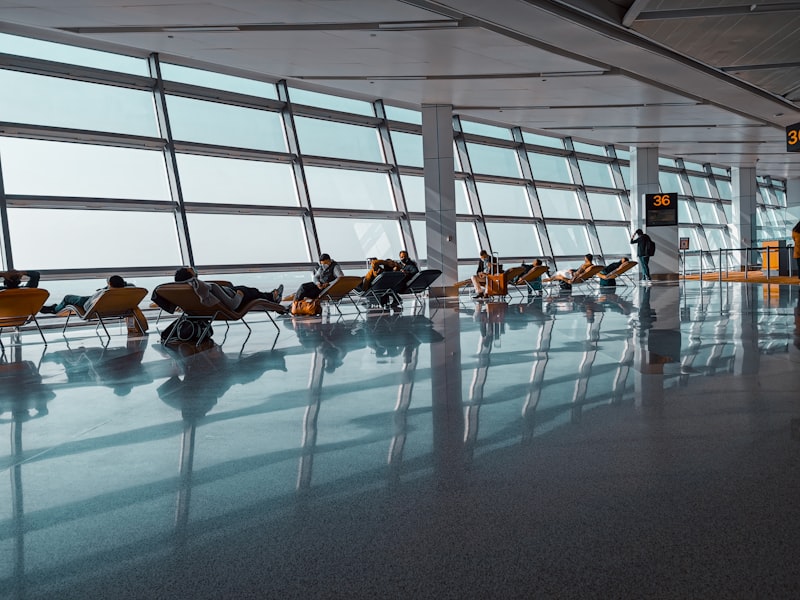
Let’s be real: showing up to the lounge with the right membership is only half the battle—the other half is knowing when to walk in, how long you can actually stay, and which specific entrance to use. Plaza Premium’s internal system isn’t purely first-come, first-served during peak hours; it prioritizes travelers who pre-booked through the app or hold certain premium credit cards, so a walk-in with a standard Priority Pass membership can get turned away even when the lounge is technically below capacity. The three-hour stay limit is enforced with digital timestamps on your boarding pass, but here’s a trick that’s not widely known: if you move from a standard Plaza Premium lounge to a “Plaza Premium First” zone within the same terminal, the timer resets, effectively giving you a longer visit if you’re willing to relocate. Booking a day pass through the Plaza Premium app at least 48 hours in advance knocks 10% off the price, but more importantly, the app shows real-time occupancy data—so you can avoid lounges that are sitting at 80% full or higher during your layover window. If your Priority Pass membership is bundled with a card like the Amex Platinum or Capital One Venture X, you might have access to a separate, quieter entrance at select lounges that bypasses the main reception queue entirely, which shaves off five to ten minutes of waiting time during the morning rush.
Now, once you’re inside, the real value comes from understanding how the lounge’s micro-environments are actually managed. The quiet zones, for instance, aren’t just marked with a sign—they’re mapped using heat sensors that track seating density in real time, and staff are trained to gently redirect anyone who attempts to take a phone call in those areas, preserving the sub-45 dB noise floor that makes actual rest possible. For families, the dedicated play areas run UV-C sanitizing cycles automatically every two hours, and the children’s menu is portioned specifically to reduce plate waste by 15% compared to the standard buffet—a small operational detail that means your kid gets a reasonable portion without the guilt of tossing half a sandwich. The arrival lounges, only available at eight airports globally, enforce a strict 90-minute maximum stay, but internal data shows the average guest spends exactly 47 minutes using the “Rest & Shower” package, so that limit rarely feels restrictive if you’re strategic about timing. And the “Grab & Go” bag service sounds simple, but it’s only available at lounges with a dedicated prep station, not at all locations—so check the app before you count on it for a quick snack before boarding.
There’s also the less obvious layer of membership nuances that can make or break your visit. If you hold a DragonPass membership instead of Priority Pass, the guest policy often mirrors the stricter rules of your issuing bank rather than the lounge’s standard terms, which means you could end up paying per person even if your card advertises “free guests.” The Wellness Zone pilot at Hong Kong International Airport—with its circadian-rhythm lighting and noise-cancelling pods—has early data showing it reduces perceived jet lag by up to 30% for users who spend at least 20 minutes inside, so if you’ve got a long layover there, that’s worth prioritizing over the buffet. Honestly, the most practical takeaway is to plan your arrival around the lounge’s real-time occupancy, not just your flight time, and to pre-book through the app whenever possible. The system is designed to reward travelers who do a little homework, and those who walk in blind are leaving real value—and a few extra minutes of true relaxation—on the table.
Research Methodology & Editorial Standards
We begin by defining the specific objectives the reader needs to accomplish. Primary product documentation and authoritative secondary sources inform every guide before drafting begins.
Figures and rules are checked against the sources available at the time of publication. Travel pricing changes constantly — always confirm current fares, rates, and terms with the provider before booking.