
How to Experience Sustainable Luxury on Your Next Trip to Fiji
When you’re planning a trip to a place as breathtaking as Fiji, it’s easy to get caught up in the postcard views, but honestly, I think we need to be a bit more critical about where we actually stay.
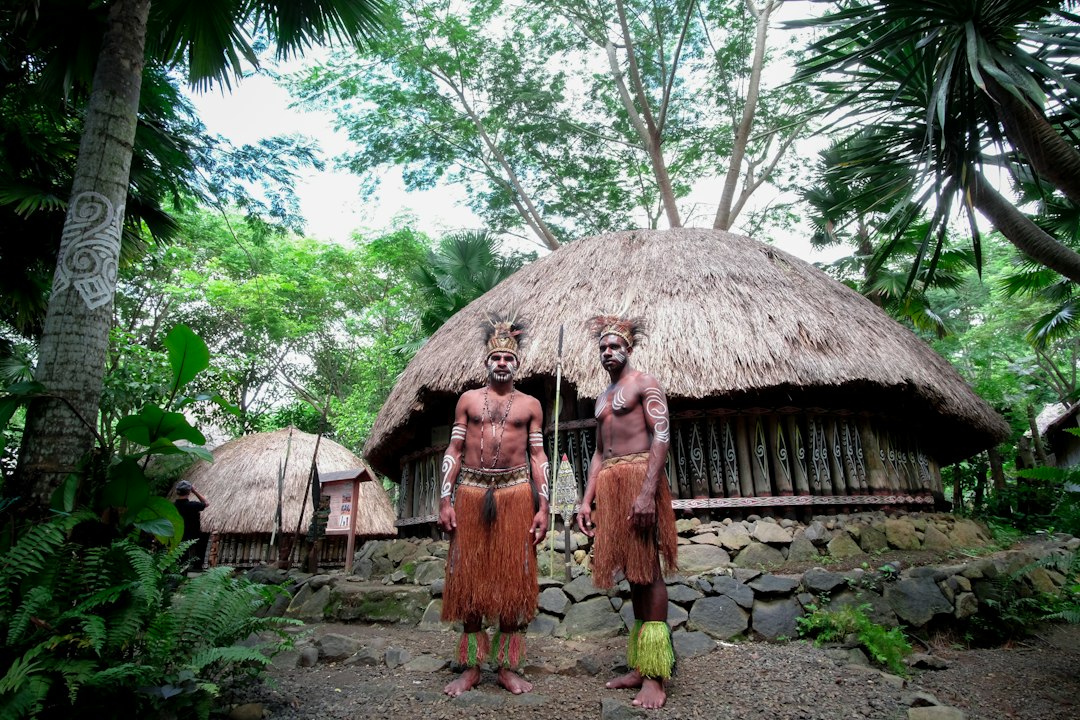
Selecting Eco-Conscious Resorts That Prioritize Conservation
When you’re planning a trip to a place as breathtaking as Fiji, it’s easy to get caught up in the postcard views, but honestly, I think we need to be a bit more critical about where we actually stay. You know that moment when you realize your "eco-friendly" resort is just using green buzzwords without doing the heavy lifting? It’s frustrating, right? I’ve learned that the real difference lies in the technical infrastructure, not just a sign asking you to reuse your towel. We’re talking about properties that invest in deep sea water air conditioning, which can slash electricity use by 90 percent compared to standard systems, or resorts that utilize smart-room sensors to kill the power the second you step onto the beach. It’s not just about comfort; it’s about actual, measurable conservation.
Let’s look at how they handle the basics, because that’s where the biggest impact usually happens. If a resort is serious, they aren’t just recycling; they’re running closed-loop organic waste systems that turn your dinner scraps into compost for their own gardens. I’ve seen places that cut freshwater demand by 40 percent simply by recycling graywater for irrigation, which, let’s be real, is a massive win for the local water table. And when you’re checking them out, look for EarthCheck certification; it’s not just a sticker on the door, but a rigorous scientific benchmark that forces them to prove their water and waste numbers against global data. It’s hard to ignore that kind of transparency when you’re deciding where to drop your hard-earned money.
But honestly, the most exciting part is seeing how these resorts integrate into the local ecosystem. I love staying at spots that partner with marine biologists to track reef health, as that data actually ends up in national biodiversity databases. It’s a completely different experience when you’re swimming in a reef that the resort is actively protecting with mandates for non-nano, reef-safe sunscreen. Plus, you’ll notice the difference in the vibe when a place uses indigenous reforestation to bring back native birds, which usually starts to pay off within just a few years. It makes you feel like you’re part of the solution rather than just a guest passing through. If you really want to make your travel count, focus on the resorts that are building their own solar microgrids or using bamboo to keep the cooling costs down naturally. It turns a vacation into something much more meaningful.
Supporting Local Communities and Traditional Fijian Culture
When we talk about sustainable travel, it’s easy to focus solely on solar panels and waste management, but honestly, the heartbeat of Fiji is its people and their deep-rooted traditions. I think we need to look beyond the resort walls to understand how modern tourism is finally aligning with the preservation of indigenous culture. Fiji has recently pushed through some significant legislation that changes the game, making sure the visitor economy actually serves local communities rather than just extracting value from them. It’s a massive shift toward protecting traditional titles and governance structures, like we’ve seen in the Ra province, where hundreds of official appointments are reinforcing the social fabric that has held these islands together for generations.
You might be surprised to learn that this isn't just about preserving the past; it’s actually a forward-thinking strategy for climate resilience. Scientists and international bodies like UNESCO are now formally integrating traditional knowledge—like ancestral weather observations—into modern disaster preparedness protocols. It turns out that when you combine satellite data with the lived experience of local communities, you get a much more effective model for surviving environmental shifts. It’s a brilliant synthesis of old and new that recognizes culture as a core component of long-term stability rather than just a tourist attraction.
And if you’re looking to make your own trip more meaningful, you’ll start to see how this plays out in the experiences you choose. We’re seeing a real move toward culinary programs like the Kana Club, which prioritize indigenous ingredients and support regional food producers, effectively keeping local agricultural biodiversity alive. Even national institutions are getting involved, backing tours and performances that give artists a real platform to maintain their crafts on the world stage. When you book a stay that honors these local systems, you’re not just a guest; you’re participating in a necessary, data-backed effort to keep the soul of the islands intact while the tourism industry continues to evolve.
Minimizing Your Carbon Footprint During Island Travel
Let’s pause for a moment and reflect on the reality of island travel, because while the destination is often a dream, the logistics required to get there are honestly heavy on the planet. I’ve spent enough time analyzing transit data to know that the single most effective way to lower your footprint isn't just about what you do once you arrive, but the specific choices you make in the air. Flying economy is a simple, quantifiable win; by sharing that cabin space, you’re effectively slashing your per-passenger emission share compared to the premium seats that take up significantly more physical real estate. And when you’re hopping between islands, try to stick to non-stop flights whenever you can, since the takeoff and initial climb are where the vast majority of fuel is burned.
Once you’ve touched down, the way you move around the archipelago matters just as much. I’ve found that swapping private water taxis for local ferries is a much more efficient use of energy, as you’re distributing the carbon cost across a larger group of people. If you’re lucky enough to be on a boat, look for vessels using silicone-based anti-fouling rather than older, biocide-heavy paints that can leach into the very reefs you’re there to see. It’s also worth noting that if you’re sailing, opting to prioritize wind over diesel can cut your transit emissions by nearly 90 percent, which is a staggering difference for a single trip.
Finally, think about the weight you’re physically dragging across the ocean, because baggage mass is a direct multiplier for fuel consumption on every leg of your journey. I’ve started swapping out heavy liquid toiletries for concentrated solid bars, which not only cuts down on plastic waste but significantly reduces the overall weight of my pack. When you’re at your resort, keep your consumption habits in check by leaning on natural ventilation instead of blasting the AC, and maybe reach for a solar-charged power bank for your devices rather than plugging into a local grid that might still be struggling to balance its load. It’s not about being perfect, but honestly, these small, calculated adjustments to your daily routine can make a massive difference in how much of a mark you actually leave on these sensitive environments.
Engaging in Responsible Marine Life Encounters and Reef Protection
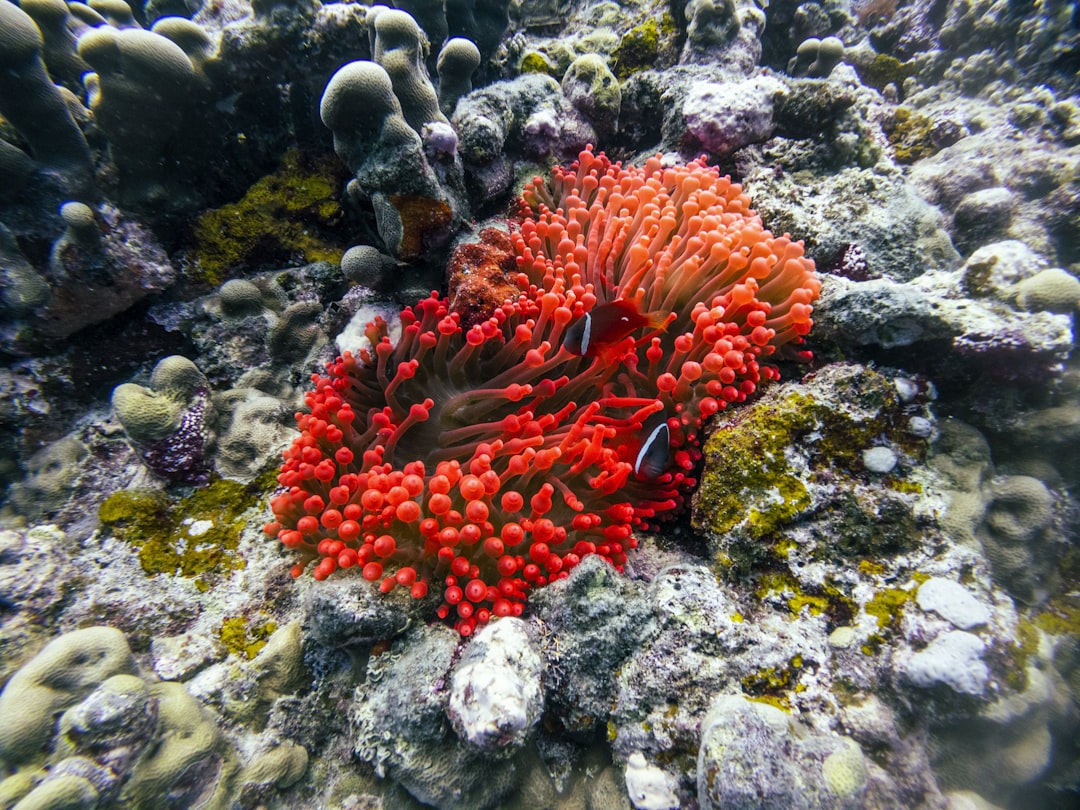
Let’s talk about how you can actually interact with the marine environment in Fiji without leaving a mess behind. You know that moment when you’re peering through your mask and everything feels like a different planet? It’s magical, but honestly, it’s also a fragile ecosystem that’s dealing with real pressure. I think we need to be hyper-aware of how we move in the water; keeping your fins parallel to the surface isn't just a suggestion—it’s a physical necessity to avoid snapping off coral colonies that have been growing for decades. If you’re using sunscreen, you really need to check the label for oxybenzone and octinoxate, because those chemicals can cause DNA damage in coral even at tiny, microscopic concentrations.
Think about it this way: your camera is actually a piece of research equipment. Marine biologists now use photo-identification software to track manta rays and sharks, so those shots you’re snapping can legitimately end up in global migratory databases. It’s pretty cool to realize that a vacation photo can double as citizen science. But even if you’re just observing, remember that your physical presence has a cost. If you’re lucky enough to spot a sea turtle, hanging back by at least three meters is the only way to ensure you aren't spiking their stress levels and ruining their grazing cycle.
And look, don’t underestimate the impact of noise or touch. Reef fish have complex social structures, and the loud, erratic vibrations from our gear can actually scramble their ability to communicate during feeding. Plus, as tempting as it is to touch a sea sponge, don't; your skin oils can clog their delicate canal systems and essentially choke them out. If you’re out on the water, using polarized lenses is a huge hack because it cuts the surface glare and lets you count fish populations more accurately without needing to dive down and disturb the habitat. It’s not about being perfect or never entering the water, but rather about shifting from a passive tourist to a conscious observer who understands how to keep these reefs thriving.
Embracing Farm-to-Table Dining and Sustainable Gastronomy
When we talk about sustainable gastronomy in Fiji, I think we have to move past the marketing buzz and look at the actual math of the kitchen. Adopting a circular food economy isn't just a trend; it requires a radical shift away from high-input proteins, considering that plant-forward menus can slash a restaurant's total carbon footprint by up to 70 percent compared to meat-heavy alternatives. Many kitchens are now using precision inventory management to track spoilage, which cuts food waste by nearly 30 percent, while minimalist, biodegradable packaging is finally replacing the chemical risks of traditional plastics. It’s honestly refreshing to see chefs treat food as a data-driven resource rather than just an endless supply.
The real magic happens when you look at the supply chain logistics. Hyper-local sourcing within a 50-kilometer radius is a game changer because it eliminates the need for energy-heavy, diesel-reliant cold-chain transport, which accounts for a massive chunk of a resort's scope three emissions. We’re seeing resorts integrate vertical hydroponic systems that yield ten times more produce than traditional soil farming while using 90 percent less water. Plus, by prioritizing heirloom cultivars, these kitchens are doing their part to protect biodiversity, ensuring the local food supply stays resilient against the shifting weather patterns we see across the Pacific.
But think about it—sustainability is also about rediscovering old-school logic. Traditional fermentation is being used as a high-tech preservation tool, allowing chefs to store seasonal surpluses without needing massive, climate-controlled walk-in freezers. When they do serve protein, choosing species at lower trophic levels prevents the collapse of marine food webs, and "root-to-stem" cooking ensures that almost nothing hits the trash bin. What doesn't get eaten often ends up in on-site anaerobic digesters that capture methane to power the cooking ranges. It’s a closed loop that actually makes sense when you see the soil health data from their permaculture gardens, proving that turning scraps into compost is a legitimate climate solution.
How Fiji’s Tourism Strategy Is Shaping the Future of Green Travel
Let’s pause for a moment and reflect on how Fiji is quietly flipping the script on the entire industry. Most places treat tourism as a numbers game, but Fiji is shifting its focus to what I’d call regenerative metrics, prioritizing the net-positive contribution of every visitor over the sheer volume of arrivals. They’ve actually pioneered a National Ocean Policy that legally protects their entire Exclusive Economic Zone, meaning every tourism development has to play by some incredibly strict, science-based rules. It’s not just talk, either; operators now have to file bi-annual biodiversity impact reports that feed directly into a centralized government database. When you look at the data from zones managed this way, reefs are showing a 25 percent higher resilience to bleaching compared to unprotected areas, which is a massive win for the planet.
And here is where it gets really interesting for those of us who care about the future of travel. Fiji is integrating mangrove restoration directly into their permitting process, essentially forcing the industry to invest in the very carbon-sequestration systems that keep these islands above water. They’ve even moved toward a digital tracking system that monitors real-time resource consumption for water and electricity, giving the government the ability to manage loads before they hit a breaking point. It’s a level of transparency we rarely see, especially with the government partnering with academic institutions to stream water quality data directly to the public. If you’re a resort owner there, you’re suddenly held to a standard of accountability that’s becoming the global gold standard.
But the most human element of this strategy is how they’re pushing back against the sprawl of mass tourism. By restricting large-scale infrastructure in sensitive areas like Vanua Levu, they’re betting on community-led, low-density models that actually work. They are using traditional land-management calendars to rotate visitor seasons, which lets the environment catch its breath and recover naturally. When you combine this with their commitment to funnel 40 percent of new industry investments into climate-adaptive infrastructure by 2028, you start to see a roadmap for how other destinations might survive the next few decades. It’s a genuinely bold experiment in whether we can keep seeing the world without loving these places to death, and honestly, it’s the most promising thing I’ve seen in the travel space in a long time.
Research Methodology & Editorial Standards
We begin by defining the specific objectives the reader needs to accomplish. Primary product documentation and authoritative secondary sources inform every guide before drafting begins.
Figures and rules are checked against the sources available at the time of publication. Travel pricing changes constantly — always confirm current fares, rates, and terms with the provider before booking.