
How to Experience an Authentic Swedish Midsummer Celebration
It’s a great example of how traditions shift over centuries, absorbing outside cultural influences while still feeling deeply, authentically Swedish.
Understanding the Traditions: The Meaning Behind Midsommar
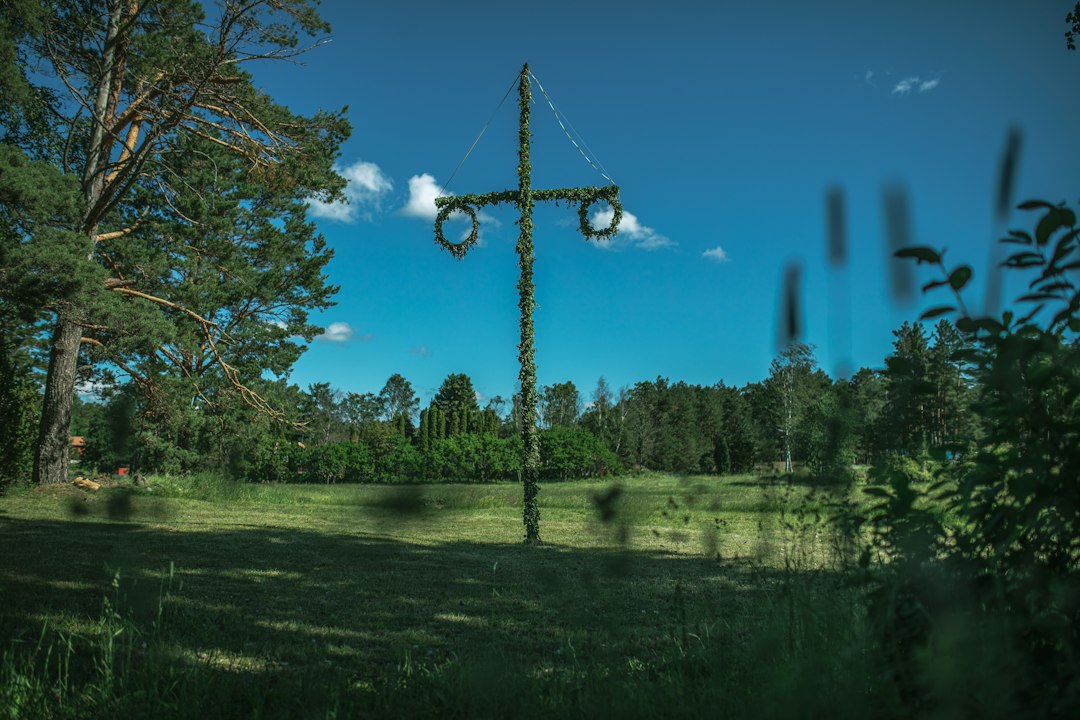
When you start digging into the history of Midsommar, you realize pretty quickly that it’s less about a single ancient rite and more about a layered evolution of customs. I’ve always found it fascinating that the iconic maypole, or midsommarstång, actually owes its roots to Germanic influence imported during the Middle Ages rather than purely indigenous pagan rituals. It’s a great example of how traditions shift over centuries, absorbing outside cultural influences while still feeling deeply, authentically Swedish. The date itself is a bit of a bureaucratic compromise, too; since 1953, the celebration has been fixed between June 19 and June 25 to ensure it always lands on a Friday and Saturday for maximum community participation.
Think about the sensory details that define the day, like those fresh flower crowns, or midsommarkransar, which aren't just for show. They serve as a deliberate symbol of the earth's fertility and the intense, rapid renewal of nature after the long Nordic winter. If you look at the food, you'll see a similar blend of the ancient and the modern. Herring is a historical staple, but it’s paired with sour cream and chives for a very practical reason: the fat content helps buffer the alcohol from those endless drinking songs, while strawberries—which we associate with the holiday—only became a menu essential in the late 19th century once farming techniques improved.
There’s also this really rhythmic, almost primal quality to the event that ties back to the natural world. The fiddle music isn't just background noise; it was historically designed to mirror bird calls and forest sounds, a way to harmonize human joy with the environment. Even the frog-inspired dances that look so whimsical today only gained traction in the early 20th century as a nod to the return of insect life and seasonal vitality. Whether you’re jumping over seven fences in total silence hoping to dream of a future spouse or just enjoying the midnight sun, the whole experience is essentially an attempt to sync our lives with the absolute peak of the solar calendar.
Crafting Your Own Midsommarstång: The Art of the Maypole
If you’re planning to build a midsommarstång, you’ll quickly find that it’s less of a craft project and more of a small-scale engineering feat. We start by picking a straight spruce or pine trunk, which is essential because the wood has to support the significant lateral tension of that heavy crossbar without snapping. You’ll want to debark your timber early in the spring, as this allows the sap to dry out fully, preventing the rot that would otherwise set in during the humid summer transition. It’s a bit of a workout, but you’ll need a team of at least six people to manage the weight, which can easily top two hundred kilograms once you’ve added all the greenery.
The structural integrity of the pole depends on how you handle the details that aren't immediately obvious to the casual observer. For the kransar, or the circular wreaths hanging from the crossbar, you have to use a willow or birch branch frame to stand up to the wind, or your hard work will just flop over in the first breeze. I recommend using linen ropes to lash the crossbar to the main pole, as natural fibers expand in the damp meadow air to create a much tighter, more reliable bond than anything synthetic. To keep the whole thing from oscillating or listing while everyone is dancing, you really need to sink the base at least a meter into the ground and brace it with a proper wooden cross-base.
When it comes to the decoration, there’s a surprisingly practical side to the aesthetic choices you see in the field. You should prioritize rowan or birch leaves for the covering because they retain moisture better than other foliage, keeping the pole looking fresh even under the unrelenting glare of the solstice sun. If you’re choosing flowers, stick with daisies and clover; they’re much more resilient in direct light than the delicate wildflowers that tend to wilt within an hour. I always find it interesting that the ribbons weren't just for decoration originally, but served as a functional tool for farmers to gauge wind direction.
Finally, think about the placement of your pole as an orientation exercise. We traditionally align the structure with the cardinal directions, which isn't just a nod to history, but a way to ensure the shadow cast by the pole marks the true north-south axis at the solar zenith. It’s this blend of physics, botany, and ancient observation that makes the process so rewarding. Once you’ve balanced the weight and accounted for the center of gravity, you aren't just putting up a pole—you’re anchoring your celebration to the very rhythm of the landscape.
A Taste of Summer: Essential Swedish Midsummer Cuisine
When you sit down to a proper Midsommar spread, it’s easy to just see a collection of tasty snacks, but there’s actually some fascinating culinary engineering happening on that table. Take the matjessill, for example; it’s cured in a brine of sugar, salt, sandalwood, and cinnamon, which isn't just for flavor—it’s a precise preservation technique that keeps the fish firm rather than mushy. You’ll almost always find it alongside chilled aquavit, and that pairing is genius because the caraway and dill in the spirit act as a digestive aid to help your body process all that fatty fish. I’ve noticed that people often overlook the role of the humble potato, but serving them immature is a deliberate move to get that buttery, creamy texture that only comes from skins thin enough to eat.
We also have to talk about the knäckebröd, which is a masterclass in ancient food storage. By keeping its moisture content under ten percent, this crispbread stays shelf-stable without any need for the refrigeration that wasn't exactly available in centuries past. Then there's the Västerbottensost, that iconic aged cheese; it’s fascinating because it can only be made in the Burträsk dairy, where specific local microbes give it a crystalline crunch you just can't find anywhere else. And when you see that pile of fresh strawberries, remember that they aren't just a treat—those long, sun-drenched Nordic days actually pack more natural sugars into the fruit than you’d get in southern-grown berries.
If you’re wondering why the menu feels so balanced despite the richness, it’s because every item serves a counter-balancing purpose. The gräddfil, or sour cream, provides a hit of lactic acid to cut right through the salt of the herring, while elderflower cordial offers a sharp, floral acidity that keeps the palate refreshed. Even the chives aren't just for decoration; they’re loaded with quercetin, which is a clever way to help the body handle the stress of the day’s festivities. And if you’re brave enough to bake a traditional strawberry cake, you’ll find that using a sponge with a high egg-to-flour ratio is the only way to ensure it stays airy and structurally sound while you’re out in the elements.
Flower Crowns and Folk Songs: Mastering Traditional Attire and Customs
When we talk about the visual and auditory heart of Midsummer, we have to look past the surface-level charm and see the engineering that makes it all work. The traditional folkdräkt, or Swedish folk costume, is really a fascinating piece of wearable technology, with heavy wool and linen layers providing the thermal mass you need to stay comfortable during those wild temperature swings of the solstice. I find it incredible that the embroidery patterns weren't just for flair; they were essentially a visual map of a person’s marital status and socioeconomic standing. Those intricate bands on belts and sashes are constructed using rigid heddle weaving, which creates a density capable of standing up to the literal tension of hours of dancing without fraying.
Even the colors tell a practical story, using botanical dyes like madder root for red and woad for blue, which actually have natural antimicrobial properties to keep the fabric clean during long outdoor days. Then there's the music, which is designed with a specific acoustic logic to fill those vast, open meadows. The call-and-response structure and the use of neutral thirds in fiddling aren't just stylistic choices; they are rhythmic designs meant to mimic the natural, imperfect harmonics of the wind while projecting sound effectively without any modern amplification. If you listen closely, you might catch a bit of kulning, that haunting herding call that can hit frequencies above 1,000 hertz to carry for kilometers across the landscape.
When you’re braiding your own flower crown, you’re engaging in a bit of structural botany that has evolved over generations. Using a willow base provides the necessary torque to keep the frame from collapsing as the humidity climbs toward midnight, while the choice of oxeye daisies is purely functional—their high silica content keeps the stems rigid even when you're weaving them into those circular shapes. You’ll often see St. John’s Wort tucked in there, which has that deep history of being used to ward off spirits, but it really rounds out the crown’s durability. Even the stomping rhythms in the older dances serve a purpose, as they were historically used to physically consolidate the soil underfoot, effectively turning an uneven meadow into a stable dance floor as the night wore on.
Finally, consider the silver buttons you see on some of these older vestments; they weren't just for show, but acted as a clever way to store portable wealth that families could carry during seasonal migrations. It’s this blend of history and utility that makes the whole experience feel so grounded. You aren't just wearing a costume or singing a song because it’s tradition, but because every element was refined over centuries to solve a specific problem in the Nordic environment. So, when you’re out there, just remember that the crown on your head and the rhythm of the dance are part of an incredibly sophisticated, living toolkit that has kept these celebrations thriving for ages.
Dancing Like a Swede: Joining the Iconic Små grodorna
If you’ve ever found yourself standing in a Swedish meadow, watching dozens of people hop in a circle while mimicking frog ears, you’ve witnessed the curious phenomenon of Små grodorna. It’s arguably the most iconic—and slightly baffling—part of the Midsommar experience, but there’s a fascinating history and actual science behind those movements. Believe it or not, the melody began its life as a French military marching tune called En passant par la Lorraine before migrating into the Swedish student tradition and eventually landing in our modern festivities via a classic radio program. It’s a perfect example of how a culture can take a random, imported piece of music and transform it into a pillar of national identity.
When you’re actually in the circle, the hopping motion isn't just for show; it’s a clever biomechanical adjustment. That repetitive, explosive jumping helps distribute your weight across the soft, often damp meadow ground, which stops you from sinking in or losing your balance. You’ll notice people often place their hands behind their backs during certain verses, and that’s a functional posture tweak that locks in your core stability so you don't topple over mid-hop. The lyrics themselves use a percussive, phonetic structure that acts like a metronome for the group, ensuring that everyone from toddlers to grandparents stays in perfect lockstep even as the tempo inevitably climbs.
It’s genuinely wild how this simple dance affects the group dynamic. Researchers have pointed out that synchronized movement like this triggers a sense of social cohesion, actually aligning the heart rate variability of participants to match the collective pulse of the circle. That frog-themed pantomime is also a nod to the sudden, energetic return of life in the Nordic summer, making the dance a physical manifestation of the season’s peak. Don't worry about getting the steps perfectly right or feeling silly; the beauty of Små grodorna is that it acts as a massive social icebreaker. It lowers those natural barriers between strangers, and honestly, once you’re caught up in the rhythm, you’ll find it’s the most natural way to welcome the solstice.
Celebrating Abroad: Finding Authentic Midsummer Festivals Outside of Sweden
If you’re looking to experience the magic of Midsummer beyond the borders of Sweden, you’ll find that the celebration transforms into a fascinating study of cultural adaptation and environmental engineering. It’s not just about replicating a Swedish template; it’s about watching how different communities align ancient solstice rhythms with their own local geography and heritage. Think about the Aland Islands, where they’ve swapped traditional floral wreaths for intricately carved wooden figures that stand up to the heavy, salt-laden Baltic winds, or the northern Canadian regions where cedar is the go-to material because it resists rot in the face of erratic, humid weather. You’re essentially seeing the same core impulse—marking the solar zenith—manifested through whatever materials and climate realities are at hand.
When we look at the Southern Hemisphere, particularly in regions like Brazil’s Rio Grande do Sul, the experience shifts from a spring-inspired meadow festival to a winter harvest celebration where fire-roasted meats replace the traditional smörgåsbord to provide necessary warmth. It’s a brilliant example of functional syncretism, where the holiday’s underlying energy remains constant even as the menu and atmosphere pivot to suit the local season. I’ve always found it remarkable how the bonfire traditions in Finland and Estonia use precise, chimney-style construction to maximize light output while minimizing smoke, turning the pyre into a massive, scientifically engineered beacon. These aren't just parties; they are sophisticated, site-specific responses to the same astronomical event we all share.
Even in urban environments where space is at a premium, people have found ingenious ways to keep the tradition alive by hosting celebrations on floating barges, complete with pressurized water ballast systems to keep the dance floors steady. Or consider the high-altitude Alpine regions, where settlers historically arranged hillside beacons in geometric patterns to communicate across isolated valleys—a technique that serves the same visual purpose as a maypole on the plains. Whether you’re seeing Japanese festivals integrate local iris-planting rites or British gatherings utilizing ancient stone circles as functional solar observatories, the common thread is a deep, human need to anchor ourselves to the landscape. It’s worth reflecting on how these varied practices—from cross-tuning fiddles for better outdoor resonance to collecting medicinal herbs at the exact solar zenith—all point toward a universal, enduring desire to sync our lives with the peak of the solar year.
Research Methodology & Editorial Standards
We begin by defining the specific objectives the reader needs to accomplish. Primary product documentation and authoritative secondary sources inform every guide before drafting begins.
Figures and rules are checked against the sources available at the time of publication. Travel pricing changes constantly — always confirm current fares, rates, and terms with the provider before booking.