
How to act like a pro at your next hotel stay according to a British etiquette expert
It’s a common dilemma, but from a housekeeping perspective, staying put really complicates the rhythm of a standard turnover.
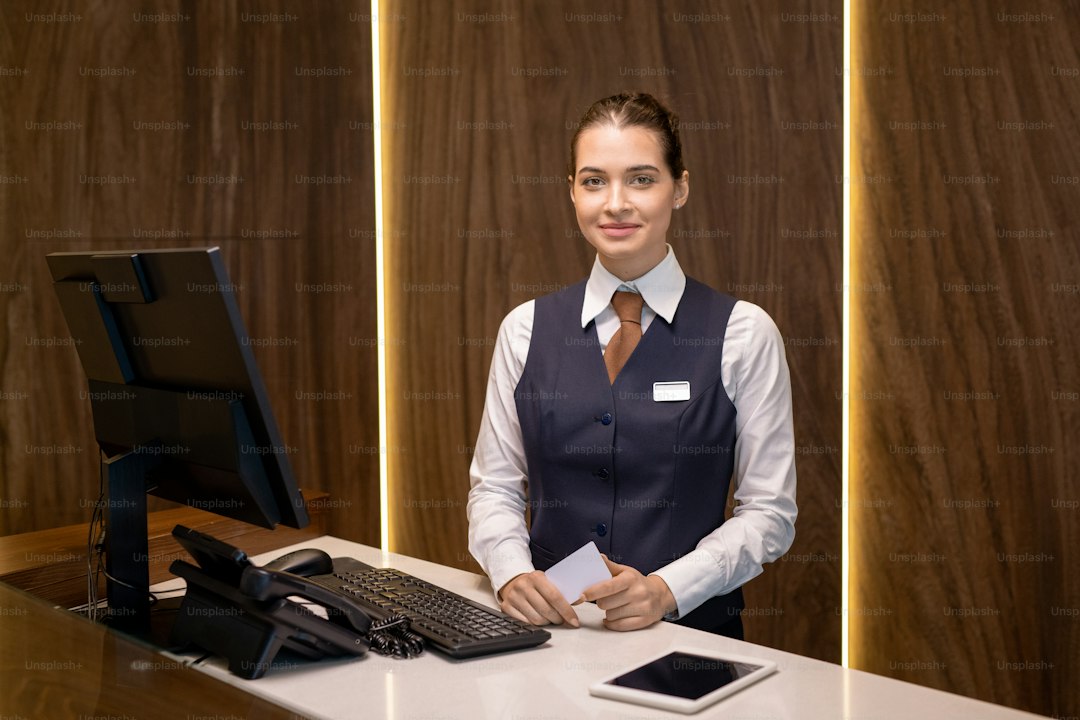
The Golden Rule of Housekeeping: To Stay or Not to Stay?
You know that moment when you’re relaxing in your room, and you hear a soft knock at the door, only to feel a flash of guilt because you’re not quite ready to leave? It’s a common dilemma, but from a housekeeping perspective, staying put really complicates the rhythm of a standard turnover. We have to look at the hard data here: studies show a housekeeper’s efficiency drops by about forty percent when a guest is still inside. Think about it—the staff has to navigate around your personal belongings and shift their physical posture constantly just to keep things tidy, which increases their own ergonomic strain. It turns a quick, efficient process into an awkward dance that nobody actually enjoys.
Beyond just the social friction, there’s the issue of pure chemistry and safety. Many industrial disinfectants require a specific dwell time to actually neutralize pathogens on surfaces, and that fifteen-minute window is almost impossible to maintain if you’re hovering nearby. Plus, without the room being fully vacant, proper ventilation often suffers, leading to a buildup of chemical aerosols that you’re then breathing in. That’s not exactly the relaxing hotel experience you paid for, right? It’s worth noting that some high-end properties even mandate that staff work in pairs if a guest refuses to leave, which frankly feels like a massive signal that it’s time to step out.
If you’re wondering why your room might not feel quite as crisp as you expected, this might be the culprit. When a housekeeper is constantly adjusting to your presence, they simply can’t perform the deep, systematic cleaning they’re trained to do. The average room turnover is tightly timed—usually around thirty minutes—and that window becomes totally inconsistent the moment a guest remains in the space. Honestly, just stepping out for a coffee or a quick walk gives them the breathing room they need to hit those high standards. It’s a small, simple gesture that makes a world of difference for the person looking after your space, and honestly, you’ll likely return to a much cleaner room because of it.
Beyond the Do Not Disturb Sign: Respecting Staff Boundaries
When we talk about hotel etiquette, we usually focus on the guest experience, but let’s shift the lens to the people actually making that stay possible. Honestly, the way we treat housekeeping staff often mirrors the friction we see in modern office environments where digital boundaries are constantly blurred. Much like a worker dealing with after-hours Slack messages, a housekeeper’s ability to perform their job is fundamentally tied to having a dedicated, uninterrupted workspace. When you linger in your room while they’re trying to work, you aren't just being a minor inconvenience; you're creating a scenario where their cognitive task-switching ability—something that’s scientifically linked to their stress and performance—takes a massive hit. Think about it: they’re moving through a precisely choreographed set of over two hundred physical movements per room, and every time they have to navigate around your laptop or luggage, that rhythm is completely shattered.
It goes beyond just being polite, too; there’s a real, measurable impact on the quality of the room you’re paying for. If you stay put, the airflow in the room shifts, which prevents those professional-grade cleaning agents from working the way they’re supposed to. You’re essentially breathing in trapped particulates that would have been cleared out if the room had been empty for those crucial twenty or thirty minutes. Plus, many high-end hotels now use sensors to track cleaning times, and if you’re hanging around, it can actually trigger reports that penalize the staff for taking "too long" to clean, even though they’re being forced to work around you. It’s a bit of a power imbalance that leads to burnout faster than you might realize, and I’ve seen firsthand how much better the service gets when you simply give them the space to do their thing.
If you want the best possible stay, the smartest move is to treat that room like a temporary workspace that doesn't belong to you while the service team is there. It’s not just about common courtesy; it’s about acknowledging that their time is a finite resource, just like the time you spend navigating your own work-life balance. When you step out for a coffee or a walk, you’re providing the exact conditions they need to hit the sanitization standards that keep you healthy. It’s a small, intentional gesture that honestly changes the entire dynamic of the hotel experience. At the end of the day, a cleaner room and a less stressed staff member are the best indicators of a top-tier hotel, and you’re the one who holds the key to making that happen.
The Etiquette of Tipping: Knowing When and How Much to Leave
Tipping often feels like one of those unspoken social codes that we’re all supposed to just magically understand, yet the lack of a global, standardized benchmark leaves most of us feeling a bit anxious whenever the check arrives. Let’s be honest, we’ve all stared at a digital payment screen in a foreign city, wondering if we’re about to commit a major faux pas by either over-tipping or being stingy. It’s a classic case of cultural friction, especially when you consider that in the United States, we view tipping as a necessary wage supplement, while much of Europe treats it as a purely discretionary bonus for exceptional work. I think the real issue is that we’re often flying blind, relying on guesswork rather than understanding the actual labor models behind the service we’re receiving.
If we look at the data, the rise of digital "nudge" prompts has significantly shifted our behavior, often compelling us to tip for roles that historically didn’t even involve gratuities. But beyond the screen, there’s a genuine strategy to how you handle these moments, particularly in hotels where service charges can be misleadingly opaque. Most people assume that a mandatory hotel service fee makes its way to the housekeeper, but the reality is that those funds rarely reach the staff directly. That’s why I always recommend keeping a stash of cash on hand, as handing a tip directly to a staff member is far more effective for both their morale and your own service quality than adding a line item to a final credit card folio.
One of the most common mistakes I see is guests waiting until the very end of their stay to leave a lump sum for housekeeping. It’s much smarter to tip on a per-night basis, as this ensures that the specific team members who actually cleaned your room each day are the ones who benefit from your appreciation. It’s also worth considering that in high-end hospitality, tipping can act as a form of social signaling; rewarding a concierge or room service attendant for a specific request early in your visit often sets a tone for more personalized attention throughout the rest of your stay. Ultimately, my advice is to stop worrying about the rigid "rules" and instead focus on rewarding the people who make your travel experience seamless, as those small, intentional gestures are what actually bridge the gap between a standard stay and a truly memorable one.
Common Buffet Blunders to Avoid at Breakfast
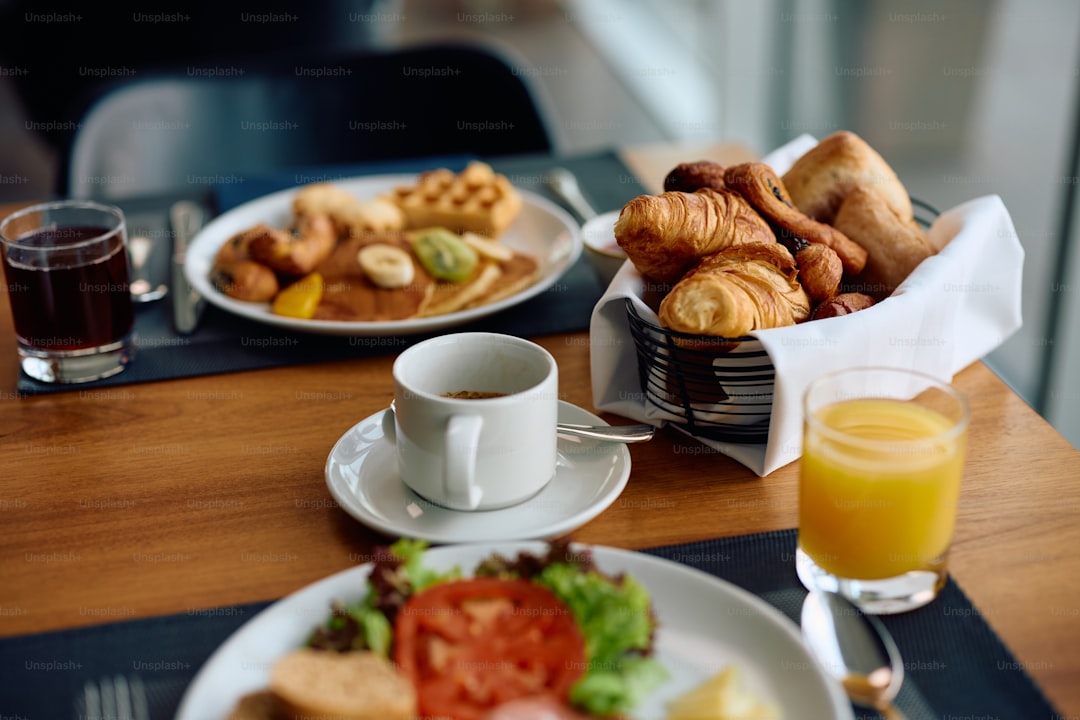
We have all been there—standing in front of a sprawling hotel breakfast display, plate in hand, wondering why it’s so easy to turn a simple morning meal into a logistical nightmare. If you really want to navigate the breakfast room like a pro, you have to realize that the buffet isn't just about food; it’s a high-traffic zone where subtle habits dictate both your health and the overall flow of service. For starters, let's talk about the plate situation, because using the same dish for a second trip is a massive hygiene violation that effectively introduces your own germs back into the common serving vessels. It’s far better to simply grab a fresh plate, as professional etiquette dictates that every visit to the line requires a clean start. And while we’re on the topic of cross-contamination, reaching across the buffet line toward someone else's space is a move you should skip—it actually increases the risk of contamination by up to 30 percent thanks to aerosolized droplets and the simple reality of accidental physical contact.
Think about the physical layout for a second, too. Most hotels strategically place low-cost, high-margin carbohydrates right at the entrance, which often leads us to fill up on pastries before we even get a glimpse of the protein options. It’s a design choice that essentially nudges you toward poor nutritional decisions before you’ve even made it halfway through the line. Plus, if you find yourself hovering near a tray while waiting for a refill, you aren't just being impatient—you’re creating artificial bottlenecks that disrupt the entire rhythm for everyone else in the room. And honestly, watch how you open those chafing dishes; lifting the lid toward your face exposes you to a sudden, hot plume of steam that can cause minor thermal burns, which is definitely not the way to start your morning.
Lastly, there is the matter of your table space. Leaving your plate unattended to go back for seconds is a common mistake that signals to the staff that you’ve finished your meal, and you’ll often return to find your breakfast has been cleared away prematurely. It’s also worth keeping in mind that those tongs and serving spoons are frequently the most contaminated surfaces in the entire dining hall, often harboring more pathogens than the restroom door handles. When you combine that with the fact that hot holding units sometimes struggle to stay above the 140°F bacterial danger zone, it makes sense to be a bit more selective about what you pick. By avoiding these small, common blunders, you’ll not only ensure a more sanitary experience but also get through the morning rush with a lot less stress.
Cleanliness and Common Courtesy: What Should Never Happen in Your Room
When we talk about the "pro" hotel experience, it’s easy to focus on the luxury perks, but let's be real—the most important part of your stay is the space you’re actually sleeping in. You might think that everything you touch is sanitized after every guest, but that’s a dangerous assumption. Science tells us that remote controls are often the dirtiest items in your room, frequently carrying more bacteria than the toilet seat itself. Think about that next time you’re channel surfing; those high-touch points like phone buttons and alarm clocks are often skipped in a standard thirty-minute turnover. And those decorative bed runners? They’re rarely laundered, acting more like magnets for dust and allergens than decorative accents.
It’s also about the habits we bring into the room that inadvertently compromise our own health. I always tell friends to avoid putting their luggage directly on the bed, because you’re essentially inviting whatever hitchhiked on your suitcase from the carpet—bed bugs or dust mites—straight onto your mattress. Use the luggage rack; it’s there to keep your gear isolated from those high-traffic floor fibers. Similarly, skip the hotel-provided glassware unless you’ve given it a serious scrub, as a quick rinse isn't the same as a high-temperature dishwasher cycle. Your vanity is another danger zone, so stop placing your toiletries directly on the counter where housekeeping cloths have likely just been used to wipe down the sink basin.
Then there’s the subtle stuff, like how you handle the room before you head out for the day. Most people close the curtains to keep the room cool, but that can actually trap humidity and odors, preventing the air from cycling properly. If you want a fresh room when you return, leave the curtains open or at least cracked to let the airflow do its work. Even the ice bucket needs a closer look; never use it without a plastic liner, as those containers are often wiped down with the same multipurpose sprays used on bathroom fixtures. These aren't just minor inconveniences; they’re real, measurable hygiene risks that you can mitigate with just a little bit of awareness. It’s not about being paranoid, but about being smart with the environment you’re paying to occupy.
Navigating Common Areas: Mastering Shared Hotel Spaces with Grace
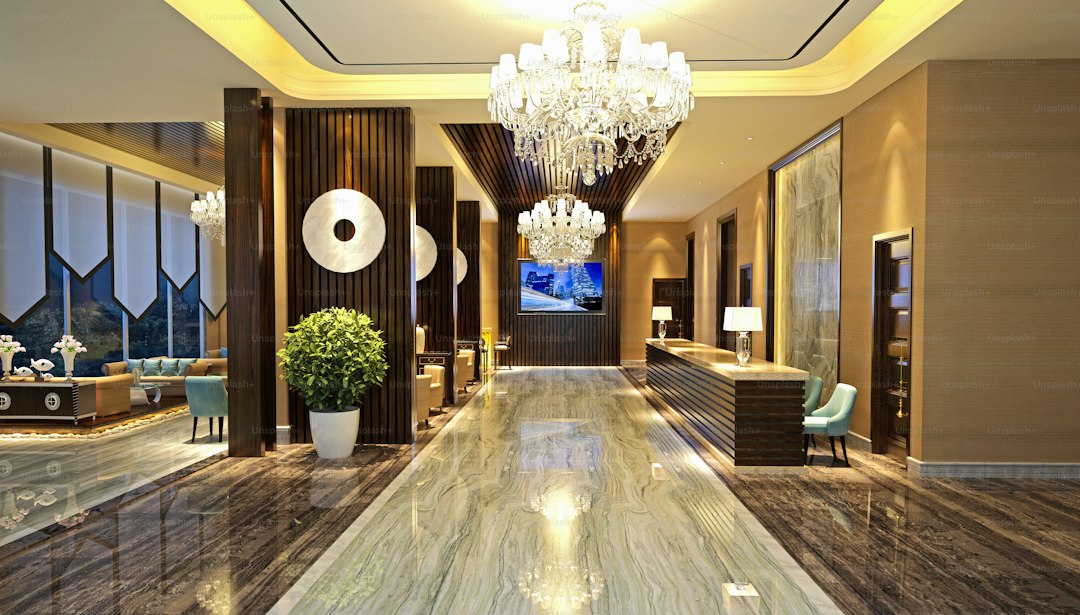
Let’s talk about those shared hotel spaces beyond your room, because how you navigate the lobby or the fitness center says a lot about your travel savvy. When you're moving through a lobby, try to maintain at least three feet of personal space; it’s a simple shift that significantly reduces your exposure to respiratory droplets in those heavily climate-controlled environments. I’ve noticed people love to drop their bags on the carpet while they wait to check in, but you should really reconsider that. Most lobby carpets are treated with heavy-duty flame retardants and pesticides that transfer to your gear, so keep your laptop and handbag off the floor whenever possible. Also, avoid leaning against those sleek lobby pillars, as the antimicrobial paints they’re often coated with can leave a nasty, powdery residue on your favorite blazer.
When you’re in a lounge, it’s tempting to plug in whatever you’ve got, but hold off on hooking up high-wattage gear like travel kettles or steamers. These circuits are designed for low-voltage mobile charging, and you risk overloading them, which honestly just creates a headache for everyone. If you’re hanging out on the furniture, be ready for a little static shock; that heavy-duty synthetic upholstery is basically a magnet for static, which discharges the moment you touch a metal lamp or railing. And please, skip the speakerphone in these areas. Hotel lobbies are built with hard, reflective surfaces that act like an amplifier, meaning your call carries four times further than you’d ever expect.
If you head to the gym or the business center, remember that you’re dealing with high-contact surfaces that aren't getting the attention you might hope for. Shared keyboards and mice are notorious for harboring viral loads, so keep some sanitizer handy. In the fitness area, wipe down your machine and actually wait for the full dwell time listed on the disinfectant; staph bacteria can hang around on gym equipment for hours, and a quick, wet wipe just won't cut it. Finally, if you’re moving through the halls, always yield to the housekeeping carts. These things are surprisingly heavy and hard to maneuver, and giving them the right of way isn't just polite—it prevents the staff from having to make sudden, awkward stops that can cause supplies to shift and lead to real ergonomic strain.
Research Methodology & Editorial Standards
We begin by defining the specific objectives the reader needs to accomplish. Primary product documentation and authoritative secondary sources inform every guide before drafting begins.
Figures and rules are checked against the sources available at the time of publication. Travel pricing changes constantly — always confirm current fares, rates, and terms with the provider before booking.