
How the UK ETA System Outage Changes Travel Planning for Your Next Trip
If you’re planning a trip to the UK this year, you’ve probably heard the buzz about the new Electronic Travel Authorisation (ETA) system.

Understanding the UK ETA: What It Is and Why It Matters
If you’re planning a trip to the UK this year, you’ve probably heard the buzz about the new Electronic Travel Authorisation (ETA) system. Honestly, it’s a big shift in how we think about crossing borders, and it’s not just a minor administrative hurdle. Essentially, the UK has moved to a strict no permission, no travel policy, which shifts the real power of border control from the immigration desk at Heathrow or Gatwick directly to your departure gate. Think of it as a digital gatekeeper: if you don’t have that electronic thumbs-up before you board, you aren't going anywhere.
What really caught my attention is how this affects everyone, even if you’re just passing through. If you’re transiting through a UK airport, you still need to secure an ETA, even if you never intend to actually step foot outside the terminal. It’s a detail that’s going to catch a lot of people off guard, especially since airlines are now legally required to verify this digital status before they let you on the plane. They’ve basically become the frontline agents for UK immigration, and they aren't going to risk their own standing by letting a traveler board without the proper clearance.
The rollout has been rolling out in phases throughout 2026, and since February 25, the net has widened significantly to include many more non-visa nationals, including Americans. While there are exceptions—like citizens of the British Virgin Islands, who are exempt—the vast majority of us are now subject to these biometric-backed checks. The system runs your data against international security databases, and authorities have the discretion to deny entry based on past conduct or character assessments. It’s a move toward a centralized, real-time database, so my advice is to stop viewing this as a last-minute chore. You really need to apply well in advance, because if your application gets flagged for a manual review, you’ll be glad you gave yourself the buffer.
Navigating Technical Disruptions: How System Outages Impact Your Travel
Let’s be honest, we’ve all had that sinking feeling when the check-in screen at the airport goes blank or the app just keeps spinning while you’re trying to verify your documents. It’s not just an annoyance; it’s a sign that our modern, hyper-connected travel world is built on a surprisingly fragile foundation of cloud infrastructure. When a major provider like Amazon Web Services hits a snag, it doesn’t just slow things down—it triggers a cascading failure that can paralyze airline check-in systems and ground operations across the entire globe. Think about it: our reliance on real-time API integrations means that even a minor latency issue in a server-side handshake can stop thousands of passengers from proving their status, turning a smooth departure into an hours-long ordeal.
Beyond the software glitches we’re used to, we’re dealing with physical realities like space weather, where solar flares can actually interfere with satellite navigation and radio communications, forcing pilots to change how they coordinate flights in real time. It’s also worth noting that this isn’t limited to airlines; we’ve seen cruise lines suffer massive IT failures that leave passengers stranded across multiple ports simultaneously. Even our border controls are getting more complex, with systems like the European Entry/Exit process promising efficiency but creating massive physical bottlenecks the moment their biometric databases experience downtime. It really makes you realize that when these systems go dark, the ground staff is often left without the tools they need to give you updates, leaving you in a vacuum of information.
Honestly, the best thing you can do is stop assuming that digital access will always be there when you need it. We’ve become so accustomed to keeping everything on our phones that we forget how vulnerable we are if that connection to a government server is severed. I’ve started making it a point to carry physical, printed copies of every single travel authorization, booking confirmation, and visa document I hold. It might feel like a step backward to travel with a folder of paper in 2026, but in an era where technical blackouts can happen at any moment, having that backup is the only way to ensure you aren't left standing at the gate while everyone else is scrambling. It’s not about being cynical; it’s just about being prepared for the reality that the grid isn’t nearly as permanent as it looks.
Essential Planning Steps to Avoid Last-Minute Entry Issues
Let’s talk about how to actually keep your travel plans from hitting a wall. You know that moment when you’re standing at the check-in counter and realize your documentation doesn't quite line up with the digital gatekeepers? It’s a total nightmare, but you can avoid it by being proactive with a few technical realities. First, check your passport’s expiry date at least six months before you leave, because some border systems trigger automatic flags even if your document is technically valid. Also, if you’ve recently changed your name, keep in mind that biometric data synchronization can lag by up to 48 hours, so make sure your application profile and passport are perfectly aligned to avoid secondary vetting.
It sounds basic, but you really need to verify that your digital ETA status is linked to your current passport number rather than an old one. If those numbers don't match, you're looking at an immediate denied boarding status at the gate. If you’re a dual citizen, always enter the UK using the exact same passport you used for your ETA to prevent a mismatch in the automated database. I also suggest keeping a screenshot of your confirmation email in a dedicated offline folder on your phone, just in case you run into network failures or data throttling once you land.
When you’re actually sitting down to apply, clear your browser cache and cookies first so legacy data doesn’t cause a payment error. Try to submit your request outside of peak traffic windows—usually around 9:00 AM UTC—to avoid the system latency that hits during high-demand periods. And please, use a stable, high-speed wired connection instead of public Wi-Fi to prevent any packet loss that might corrupt your transmission. If you’ve ever had a previous visa refusal in a country with a shared intelligence agreement, just plan for a manual review that could add several days to your processing time.
Finally, keep a close eye on your email spam folder, as those critical requests for extra info often get buried by mistake. If the system happens to experience a regional outage, check the official service status page for specific error codes before you try re-submitting anything. You want to avoid creating duplicate, conflicting entries in your traveler profile, which only makes the manual review process longer. It’s all about creating as little friction as possible so you can spend less time worrying about the database and more time focusing on your actual trip.
Staying Informed: Where to Find Real-Time Updates on Border Systems
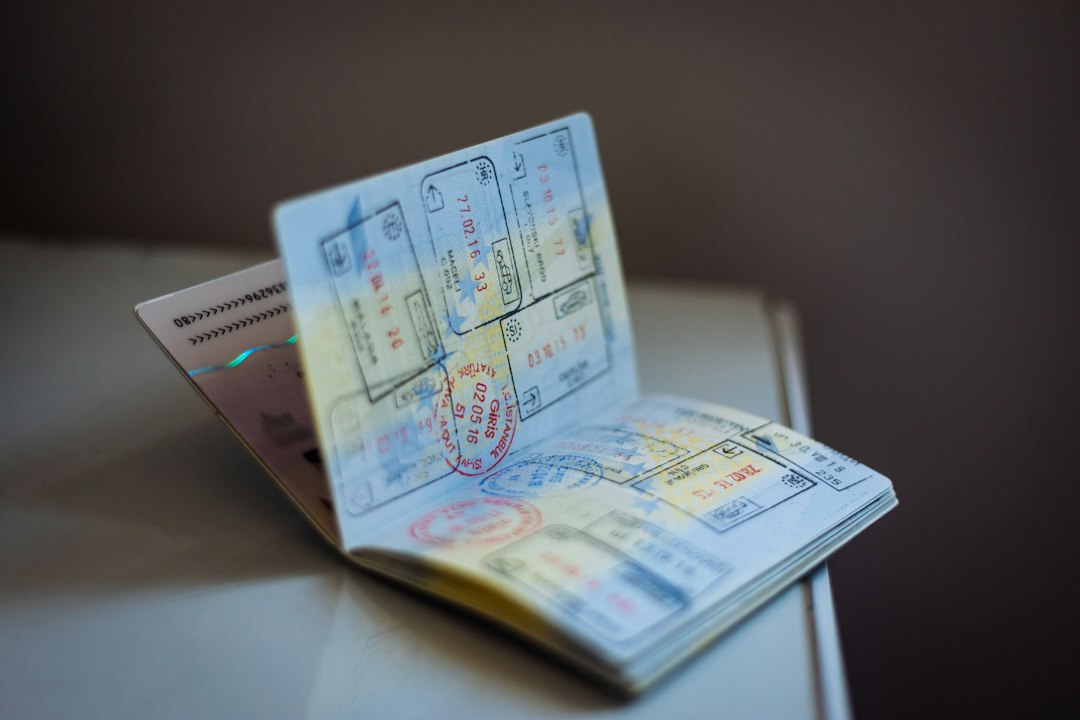
When it comes to staying informed about border system status, honestly, you can’t just rely on a single news feed or wait for an airline notification that might never come. I’ve found that the most reliable path is to treat these systems like any other piece of critical infrastructure, meaning you need to proactively seek out the official service status pages rather than just hoping for an automated alert. The reality is that these databases often suffer from significant data latency, and in many cases, government agencies simply don't have the public-facing infrastructure to report technical outages in real time. It’s frustrating, I know, but because these systems rely on complex API integrations, a failure in a single backend server can cascade across global transit hubs before anyone even bothers to post a warning.
If you’re caught in a situation where the system seems to be down, look for official government announcements or, if those are silent, monitor aviation-specific forums where ground crew often share updates on widespread processing bottlenecks. Just remember that airline staff themselves are usually flying blind during these outages because they’re just as dependent on those same jittery connections as you are. Don't assume that a lack of information means everything is fine; if you notice a sudden, inexplicable halt in processing at the gate, it’s often a signal that the biometric handshake between the local kiosk and the central database has timed out.
To give yourself the best shot, I’d suggest building your own little early warning system by checking the official portal at least 48 hours before you head to the airport, especially if you’ve had any recent passport or status changes. Keep in mind that these platforms are prone to session corruption, so clearing your browser cache before checking your status is a simple, effective way to avoid seeing outdated or erroneous information. Ultimately, the best way to stay ahead is to stop trusting the digital interface to be your sole source of truth and start carrying physical copies of your authorizations. In an era where a simple packet loss error can land you in a secondary manual review, having that paper trail isn't just old-fashioned; it’s really the only way to protect your trip from a system-wide blackout.
Managing Travel Documents for Dual Nationals and Exempt Travelers
Let's talk about the specific headaches dual nationals face, because navigating the new UK requirements is honestly a bit of a minefield if you aren't careful. If you’re a dual citizen holding a British passport, you’re technically exempt from the ETA requirement, but you have to be disciplined about using that British document at every single point of contact, from airline check-in to the final border crossing. I’ve seen enough travelers trip up by using their other passport out of habit, which creates an immediate mismatch in the automated database that can stop you dead in your tracks. The system is designed to trigger a flag if your biographical data doesn't perfectly mirror your British citizenship records, so think of your British passport as your primary key for every interaction with UK border systems. Even if you hold a passport from a visa-exempt country, the moment you rely on that instead of your British document, you’re essentially forcing the system to reconcile two different identities, which almost always introduces unnecessary friction.
It’s also important to realize that the shift to e-Visas means your entire immigration history is now tied to the digital record inside your passport chip. If you update your biometric data, don't assume it’s instantaneous; synchronization across those international intelligence databases can lag by as much as 48 hours, so you really need to build in a buffer before your flight. I always tell people that if your passport expires, that ETA doesn’t just migrate over to the new one, even if the country of issuance is the same. You have to go through the entire re-application process all over again, which is a detail that catches people off guard when they’re sitting at the gate with a brand new passport but an old, unlinked authorization.
If you’re planning your application, treat it with the same care you’d use for a high-stakes financial transaction. I’ve learned the hard way that using public Wi-Fi to upload your biometric scans is a recipe for disaster; that little bit of packet loss from a shaky connection can look like a failed security check to the system’s algorithm. You’re better off using a stable, wired connection and avoiding peak traffic hours to ensure you don't deal with session timeouts or corrupted files. And honestly, if you’ve ever had a visa refusal in a country that shares intelligence with the UK, just plan for a manual review from the start. These predictive analytics are hyper-sensitive, and they are essentially looking for any reason to push your application into a secondary queue, so don't leave your entry status to chance.
Proactive Strategies for a Smooth Transition to Digital Authorization
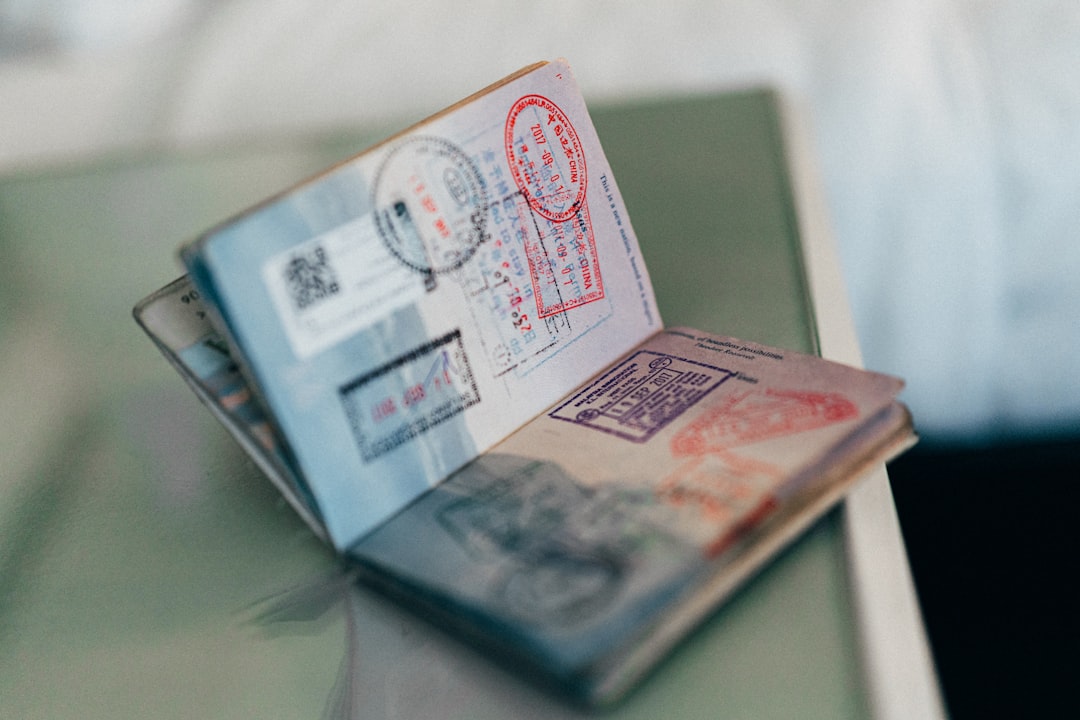
Look, I know the idea of navigating a digital authorization system feels like trying to solve a puzzle while the pieces are constantly shifting. If you're wondering how to actually secure that electronic thumbs-up without getting stuck in a technical limbo, we have to talk about the silent, invisible rules governing these portals. First off, think of these systems as operating on a zero-trust model where every single request is treated as a potential security anomaly until proven otherwise. Because these platforms are hyper-sensitive, even a small mismatch in your digital profile can trigger an automatic rejection to protect the integrity of the border control network. I’ve seen people get snagged simply because their local machine’s system clock was off by a few seconds, which tells the server your connection might not be secure. It sounds like overkill, but that’s the reality of modern, highly automated border security.
The technical hurdles often stem from how your browser handles data, which is something we rarely think about until we're staring at a spinning wheel. If you're applying while on public Wi-Fi, you’re basically asking for trouble; not only are you exposing your session tokens to potential interference, but the system might flag your entry as an anomaly simply because of the network's risk profile. And don't even get me started on VPNs—many of these portals use load-balancing algorithms that actively throttle or block requests from proxy IP addresses to keep bots at bay. If you're trying to save time by applying for your entire family from one shared residential IP, you might hit a wall because the backend API often limits concurrent requests from the same subnet, leading to those weird, unexplained submission errors we all dread.
When you're ready to submit, do yourself a favor and use a modern, Chromium-based browser to avoid the script failures that happen with older or privacy-hardened tools. It’s also crucial to realize that your identity synchronization across databases isn't always instant; those updates often run on an asynchronous cycle, meaning your most recent history might take up to two full business days to reflect in the authorization backend. If you hit a snag and the site times out, avoid the urge to keep refreshing or submitting duplicate entries, as the system’s deduplication engine often defaults to the most restrictive status, which could trap your application in a permanent pending state. My best advice? Treat this like a high-stakes task rather than a quick chore, and you’ll find the process becomes a whole lot more predictable.
Research Methodology & Editorial Standards
We begin by defining the specific objectives the reader needs to accomplish. Primary product documentation and authoritative secondary sources inform every guide before drafting begins.
Figures and rules are checked against the sources available at the time of publication. Travel pricing changes constantly — always confirm current fares, rates, and terms with the provider before booking.