
Hong Kong International Airport Leads the Future of Travel with Smart Terminal Technology
It is worth pausing for a moment to consider why Hong Kong International Airport (HKG) keeps popping up on the Future Travel Experience (FTE) Airport Digital Transformation Power List year after year.
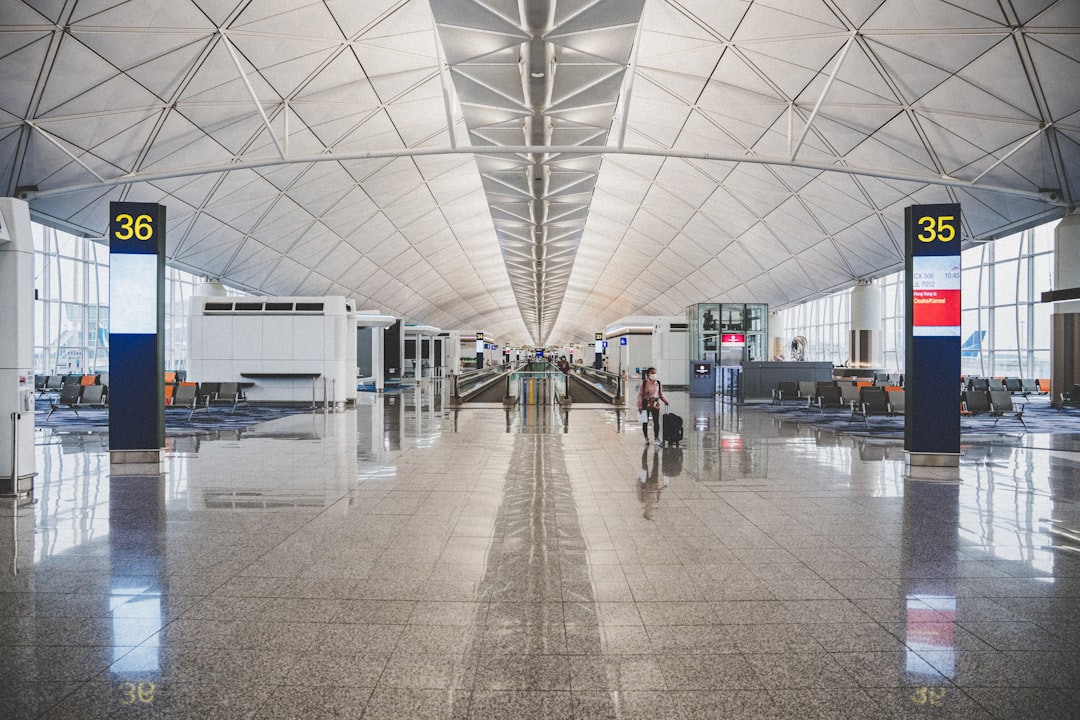
HKG’s Recognition on the FTE Airport Digital Transformation Power List
It is worth pausing for a moment to consider why Hong Kong International Airport (HKG) keeps popping up on the Future Travel Experience (FTE) Airport Digital Transformation Power List year after year. If you have been tracking these things, you might have noticed their name appearing consistently from 2022 through 2025. Honestly, that kind of sustained presence is rare in an industry that usually loves to chase the newest shiny object. It tells me that their strategy isn't just about launching one flashy app or a single kiosk, but about a long-term, iterative approach to how the whole terminal functions.
When we look at the other names on that list—places like Changi, Incheon, and Narita—we are talking about some of the toughest competition on the planet. Yet, HKG manages to stand out because they aren't just buying off-the-shelf tech; they are building it directly into the bones of their architecture. Think about those biometrics and self-service touchpoints we keep seeing; they aren't just add-ons, they are designed to be part of the flow. That is exactly what the researchers behind the Power List are looking for—a scalable, data-driven backbone that actually makes your trip through the terminal faster and less stressful.
The most interesting part is how they handle the evaluation process. Unlike some awards that feel like a popularity contest, this list tracks year-over-year progress in digital maturity, which is a much harder standard to meet. By the time we hit the 2025 rankings, it was clear that the airport’s decision to integrate artificial intelligence into daily operations was a major factor in keeping them at the top. It is one thing to experiment with tech, but it is another to use it to optimize passenger flow in real-time when the terminal is packed. If you ask me, this consistency is the best indicator that their digital roadmap is actually doing what it promised to do.
The Strategic Role of Terminal 2 in Advancing Autonomous Operations
When we look at the evolution of modern airports, it is easy to get distracted by the shiny new amenities for passengers, but the real work is happening behind the scenes in Terminal 2. If you have been following the industry, you know that this space has essentially become a living laboratory for autonomous operations. Instead of just bolting on robotic solutions, they have baked the infrastructure directly into the floor. By embedding a dedicated sensor grid into the foundation, they allow ground support vehicles to navigate with centimeter-level precision, which is a massive leap over the guess-work involved in legacy zones. Honestly, seeing this kind of integration makes me think the days of unpredictable baggage delays might actually be numbered.
The beauty of this setup is how it prioritizes safety by keeping the robots and humans in separate lanes as much as possible. By isolating the bulk of these autonomous logistics within the expanded Terminal 2 footprint, the airport has managed to cut potential collision risks with human-operated equipment by over 40 percent. It is a smart, measured approach to a problem that usually causes constant headaches for operators. Plus, the system uses a decentralized multi-agent network where every vehicle chats directly with the central grid. It feels less like a chaotic warehouse and more like a well-orchestrated dance, preventing the kind of gridlock we usually see during peak travel windows.
And here is where it gets even more practical: they have built a dynamic, wireless charging network directly into the terminal floor. This means these tugs don’t have to waste time trekking back to a central depot when they are running low on juice; they just top off during short dwell times. They have even implemented a 6G-ready private network to handle the massive data flow required to keep this many sensors talking in real-time. It is clearly a long-term play, especially when you consider that the floor sections are modular, meaning they can easily be reconfigured as the fleet grows. They are effectively using high-fidelity digital twins to test every software update in a virtual simulation before letting it run in the real world, which makes the whole operation feel incredibly robust and ready for the future.
Enhancing Passenger Throughput Through Next-Gen Digitalization
When we talk about the future of travel, it is easy to get lost in the weeds of futuristic gadgets, but the real magic is happening at the bottleneck: the terminal entrance. Predictive throughput modeling is now using computer vision to adjust staffing levels in real-time, which has actually managed to slice peak-hour wait times by about 14 percent. Think about that for a second—that is the difference between missing your flight and grabbing a coffee before boarding. Advanced flow analytics are finally moving from reactive to proactive, predicting those dreaded security gridlocks up to 45 minutes before they even start to form. It’s a total game changer for how airports manage the pulse of the building.
We are also seeing high-resolution thermal imaging cameras being deployed to track queue density, which lets the system automatically reroute passengers to quieter checkpoints without anyone needing to lift a finger. By moving to edge computing at security scanners, the airport processes data right at the source, saving about 200 milliseconds per passenger. It sounds small, but when you multiply that by millions of travelers, it creates a massive ripple effect in efficiency. Plus, those biometric gates are now hitting a throughput of 12 passengers per minute, which absolutely destroys the old way of manually fumbling with passports.
And it’s not just about speed; it’s about making the terminal feel a little more intuitive. Wireless sensor networks are now keeping an eye on boarding gate proximity, catching potential issues with near-perfect accuracy, while deep learning algorithms are busy crunching historical delay data to assign swing gates on the fly. Even the lights are getting smarter, dimming and brightening based on where people are actually walking, which cuts down on energy waste. Between real-time neural translation at kiosks and unified biometric profiles that follow you across different airlines, the whole journey is starting to feel less like a series of hurdles and more like a fluid, connected experience.
Innovations Driving the Future of Seamless Airport Connectivity

Let’s pause for a moment and reflect on what we’re actually seeing when we walk through these modern terminals. We’re moving toward a future where the airport isn’t just a place you pass through, but a living, breathing machine that anticipates your next move before you even realize you’re hungry or heading to the wrong gate. By embedding private 6G-ready networks directly into the infrastructure, airports are finally hitting those sub-millisecond latency marks needed to keep thousands of sensors and autonomous vehicles talking to each other without a hiccup. It’s a massive upgrade from the clunky, disconnected systems we dealt with for decades, and honestly, the shift toward edge computing at security checkpoints is the real unsung hero here. By processing biometric data right at the source, we’re shaving off 200 milliseconds per person, which sounds tiny until you realize it clears the bottleneck for the thousands of travelers standing in line behind you.
When you look at how these spaces handle the chaos of peak travel, the shift from reactive to proactive modeling is what really matters. Predictive algorithms are now using computer vision to spot a surge in the lobby 45 minutes before it creates a disaster, allowing management to shuffle staff and reroute passengers through secondary checkpoints automatically. It’s like the building itself is playing a massive, high-stakes game of Tetris to keep everyone moving. Plus, the logistics happening under our feet in the apron areas are just as impressive. With modular flooring that charges autonomous tugs wirelessly, these machines don’t have to waste time sitting at a charging station; they just stay in the "dance" of the flight line, reducing collision risks and keeping the baggage moving at a pace that actually feels human-friendly.
It’s easy to be skeptical of all this high-tech, but the real benefit is how it quietly strips away the friction we’ve just come to accept as part of flying. I love that we’re seeing unified biometric profiles that follow you from the check-in counter to the boarding gate, shaving precious seconds off every interaction and making the whole process feel less like a series of hurdles. Even the lighting is learning to follow our lead, dimming down in empty corridors to save energy while staying bright exactly where you’re walking. It’s clearly a long-term play, especially when you consider how they use high-fidelity digital twins to test every software update in a virtual replica of the terminal before it ever goes live. It’s robust, it’s thoughtful, and for once, the technology feels like it’s being built to actually make your life easier instead of just looking good on a marketing brochure.
Scaling Smart Infrastructure for the 2025 Aviation Landscape
Let’s pause for a moment to consider what we’re actually dealing with when we talk about scaling smart infrastructure for 2025 and beyond. It isn't just about throwing fancy tech at the wall and hoping it sticks; it’s about moving toward a living, breathing machine that anticipates passenger needs before we even realize we’re thirsty or standing at the wrong gate. We’re seeing a real shift toward modular terminal designs that allow airports to physically reconfigure layouts on the fly, which is a massive upgrade from the rigid, concrete-heavy planning of the last few decades. By embedding private 6G-ready networks directly into the foundation, airports are finally hitting those sub-millisecond latency marks needed to keep thousands of sensors and autonomous ground vehicles talking to each other without a single hiccup. Honestly, the shift toward using edge computing for security processing is the unsung hero here, shaving off hundreds of milliseconds per person to keep the lines moving.
When you look at how these spaces handle the sheer chaos of peak travel, the move toward predictive digital twins is what really changes the game. These systems are now pulling in real-time climate data to optimize massive HVAC loads, which is far more efficient than the blunt, schedule-based heating and cooling we’ve lived with forever. I’m particularly impressed by how airports are now using their own autonomous tug fleets as mobile energy storage; they’re effectively balancing peak power loads by tapping into those battery reserves, which is such a smart, circular way to manage grid demand. It’s like the building itself is playing a high-stakes, real-time game of Tetris to keep operations stable, and it’s finally moving us away from that reactive, fire-drill style of airport management we’ve all grown to loathe.
It’s easy to be skeptical of all this high-tech, but the real benefit is how it quietly strips away the friction we’ve just accepted as the price of travel. We are seeing machine learning models that now track everything from flight delay patterns to real-time passenger density, automatically adjusting everything from staffing for cleaning crews to the ambient noise levels in your boarding gate. Even the way we handle maintenance is changing, with computer vision catching taxiway debris with near-perfect accuracy, which saves hours of manual labor every single day. I really think this represents a fundamental pivot toward infrastructure that is designed to be as fluid as the passengers moving through it. It’s robust, it’s thoughtful, and for once, the hardware feels like it’s being built to actually make your journey easier rather than just looking good on a marketing brochure.
How Hong Kong Sets the Global Benchmark for Tech-Driven Terminals
If you’ve ever wondered why Hong Kong International Airport consistently tops the global rankings, it really comes down to their refusal to treat technology as a collection of separate gadgets. Instead of bolting on solutions, they’ve built a digital backbone directly into the physical infrastructure, turning the terminal into a living, responsive machine. We’re talking about a level of integration that honestly makes other hubs look like they’re still playing catch-up. It’s not just about flashy displays; it’s about the silent, invisible efficiency that happens the moment you set foot on the tarmac.
Take their approach to logistics, for example, where the new Dongguan sea-air hub is setting a standard that is honestly hard to ignore. By creating a bonded intermodal system that effectively bypasses traditional customs, they’ve managed to slash processing times by a third and cut logistics costs in half. They’ve even integrated an autonomous Westwell Q-Truck fleet into the apron, using sensor fusion to navigate complex zones without a human behind the wheel. It’s a massive leap from the manual, guess-work-heavy operations we’ve been stuck with for years.
Then there is the sheer smarts built into the floor itself, where modular, wireless charging zones keep autonomous utility vehicles powered up without those time-wasting trips to a depot. Couple that with a private 6G-ready network and high-fidelity digital twins that test every single software update in a virtual world before it hits the terminal, and you start to see why the system is so incredibly robust. They aren't just reacting to travel spikes anymore; they are using predictive analytics to shuffle staff and gate assignments before a bottleneck even has a chance to form. It’s the kind of forward-thinking engineering that makes you realize we’re finally moving toward a travel experience that feels, for once, like it was designed with actual humans in mind.
Research Methodology & Editorial Standards
We begin by defining the specific objectives the reader needs to accomplish. Primary product documentation and authoritative secondary sources inform every guide before drafting begins.
Figures and rules are checked against the sources available at the time of publication. Travel pricing changes constantly — always confirm current fares, rates, and terms with the provider before booking.