
Grand Canyon Summer Hiking Safety Lessons Learned From Recent Tragedies
Turning back before you hit your halfway point is a critical safety strategy because return trips typically require 200 to 300 percent more time and energy than the descent.
The Illusion of Day-Hiking: Why Canyon Trails Are More Dangerous Than They Appear
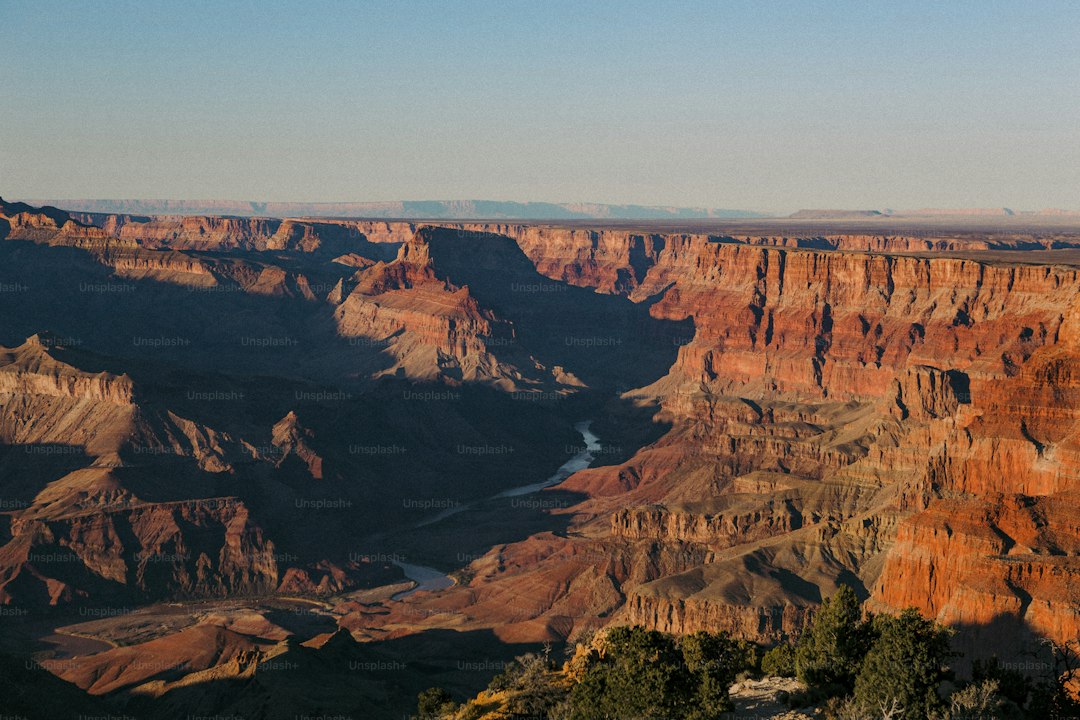
Canyon trails are tricky because they flip the standard hiking script on its head, forcing you to do the hardest part of the walk when you're already at your most tired. Most of us head out expecting a leisurely stroll, but the reality is that the most strenuous exertion happens during that final, uphill slog to the rim. I’ve seen enough data to know that our internal core temperatures often spike to dangerous levels long before we even feel the first twinge of dehydration. It’s easy to get lulled into a false sense of security when you start with a downhill descent, but those deep gorges are essentially giant heat traps where the bottom can be twenty degrees hotter than where you parked.
Think about it this way: walking on loose rock or steep scree isn't just annoying, it actually demands significantly more metabolic energy than hitting a flat trail. You're fighting the terrain while your body is already dealing with the reality of high-altitude oxygen saturation, which, honestly, just clouds your judgment exactly when you need to be sharpest. There’s this weird, well-documented optimism bias where we convince ourselves the climb back up will be faster than it actually is, completely ignoring the fact that we'll be moving at a crawl by the time we hit the steep sections. Plus, the extreme dryness in these canyons pulls moisture right off your skin, often before you realize you're sweating, leading to a silent, rapid drop in your electrolyte levels.
And we have to talk about the light, too; the reflective rock walls essentially bake you with amplified UV radiation, making your heat absorption rate much higher than you’d experience in a forest or open field. It’s wild to think that climbing out of a deep canyon requires roughly the same amount of fuel as running a half-marathon in the heat, yet most people pack snacks as if they're going for a light afternoon walk. Even the tech we trust can betray us, as GPS signals often bounce off those massive rock faces, giving you a totally inaccurate picture of how far you actually have left to go. It’s not just about being fit; it’s about understanding that these environments don't play by the same rules as your local park trail, and honestly, the margin for error is way thinner than it looks.
Decoding the Heat: Understanding Environmental Risks at the Canyon Floor
When we talk about the heat at the canyon floor, we have to look past the basic temperature gauge and understand that you’re essentially walking into a giant, sun-drenched pressure cooker. That dark, ancient rock, specifically the Vishnu Schist, isn't just sitting there; it’s acting like a massive heat sink that absorbs solar radiation all day and keeps pumping that thermal energy back out long after the sun dips. While the air temp might hit a blistering 120 degrees, the actual surface of those rocks can soar past 170 degrees, which is hot enough to mess with your gear and your body in ways you wouldn't expect. Plus, you’ve got adiabatic heating at play, where air rushing down into the gorge compresses and gains heat, creating a localized furnace that feels way hotter than the plateau you started on.
It gets even more complicated when you consider how the canyon’s geography physically traps you. You don’t get the standard breeze you’d feel on a mountain ridge because the narrow, confined walls choke off air circulation, meaning you lose the convective cooling that usually keeps your body temp in check. On top of that, the high vapor pressure deficit in this dry, tight space is basically a vacuum for your moisture, pulling water right off your skin before you even realize you’re sweating. This is why so many people get into trouble; they don't see sweat, so they assume they’re fine, all while their body is silently hitting a wall of dehydration. The way the canyon walls throw infrared radiation back at you adds another 30 percent to your total heat load, which is a massive, invisible tax on your system that most hikers completely underestimate.
And we really need to watch out for the tricks the light plays on us. Those deep, cooling shadows can easily lull you into thinking the heat has broken, which often leads people to push harder just when they should be resting or retreating. Meanwhile, the narrow gorge can trap ground-level ozone, adding respiratory and cardiovascular stress to a body that’s already struggling to move blood away from your working muscles to your skin just to stay cool. When you finally turn around to hike out, your metabolic heat production spikes, but because the environment is already so saturated with heat, your body can’t dump that energy effectively. It’s a vicious cycle that can trigger intense stomach issues, making it nearly impossible to keep down the water or electrolytes you desperately need to make it back to the top.
Beyond Hydration: Essential Physical and Nutritional Requirements for Summer Treks
I think it is easy to view a hike as just a walk, but when you are trekking through extreme terrain, you are really managing a high-performance engine that requires precise fuel calibration. Most of us focus entirely on water, yet slamming plain liquid without enough salt can actually trigger dilutional hyponatremia, which is a scary situation where your blood sodium levels crash below 135 mmol/L. You need to remember that your gut can only absorb about 600 to 800 milliliters of fluid an hour, so chugging more than that just leaves you feeling bloated and overloaded rather than hydrated. When you are hitting those steep inclines, your body burns through glycogen in less than two hours, meaning you need to feed yourself 30 to 60 grams of carbohydrates every hour just to keep your blood glucose steady.
It is also worth noting that the physical cost of climbing isn't linear, as hiking a 15 percent grade can spike your oxygen consumption by 200 percent, forcing your heart to work overtime just to keep your muscles moving. Your body is already struggling because it has to divert up to 25 percent of your cardiac output to your skin for cooling, which honestly leaves your legs with significantly less blood flow than they would have on a flat trail. To keep your muscles firing without breaking down, you should aim for 300 to 600 milligrams of sodium hourly to replace what you are sweating out, and adding 10 to 15 grams of protein every three hours helps prevent your body from cannibalizing its own muscle tissue. Don't forget magnesium, either; it is the unsung hero that prevents the kind of severe cramping that ruins a trek, yet it is almost always left out of the standard snack pack.
The real challenge is that the heat suppresses your hunger hormones, so you might feel perfectly fine while your body is actually starving for fuel. You have to be disciplined about eating even when you don't want to, but you also need to be smart about what you pack. High-fiber or high-fat snacks are a recipe for disaster here because they force your body to divert blood to your digestive system for too long, which is a fast track to feeling nauseous right when you need to be pushing for the rim. I recommend sticking to simple, easily digestible carbs and keeping your caloric intake consistent, aiming for an extra 200 to 300 calories per hour above your normal burn. Think of it as a logistical operation where your performance depends entirely on how well you manage your internal inventory before you hit that final, grueling climb.
The Dress Code Warning: Why Proper Attire is a Matter of Survival
When we talk about the "dress code" in a place like the Grand Canyon, it’s easy to dismiss it as a fashion choice, but let’s be real: your clothing is actually a critical piece of survival gear. I’ve seen people head down in tight, dark-colored athletic wear, not realizing they’ve essentially wrapped themselves in a heat-trapping furnace. If you’re wearing black nylon, you’re looking at surface temperatures that can be 30 to 40 degrees hotter than white fabric, which is the last thing you want when you’re already fighting the canyon's intense solar radiation. Instead, you should aim for loose, light-colored long sleeves that act as a personal heat shield. This setup can actually drop your skin temperature by up to 10 degrees Fahrenheit by reflecting sunlight and keeping that direct heat-to-skin exchange to a minimum.
Think about the physics here, because it’s surprisingly straightforward. Tight-fitting clothes might look streamlined, but they choke off the natural convective currents your body needs to move heat and moisture away from your skin. You want fabrics with a high UPF rating to block those aggressive UV rays, especially since the limestone and sandstone walls act like giant mirrors, bouncing light back at you from every angle. If you’re really struggling with the heat, a loose, wet cotton shirt can actually be a secret weapon—it mimics your own sweat, providing a massive burst of evaporative cooling as the water turns to vapor. Just make sure your gear has integrated ventilation or zippers, so you can manually adjust how much air is flowing as the intensity of your hike fluctuates.
And honestly, don't overlook what’s happening down at your feet, because foot health is often the first thing to fail on a long trek. Your feet will naturally swell by up to half a size in the heat, so if your boots are too tight, you’re setting yourself up for nerve pain and those deep, debilitating blisters that can end a trip before you’re halfway out. I always tell people to invest in moisture-wicking socks made of merino wool or high-end synthetics; they move sweat away from your skin so you don't end up with macerated, soft tissue that falls apart under pressure. Throw in a pair of gaiters to seal the gap between your boots and pants, and you’ll keep that scorching, heat-retaining sand out of your shoes entirely. It’s all about creating a microclimate that keeps you cool, dry, and mobile, rather than just wearing whatever looks good for the photos.
Recognizing the Early Warning Signs of Heat-Related Illness
Let’s pause for a moment and reflect on something most hikers get wrong: we tend to wait for a physical collapse before we take the heat seriously. The truth is, your body starts sending distress signals long before you feel like you’re about to pass out, but these early warnings are often subtle and easily dismissed as simple fatigue. One of the most overlooked signs is a sudden, uncharacteristic shift in your mood; if you find yourself becoming unusually irritable or hostile toward your hiking partners, it’s not just a bad mood, but a legitimate neurological symptom of your internal heat load rising. I’ve noticed that this often happens right alongside a strange kind of mental fog that mimics the feeling of being slightly tipsy, leading to poor decision-making at the exact moment you need to be sharpest.
If you’re moving from a seated rest to a standing position and feel a sudden head rush or lightheadedness, that’s your cardiovascular system struggling to maintain pressure due to fluid loss—what we call orthostatic hypotension—and it’s a clear signal to stop and rehydrate immediately. Another red flag is a sudden loss of interest in the trail or your goal, a state experts call anhedonia, which is your brain’s way of saying it’s hitting a metabolic wall. It’s also worth watching for physical cues like hyperventilation, even when you aren't actively climbing, as your body is desperately trying to offload heat through your breath. Please don't assume that a lack of thirst means you're safe, especially since severe dehydration can actually shut down your thirst mechanism entirely, making it a dangerously unreliable metric.
We also need to keep an eye on how we’re physically moving; if your stride becomes clumsy or you find yourself stumbling on terrain you handled easily an hour ago, you’re likely experiencing heat-induced ataxia. This is a critical neurological warning that you’re nearing a state of thermal runaway, and continuing forward is simply not an option. You might notice sudden nausea or stomach cramping as well, which happens because your body is shunting blood away from your digestive system to your skin to cool you down, essentially starving your gut of oxygen. If you hit that point, your body’s thermoregulatory system is nearing a complete crash, and you need to prioritize immediate, aggressive cooling above all else. It’s always better to be the person who calls for an early break than the one who ignores these quiet, internal alarms until they become a full-blown emergency.
Turning Back: The Critical Importance of Knowing Your Personal Limits
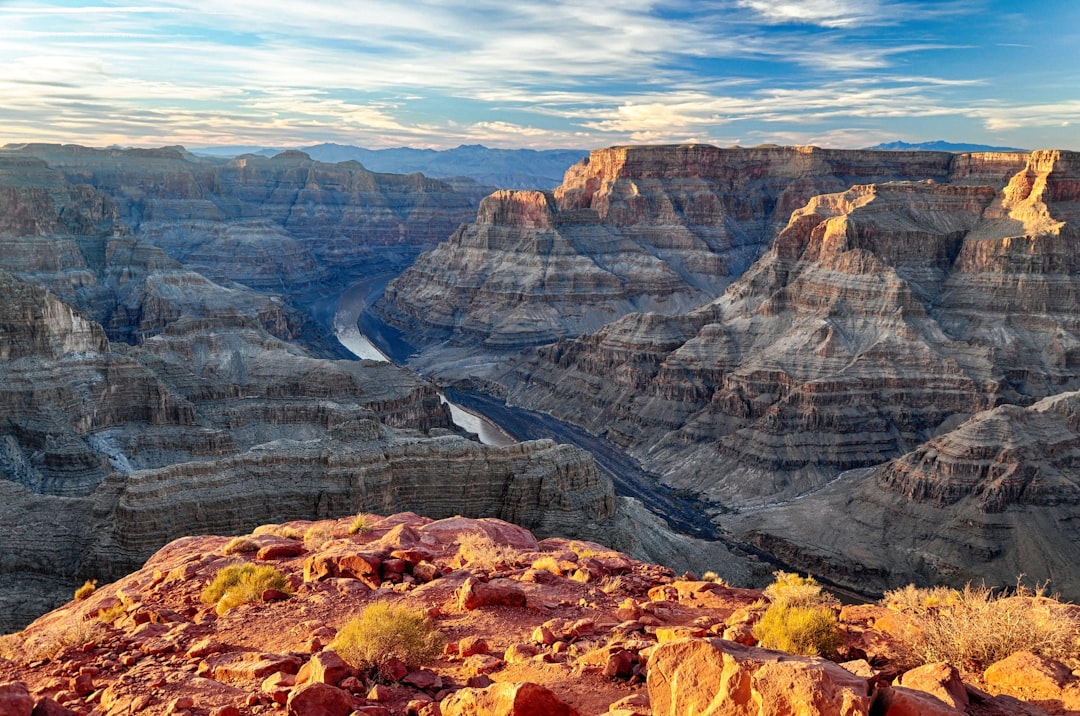
Turning back before you hit your halfway point is a critical safety strategy because return trips typically require 200 to 300 percent more time and energy than the descent. You might think you can just double the time it took to get down, but the physiological cost of fighting gravity scales exponentially as fatigue sets in. Most of us fall into the planning fallacy here, where we project our current, fresh state onto our future, exhausted selves and drastically underestimate how long the climb out will actually take. It is easy to ignore the reality that your metabolic rate stays elevated even when you stop to rest, meaning you never truly reset to your baseline energy levels once you are deep in the canyon.
The human brain has a funny way of betraying us, often ignoring physical discomfort signals to prioritize the goal of reaching the river or a specific landmark. This goal-oriented behavior is a trap, especially when your blood-glucose levels start to dip below 70 mg/dL, which is the point where your judgment clouds and you start missing obvious environmental hazards. Your body’s thermoregulatory efficiency is also taking a hit as you push harder, meaning you are producing more internal heat while your ability to dump that heat through sweating and convection is simultaneously failing. When you reach that point of exhaustion, you might experience thermal ataxia, where your coordination just disappears, making every step on that loose, rocky trail a massive risk.
We also have to be honest about how we track our own limits, because relying on your thirst mechanism is a dangerous gamble in this kind of heat. Your body often suppresses the urge to drink because it is so focused on shunting blood to your skin to cool you down, which is a classic physiological trade-off that leaves your muscles and digestion struggling. If you try to eat something to fix your energy levels, you might find that your stomach just refuses to cooperate because your gut is essentially being starved of blood flow. It is a harsh cycle where you feel like you are just pushing through a bit of tiredness, but in reality, you are nearing a state of profound depletion where you can no longer effectively manage your own survival.
It is worth remembering that taking a break in the shade is often a temporary fix that stabilizes your condition rather than truly restoring your capacity to hike. Deep-tissue heat takes hours of ambient cooling to dissipate, meaning that rest stop isn't the reset button you might hope for when the final, steepest climb is still ahead. If you start feeling dizzy or confused, you have already crossed a threshold that makes self-guided evacuation incredibly risky. Honestly, knowing when to turn back isn't a sign of weakness; it is a tactical decision that acknowledges the simple, brutal math of the canyon before a minor issue spirals into a life-threatening emergency.
Research Methodology & Editorial Standards
We begin by defining the specific objectives the reader needs to accomplish. Primary product documentation and authoritative secondary sources inform every guide before drafting begins.
Figures and rules are checked against the sources available at the time of publication. Travel pricing changes constantly — always confirm current fares, rates, and terms with the provider before booking.