
Gorilla trekking in Rwanda how to plan the ultimate wildlife adventure
If you’re starting to plan your trek into the mist of the Virunga Mountains, you’re probably wondering when exactly you’ll have the best shot at a clear, memorable encounter with the gorillas.
The Best Time of Year to Visit Volcanoes National Park
If you’re starting to plan your trek into the mist of the Virunga Mountains, you’re probably wondering when exactly you’ll have the best shot at a clear, memorable encounter with the gorillas. Honestly, the timing comes down to a trade-off between the ease of hiking and the density of the crowds. Most folks aim for the dry season, which runs from June through August, because the lower humidity and lack of constant rain make those steep, muddy slopes much more manageable. When you aren’t slipping through deep mud, you can actually focus on the trek and the incredible wildlife rather than just keeping your footing. Plus, the clearer skies during these months really do make a difference for photography, giving you a much better chance at capturing that perfect shot in the thick canopy.
But here is where you have to be tactical about your booking. Since the park strictly limits the number of daily permits to protect the gorillas, those peak months of July and August disappear fast. If you want to go then, you’re looking at securing your permits months in advance, sometimes even half a year out. If you’re the type who hates the idea of a crowded trail or if you’re just trying to avoid the peak pricing and competition, I’d suggest looking at the shoulder months of September and October. You’ll find a solid middle ground there, where you get decent weather without the absolute crush of mid-year tourists.
It’s also worth noting that the mountain environment creates its own rules, regardless of what the calendar says. Even in the dry season, you’re in a rainforest, so expect sudden, sharp downpours—it’s just part of the deal. The altitude is the real silent factor here, too; because you're trekking at heights up to 4,500 meters, it gets genuinely cold at night. Many trackers actually prefer the dry season because the gorillas tend to stay at lower elevations to avoid those freezing temperatures, which can sometimes result in a shorter, less exhausting hike for you. So, if you’re worried about the physical toll, stick to the dryer windows. It makes the experience significantly more comfortable and lets you focus on the reason you’re there: that quiet, fleeting moment of connection with the mountain gorillas.
Understanding Rwanda’s Gorilla Permit Requirements and Costs
Let's dive into the logistics, because honestly, securing a spot to see these primates is the most significant hurdle you'll face when planning your trip. The standard price for a single gorilla trekking permit in Rwanda is locked at $1,500 per person, a fee that covers your park entry, those expert ranger guides, and the heavy-duty conservation work keeping these creatures from vanishing. This isn't just a ticket; think of it as a direct investment into the ecosystem, as a hefty chunk of that revenue flows straight back into local schools and health clinics to ensure nearby communities stay invested in protecting the habitat. Because the park strictly limits daily visitor numbers to keep human impact low, that permit acts as a hard cap on your travel window. You'll need to lock this down as early as humanly possible, because once the daily slots are gone, they are truly gone.
But don't assume the $1,500 is your final total cost, as there are some moving parts to consider. The government does occasionally float promotional rates if you’re bundling visits to multiple national parks or heading there for specific business events, so it pays to dig into current government incentives before you finalize your booking. Keep in mind that this fee doesn't cover the local porters who help you navigate those brutal, high-altitude slopes. I’d strongly suggest hiring one—not just because it’ll save your legs, but because it’s a direct way to support the local economy while you’re physically navigating the dense, rain-soaked terrain. You’re also required to bring your original passport to headquarters for identity verification, so treat that document like gold.
Here is the part that really catches people off guard: permit policies are incredibly rigid. You can't just transfer your spot to a friend if your plans fall through, and because the fee is almost always non-refundable, you’re looking at a total loss if you have to cancel. This is where I really lean on the importance of robust travel insurance that explicitly covers the full value of the permit. It’s also worth watching the calendar for events like Kwita Izina, the annual gorilla naming ceremony, which tends to spike demand and can make finding a permit much trickier during those weeks. It feels like a lot of hoops to jump through, but when you finally get that hour in the forest, you'll understand why the regulation is so tight—it’s the only way to keep the experience sustainable for the gorillas and for us.
Essential Gear and Fitness Tips for Your Trek
Now that we’ve covered the logistics, let’s talk about the reality of your day in the forest, because honestly, the terrain here is no joke. Trekking in the Virunga Mountains involves significant vertical gain, so I’d really prioritize eccentric strength training for your quadriceps to manage the repetitive stress of steep descents on your joints. You should also be wearing moisture-wicking synthetic or merino wool base layers since cotton fabrics trap sweat and significantly increase the risk of hypothermia as you move through those wild, shifting microclimates. Your choice of footwear needs to be spot-on, prioritizing ankle stability and a high-traction rubber sole, as volcanic soil becomes notoriously slick and unpredictable during those sudden mountain rain showers we talked about.
Using adjustable, shock-absorbent trekking poles can actually reduce the load on your knees by up to 25 percent during those long descents, which is absolutely vital for preserving your energy for the main event. I also make it a point to pack a lightweight, high-decibel whistle in my emergency kit, because sound carries differently in dense, humid vegetation where you could lose visual contact with your group in just a few seconds. Gaiters are another non-negotiable piece of gear for me, as they act as a physical barrier against stinging nettles and keep that abrasive volcanic debris out of your boots. And please, carry a compact, waterproof dry bag for your electronics, because the high ambient humidity and constant cloud bursts can condense inside even the most expensive camera bags.
If you’re wondering about hydration, I’ve found that bladders are almost always better than bottles here because they let you take frequent, small sips without breaking your rhythm or having to take off your pack. If you’re tracking your fitness, just make sure your watch has a barometric altimeter to monitor your rate of ascent, as rapid elevation gain can trigger mild altitude sickness even if you’re coming in in great shape. Stick to long, quick-drying trousers rather than shorts to minimize skin exposure to biting insects and the thorny undergrowth, and make sure your socks are a heavy-duty synthetic blend to stop blisters before they start. Finally, try wearing a long-sleeved layer treated with permethrin, as it provides a necessary chemical barrier against the ticks and chiggers that thrive in the lush, low-light understory of the mountains.
Navigating Travel Logistics and Accommodations in Musanze
When you’re planning your trip to Musanze, it’s easy to focus solely on the park permit, but where you actually rest your head makes a massive difference in how your trek kicks off. You’re sitting at about 1,850 meters here, so don't be surprised if you feel a bit winded just walking to dinner after landing from sea level; give yourself that extra time to adjust before your early morning start. If you want to shave nearly 45 minutes off your commute to the park headquarters for those 7:00 AM briefings, I strongly recommend looking for lodges near the Kinigi outskirts rather than staying right in the busy town center. It’s a trade-off between being close to local shops and maximizing your sleep, but when you’re facing a grueling day on the volcano, those extra minutes of rest are worth their weight in gold.
You should also keep in mind that the local geology makes the water heavily mineralized, so even at the nicest properties, stick to bottled or treated water to keep your stomach happy. And because of the constant humidity in these mountains, many high-end lodges run dehumidifiers in the rooms; leave them on, or you’ll find your camera gear and clothes feeling damp by morning. I’ve learned the hard way to bring a high-quality surge protector, too, as the local power grid can be a bit jittery during the frequent tropical thunderstorms that roll through the Virunga range. It’s also worth checking if your lodge uses biomass boilers for hot water, as solar systems can struggle when the clouds hang low over the peaks.
If you’re trying to stay connected while you're out there, you’ll be pleasantly surprised that Musanze has surprisingly solid fiber-optic internet, which is a rare find in such a rural pocket of East Africa. Just don’t rely entirely on ride-hailing apps for getting to smaller boutique guest houses, as the GPS mapping can get pretty confused once you turn onto the unpaved feeder roads. When it comes to your actual transit, stick to government-certified operators; it’s not just about convenience, but it’s actually a legal requirement for getting into the park’s restricted zones without a headache. Finally, look for lodges that are part of the local waste-to-energy programs—they’re doing real work to turn kitchen scraps into cooking gas for the community, and honestly, supporting that kind of project makes the whole experience feel a lot more meaningful.
What to Expect During Your Face-to-Face Gorilla Encounter
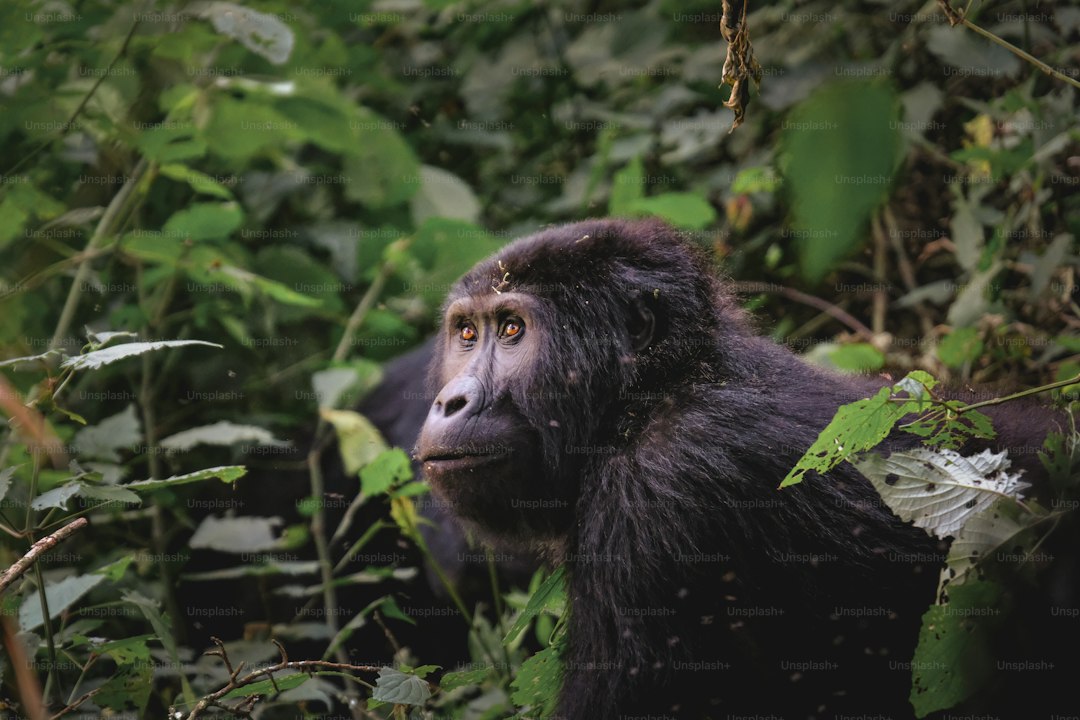
Let’s be honest: nothing quite prepares you for the moment you finally lock eyes with a mountain gorilla after hours of trekking through dense, volcanic terrain. Once you arrive at the troop, you’re strictly required to maintain a seven-meter distance, not just for your own safety, but because these animals are incredibly susceptible to our respiratory illnesses. You’ll notice the silverback might emit a low-frequency grunt or grumble, which is actually just a way to keep his family together as they navigate the thick undergrowth. It’s fascinating to watch them move, and you’ll quickly realize that their movements are dictated by their diet; they spend much of the day as dedicated folivores, consuming massive amounts of stems and bamboo to support their size. If you see them chest-beating, don't panic—it’s usually a sign of excitement rather than aggression, and it’s a sound that genuinely resonates in your chest.
If a gorilla decides to get curious and approaches you, the golden rule is to slowly crouch down and avoid any direct eye contact to signal that you’re non-threatening. You’ll see the guides mimicking soft, rhythmic coughs or belch-like vocalizations, which acts as a language of sorts to reassure the troop that you’re just peaceful observers. During that hour of observation, you might catch them social grooming, which is really their way of settling conflicts and keeping the family structure stable. It’s easy to get caught up in the photography, but take a second to just watch their faces; their expressions are startlingly human, and you’ll see everything from curiosity to a quiet, weary patience as they go about their day.
It’s important to remember that while you’ve traveled thousands of miles for this, the gorillas are truly running the show. They might decide to ignore you entirely or even move off into deeper vegetation if they feel crowded, and the guides will always defer to the troop's comfort level. You’ll also notice that their fur is incredibly thick—a necessary adaptation for the biting cold of the high-altitude Virunga mountains—which makes them look even more imposing in the mist. Before you leave, keep an eye out for their nests; they build fresh, temporary ones out of vegetation every single evening, and finding these abandoned structures is a quiet testament to their nomadic life in the park. It feels surreal, but watching them exist in their own habitat is a humbling reminder of how much we share with these complex, gentle creatures.
Responsible Tourism: Ethical Guidelines for Wildlife Trekking
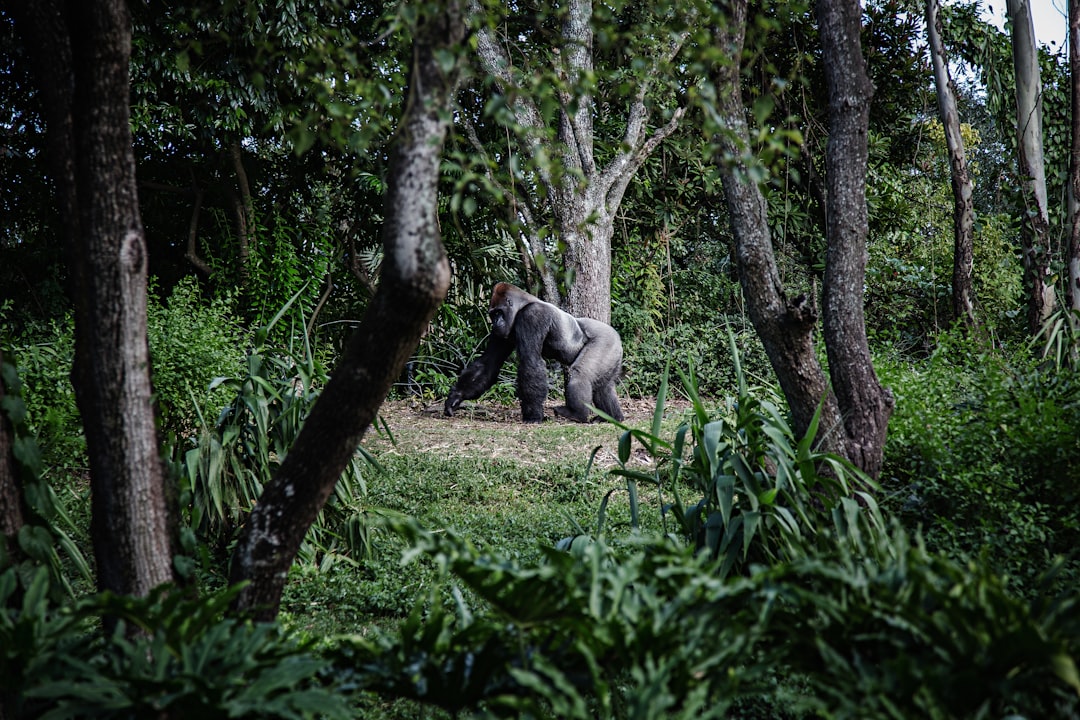
When you’re preparing to head into the forest, it’s easy to get caught up in the thrill of the moment, but we have to remember that we’re guests in a home that’s incredibly fragile. Because gorillas share about 98 percent of our DNA, they’re just as vulnerable to our common colds as we are, which is exactly why that seven-meter distance isn't just a suggestion—it’s a biological necessity. Think of it this way: a simple cough from a traveler can be a life-altering threat to a troop without the immunity to handle human-borne pathogens. It’s also why you’ll notice the guides are so strict about group sizes, as researchers have seen real spikes in stress markers for the animals once you get more than eight people in a cluster.
Beyond just the health risks, the way we move through the Virunga mountains leaves a footprint that lasts long after we’ve headed back to the lodge. You’ll notice the trails shift occasionally, and that’s intentional; it’s all about preventing the degradation of the forest floor and making sure we aren't accidentally dragging invasive plant seeds into these high-altitude zones. And please, treat your waste like it’s radioactive—everything, and I mean everything, comes out with you. Even small amounts of litter can introduce bacteria or chemicals into the watershed that the gorillas rely on, creating a ripple effect that the local ecosystem just isn't built to handle.
Honestly, the most ethical thing you can do is pay attention to the subtle cues your guide gives you throughout the trek. If you see them using specific vocalizations, it’s not just for show; they’re actually using a form of interspecies communication to de-escalate tension and signal to the gorillas that we’re there to observe, not to disrupt. I always remind people that if the gorillas decide to move away or abandon a nesting site, that’s their call, and a good guide will always prioritize their comfort over your photo op. It’s this kind of low-impact, community-backed model that’s actually driven the population growth we’ve seen in recent years. By choosing to follow these guidelines, you’re not just watching a wildlife spectacle; you’re effectively acting as a silent partner in the long-term survival of one of the planet's most incredible species.
Research Methodology & Editorial Standards
We begin by defining the specific objectives the reader needs to accomplish. Primary product documentation and authoritative secondary sources inform every guide before drafting begins.
Figures and rules are checked against the sources available at the time of publication. Travel pricing changes constantly — always confirm current fares, rates, and terms with the provider before booking.