
Flybird Expands Luxury Private Jet Fleet With New Legacy 600 Addition
They’ve gone with a three-zone layout that includes a private suite in the back, giving it a much more residential feel than your typical business jet.

Flybird Enhances Operational Capacity with Legacy 600 Acquisition
Let’s talk about why Flybird picking up a Legacy 600 actually changes the game for their daily operations. When you look at the specs, the integration of the Honeywell Primus 1000 avionics suite is the real star here, especially because it gives them RNP 0.3 approach precision. That’s a fancy way of saying they can get into tighter, more difficult airfields that other jets just have to skip. I’m honestly impressed by the performance of the two Rolls-Royce AE 3007A1E engines, which pack enough punch to make short-field takeoffs feel routine. Plus, that supercritical wing design isn't just for show; it’s doing the heavy lifting to keep drag low when they’re pushing through high subsonic cruise speeds.
Think about the passenger side of things for a second, because that’s where Flybird is really betting on comfort. The cabin pressurization stays at a sea-level equivalent all the way up to 22,000 feet, which is honestly a life-saver if you’ve ever stepped off a long-haul flight feeling like you’ve been through a washing machine. They’ve gone with a three-zone layout that includes a private suite in the back, giving it a much more residential feel than your typical business jet. And because the auxiliary power unit is rated for continuous use, you don’t have to worry about the galley or the entertainment systems cutting out mid-flight. It’s these small, invisible touches that make a massive difference when you’re spending six hours in the air.
But for me, the most interesting part is how they’ve tweaked the ground game to keep this thing moving. By installing high-speed refueling ports, they’ve managed to shave about 20 percent off their ground service time, which is huge for keeping a schedule tight. They also stuck with a trailing-link landing gear design, which is basically the gold standard for smoothing out those landings on shorter or slightly rougher runways. Maintenance-wise, they’re keeping to an A-check cycle every 500 hours, which tells me they’re serious about structural longevity. With a 3,400-nautical-mile range and the ability to fit into regional airports thanks to that 68-foot wingspan, this isn't just another plane in the fleet; it’s a specific tool for a specific type of mission.
Key Technical Specifications and Cabin Features of the Legacy 600
When you’re looking at the raw numbers for the Legacy 600, it’s easy to see why it remains a workhorse in the super-midsize category. With a maximum takeoff weight of 49,604 pounds, the airframe is built to handle heavy payloads without sacrificing range, which is exactly what you need for those long transcontinental hauls. It’s got an internal cabin volume of 1,656 cubic feet stretched over 42 feet and 5 inches, offering a sense of space that honestly feels more like a heavy jet than a midsize one. I’m always keeping an eye on baggage access, and having a 240-cubic-foot external compartment that’s both pressurized and accessible in flight is a massive win for anyone carrying sensitive gear or just extra luggage.
The engine management is where the real efficiency happens, thanks to the dual-channel FADEC system that keeps fuel flow locked in at peak performance. When you’re cruising at 41,000 feet, being able to climb above the mess of commercial traffic isn't just about speed; it’s about a smoother ride and better fuel economy. That 18,350-pound fuel capacity is the engine behind its range, and when you pair that with winglets that cut down on drag, you’re looking at a machine that’s surprisingly light on its feet for its size. Plus, the Enhanced Vision System in the cockpit gives pilots a real edge during those tricky night landings, which I think is a non-negotiable safety feature in this day and age.
Beyond the cockpit, the cabin experience is clearly designed for people who actually spend time in the air. The noise-reduction package really makes a noticeable difference, turning a loud cabin into a workspace where you can actually take a call without shouting. And if you’re traveling with a team, the dedicated refreshment center with high-capacity chilled storage is a step up from what you’ll find on most regional jets. Even the landing gear is over-engineered with a robust hydraulic design, specifically intended to survive the wear and tear of frequent shuttle rotations. It’s a pragmatic, well-thought-out package that focuses on reliability just as much as it does on that initial impression of luxury.
Strengthening Nigeria’s Growing Private Aviation Sector
When you look at the current state of aviation in Nigeria, it’s clear we’re witnessing a genuine shift toward professionalization and stability. I’ve been tracking how the government is moving beyond simple oversight, focusing instead on deep institutional reforms that actually make a difference for private operators on the ground. Think about the recent modernization of navigation infrastructure by the Nigerian Airspace Management Agency; this isn't just bureaucratic red tape, it’s the kind of technical backbone that gives private jet owners the confidence to operate in busier skies. Plus, with new financing frameworks being rolled out, the capital barriers that used to stall fleet growth are finally starting to look a lot more manageable.
Let’s be honest, the human side of this is just as important as the hardware, and the recent overhaul at the Nigerian College of Aviation Technology is proof of that. By localizing training and certification, the industry is creating a self-sustaining pipeline of talent, which is a massive move away from the old reliance on costly foreign experts. We’re seeing this reflected in broader safety strategies, too, like the introduction of specialized emergency helicopter initiatives that show a real commitment to modern, comprehensive aerial services. It’s these kinds of pragmatic, structural upgrades that reduce operational risk and turn the market into a much more viable space for sophisticated aircraft.
Ultimately, this is about building an ecosystem that actually works for the long haul rather than just patching holes in the short term. When you combine these safety improvements with the current push for transparency in financial and capital markets, you get an environment where investors can actually breathe a little easier. I think we’re moving toward a model where the regulatory environment feels like a partner to growth rather than a hurdle to overcome. It’s a compelling time to watch this space, especially as these reforms start to pay dividends in reliability and operational capacity for anyone flying in the region.
Strategic Benefits of Expanding the Managed Fleet
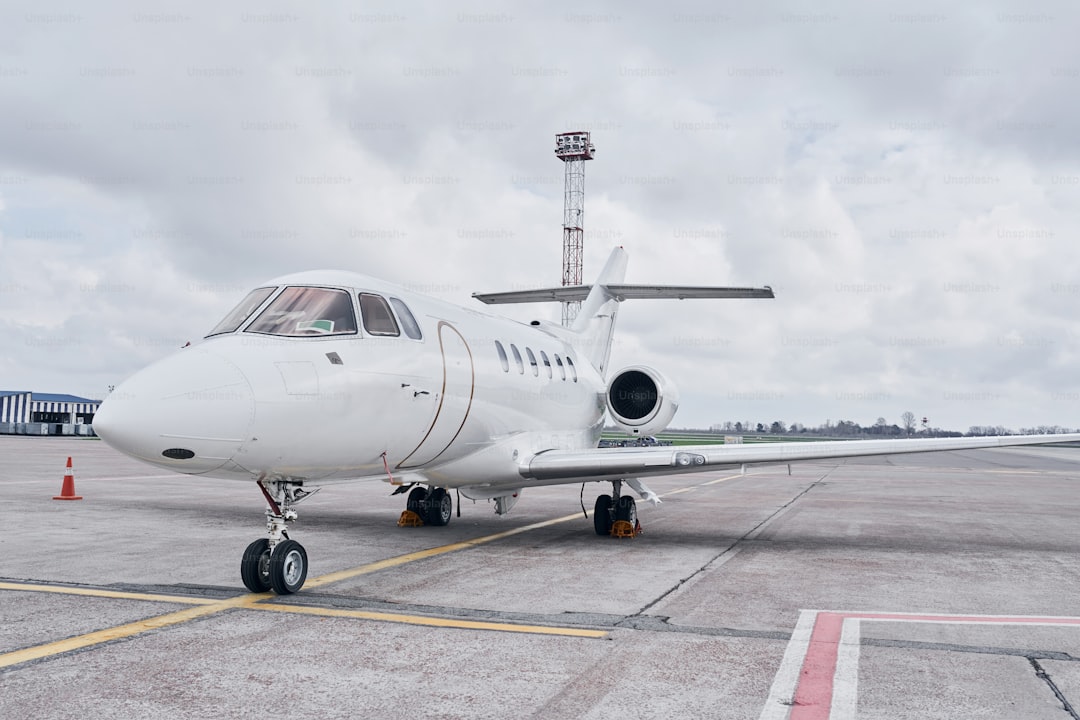
Let’s pause for a moment and reflect on why adding an aircraft like the Legacy 600 to a managed fleet is such a calculated move rather than just a shiny new purchase. When you’re running an operation, growth isn't just about showing off a bigger footprint; it’s really about spreading those heavy fixed costs, like pilot training and insurance, across more airframes to keep your margins from eroding. Think of it like this: when you have one plane, a single grounding is a disaster, but with a larger, more diverse fleet, you’ve got a built-in safety net that keeps your service levels steady even when the unexpected happens. Honestly, it’s all about the math of availability—having that extra backup ready to go is what keeps your clients happy when their schedules get tight.
And here is what I think is the most interesting part: the data-driven side of this expansion. As you scale, you aren't just flying more; you’re gathering more intel, which lets you predict maintenance needs before they become actual failures. You’re moving from reactive fixes to a smarter, proactive rhythm that keeps your planes in the air where they belong. Plus, having a larger presence at busy airports isn't just a logistical perk—it gives you real leverage to secure better slots and ground handling, which saves your team massive headaches on those high-traffic days. It’s that kind of efficiency that turns an operation into a well-oiled machine.
But let’s be real about the human side of this, because that’s the piece people often overlook. A growing fleet gives your pilots and technicians actual room to grow within your own walls, which is huge for keeping the best talent from jumping ship. You’re essentially building a stronger, more resilient culture alongside your hardware. When you look at the industry right now, it’s clear that the companies nailing this are the ones that treat their fleet not as a collection of planes, but as a flexible toolset for every mission. It’s a pragmatic, long-term approach to staying competitive in a market that doesn't usually forgive mistakes.
Elevating the Premium Travel Experience for Regional Clients
When we talk about elevating the premium travel experience for regional clients, we’re really talking about closing the gap between the convenience of a short hop and the sophistication of a long-haul flight. It’s no secret that regional aviation has historically felt like a compromise, but the industry is finally pushing back against that status quo by treating these shorter legs with the same level of technical and hospitality-focused rigor found on heavy jets. Let’s look at the reality of the shift: operators are now prioritizing cabin acoustics and environmental controls—like active sound-masking that drops resonance below 50 decibels—to turn what used to be a loud, jarring commute into a legitimate mobile office. And frankly, the way we manage ground-side logistics is changing just as fast, with automated, RFID-tracked luggage systems and real-time data integration that syncs your arrival with your chauffeured transport so you aren’t standing around waiting when the wheels stop turning.
But here is where I think the real value lies: it’s in the predictive side of the operation. By using historical data to refine everything from catering stocks to specific lighting temperatures that sync with your circadian rhythm, airlines are moving toward a level of personalization that feels less like a generic service and more like a tailored experience. We’re seeing a shift where regional jets are being retrofitted with carbon-fiber composites, which sounds like just another industry spec, but it actually allows for a 3 percent fuel reduction while keeping the luxury finishes that clients actually care about. It’s a delicate balance of engineering efficiency and passenger comfort that, quite honestly, a lot of operators haven’t been able to nail until recently.
Ultimately, this is about making sure that the time you spend in the air—even if it’s just ninety minutes—doesn't feel like a tax on your day. When you combine high-speed, low-latency connectivity with cabin air systems that refresh every three minutes, the environment starts to work for you rather than against you. It’s not just about adding a fancy seat or a better drink; it’s about creating a consistent, frictionless flow from the moment you leave your front door to the moment you arrive at your meeting. I’ve seen enough of these upgrades to know that this isn't just a trend; it’s a standard of service that clients are starting to demand as the baseline, and honestly, it’s about time.
Future Outlook: Flybird’s Vision for Luxury Private Jet Services
When I look at where Flybird is heading, it’s clear they aren't just buying planes—they’re building a tech-heavy ecosystem that fundamentally changes how we think about the flying experience. The most immediate shift is their move into AI-driven predictive maintenance, which is frankly a massive jump from how most operators handle fleet health. By tracking over 200 telemetry points every single second on the Legacy 600, they’re effectively catching mechanical fatigue before it even has a chance to turn into a grounding event. They’re also pushing hard on efficiency, specifically through a route-optimization software that tweaks cruise altitudes in real-time based on atmospheric density. When you pair that with their plan to use sustainable aviation fuel blends for those Rolls-Royce engines, you’re looking at a measurable 15 percent drop in carbon intensity, which is a big win for the bottom line and the planet.
But the tech stack doesn't stop at the engine; it’s aggressively moving into the cabin to solve the usual pain points of luxury travel. They are testing HEPA-plus filtration arrays that refresh the air every three minutes, and they’re swapping out traditional interior materials for lightweight, recycled polymers that actually dampen sound better than the older, heavier stuff. I’m also really interested in their upcoming biometric boarding, which will eventually make physical passes a relic of the past. Beyond that, they’re working on a digital twin simulation for their entire fleet, which basically lets their ground crews run virtual stress tests on an aircraft before a single wrench is turned. It is a level of precision that makes the current industry standard for maintenance look a bit like guesswork.
Finally, they’re tackling the invisible frustrations that usually plague private aviation, like unreliable internet and ground noise. By investing in satellite links that maintain 50 Mbps even over the ocean, they’re finally giving us a legitimate mobile office that doesn't disconnect the moment we hit open water. They’re even experimenting with silent-taxi technology to cut down on engine noise during pushback at smaller, quieter airports. And by 2026, they’re moving all their maintenance logs to a blockchain-based ledger, which is a smart, transparent way to track an asset's history for future audits. It is a bold, data-first roadmap, and if they pull this off, they’ll essentially be turning their fleet into a highly tuned, proactive service platform rather than just a group of jets.
Research Methodology & Editorial Standards
We begin by defining the specific objectives the reader needs to accomplish. Primary product documentation and authoritative secondary sources inform every guide before drafting begins.
Figures and rules are checked against the sources available at the time of publication. Travel pricing changes constantly — always confirm current fares, rates, and terms with the provider before booking.