
Exploring the Apple Orchards and Alpine Meadows of Trentino Italy
If you’ve ever found yourself driving through the Trentino region, you know the landscape changes the moment you hit the Val di Non.
The Val di Non: Navigating Europe’s Premier Apple Heartland
If you’ve ever found yourself driving through the Trentino region, you know the landscape changes the moment you hit the Val di Non. It’s not just a pretty valley; it’s a massive, high-tech engine producing about 500,000 tons of apples every year, which is roughly 15% of Italy's entire commercial output. When you look up at those hills, you’ll see nearly 95% of the orchards covered in anti-hail netting, a necessity for keeping the fruit pristine when the alpine weather turns volatile. Think about the scale of this for a second: there are over 7,000 individual growers here, with the average family farm sitting at just 1.5 hectares. It’s a strange, successful mix of intense industrial-level production and deeply traditional, small-scale family stewardship.
Here’s the thing that really stands out to me: the science behind why these apples actually taste better. The valley sits between 400 and 1,000 meters above sea level, but it’s the massive temperature swings between day and night that lock in that signature crisp acidity and high sugar content. You’re dealing with soil packed with glacial silt and dolomite limestone, which is exactly why the local Golden Delicious earned its protected status from the European Union. And honestly, the technology they’re using to keep this going is fascinating. They’ve got underground storage facilities carved right into the Dolomite rock, which uses the earth’s natural cooling to cut energy use by 30% compared to typical warehouses.
But it’s not just about yield; it’s about how they’re managing the land for the long haul. I was looking at their integrated pest management, and they’ve managed to slash chemical insecticide use by over 60% by switching to pheromones that disrupt mating cycles. They’re also using automated fertigation on 80% of their land, which essentially feeds the trees exactly what they need at the root level, preventing runoff and keeping the soil healthier. You’ll even notice wildflower hedgerows popping up between rows, specifically designed to bring back beneficial insects. It’s a sharp contrast to the massive, sterile monocultures you see elsewhere in Europe.
If you’re visiting, don’t just stick to the orchards, because the geology here is just as impressive as the agriculture. You can head down into the Rio Sass Canyon, where the Novella stream has sliced through 200 million years of history, right beneath those apple-growing plateaus. It’s a perfect reminder that while this valley looks like a perfectly manicured garden, it’s built on a complex, prehistoric foundation. It’s honestly one of the few places I’ve seen where modern efficiency and environmental awareness seem to be moving in the same direction rather than fighting each other. Whether you’re a fruit nerd or just a fan of a good hike, the way this place functions is worth a deeper look.
Alpine Meadows and High-Altitude Hiking: A Guide to Trentino’s Trails
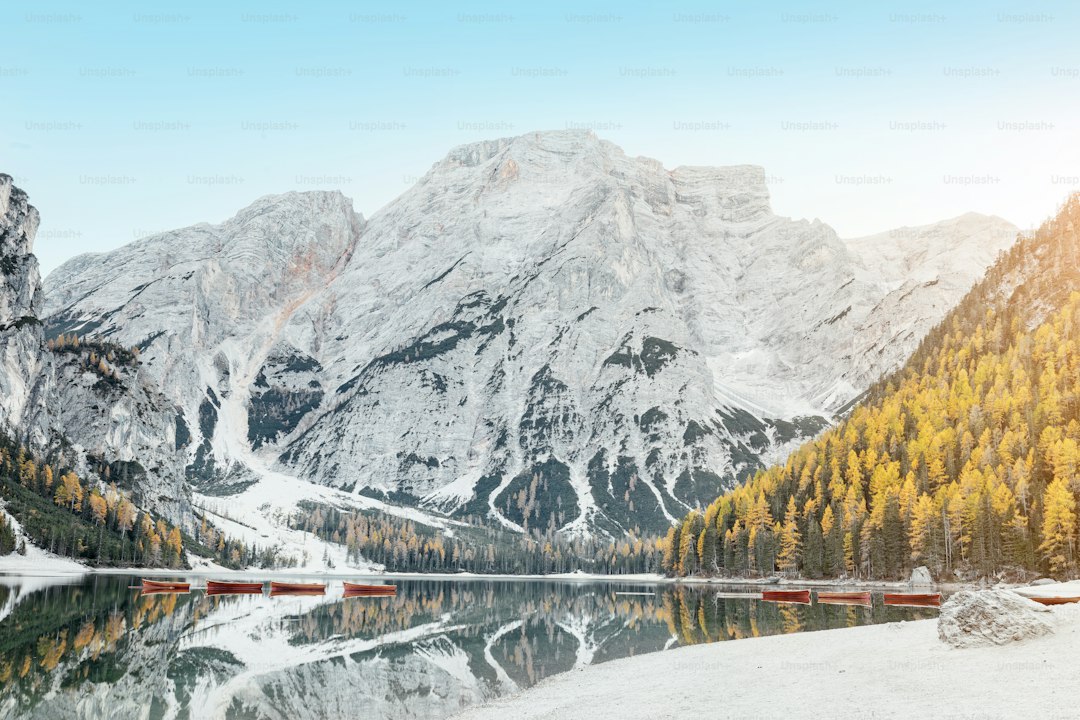
When you step out of the valley and start gaining elevation in Trentino, the atmosphere shifts from agricultural precision to raw, high-altitude geology. It is striking to think that these jagged Dolomite peaks are essentially the fossilized remains of ancient coral reefs, and the way they catch the sunset—that famous Enrosadira glow—is something you have to see to believe. I’ve spent time on the Alta Via 2, and let me tell you, it’s not just a walk in the park; you’re looking at segments reaching nearly 3,000 meters where you might be crossing snowfields even in mid-July. It’s a completely different environment than the orchards down below, where the thin air and extreme verticality define every single step you take.
What I find most interesting is that these alpine meadows aren't just pretty backdrops for photos; they are incredibly efficient carbon sinks that hold onto twice as much carbon per hectare as the fields in the lowlands. The management here is handled by the SAT, which maintains an staggering 5,000 kilometers of trails and a network of 140 mountain huts that make these remote areas surprisingly accessible. If you look closely at the path beneath your boots, you’re often walking on history, as many of these routes were originally carved by soldiers during the First World War to move supplies across impossible inclines. It’s a sobering contrast to the silence of the high meadows, where you might get lucky enough to spot a rock ptarmigan blending into the rocks.
But there’s a real fragility to this landscape that you can’t ignore if you’re paying attention. We are seeing permafrost in the northern massifs warming at a rate of roughly half a degree Celsius every decade, which is changing how these ecosystems function. You’ll notice how quickly the plant life shifts too, with over 2,000 species cataloged in the region; even within a few meters, the exposure to sunlight can create totally different microclimates where rare flowers like the Edelweiss manage to cling to the rocky soil. These meadows are still managed by the Magnifici Comunità, an old-school system of collective grazing rights that honestly does a better job of preventing erosion than any modern regulation I’ve seen. It’s a rare place where you can hike through a UNESCO World Heritage site and actually feel the weight of both the geological past and the environmental challenges we’re facing today.
Seasonal Harvests: Experiencing the Best of the Trentino Orchard Cycle
If you’re planning a trip to Trentino, you really need to understand that the apple cycle here is a high-stakes, clockwork operation that dictates the rhythm of the entire valley. It all kicks off in late March with bud-break, which the locals track using satellite sensors to nail the exact timing for the April bloom. I’m always amazed by the sheer intensity of the pollination window; they rotate over 15,000 honeybee hives across the region during those two weeks to make sure every tree gets covered. Then there’s the frost management, which is honestly wild—farmers use micro-sprinklers to coat the blossoms in a thin shell of ice, using the latent heat from that freezing process to keep the buds alive. It’s that kind of clever, physics-based problem solving that makes this region so successful compared to other fruit-growing hubs.
Things get even more technical once the fruit starts growing, as the summer thinning process is ruthless but necessary. You’ll see growers manually stripping away up to 40% of the tiny apples just to ensure the ones left behind get enough light and nutrients to hit top-tier quality. By the time we hit the harvest window from late August to October, it’s all hands on deck with a massive seasonal workforce meticulously hand-picking every piece to avoid even the smallest bruise. They don’t just guess if a crop is ready either; they use the starch-iodine test to chemically verify that the starch has fully converted to sugar before a single ladder goes up. It’s a level of precision that makes you realize why these apples taste so much better than what you’d find in a typical grocery store bin.
After the picking is done, the post-harvest tech is just as impressive, with fruit moving into controlled atmosphere storage where near-zero oxygen levels basically put the apples to sleep for ten months. I also find it fascinating how they keep the whole system circular; nearly 90% of the organic waste gets turned into compost and pushed right back into the soil during the winter. Even the wind plays a role, with the Ora del Garda thermal breeze acting as a natural air conditioner to keep the orchard temperatures in check every afternoon. They’re even testing autonomous ground vehicles now to monitor leaf moisture in real-time, moving way past traditional farming methods. It’s a blend of ancient traditions like lunar-timed pruning and cutting-edge logistics that keeps this place ahead of the curve.
Farm-to-Table Traditions: Culinary Delights of the Italian Dolomites
I think we have to talk about how the food culture here is essentially a masterclass in survival and efficiency, far removed from the polished menus you might see in big cities. When you dig into a bowl of Canederli, you’re not just eating bread dumplings; you’re witnessing a centuries-old engineering solution to food waste that perfectly balances starch, fat, and protein for sustained energy in high-altitude conditions. It’s wild to think that these recipes were born from necessity, yet they’ve become a cornerstone of the region’s identity. The local Puzzone di Moena cheese is another great example, where the brine-washing process during maturation creates that pungent, semi-soft profile you really can't replicate elsewhere. Honestly, it’s this commitment to the specific terroir—like the high beta-carotene in alpine butter from summer grazing—that makes every meal feel like a direct connection to the mountain landscape.
And then there's the science of the dairy itself, which is honestly fascinating if you look at the supply chain. Take the Latte di Fieno, or Hay Milk; by feeding cows exclusively on fresh meadow grasses and dried hay, the producers are hitting a higher concentration of Omega-3 fatty acids than you’d ever find in standard commercial dairy. It’s a cleaner, more direct way of working with nature that feels really intentional. You’ll also notice how they’ve preserved heirloom varieties through the centuries-old Maso farm system, which enforces strict indivisibility to prevent land fragmentation. It’s a deliberate, slow-motion approach to agriculture that keeps these unique crop varieties alive when the rest of the world seems obsessed with mass-producing the same three types of produce.
If you’re really curious about the chemistry of these flavors, just look at the smoking process for Speck Alto Adige PGI. It’s a precise, low-temperature operation using beechwood and juniper that never goes above 20 degrees Celsius, which is the only way to keep the meat’s structural integrity intact while infusing that signature depth. Or consider the Schüttelbrot, a rye bread engineered for long-term storage in brutal winters by keeping its moisture content incredibly low. Even their use of wild-foraged mountain pine needles to infuse oils is a clever way to capture the terpene-rich essence of the surrounding forests. I honestly love that these traditions aren't just for show; they’re highly functional, deeply researched ways of living that have turned the harsh environment of the Dolomites into a genuine culinary destination.
Picturesque Villages and Historic Castles Amidst the Orchards
When I find myself driving through the heart of the Val di Non, it’s impossible to ignore how the architecture feels like a direct response to the landscape itself. You see it clearly in places like Castelfondo, where those winding, narrow streets weren't just built by accident; they were a deliberate, high-altitude engineering choice to break the wind chill and protect the homes from the worst of the mountain winters. It’s that kind of practical history that really draws me in. You’ve also got these stunning structural anomalies like the octagonal tower of Castel Valer, which still holds the record as the tallest of its kind in the entire Trentino region, standing watch under private ownership by the Spaur family for centuries.
But if you want to understand the real soul of these villages, you have to look at the communal bread ovens still tucked away in various spots, serving as a reminder of an era when survival depended entirely on shared resources during the long, harsh months of cold. It’s fascinating to compare that communal spirit with the sheer defensive posturing of sites like Castel Thun, which dominates the horizon with its 13th-century fortifications. While the castle speaks to the military control of mountain passes, the local archives in towns like Romeno offer something more grounded—records of land management stretching back to the 1400s that prove this area has been refining its orchard techniques for half a millennium.
And don’t skip Sanzeno if you’re interested in the deeper layers of this place; it’s an absolute hotspot for archaeologists, with excavations revealing Retic civilizations that were here long before the Romans even showed up. You’ll notice the same attention to function in the decorative wooden balconies of villages like Romallo, which look beautiful but were actually designed for maximum surface area to dry hay and crops during the precious few weeks of the growing season. Even the churches, like the one in Revò, reflect this intimate connection to the land through their ornate altars, carved meticulously from the pine that grows right on the surrounding slopes. It’s a rare, authentic look at how people have managed to thrive in these valleys by respecting the environment rather than trying to overpower it.
Sustainable Agritourism: Where to Stay for an Authentic Trentino Experience
When you’re planning a trip to Trentino, choosing where to stay is about more than just finding a comfortable bed; it’s about plugging into a high-functioning ecosystem that actually gives back to the land. I’ve been looking into how local agriturismo operators are shifting their entire operational model toward the CasaClima Wine standard, which is honestly a game-changer for sustainability. By mandating that over half of all construction materials come from regional sources, these hosts are drastically cutting the carbon footprint that usually comes with hauling supplies into the mountains. It’s a level of commitment that goes way beyond the typical green-washing you see in the travel industry.
The engineering behind these stays is just as impressive as the views. Many of these farms are now tapping into the steady, natural temperature of the dolomite bedrock using geothermal heat exchange systems, which keeps things cozy without needing to burn fossil fuels. I’m also seeing a real shift toward smart water management, where properties use sand-gravel beds to filter rainwater for irrigation and laundry, boosting efficiency by about 40 percent compared to standard municipal hookups. If you’re into the science of it, you’ll appreciate that these aren't just guest houses; they’re functioning research hubs.
For those of us who value biodiversity, it’s refreshing to see stays that participate in the regional network, which requires them to keep heritage plant species—like the ancient Reanda apple—alive in their private gardens. They’re even using bioluminescent lighting to cut down on light pollution, ensuring the local moth populations can keep doing their job as alpine pollinators. You might even find yourself using citizen science apps at these places to log the timing of local blooms, which actually helps researchers track how the climate is changing up here in real-time. It turns your vacation into a genuine, data-gathering contribution.
Honestly, the way these farms close the loop is a masterclass in efficiency. Many have installed anaerobic digesters that turn livestock manure into biogas for cooking, effectively turning waste into the very fuel used to prepare your breakfast. You’ll see this reflected in the design too, with timber sourced from controlled forest thinning and living roofs that offer natural insulation while providing a habitat for native insects. It’s a rare, grounded experience where your presence actually supports the preservation of the landscape, making your stay feel like part of a much larger, vital tradition.
Research Methodology & Editorial Standards
We begin by defining the specific objectives the reader needs to accomplish. Primary product documentation and authoritative secondary sources inform every guide before drafting begins.
Figures and rules are checked against the sources available at the time of publication. Travel pricing changes constantly — always confirm current fares, rates, and terms with the provider before booking.