
Expert Strategies to Get Through TSA Security Lines Faster
If you’ve ever found yourself staring at a sprawling security queue, watching the minutes tick away while your flight boarding time looms, you know exactly that feeling of dread.
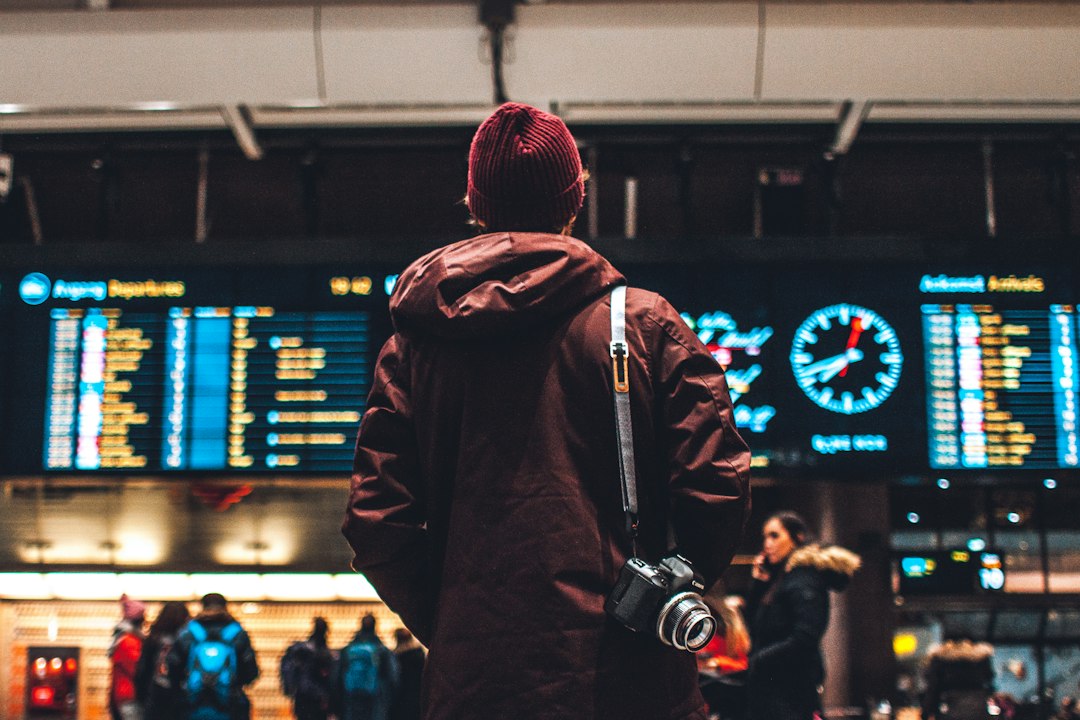
Expedite Your Screening with TSA PreCheck and CLEAR+
If you’ve ever found yourself staring at a sprawling security queue, watching the minutes tick away while your flight boarding time looms, you know exactly that feeling of dread. It’s why so many of us are constantly looking for ways to reclaim those precious minutes, and honestly, the combination of TSA PreCheck and CLEAR+ is the closest thing we have to a superpower at the airport. Think of it this way: TSA PreCheck is your ticket to a faster physical screening, letting you keep your shoes on and your electronics tucked away, while CLEAR+ acts as the front-end bypass that skips the manual document check entirely. It’s a two-step efficiency play that, when combined, helps you glide through the chaos of modern air travel.
Here’s what I mean by that distinction: CLEAR+ uses biometrics—essentially your eyes or face—to confirm who you are in under five seconds, pulling you out of the standard ID line and straight to the front of the screening area. From there, your PreCheck status kicks in, allowing you to breeze through a less invasive conveyor belt process where you aren't digging through your bag to separate your laptop. It’s a private-public hybrid that really changes the math on how early you need to arrive at the terminal. While CLEAR+ is a private service operating in over 55 U.S. airports, TSA PreCheck remains the government standard for low-risk traveler protocols, and they work surprisingly well together to minimize your time spent in the sterile environment of a checkpoint.
Now, I know what you’re thinking—is the cost actually worth it? If you’re a frequent flyer, the answer is usually yes, especially since you can often offset the membership fees using statement credits from premium travel credit cards. It’s worth noting that while these programs aren't a total guarantee of a five-minute experience—you can still be flagged for secondary screening—the odds are heavily in your favor. Just keep in mind that government-run alternatives like Touchless ID are also starting to pop up, which effectively do the same job as CLEAR+ by linking your face to your passport. My advice? If you travel more than a handful of times a year, looking into how your current cards might cover these fees is one of the smartest moves you can make to finally stop stressing at the gate.
Monitor Real-Time Security Wait Times Before Leaving Home
We’ve all had that sinking feeling, standing in a terminal lobby and watching the clock tick while a serpentine security line barely budges. Honestly, the most effective way to avoid that stress is to stop treating your airport arrival time as a guessing game and start managing it with the same data-driven focus you’d use for any other logistics. Before you even grab your bags, I highly recommend checking official airport websites, which often host live dashboards that are far more reliable than the generic estimates you’ll find on some broad-market travel apps. These portals frequently show wait times broken down by specific checkpoint, which is a total game-changer because you might find that one lane is backed up while a different entrance just a short walk away is practically empty.
If the airport’s official site feels a bit too static, look for live webcam feeds or social media updates from the airport authority itself. I’ve found these are often the most honest indicators of real-time chaos during holiday surges or staffing hiccups that automated systems might miscalculate. Think of it as your own personal reconnaissance mission; if you see a sea of people on the camera, you know exactly what you’re walking into. Some major hubs have even introduced reservation systems that let you book a specific screening window, which effectively removes the guesswork entirely by guaranteeing you a spot in a faster, dedicated queue.
But here is where you have to be careful: most of these trackers only measure the time it takes to reach the ID checker, not the full process of getting your bins through the scanner. It’s worth remembering that these digital tools are snapshots, not crystal balls, so they can fluctuate wildly in the thirty minutes it takes you to drive to the terminal. I usually check these metrics right before I leave and then again once I’m in the rideshare, just to catch any sudden spikes in volume. If you’re a frequent traveler, I’d suggest comparing historical heat maps on third-party platforms to see if your usual departure time consistently lines up with peak congestion windows. It’s not about being paranoid, it’s about knowing your options so you can pivot if the main checkpoint is having a rough morning.
Strategic Timing: How Flight Selection Impacts Your Wait
If you’ve ever felt like your entire travel day was cursed before you even reached the gate, it’s worth taking a step back to look at the math behind your flight selection. We often fixate on the cheapest fare or the most convenient arrival time, but rarely do we account for the security friction that comes with those choices. Think about it: a flight scheduled for a mid-week Tuesday or Wednesday morning is fundamentally different from a Sunday evening departure, not just in price, but in the sheer volume of people you’ll be elbowing through to reach your gate. If you can manage an early morning departure between 6:00 AM and 8:00 AM, you’re essentially banking on the airport’s overnight reset, where staff are fresh and the backlog of cascading delays from the previous day hasn't had the chance to compound yet.
But if your schedule allows for it, there’s a secret weapon in the mid-day lull between 1:00 PM and 3:00 PM that most travelers completely overlook. Even though checkpoint staffing levels typically stay high during these hours, the actual passenger throughput drops off, giving you a significantly higher chance of breezing through without the typical stress. It’s almost like finding a quiet pocket of air in a storm, provided you’re willing to sacrifice the early morning or evening convenience. I’ve noticed that choosing budget carriers that operate out of dedicated, quieter concourses can also be a massive advantage, as you’re effectively opting out of the centralized chaos that clogs the legacy carrier terminals.
Then there is the reality of the terminal layout itself, which is a detail I’m surprised more people don't use to their advantage. If you’re flying out of a major hub with multiple non-connected security checkpoints, picking a flight that utilizes a less busy terminal entrance can be the difference between a five-minute walk and a forty-minute nightmare. And if you’re brave enough to fly on the actual day of a major holiday rather than the days leading up to or following it, you’ll often find the terminals are surprisingly ghost-town-like. It really comes down to this: your departure time is a strategic variable you can actually control, and by shifting your habits just an hour or two in either direction, you can reclaim a huge chunk of your day.
Master the TSA Bin: Packing Techniques for Rapid Clearance
Honestly, I’ve found that the way you arrange your bin is the single biggest factor in avoiding that dreaded secondary bag search. If you’re like me, you’ve probably watched in frustration as a simple oversight turns into a ten-minute delay, so let’s talk about how to optimize your setup for the scanner’s perspective. Start by creating a stable foundation, placing heavy items like shoes or thick books at the very bottom of the bin to keep smaller belongings from sliding underneath and obscuring the X-ray image. If you’re stuck in a standard lane, layer your jacket at the base to trap loose essentials like coins or keys inside the pockets, preventing them from scattering across the belt. I’ve noticed that aligning everything in a single, clear layer—rather than stacking—significantly improves the scanner’s ability to differentiate between organic and inorganic materials.
Think about how you position your tech, too, because those automated algorithms are incredibly sensitive. I always place my laptop at the very edge of the bin with the screen facing the side wall, as this gives the scanner the cleanest cross-sectional view and prevents those annoying "please remove your computer" requests. If you carry a lot of cables, wrap them tightly around your devices instead of tossing them in loose; it stops them from appearing as a dense, tangled mass that often triggers a false positive alert. Also, keep your liquids in a flat, rectangular bag rather than a bulky dopp kit, as this shape lies perfectly flush against the bottom of the bin for optimal visibility under computed tomography scanning.
One of the biggest mistakes I see people make is nesting bins inside one another before they hit the tunnel. Even if it feels efficient, the overlapping plastic creates image artifacts that confuse the system, almost guaranteeing you’ll be pulled aside for a manual check. Instead, try using modular packing cubes to keep your small items grouped together so you can lift them out as one unit, which saves a massive amount of time on the other side of the machine. I’m also a big fan of using a bag with a high-contrast interior lining, which helps me visually scan for any stragglers so I can repack and clear the area in seconds. It really comes down to treating your bin like a structured display rather than a junk drawer, and once you get the rhythm down, you’ll be surprised at how much smoother the entire process feels.
Choose the Right Terminal: Navigating Airport Infrastructure
Let’s pause for a moment and reflect on why we often feel defeated before we even reach the gate. Most travelers treat the airport as a static entity, but in reality, terminal infrastructure is a dynamic, evolving system that dictates your stress levels more than any other variable. I’ve found that picking the wrong terminal entrance at a sprawling hub isn’t just a minor inconvenience—it can easily tack on fifteen minutes of unnecessary walking or force you into a secondary screening queue that ruins your schedule. When you’re dealing with major airports currently undergoing multi-phase infrastructure overhauls, the way you navigate from the curb to the checkpoint can be the difference between a brisk walk and a frantic dash.
It’s helpful to think about terminal layout as a strategic choice rather than just a destination. Many larger airports operate with non-connected security zones, meaning once you’ve committed to a specific entrance, you’re often locked into its unique flow and congestion patterns. I’ve noticed that legacy carrier hubs tend to suffer from centralized bottlenecks that become incredibly volatile during peak travel windows, whereas choosing a terminal dedicated to budget carriers can sometimes grant you access to quieter, faster security lanes. You really have to look at the airport’s specific map before you leave; identifying if your departure is in a concourse known for high density or long transit times allows you to adjust your buffer time accordingly.
And honestly, don’t ignore the smaller, operational shifts that are becoming industry standards. We’re seeing more airports move toward tighter bag-drop deadlines—some now hitting sixty minutes—which leaves you almost zero margin for error if you get your terminal navigation wrong. It’s also worth considering how global capital projects, like the billion-euro expansion at Keflavik, completely redefine the standard path between landside check-in and your gate. My advice is to stop viewing the terminal as a monolith and start treating it like a variable you can optimize. If you map your entry point against the location of your gate before you even call your rideshare, you’re already miles ahead of the crowd.
Last-Minute Hacks to Navigate Peak-Hour Congestion
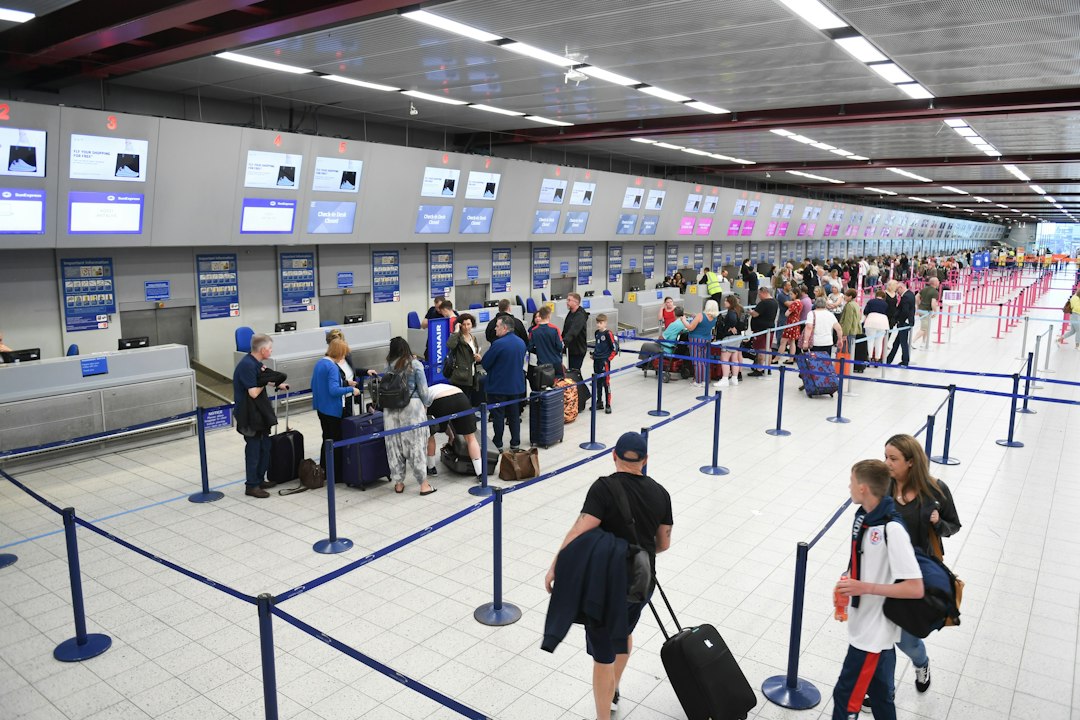
Let’s talk about that moment when you’re staring at a wall of people at the security entrance and the clock is suddenly your worst enemy. It’s easy to feel like you’re at the mercy of a broken system, but the reality is that congestion follows predictable patterns you can actually exploit. Most travelers blindly head to the central atrium, but data shows that trekking an extra 200 meters to an adjacent, less-trafficked checkpoint can often slash your wait time by up to 20 minutes. It’s a simple shift in behavior that pays off because passenger volume is rarely distributed evenly across a terminal’s footprint. You’re essentially playing a game of efficiency, and knowing which lane is prone to bottlenecks is your best move.
If you’re looking at the broader schedule, consider that flying on a Tuesday often results in 15% lower passenger throughput compared to the brutal Sunday evening peak. I’ve noticed that if you can aim for a mid-day flight, that 1:00 PM to 3:00 PM window acts as a surprisingly reliable lull where checkpoint demand drops off significantly. Even without premium status, this timing alone can save you the headache of fighting through the morning surge. It’s not just about when you fly, but how you manage your transition from the curb to the scanner. Arriving exactly 120 minutes before a domestic flight seems to be the sweet spot that balances giving yourself enough breathing room while avoiding the stress of the early-morning rush.
Once you’re finally at the divestment table, the way you set up your bins is honestly the difference between a quick trip through and a secondary search. I’ve started using modular packing cubes for my cables and electronics because they stop the clutter that confuses the X-ray algorithms, which is a major cause of those annoying manual bag checks. You should also try placing your laptop parallel to the belt; it allows the scanner to see your device more clearly, which prevents the system from flagging a false positive. And look, wearing slip-on shoes might feel like a minor detail, but it shaves about 45 seconds off your time and keeps the line moving behind you. It’s all about creating a clean, organized flow that helps you get to your gate without the added adrenaline spike.
Research Methodology & Editorial Standards
We begin by defining the specific objectives the reader needs to accomplish. Primary product documentation and authoritative secondary sources inform every guide before drafting begins.
Figures and rules are checked against the sources available at the time of publication. Travel pricing changes constantly — always confirm current fares, rates, and terms with the provider before booking.