
Experience the absolute best hiking trails in Los Angeles
Slather on that broad-spectrum, water-resistant sunscreen with at least SPF 30, because the reflected light off these dry trails can be deceptive.
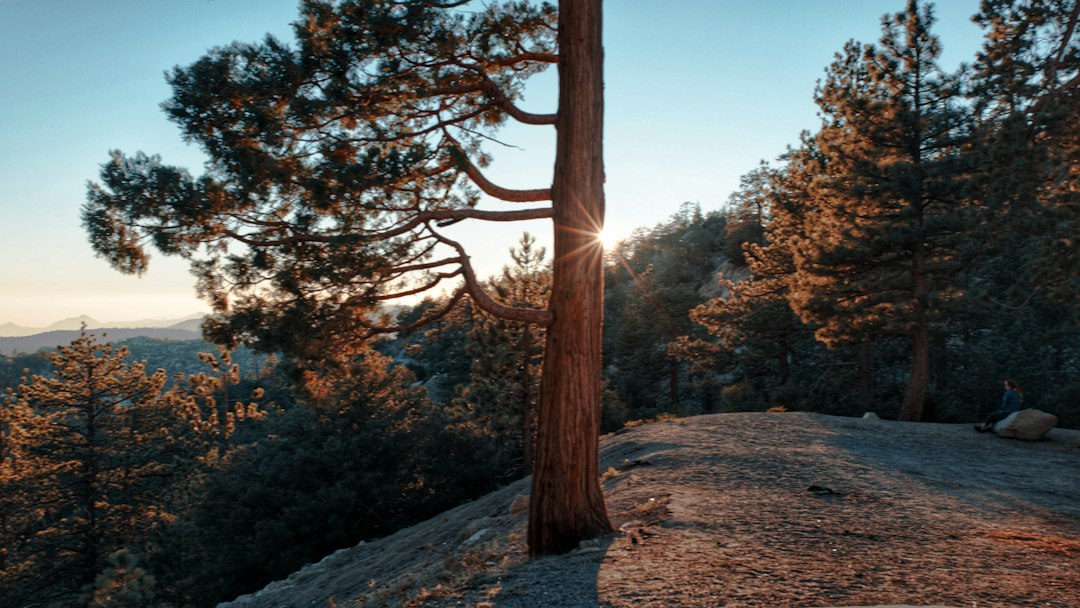
Essential Gear and Safety Tips for L.A. Trailblazers
You know that feeling when you're halfway up a canyon, the sun is hitting just right, and you suddenly realize your water bottle is way lighter than it should be? I’ve been there, and honestly, the L.A. sun is not something to mess with. You really need to be drinking about 0.5 to 1.0 liters of water every hour you're out there to keep heat exhaustion at bay, especially when those dry heat spells roll in. Beyond hydration, you’ve got to respect the UV index here, which often pushes past 10 in the summer. Slather on that broad-spectrum, water-resistant sunscreen with at least SPF 30, because the reflected light off these dry trails can be deceptive. And if you're hitting the canyons, leave the cotton socks at home. They just hold moisture and cause blisters. Switch to synthetic or wool blends that move sweat away from your skin, and your feet will thank you after those long, steep climbs.
When it comes to the actual terrain, those loose, sandy trails aren't just a nuisance; they’re a technical challenge. I’ve found that swapping standard running shoes for something with aggressive, multidirectional lugs is the best move to keep your grip on that granitic soil. If your knees start acting up on the descents, don't be afraid to use trekking poles. They actually take about 25 percent of the load off your joints, which makes a huge difference over a long day. And look, I know we all rely on our phones for everything, but L.A. canyons are notorious for killing GPS signals. It’s not just a suggestion to carry a physical map and compass; it’s a necessity if you’re moving through deep, cut-off terrain where your screen is likely to just show a blank blue dot.
Safety around the local wildlife is another thing I think we don't talk about enough. Between April and October, rattlesnakes are out and about, and the golden rule is just to give them at least six feet of space—staying outside their strike range is the only way to be sure you're safe. If you run into a coyote, which is getting way more common near the city, don't turn and run. Stand your ground, make yourself look big, and get loud to show them who’s boss. Also, keep a basic antihistamine kit in your pack for poison oak, and if you’ve been brushing through high grass, do a quick tick check before you head home. It might feel like overkill, but it’s just the standard protocol for keeping a great day on the trail from ending in a trip to the urgent care.
Exploring the Rugged Beauty of the Angeles National Forest
If you’ve ever looked up from a gridlocked L.A. freeway and wondered how the jagged peaks behind the city stay so wild, you’re looking at the Angeles National Forest. It’s an massive, 700,000-acre expanse that acts as the primary mountain backdrop for the entire basin, yet most people only experience it from a distance. I think it’s important to realize that this isn’t just a park; it’s a critical watershed protecting the water supply for millions of us. When you transition from the coastal sage scrub in the low-lying foothills to the dense pine forests near the summits, you’re moving through a complex ecological mosaic that feels a world away from the city. Honestly, the sheer scale of the San Gabriel Mountains is what keeps me coming back, as they contain some of the oldest basement rock in Southern California, with history etched into every ridge.
Let’s talk about the geography for a second, because the topography here is honestly extreme. You can start a hike at a trailhead near 1,200 feet and find yourself pushing toward the 10,064-foot summit of Mount San Antonio, or Mount Baldy, by the afternoon. It’s a rapid, physically demanding climb that shows you just how wild this terrain really is. Even during the winter, you might find yourself trekking through snow near the peaks while the valleys below remain in that classic, mild Mediterranean climate we’re used to. And if you’re a fan of long-distance trekking, you’ve likely seen the markers for the Pacific Crest Trail, which carves through about 180 miles of this rugged, unforgiving territory.
Beyond the views, there’s a biological intensity here that you just don't find everywhere. If you’re lucky—or maybe just quiet enough—you might spot bighorn sheep in the Sheep Mountain Wilderness or even the rare San Gabriel Mountains slender salamander, a species that literally doesn't exist anywhere else on the planet. I find it fascinating that this area was the first timberland reserve in the state, established way back in 1892, and it still functions as a vital corridor connecting our coastal ranges to the Mojave Desert. It’s a delicate balance to maintain, especially given how heavily used the San Gabriel River system is, but it remains the lungs of our region. Next time you’re planning a weekend, don’t just stick to the popular paths; there’s a whole lot of history and raw, fire-adapted beauty waiting up there if you’re willing to put in the effort.
Hidden Gems: Quiet Canyons and Nature Escapes
If you're anything like me, you’ve probably spent enough time on the crowded, sun-baked trails of L.A. to start craving something a bit more tactile and solitary. We often get locked into the same three or four popular loops, but the real magic here hides in the quiet canyons where the city noise finally drops away and you’re left with actual geology. Think about the Santa Monica Mountains, for instance; those volcanic rock formations you’re stepping over are roughly 16 million years old, a direct relic of deep-sea eruptions that happened long before the tectonic shifts that defined our current landscape. It’s wild to realize that beneath your boots, you’re walking on what was once the floor of the Pacific Ocean during the Pliocene epoch, with fossilized Miocene shells still embedded in the sedimentary layers if you look closely enough.
When you venture into places like Solstice Canyon, you aren't just getting a workout, you’re wandering through a layered history that includes the skeletal remains of the 1952 Roberts Ranch house, designed by Paul Revere Williams. These deeper, shadowed corridors offer a totally different micro-climate compared to the exposed, sweltering ridges we usually endure. Take Eaton Canyon, where the 40-foot waterfall acts as a natural air conditioner, keeping things significantly cooler than the surrounding slopes. You’ll also notice the vegetation changing here, with endemic species like the Catalina cherry thriving in the shade, providing a critical food source for birds that you just won't see out in the open chaparral.
And honestly, there’s a functional beauty to these spots that goes beyond just scenery. Canyons in the Verdugo Mountains, for example, act as vital biological bridges, allowing mountain lions to navigate between patches of open space without hitting the urban wall of the basin. You might also spot coastal live oaks with these strange, gnarled shapes—that’s just the result of centuries of high-salinity wind pruning them into stunted, artistic forms. If you keep your eyes peeled in the Arroyo Seco, you’ll even see the old 1930s-era masonry from the Civilian Conservation Corps, still holding the canyon walls together against erosion. These aren't just pretty places to walk; they’re complex, living systems that act as corridors for everything from migratory butterflies to our local apex predators.
Next time you head out, I’d really encourage you to skip the main parking lots and look for these smaller, north-facing pockets where you can experience things like cold-air pooling during the spring. It’s a completely different rhythm of hiking when you’re moving through these narrow, protected drainages where the air actually feels crisp. Just remember that the chaparral here is packed with volatile, fire-adapted oils, so stay on the trails and respect the delicate balance of these corridors. It’s a different kind of L.A. experience, one that rewards curiosity and a bit of patience, and it’s arguably the best way to keep your connection to the local wilderness feeling authentic and raw.
Desert Adventures: Must-Try Winter Hikes Around L.A.
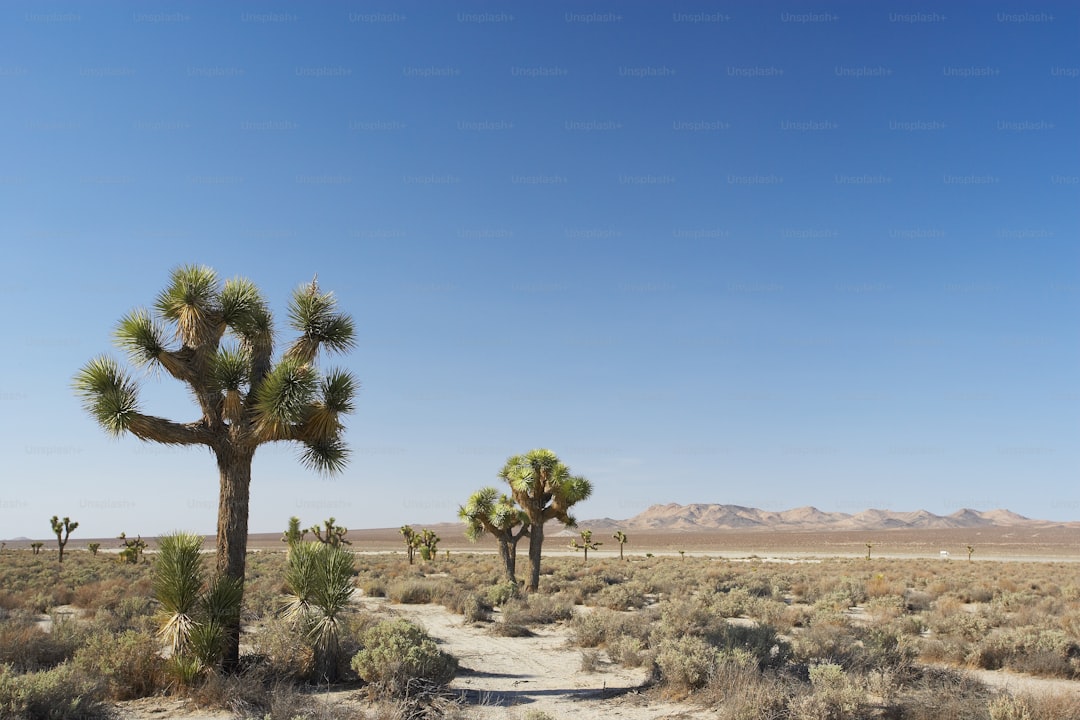
When you’re staring down the final weeks of winter, there’s this specific, nagging urge to escape the basin and find some actual space. I think we all hit that wall where the local canyon loops feel a bit too familiar, and that’s exactly when I start looking toward the high desert. It’s not just about the change of scenery; it’s about the fact that the Mojave’s high-elevation ecosystems are essentially on a different biological clock during these months. You’re trading our dense, fire-adapted chaparral for the stark, open majesty of Yucca brevifolia, those iconic Joshua trees that are actually succulents, not trees at all. It’s a total reset, but you’ve got to move differently out there.
Think about the way the soil behaves in these arid zones compared to the loose, granitic trails near the city. You’ll often see these crinkly, dark patches on the ground which are actually biological soil crusts, a fragile mix of cyanobacteria and moss that can take decades to recover if you step on them. I always make a point to stick strictly to the marked paths because that crust is the glue holding the desert floor together. And while it’s tempting to focus on the vistas, keep your eyes on the boulders for that dark, metallic sheen called desert varnish. That’s essentially a thousands-year-old record of manganese and iron oxides waiting to be noticed, which is just wild to think about while you’re catching your breath.
The trade-off for these wide-open spaces is the intensity of the temperature swings you’ll face. Because of cold-air pooling, you’ll often find the valley floors are freezing in the morning while the surrounding ridges stay relatively mild, so layering is even more critical here than it is in the Santa Monica Mountains. You might even spot desert bighorn sheep moving down to lower slopes for winter forage, or if you’re lucky, catch the migration of prairie falcons riding the thermal updrafts off the sun-warmed rock. It’s a quiet, high-stakes environment where everything from the lizards with their sand-traversing toe fringes to the tortoises hiding in their burrows is perfectly tuned to this rhythm. If you’re looking for a hike that feels less like a cardio session and more like a lesson in how a landscape survives, this is the time to go.
Iconic Paths and Local Favorites for Every Skill Level
When we talk about the best trails in Los Angeles, I think it’s easy to get caught up in the hype of a single destination, but the reality is that our local geography offers a massive spectrum of difficulty that caters to almost every fitness level. If you’re looking for a serious test of endurance, the Backbone Trail in the Santa Monica Mountains is the gold standard, stretching nearly 67 miles with a cumulative elevation gain of 13,000 feet that honestly feels like a high-altitude expedition. I find it fascinating how that corridor, only fully connected in 2016, ties together distinct public lands into one contiguous route that’s a far cry from the short, manicured paths most people associate with city hiking.
But maybe you're not looking to log 20 miles in a single day, and that’s perfectly fine because L.A. hides much shorter, punchy experiences that are just as rich in local lore. Take the Brush Canyon Trail, for example, which lets you hike right behind the Hollywood Sign; it’s a total tourist staple, but knowing it was originally a real estate pitch for a 1923 development called Hollywoodland changes the way you look at the structure itself. Or, if you’re wandering through Griffith Park, you might stumble into the Bronson Caves, which are actually just man-made remnants of a 20th-century rock quarry rather than the natural geological wonders they appear to be at first glance.
What really matters is understanding the micro-climates these trails inhabit, because the difference in effort is often dictated by the temperature and terrain. You have spots like Fern Dell, where a perennial spring creates an unnatural, lush oasis, contrasted sharply against the rugged, volcanic outcroppings of the Conejo Volcanics in the Santa Monicas that date back to the Miocene epoch. If you’re heading out to the Santa Susana Mountains, you’ll see sandstone caves that were shelter for indigenous populations long before the area became a weekend hotspot, reminding us that we’re moving through deep history. I’d suggest keeping an eye on the marine layer too, as that coastal fog can drop temperatures by 15 degrees in an hour, which drastically changes the physical demand of a hike compared to the sweltering inland heat.
Honestly, the best way to approach our local network is to view these trails as living, evolving systems rather than static tracks in the dirt. Researchers are actually using soil moisture sensors in some of our busiest canyons now just to track how our collective boot traffic impacts trail bed stability, which highlights just how heavily used these spaces have become. Whether you’re navigating the fire roads in the Verdugo Mountains—which date back to 1930s wildfire suppression efforts—or marveling at the balanced rock formations on the Mishe Mokwa Trail, you're interacting with a landscape that’s been shaped by both geology and human ambition. My advice is to stop focusing on the "top-rated" lists and instead seek out the routes that match your current energy, keeping that historical context in mind as you walk.
Unique Discoveries: From Rustic Hot Springs to Wildflower Vistas
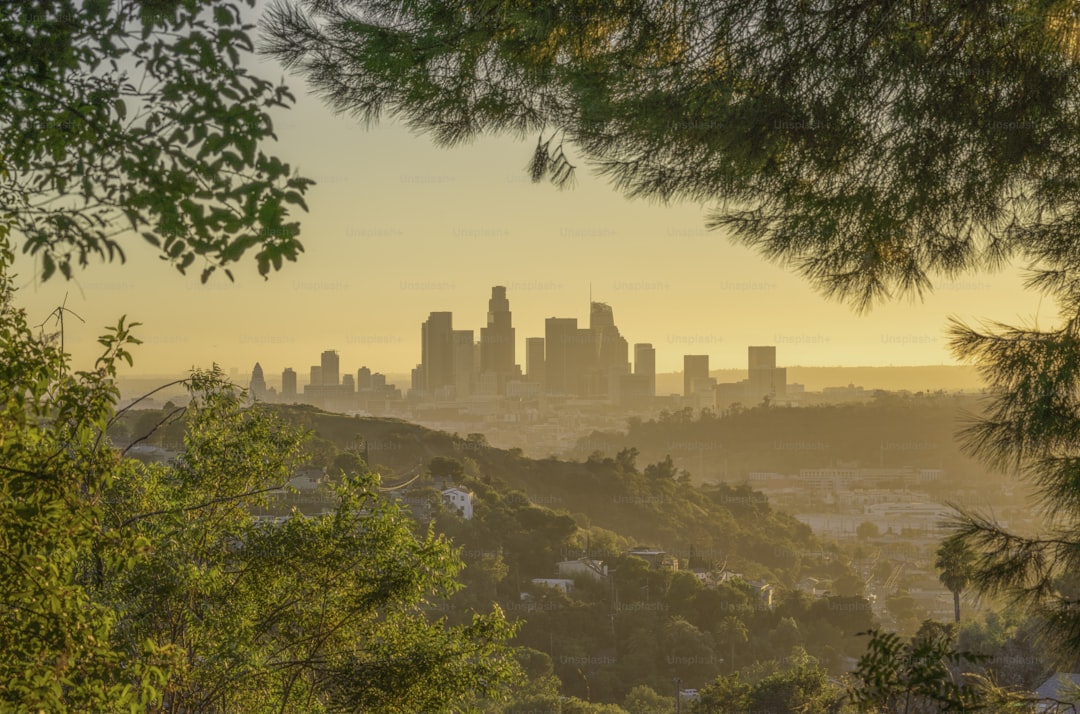
I honestly think we often miss the most fascinating parts of our landscape because we're too busy looking at the trail right in front of our boots. If you take a moment to look deeper, you’ll find that the region is packed with these wild, geological quirks that feel like living science experiments. Take the Deep Creek Hot Springs, for instance; they’re sitting right on the San Andreas Fault, where geothermal heat pushes water up to a perfect 95 to 105 degrees. It’s wild to realize that those pools are essentially a tug-of-war between superheated mineral water and the cool, rushing stream right next to them. This creates a thermal stratification that you can actually feel if you just shift your position in the water by a few inches.
But the real magic happens when you look at how our wildflowers have adapted to some of the toughest conditions on Earth. You know those superblooms in the Antelope Valley? They’re not just pretty; they’re a massive biological event that happens only when we get over 10 inches of rain followed by a dry spring, sometimes producing enough pigment to be spotted from space. Or consider the rare chocolate lily in the Santa Monicas, which stays hidden underground as a bulb for years, only waking up to bloom when the smoke and ash from a fire signal that the canopy has finally cleared. It’s a survival strategy that feels almost intentional, a way of waiting for the perfect, fleeting window of opportunity.
We’ve also got these incredible, tiny islands of life hiding in plain sight, like the fairy shrimp in the vernal pools of the Angeles National Forest. These little crustaceans live their entire lives in the short window before their temporary ponds evaporate under the spring sun, which is just an incredible lesson in timing. Even the plants themselves have these wild, high-stakes ways of getting by, like the desert candle that literally inflates its own stem with air to stay tall without wasting water on woody tissue. You’ll even find hemiparasitic species like the desert paintbrush that survive in nutrient-poor soil by tapping directly into the root systems of nearby sagebrush.
It’s honestly worth slowing down to notice these things because it changes how you see the entire hike. Whether it’s the dudleya succulents in the Santa Susana mountains that can adjust their water loss in minutes, or the white alder trees that act as natural fertilizer factories for the wildflowers around them, this whole system is just humming with hidden activity. When you’re out there next, try to keep an eye out for these micro-refugia, like the cold-seep springs near the coast that keep ferns alive even when the heat hits. It’s not just scenery; it’s a masterclass in adaptation, and understanding even a little bit of it makes the whole experience feel so much more connected and real.
Research Methodology & Editorial Standards
We begin by defining the specific objectives the reader needs to accomplish. Primary product documentation and authoritative secondary sources inform every guide before drafting begins.
Figures and rules are checked against the sources available at the time of publication. Travel pricing changes constantly — always confirm current fares, rates, and terms with the provider before booking.