
Essential Tips for Planning Your Italian Destination Wedding
Before you get lost in the dream of Tuscan vineyards, you need to understand that the Italian government doesn't just take your word for it—you have to prove you’re legally allowed to marry.
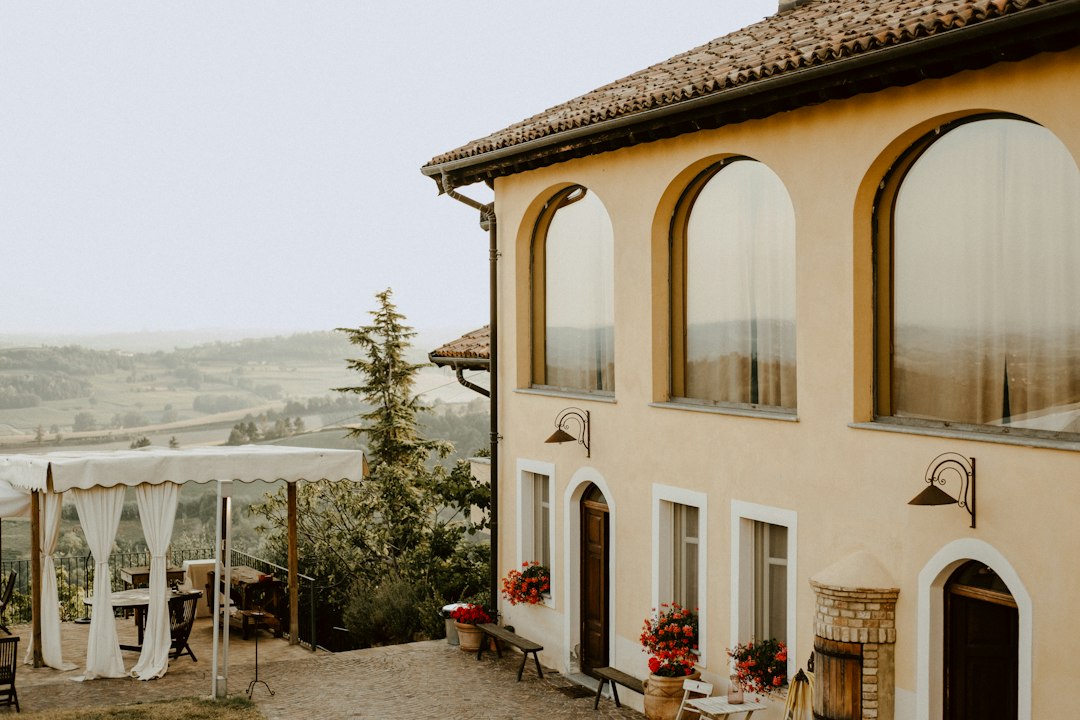
Navigating Legal Requirements and Paperwork for Foreign Couples
Let’s be honest, the romantic idea of getting married in Italy often hits a wall the moment you start digging into the actual paperwork. Before you get lost in the dream of Tuscan vineyards, you need to understand that the Italian government doesn't just take your word for it—you have to prove you’re legally allowed to marry. The most critical piece of the puzzle is the Nulla Osta, an official affidavit confirming there are no legal impediments to your union according to your home country's laws. You’ve got to time this perfectly because these documents usually expire within three to six months, and you don’t want it to lapse right before you walk down the aisle. Plus, you’ll need to have your birth certificates translated by a sworn translator recognized by the local Italian court, or the officials simply won't acknowledge them.
If you’ve been married before, don’t skip the step of bringing a certified copy of your divorce decree or a death certificate for a former spouse, as the local town halls are incredibly rigid about these files. And here is where it gets tricky: if your home country isn't a signatory to the Hague Apostille Convention, your documents must be authenticated by a local Prefettura office, which adds another layer of red tape to your itinerary. Some of you might even be required to show up at the town hall a few days before the ceremony just to make a formal declaration of intent. It is a massive mistake to assume that any foreign document will just be accepted at face value; you really need to verify if your specific country requires you to get everything legalized by an Italian embassy or consulate before you even hop on the plane.
Honestly, the registrar at the town hall has zero room to bend the rules, and if your documents aren’t perfectly apostilled or original, they won't hesitate to cancel your wedding date on the spot. You should also prepare for the fact that some municipalities will charge an extra fee for an interpreter if you aren't fluent in Italian, which is a mandatory requirement for the civil ceremony itself. Think about it this way: your marriage isn't just a ceremony, it’s a civilly binding contract that has to be registered correctly to hold any weight. Finally, once the big day is over, don't forget that you might still need to register that Italian marriage certificate back home to make sure it counts for your taxes and residency status. It’s a bit of a headache, but checking these boxes early is the only way to make sure the legal reality matches the dream.
Choosing the Perfect Italian Region: From Tuscan Vineyards to Coastal Villas
Italy features twenty distinct administrative regions, each offering unique microclimates that impact the peak viability of outdoor ceremonies, ranging from the humid coastal breezes of Puglia to the cooler, mountainous air of the Aosta Valley. The sheer diversity of vineyard elevations in Tuscany allows for viticulture at altitudes ranging from near sea level to over 600 meters, which significantly alters the harvest timelines and landscape aesthetics for those of you eyeing an early autumn wedding. Lombardy holds the distinction of hosting some of the most sophisticated sparkling wine estates near Milan, providing a high-end alternative if you prioritize proximity to major international transit hubs over the traditional rustic countryside. While coastal villas are incredibly sought after, the volcanic soil composition in regions like Campania creates unique topographical challenges for property access that we really have to vet to ensure your guests can actually get there without a headache.
Northern Italian regions maintain a structural architectural focus on historic stone fortifications, whereas southern estates often feature expansive white-washed courtyards designed for historical thermal regulation. You should keep in mind that the seasonal availability of luxury rental estates fluctuates heavily based on the local agricultural calendar, as many private vineyard properties prioritize harvest operations over event hosting during those late summer months. Italy’s coastal geography includes over 7,600 kilometers of shoreline, yet the demand for private cliffside venues far exceeds the limited supply of permitted residential estates, often resulting in booking lead times of eighteen months or more for prime summer dates. It's a bit of a supply-demand squeeze, so if you've got your heart set on a specific view, you really need to be moving faster than you think.
Regional culinary traditions are strictly protected by the Protected Designation of Origin system, meaning that catering menus must often be sourced from hyper-local suppliers to maintain authenticity, which can limit the flexibility of international wedding menus. The intensity of ultraviolet radiation varies significantly between the northern lakes and the southern islands, a detail that is actually quite important when you're choosing between a blindingly bright open-air seaside ceremony and a shaded garden venue. Infrastructure density in regions like Veneto supports easier logistics for large wedding parties compared to the more rugged, isolated terrains found in Basilicata or Calabria. High-end property management in 2026 has increasingly shifted toward sustainable, energy-independent estates, particularly in Umbria, where geothermal heating and solar integration are becoming standard requirements for luxury villa certifications. And look, don't forget that regional zoning laws in coastal areas frequently impose strict noise ordinances after 11:00 PM, a data point that often surprises couples planning outdoor reception music in popular destinations like the Amalfi Coast, so always check the local fine print before you put down a deposit.
Timing Your Celebration: Balancing Peak Season Crowds and Ideal Weather
Deciding on the timing for your Italian wedding is honestly a balancing act between the scenery you've dreamed of and the reality of the local climate. If you’re eyeing the height of summer, you have to be prepared for the reality that the heat island effect makes places like Rome or Florence significantly warmer than the countryside, often creating a stifling environment for outdoor ceremonies. While many people gravitate toward July, the statistical frequency of heatwaves is actually highest in late August, which can be brutal for guests and hard on your floral arrangements. Plus, you’re competing with the peak holiday calendars of Northern Europe, meaning you’ll face higher accommodation costs and much heavier traffic on secondary roads.
Beyond just the temperature, you should really watch out for the humidity levels, especially if you’re planning an evening reception near the coast. Once the sun goes down, that damp air can wreak havoc on sensitive audio equipment or wooden instruments, often causing them to lose calibration right when you need them most. Also, remember that Italy’s geography creates some odd lighting challenges; the solar zenith angles in those narrow, medieval streets mean you might lose your perfect golden hour for photos much earlier than you’d expect. If you’re set on an outdoor setup, don’t ignore the risk of the Scirocco wind, which can bring in heat and fine desert sand that settles on everything you’ve worked so hard to decorate.
If I were you, I’d seriously consider the shoulder season, specifically late September or early October, as the best window for a stress-free event. At that point, you’re looking at much more stable weather because the Mediterranean Sea still holds onto its summer warmth, preventing those sharp, jarring temperature drops you’d get in other parts of Europe. You’ll also find that the crowds start to thin out significantly after the mid-August Ferragosto rush, which makes logistics for guest shuttles and vendor arrivals infinitely smoother. It’s a much more predictable, comfortable experience for everyone involved, and honestly, the softer lighting during those months is a massive upgrade for your wedding photos.
Curating an Authentic Italian Guest Experience: Food, Wine, and Local Culture
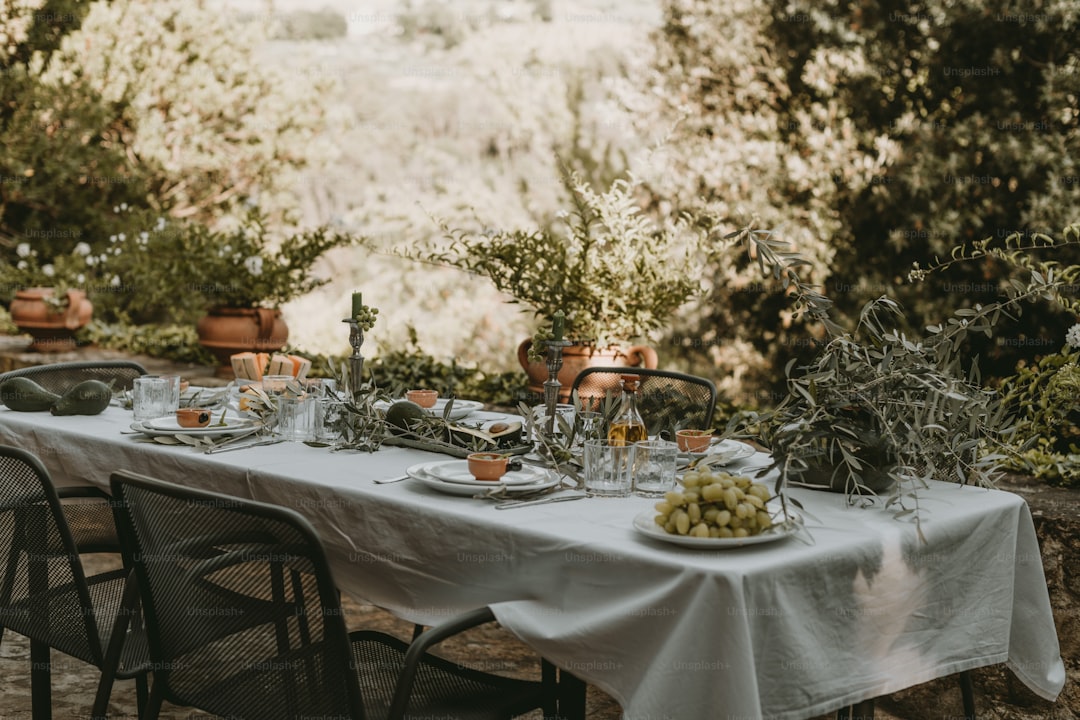
When you’re planning a wedding in Italy, the food and wine aren’t just items on a catering checklist; they’re the heartbeat of the experience. You have to understand that Italian culinary tradition is fundamentally built on regional synergy, where a wine’s acidity and tannins are specifically evolved to cut through the fat and salt of local dishes. This isn't just about taste—it’s about chemistry. If you try to force a menu that ignores these geographic ties, you lose that sense of place that makes an Italian wedding so special. I’ve seen couples struggle because they didn't realize that authentic menus follow a strict seasonal calendar, meaning you really can’t—and shouldn't—expect certain ingredients like fresh white truffles outside of their specific harvest windows in Piedmont.
Think about it this way: the Italian government’s Denominazione di Origine Protetta labels exist to protect the unique microbial environments that give their cheeses and meats such distinct profiles. When you’re choosing your venue, look for estates that embrace the zero-kilometer diet, which is often a logistical reality in rural provinces rather than just a trendy buzzword. These local producers bring a level of quality you simply won't get from industrial wholesalers. And don't overlook the smaller details, like the use of traditional clay amphorae for wine fermentation, which produces an earthier, more complex profile than standard stainless steel tanks. It’s these subtle, structural differences in how food and wine are crafted that will define the quality of the meal your guests remember.
When you’re actually sitting down to design your reception, keep in mind that the sensory experience changes dramatically depending on where you are. The Mediterranean south leans heavily into robust, herb-forward flavors, whereas the Alpine north is defined by butter and cream-dominant profiles. You’ll also want to consider the pace of the meal itself, as the Italian tradition of the digestivo isn't just a fun ritual—it’s a time-honored way to help guests metabolize a multi-course banquet. Even the timing of the coffee service is culturally significant, meant to signal the end of the post-meal social hour. My advice is to lean into these local rhythms rather than trying to adapt them to a rigid, clock-driven schedule; your guests will feel the authenticity, and honestly, the flow of the evening will feel much more natural.
Managing Logistics and Transportation for International Guests
Let’s talk about moving your guests around Italy, because honestly, this is where most wedding timelines go off the rails. You might think you can just hire a few buses or rely on rental cars, but Italy’s ZTL system—those restricted traffic zones in historic centers—is a total minefield that can lead to massive fines if your drivers aren't pre-registered. It’s not just about the rules, either; it’s about the geography. Many of those charming, winding rural roads were built for mule carts centuries ago, meaning standard buses over twelve meters simply won't fit through certain mountain passes or village gates. You’re looking at a logistical puzzle where the size of your vehicle dictates the entire route, and failing to account for that can leave you stranded miles from the venue.
If you’re leaning on public transit, just be aware that the Italian railway operates on a split system where high-speed lines are great for big cities, but regional services often struggle with reliability during the peak summer rush. Luggage storage is another headache; those old-school station lockers are largely a thing of the past, replaced by digital, reservation-only systems that you absolutely need to book ahead of time. And if you’re flying into hubs like Milan Malpensa or Rome Fiumicino, skip the multi-modal transfers and stick to private transport. It sounds like an extra expense, but when you factor in the "NCC" licensing laws—where drivers can be impounded for soliciting passengers without a pre-booking—you’ll realize that having a professional, licensed service is the only way to ensure your guests actually arrive without a side of legal stress.
Think about the timing too, because the local calendar dictates everything. During Ferragosto in mid-August, public transit schedules drop by nearly half, which can leave your guests stuck in the heat if you haven't arranged private shuttles. Even something as modern as an electric rental car is a risky move right now; the charging infrastructure is fantastic on the main Autostrade, but it basically disappears once you head into the mountains or the southern provinces. If I were you, I’d stop trying to coordinate between local taxi co-ops and regional tour operators yourself and just bring in a professional logistics coordinator. It’s the only way to handle that 15 percent buffer time you’ll inevitably need for slow-moving tractors on country roads during the harvest, and honestly, it’s the only way you’ll actually enjoy your own wedding day.
Collaborating with Local Vendors: Insider Secrets for a Seamless Execution
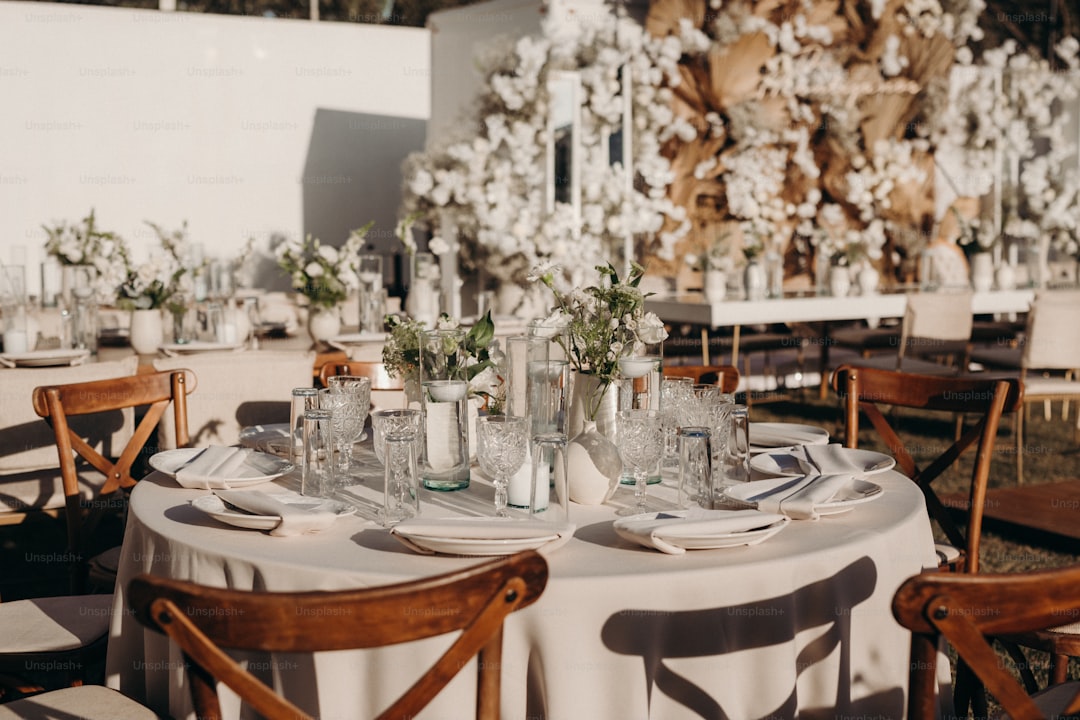
Working with local Italian artisans requires a major shift in how you think about business, because many of these shops still operate on a handshake-and-paper schedule that makes our typical email-heavy workflows look a bit frantic. You’ll find that face-to-face meetings carry infinitely more weight here than any long-winded thread, and frankly, local contracts often lean on the Italian Civil Code and established industry norms rather than the ironclad, loophole-heavy agreements we’re used to seeing back home. It is a bit unnerving at first, but you really need to verify if your florist or caterer has the necessary permits for historical site access, as many of these heritage venues have exclusive, multi-generational deals that effectively lock out any independent talent you might want to bring in. And look, if you’re planning a mid-August wedding, you need to pause and remember that the Ferragosto holiday essentially shuts down the entire service industry for two weeks; if your team isn't already locked in, you’re going to be left standing at the altar with no one to pour the wine.
Because most of these businesses are family-owned, their supply chains for things like high-end lighting or custom linens are surprisingly fragile and can get knocked off course by even minor regional transport strikes. I always tell people to build in a twenty percent lead-time cushion for any physical goods, because waiting on a shipment that’s stuck in a bureaucratic loop is the last thing you want to deal with when you’re already stressed about the ceremony. When you’re looking at quotes, don't just take the number at face value; check if they’ve factored in the mandatory social contributions and insurance required by Italian labor law, or you might find yourself with a surprise bill later on. It’s also smart to grab their Partita IVA number right away to confirm they’re registered with the Italian Revenue Agency, which keeps you from accidentally hiring someone off the books who lacks the liability coverage you’ll definitely want if something goes sideways.
You should also be aware that the logistical reality of Italian villages often dictates your vendor's capabilities in ways you wouldn't expect. Those charming, narrow streets that make Italy so beautiful are often too tight for standard delivery trucks, meaning your decor team might have to make three or four smaller, more expensive trips to get everything on-site. If you’re dreaming of a massive, multi-tiered cake, definitely grill your caterer on their cold-chain logistics first, as their kitchen setups might not be designed to handle the heavy-duty refrigeration required for those complex, international-style dessert displays. And please, don't get caught off guard by the legal side of the party; if you’re hiring a band, make sure they’re registered with the SIAE so you’ve covered the mandatory public performance royalties, or you could be liable for some serious fees. It’s all about respecting the local rhythm, and honestly, if you treat your vendors like partners rather than just service providers, you’ll find they’ll go the extra mile to make sure your day actually happens without a hitch.
Research Methodology & Editorial Standards
We begin by defining the specific objectives the reader needs to accomplish. Primary product documentation and authoritative secondary sources inform every guide before drafting begins.
Figures and rules are checked against the sources available at the time of publication. Travel pricing changes constantly — always confirm current fares, rates, and terms with the provider before booking.