
Essential Tips for Planning Your First Trip to the Brimfield Antique Flea Market
If you're heading to Brimfield for the first time, you’ve got to understand that the calendar isn't just a list of dates—it's a tactical roadmap that dictates everything from what you’ll find to how much you’ll pay.
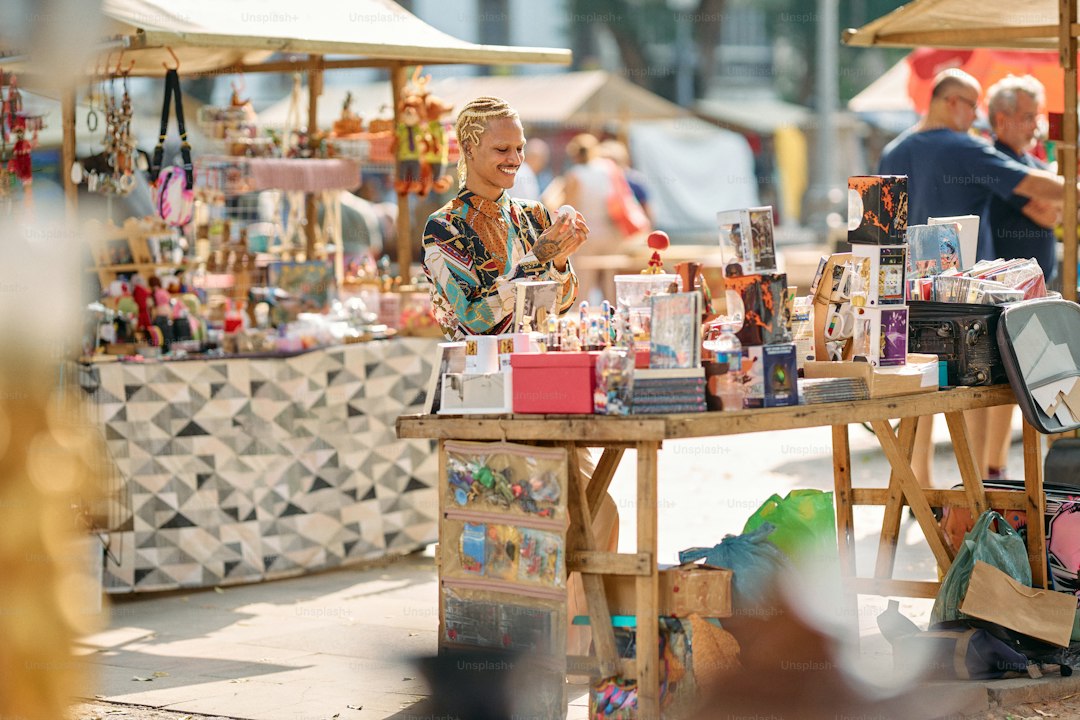
Mastering the Brimfield Calendar: Choosing the Best Dates for Your Visit
If you're heading to Brimfield for the first time, you’ve got to understand that the calendar isn't just a list of dates—it's a tactical roadmap that dictates everything from what you’ll find to how much you’ll pay. The market runs for six days, Tuesday through Sunday, across three distinct shows in May, July, and September, and picking the right one depends entirely on your goals. Opening Tuesday is the gold standard for serious collectors who want first dibs, especially since many pros guard their best inventory until dawn. If you're willing to pay for that early-bird entry, you’re basically buying a head start on the competition, but keep in mind that the best items go fast. Honestly, if you aren't looking for a rare piece that might disappear in minutes, you might prefer a more relaxed pace.
For most of us, Wednesday and Thursday offer the sweet spot where you get the best of both worlds: high dealer participation and crowds that aren't quite suffocating yet. You should also keep an eye on the weather forecast because it’s a massive factor in how the market actually functions. May brings a higher risk of rain and muddy fields, which can make navigating those peripheral parking spots a total nightmare. July is notorious for heat, and you’ll notice many vendors cut their hours short when the humidity hits triple digits, which is something you really don't want to get caught in. September, on the other hand, is generally your safest bet for stable, pleasant weather, plus it’s when you’ll find those fresh, high-end European imports hitting the stalls.
If you’re hunting for a bargain rather than a specific treasure, wait until the final Sunday. At this point in the show, the math changes for the dealers; they’d much rather sell an item at a steep discount than pack it back onto a truck for storage or shipping. That’s your prime window for negotiating, especially on those heavy, bulky furniture pieces that are a pain to move. Just remember that there isn't one central authority running the show, so you’ll need to check the individual websites for major areas like Heart-O-The-Mart to ensure the fields you want are fully staffed. It’s a bit of extra homework, but it’s the only way to avoid the disappointment of showing up when only half the market is open. Take it from someone who has learned the hard way—a little prep work here is the difference between a frustrating trek and finding that one piece you'll keep forever.
Strategic Logistics: Where to Stay and How to Navigate the Grounds
Logistics at Brimfield is honestly a lesson in controlled chaos because the entire event is spread across more than 20 independently managed fields. Since the local infrastructure was originally built for a small town of just 3,500 people, the massive influx of visitors creates an immediate bottleneck that you really need to prepare for. My best advice is to aim to hit your parking spot before 7:00 AM, otherwise, you might find yourself stuck in a gridlock that eats up your prime hunting time. I’ve found that residential parking lots along Route 20 are often your smartest bet, especially if they offer shuttle services that let you skip the worst of the main road traffic.
When you’re navigating the grounds, keep in mind that the terrain is a mix of gravel, grass, and some pretty uneven dirt paths that stretch for over a mile. You really don't want to be lugging heavy finds by hand, so bring a foldable wagon or a heavy-duty utility cart to save your back. Also, don't rely on your phone for everything; cellular service gets super spotty with that many people in one place, so download your maps offline and always have enough cash on hand. Point-of-sale systems are notorious for dropping connections, and there is nothing worse than finally finding that perfect piece only to realize you can't pay for it.
If you’re still looking for a place to stay, remember that spots within 15 miles usually book up a full year ahead of time. Most people I know look toward Sturbridge or Worcester and then carpool to keep the parking stress manageable. If you do manage to snag a rental, definitely check if it's near the official shuttle loops because road closures can turn a short drive into an hour-long headache. Pro tip: pick a central field like Heart-O-The-Mart as your home base where you can drop off your finds at your vehicle, which lets you stay on the hunt without needing to haul everything around all day.
Finally, remember that the market is just a long, linear stretch along Route 20, and crossing that highway is a strategic maneuver in itself. There isn't a central pedestrian bridge, so only cross at the traffic-controlled intersections to keep things safe. When you get tired or the sun starts to set, you'll be glad you kept a physical plan of the fields, because GPS can act up and it gets surprisingly tricky to find your way back to your exit in the dark. If you do find something massive, look for the shipping services physically located on the larger fields, which is a lifesaver for getting bulky items home without any extra stress.
Essential Gear: Dressing for Variable Weather and Long Days of Hunting
When you're staring down a full day at the fields, how you dress isn't just about fashion—it’s about whether you're going to be energized or absolutely miserable by noon. I’ve learned that the secret to surviving the unpredictable microclimates of a long day outdoors is relying on a classic three-layer system: a moisture-wicking base, a functional insulating mid-layer, and a reliable protective shell. Honestly, skip the cotton entirely. Merino wool is the gold standard here because its fiber structure actually absorbs moisture without feeling clammy against your skin, keeping you comfortable even if the temperature swings forty degrees from morning to afternoon. If you’re like me, you’ve probably been caught in a sudden downpour or a sweltering heat spike, and that’s where body mapping technology really shines. It puts thicker, heat-retaining fabrics where you need them most and breathable mesh in the zones where you tend to sweat, essentially managing your body’s microclimate for you.
When you’re picking out your outer layers, look for synthetic fabrics like nylon-spandex blends; they’re just objectively superior for resisting abrasions when you’re navigating tight stalls or brushing against jagged display cases. And please, don't overlook your feet. You’re going to be walking for hours on a brutal mix of gravel, mud, and uneven dirt, so prioritize footwear with high-friction rubber outsoles. They maintain a better molecular grip on those slick surfaces than your average sneaker ever could. I’d also suggest swapping in some medical-grade EVA foam insoles to keep your arches supported, and honestly, don't laugh at the idea of compression socks—they’re a game changer for keeping your blood flowing and preventing that heavy-leg feeling after ten hours on your feet.
For those long, sun-drenched stretches, think about wearing UPF 50+ rated clothing to block out nearly all solar radiation, and definitely grab a moisture-wicking hat to keep sweat from stinging your eyes. If the forecast looks spotty, pack a high-loft synthetic insulation layer rather than down; synthetic holds its thermal efficiency even when it gets wet, which is a massive advantage in our temperamental weather. I also always throw a pair of gaiters in my bag, as they’re the simplest way to seal the gap between your boots and pants so you aren't constantly shaking gravel out of your shoes. Finally, if you're serious about spotting the details that everyone else misses, grab a pair of polarized lenses. They filter out horizontal glare, which helps you actually see the textures and finishes on your finds instead of just squinting into the sunlight. It’s a bit of gear prep, sure, but it turns a grueling day of hunting into a comfortable, focused experience.
Smart Shopping Tactics: How to Negotiate Prices and Carry Your Finds
Negotiating at a place like Brimfield isn’t about being aggressive; it’s really about understanding the logistics that the dealer is facing at that exact moment. I’ve found that establishing a rapport before you even mention a price changes the entire dynamic, as human reciprocity often triggers a subconscious desire to be helpful. Most vendors are already calculating the cost of return shipping for unsold inventory into their pricing, so you have immediate leverage if you offer to take a large, heavy piece off their hands that they clearly don't want to pack back onto a truck. If you find a flaw—like a hairline crack or missing hardware—pointing it out politely provides a factual, non-insulting basis for a discount that keeps the conversation professional.
Think about the timing too, because the math for a dealer shifts significantly as the day winds down. Late afternoon is a period of diminishing returns, and the physical labor of packing up creates a massive incentive for them to accept a lower offer just to reduce their workload. I always carry a mix of smaller denominations of cash; the visual impact of a stack of bills is honestly more persuasive than a single large note, and it signals that you’re ready to close the deal right then and there. If you’re eyeing a few smaller things, try bundling them into one purchase, which lowers the per-item transaction cost for the seller and makes them statistically more likely to accept a lower total.
When you’re actually making the offer, skip the common question of what their lowest price is. It’s much more effective to make a firm, polite offer slightly under their asking price, which puts the decision-making power back in their court and shows you’ve done your homework. And here’s a pro tip: if they’re still hesitant, offer to pay their full price if they throw in a smaller, less valuable item from the stall to sweeten the deal. I also suggest carrying a tape measure or a small portable scale, as it demonstrates you’re a serious buyer who understands the logistical realities of transport. It builds instant credibility, and honestly, it’s the best way to show you aren't just browsing but are actually prepared to haul your finds home.
Navigating the Fields: A Systematic Approach to Covering the Largest Outdoor Market
Navigating a hundred acres of antiques isn't just about walking until your feet hurt; it’s a logistics puzzle that demands a grid-based approach if you actually want to see everything. I’ve found that treating the market like a systematic survey—sweeping from south to north along Route 20—is the only way to beat that brutal afternoon sun glare that hides the details on high-quality finds. You really need to watch your footing too, because the soil varies wildly from sandy loam to thick mud, and trust me, your standard city sneakers won't provide the traction you need on the steeper, uneven sections. If you’re hunting for heavy architectural iron or stone, bring a portable scale; knowing the exact weight before you start negotiating shipping is a massive tactical advantage.
And here’s a reality check on the tech: while we’re all glued to our phones, the sheer density of metal objects across these fields can actually mess with your GPS signal. I’ve started relying on physical, non-digital site maps instead, which help you spot those rare, non-contiguous parcel clusters that most people walk right past. If you’re visiting in May, keep in mind that the low-lying fields are essentially drainage zones that stay saturated for days, so don't waste your energy there until the ground has had a chance to stabilize mid-week. It’s also worth noting that the total aisle distance clocks in at over 20 miles, so you’ll want to pack high-calorie snacks to keep your brain sharp during those long, ten-hour scouting runs.
To really stay on top of your game, consider the "scout-then-return" method, where you mark the exact coordinates of potential buys on index cards rather than making impulsive, on-the-spot decisions. I also pack a pair of passive noise-dampening earplugs because the constant roar of the crowd can lead to serious auditory fatigue, making it way harder to stay focused during a complex negotiation. If the main thoroughfares feel like a crowded bottleneck, look for the grass-covered emergency access lanes; they’re often ignored by the masses and provide a much faster way to jump between the specific zones you’re targeting. It sounds like a lot of extra work, but when you’re looking at a 100-acre puzzle, being the person with a plan is exactly how you find the pieces everyone else misses.
Beyond the Deals: Essential Tips for Food, Facilities, and Staying Energized

Let’s talk about the reality of spending ten hours on your feet, because if you don’t manage your body correctly, you’ll be too exhausted to actually spot a good deal by the time the afternoon rolls around. I’ve found that most folks rely too heavily on plain water, but you’re actually better off consuming electrolyte-balanced beverages; it’s the only way to effectively prevent hyponatremia when you’re out in the heat all day. When you’re packing your bag, prioritize snacks with a low glycemic index, like raw almonds or dried fruit, which provide a steady, sustained release of glucose. You really want to steer clear of the sugary market treats that trigger insulin spikes, as they’ll just lead to a massive energy crash right when you need to be sharpest. If you need something with more staying power, throw in some beef jerky or lupini beans, as they’re far superior for maintaining muscle function without the digestive heaviness that slows you down.
Now, let’s be real about the facilities—the portable toilets hit peak demand long before noon, so I always make it a point to schedule my breaks before 10:00 AM to avoid the worst of the crowds and the sweltering heat that builds up in those lines. You’ll also want to keep a small bottle of high-concentration hand sanitizer in your pocket, specifically something with at least 60% ethanol, since you’re handling dusty antiques all day and honestly, that’s just basic hygiene in a crowded field. Because you won’t find any air-conditioned oases out there, I swear by bringing a small, battery-operated personal neck fan; it sounds simple, but it facilitates enough evaporative cooling to make a measurable difference when the humidity starts to climb.
If you’re the type who needs a little boost to stay focused for those intense, back-and-forth negotiations, consider pairing a small dose of caffeine with L-theanine. It’s a great way to get that alert, clear-headed feeling without the jittery, scattered energy you’d get from chugging three coffees. Just be careful with what you eat for lunch; keep it light, because your body diverts so much blood flow to your digestive system after a heavy, greasy meal that you’ll basically be inviting a mid-day slump. I prefer storing my lunch in a vacuum-insulated stainless steel container to keep everything cool and safe, and I always aim to drink about half a liter of fluids every two hours, even if I don’t feel particularly thirsty. If you ever feel genuinely dizzy or notice you’re thirstier than usual, don’t try to push through it—head straight to the medical tents, because heat exhaustion on these fields is no joke and can sneak up on you faster than you’d think.
Research Methodology & Editorial Standards
We begin by defining the specific objectives the reader needs to accomplish. Primary product documentation and authoritative secondary sources inform every guide before drafting begins.
Figures and rules are checked against the sources available at the time of publication. Travel pricing changes constantly — always confirm current fares, rates, and terms with the provider before booking.