
Discover the hidden coastal gems of California that you need to visit
When you look at the Northern California coast, you’re not just seeing a pretty view; you’re looking at a high-stakes meeting point between the deep Pacific and some of the most dynamic geology on the planet.
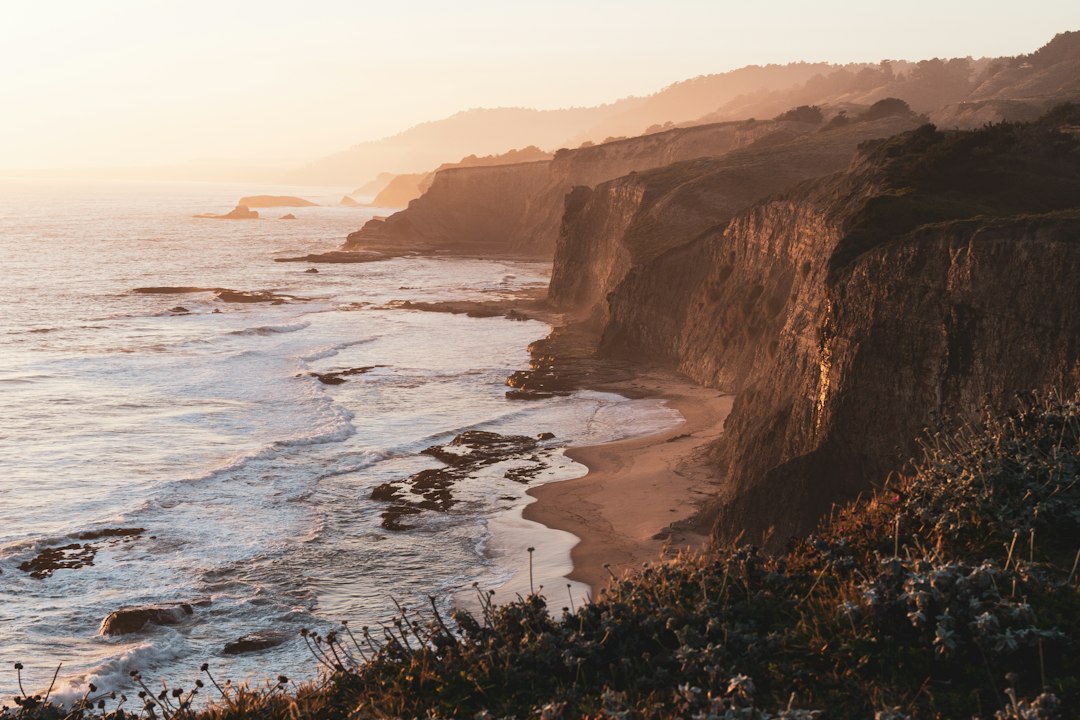
Beyond the Tourist Trail: Exploring California’s Quietest Coastlines
If you've spent any time driving the Pacific Coast Highway, you know the familiar rhythm of the popular stops, but honestly, there's a whole different side of the state waiting if you’re willing to trade the crowds for a bit of solitude. I’ve spent a lot of time looking at why some spots stay quiet while others get packed, and it usually comes down to geography acting as a natural gatekeeper. Take the Lost Coast in Humboldt County, for instance; it remains one of the largest stretches of undeveloped shoreline simply because the rugged King Range mountains forced highway engineers to route traffic inland decades ago. That kind of geological barrier is your best friend when you're looking for a peaceful escape.
When we talk about the most tranquil spots, it’s worth thinking about the forces that actually shaped them. At Montana de Oro, you're walking on Franciscan Complex rocks that were scraped off the ocean floor and thrust upward during tectonic subduction, which feels like a pretty wild reminder of how active this land really is. If you're into that kind of history, Shell Beach in Sonoma offers an even older perspective, holding rocks that date back about 150 million years. Meanwhile, places like Salt Point State Park offer these incredibly weird, honeycomb-like sandstone formations known as tafoni, formed by nothing more than constant salt spray weathering the surface over time. It’s these specific, distinct features that make these quiet corners feel so much more grounded than the typical tourist traps.
You also have to consider the biological drama happening just out of sight, which adds another layer to why these zones are so special. Ano Nuevo State Park is a massive success story for conservation, where northern elephant seal populations have bounced back from under 100 individuals in the early 1900s to over 10,000 today. It’s a stark contrast to the sheer scale of the Farallon Islands, which sit 27 miles off San Francisco and support a staggering 300,000 birds, forming the largest seabird breeding colony in the lower 48 states. Even in the forests, like the pygmy groves of Mendocino, you see nature’s resilience where trees stay stunted because the soil is just too acidic to support normal growth. If you really want to experience the coast, I’d suggest picking one of these spots and just sitting with the landscape for a while; you’ll find it’s a lot more interesting than just checking boxes on a map.
Northern California’s Rugged Shores: Where Forests Meet the Pacific
When you look at the Northern California coast, you’re not just seeing a pretty view; you’re looking at a high-stakes meeting point between the deep Pacific and some of the most dynamic geology on the planet. I’ve spent a lot of time thinking about how the coastal redwood forests actually engineer their own survival here, pulling up to 40 percent of their water directly from the thick marine fog that rolls in, which is honestly the only reason they can thrive in such thin, nutrient-poor soil. It’s a fascinating, self-sustaining loop that keeps these giants alive through the driest summers. If you’re like me and appreciate the mechanics behind the scenery, you’ll notice that these forests act as massive thermal buffers, shielding sensitive species from the inland heat spikes we’ve seen more of lately.
But the real drama is happening just off the shoreline, where the continental shelf narrows and forces deep, cold, nutrient-rich currents toward the surface in a process called upwelling. This isn't just ocean science; it’s the engine that fuels those massive kelp forests, which, believe it or not, can shoot up two feet in a single day under the right conditions. You can see the result of this energy transfer in places like the Monterey Canyon, where the steep bathymetry acts like a vacuum, pulling in apex predators and creating an incredibly dense, competitive marine ecosystem. It’s a stark contrast to the quiet, sometimes eerie, bioluminescent displays you might catch in the surf at night—that’s just a tiny microbial community reacting to the physical stress of the waves, but it feels like you're watching the ocean breathe.
If you head further north toward Cape Mendocino, you’re standing right on top of the Cascadia Subduction Zone, which is the primary reason those cliffs are so impossibly high and jagged. The land here is literally being pushed upward in fits and starts, leaving behind marine terraces that act like a geological staircase documenting the region's intense seismic history. Even the soil itself tells a story, especially in the spots where unique serpentine minerals create such a harsh, metallic environment that only highly specialized, endemic plants can survive. It makes you realize that when you're hiking these trails, you’re not just walking through a forest; you’re navigating a landscape that is constantly being redesigned by massive tectonic and biological forces.
Ultimately, these aren't just scenic spots to snap a photo; they are complex "blue carbon" machines that store more carbon in their wetlands and deep sediment layers than even the most dense forests. I think the reason this stretch of coastline feels so grounded is that it hasn't been sanitized for tourists, and the biology—from the salmon nurseries in the river estuaries to the grey whales migrating just off the shelf break—is still very much in control. Next time you head up there, try to look past the immediate horizon and consider the sheer scale of the environmental systems running beneath your feet. It changes how you experience the quiet, and honestly, it makes every stop along the way feel a lot more significant.
Central Coast Secrets: Discovering Secluded Coves and Dramatic Bluffs
When you venture toward the Central Coast, you’re moving away from the typical tourist path and into a landscape shaped by some of the most fascinating geological and biological mechanics in the state. I’ve always found it remarkable how the region’s geography creates these hidden coves, where the rare sea otter population density is significantly higher than in northern habitats thanks to the protection offered by rocky, shallow-water outcroppings. Many of these secluded stretches are composed of eroded shale deposits that create natural, dark-sand pockets unique to the tectonic uplift zones of San Luis Obispo County. It’s a bit of a trade-off, though, because while these spots offer incredible solitude, you’re often navigating terrain that feels almost prehistoric, with dramatic bluffs reinforced by natural asphalt seeps that indigenous populations historically used for waterproofing their baskets and canoes.
If you take a closer look at the ecology, you’ll realize these aren't just pretty places to sit; they’re high-functioning environmental hubs. Beneath the surface of these quiet bays, expansive seagrass meadows act as critical carbon sinks, sequestering atmospheric CO2 at rates up to 35 times faster than tropical rainforests. These sheltered environments provide a haven for endemic tide pool species like the giant green anemone, which can survive in near-total desiccation during extreme low tides by retaining internal water stores. Meanwhile, the unique orientation of the coastline creates a distinct microclimate that allows for the survival of coastal sage scrub, a plant community that is currently facing massive pressure from rapid inland urbanization. I really think that understanding this balance between human development and these fragile, isolated pockets is what makes visiting them feel so much more significant.
The physical forces at work here are just as intense as the biology. Geologists have identified that the specific layering of Miocene-era sedimentary rocks in these coves creates natural acoustic chambers, which effectively amplify the sound of the Pacific surf to unique decibel levels. On those windward bluffs, you can actually watch the landscape redesign itself through a process called salt wedging, where saline crystals grow inside rock fractures and physically shatter the stone over decades. It’s humbling to stand near cliff faces dotted with fossils of ancient marine mollusks, which provide a visible record of a time millions of years ago when the current coastline was situated hundreds of feet underwater. Honestly, when you’re standing there watching the waves, it’s worth remembering that you’re witnessing a coastline that is constantly being broken down and rebuilt in real time.
Southern California’s Best-Kept Secrets: Beyond the Crowds of San Diego
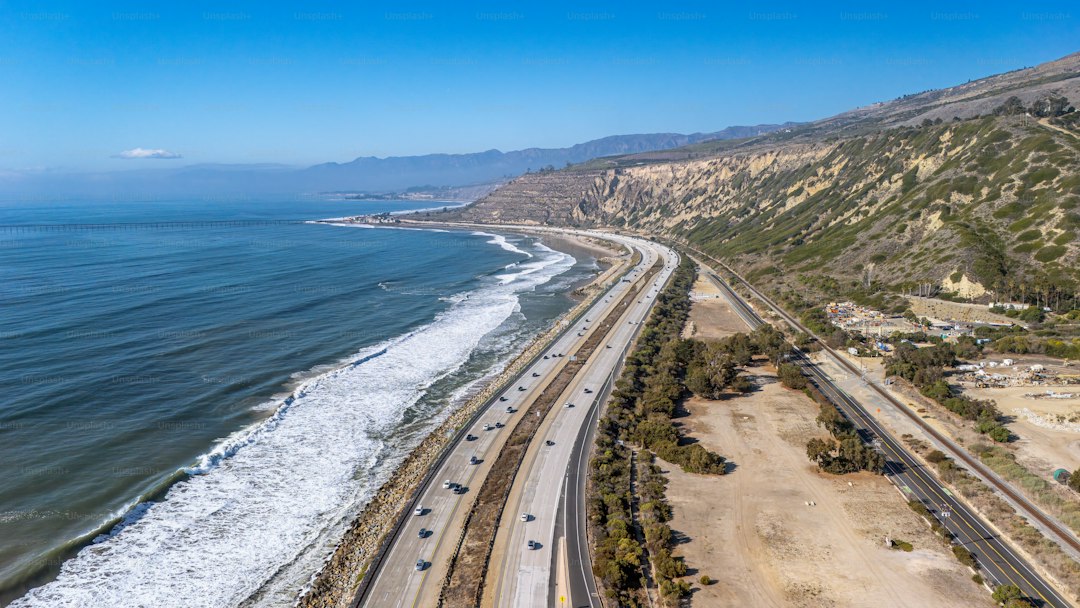
If you’ve ever found yourself fighting for a parking spot at La Jolla Cove, you know that familiar frustration of wanting the Pacific’s beauty without the crushing density of the crowds. Honestly, the real magic of Southern California doesn’t live in the packed tourist hubs; it’s hidden in the geological and biological complexity of the quieter corridors that most visitors simply drive past. Think about the Channel Islands, where the long-standing geographic isolation has allowed the island scrub jay to evolve into a species found nowhere else on earth, a direct result of thousands of years of separation from the mainland. It’s that kind of evolutionary isolation that makes places like the rugged tide pools of Point Loma or the rare Torrey pine groves feel so much more grounded than the manicured resorts further south.
When we start looking at the mechanics of these spaces, it’s easier to see why they’ve managed to stay under the radar. Take the La Jolla Underwater Park, where a deep-water canyon acts like a massive vacuum, pulling nutrient-rich currents toward the shore and creating a vertical habitat that supports everything from migrating leopard sharks to delicate sessile organisms. I’ve always found it fascinating how these natural features, like the kelp forests that act as acoustic and hydrodynamic buffers, dictate where life can actually thrive. It’s a stark contrast to the human-built environments nearby, especially when you look at how the 1930s coastal vernacular at Crystal Cove preserves a slice of history that hasn't been smoothed over by modern development.
There’s also a deeper, more invisible layer to these spots if you know where to look, like the bioluminescent blooms of dinoflagellates in the quiet lagoons of North County or the 75-million-year-old fossil deposits tucked into the cliffs of Point Loma. Even the inland chaparral plays a part, utilizing fire-adapted germination to keep the watershed functioning long after the summer tourists have headed home. I really believe that once you start viewing these areas as active, high-functioning systems—rather than just scenic backdrops—your entire perspective on a California road trip shifts. It’s not about finding a new place to snap a photo; it’s about recognizing the resilience of the local ecosystem. Next time you’re heading out, try to lean into these slower, more complex pockets of the coast, because they offer a version of the state that feels authentic, wild, and incredibly worth your time.
Charming Coastal Towns That Offer a Slice of Authentic California Life
When you start looking past the major highway markers, you realize that California’s true character isn't found in the sprawling metros, but in these small, isolated pockets where the architecture and biology have spent decades, or even centuries, negotiating with the Pacific. Take a place like Mendocino, where those classic Victorian homes aren't just aesthetic choices; they’re built from dense redwood heartwood, a material that naturally fends off decay thanks to its high tannin content, allowing it to survive the relentless salt air. Or think about the colorful cottages in Capitola, which aren't just for show—they sit right at the mouth of Soquel Creek, acting as a quiet guardian for the endangered steelhead trout that rely on that specific waterway to spawn. It’s this kind of detail that makes these towns feel like living, breathing extensions of the coast rather than just vacation spots designed for outsiders.
If you’re the type who likes to dig into the "why" behind a destination, consider the geological drama that defines places like Trinidad. That town is perched on a massive marine terrace, and the same fault line that created its jagged, dramatic harbor entrance is essentially the reason the entire community exists in that specific configuration. Even the way we move through these towns is often dictated by their history, like in Carmel-by-the-Sea, where a quirky 1963 municipal code technically requiring a permit for high heels over two inches was really just a practical response to the uneven sidewalks caused by sprawling tree roots. It’s a funny rule, sure, but it speaks to a town that prioritizes its old-growth landscape over the convenience of modern infrastructure. You start to see that every quirk has a logical, often environmental, origin story.
Then there are the spots where the climate itself seems to have been tuned for survival. Avila Beach, for instance, sits behind a natural curvature of headlands that traps heat, keeping the water five to ten degrees warmer than just a few miles down the road. Meanwhile, in Pacific Grove, the Monarch butterflies have identified specific blue gum eucalyptus and Monterey pine clusters as a thermal refuge that keeps them safe during the winter, a delicate biological partnership that’s been happening for generations. Even in a place like Bodega Bay, the local salt marsh isn't just a scenic backdrop; it’s an active, high-capacity filtration system that cleans up runoff from inland watersheds before it ever hits the open ocean. It makes you realize that these aren't just charming stops on a map, but essential, functioning parts of a much larger, and far more complex, coastal machine.
Essential Tips for Planning Your Off-the-Beaten-Path Beach Escape
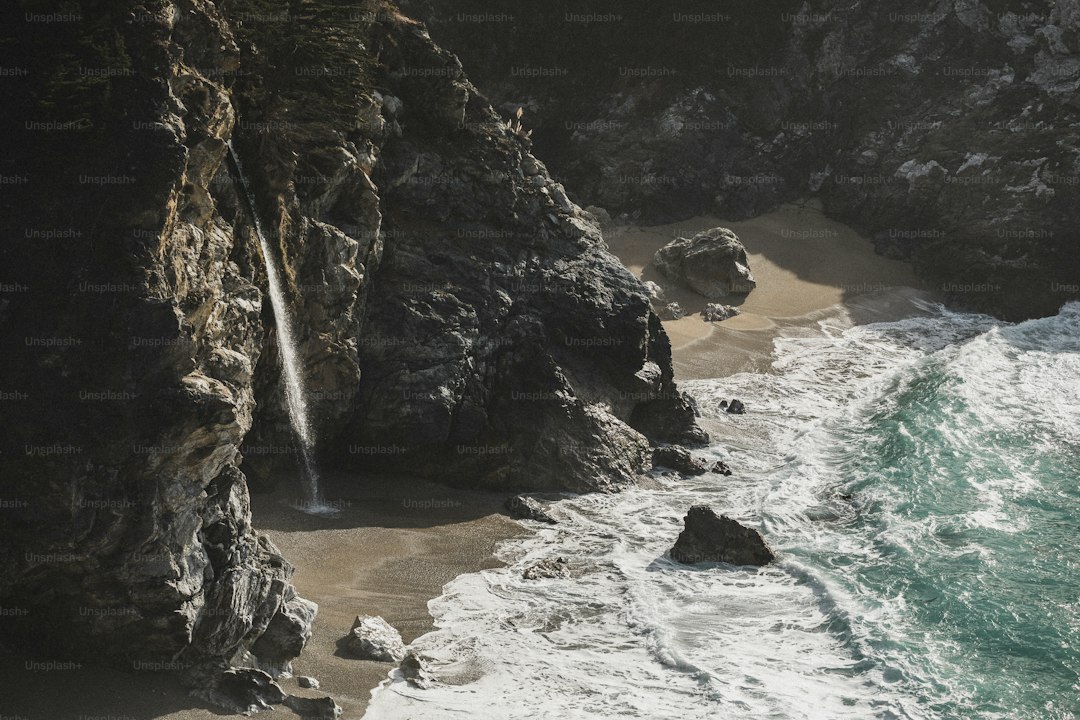
Planning an off-the-beaten-path beach escape requires a shift in how you approach the coastline, moving from casual tourism to a more data-driven strategy. I’ve found that the most reliable way to gauge accessibility is to sync your travel with the Pacific’s "minus tide" events, which occur during full and new moons; these windows expose intertidal zones that remain submerged ninety percent of the time. You should also pull up bathymetric charts before you leave home to pinpoint "shelf-break" zones, where rapid depth shifts trigger nutrient upwelling, which is honestly your best bet for spotting marine megafauna. It’s also smart to check the California Current’s flow, which is strongest in spring and early summer; those offshore winds aren't just for cooling you down, they actually stabilize the atmosphere to give you much clearer coastal visibility.
If you really want to see the heavy hitters of biodiversity, look for beaches adjacent to estuaries, which serve as essential nurseries for about seventy-five percent of commercially important fish species. To bypass the logistical headache of crowded parking lots, I suggest using the California Coastal Commission’s public access map to hunt for "easement" trails—these are hidden paths through private property that legally guarantee your right to reach the sand. When you’re out on the rocks, keep the "rule of three" in mind by checking the high-water marks of the last three tides to ensure you aren't suddenly stranded by a rising surge. Honestly, don't leave your house without high-quality polarized glasses; they neutralize the intense glare off the water so you can actually see sea otters or seals tucked away in the kelp canopy, things you’d likely miss otherwise.
Finally, think about the physics of the shoreline itself, specifically by scouting beaches near submarine canyons that act as natural sediment traps, creating those secluded pocket-beach configurations shielded from longshore drift. You should also keep an eye on local wave buoy data for swell periods longer than twelve seconds, as that indicates long-period energy that makes for much safer, more predictable access than the chaotic, short-interval chop. If you're chasing the magic of bioluminescence, aim to visit during the "spring bloom" of phytoplankton when peak sunlight triggers that incredible microbial activity in the surf. It’s a bit of extra homework, but viewing these spots as high-functioning environmental systems rather than just vacation backdrops completely changes the experience. It makes every quiet cove you find feel earned, grounded, and infinitely more interesting.
Research Methodology & Editorial Standards
We begin by defining the specific objectives the reader needs to accomplish. Primary product documentation and authoritative secondary sources inform every guide before drafting begins.
Figures and rules are checked against the sources available at the time of publication. Travel pricing changes constantly — always confirm current fares, rates, and terms with the provider before booking.