
Dangerous Bacteria Warning Could Disrupt Your Summer Vacation Plans
It is honestly unsettling to think about, but the water we rely on for our summer getaways is changing in ways that aren’t showing up on typical travel brochures.
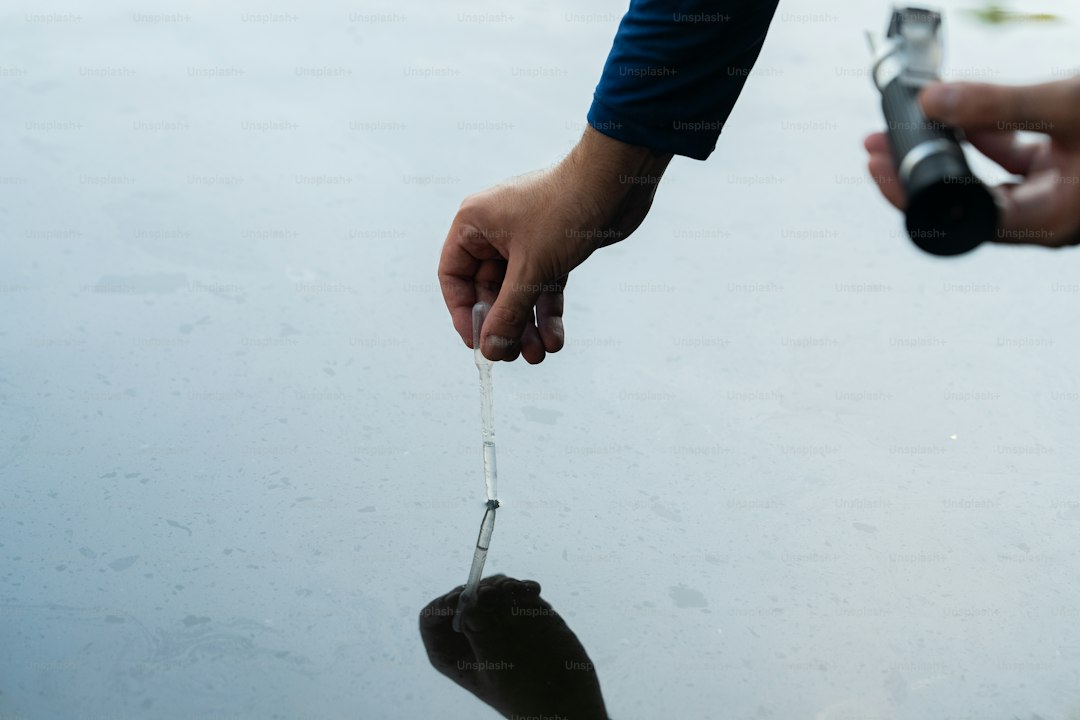
Understanding the Rising Threat of Waterborne Bacteria
It is honestly unsettling to think about, but the water we rely on for our summer getaways is changing in ways that aren’t showing up on typical travel brochures. We are seeing marine heatwaves turn coastal zones into breeding grounds for bacteria like Vibrio, which once stayed in warmer climates but are now moving into cooler latitudes where our bodies just aren’t used to fighting them off. Think about the last time you went for a swim; you probably assumed the water was safe, but warmer temperatures are actively helping these pathogens thrive in places they couldn't survive just a few years ago. On top of that, our aging sewage systems are getting overwhelmed by heavy rains, flushing concentrated waste right into the spots where we go to cool off. It is not just a beach problem, either, because even the water in your hotel or vacation rental is becoming a target.
When you look at the data, the scale of this is pretty jarring. In some regions, testing shows over 65 percent of water samples are contaminated, which suggests that our standard safety nets are starting to fray under the pressure of climate change. Even in modern facilities, we are seeing a spike in things like Legionnaires’ disease because these bacteria have learned to hide in the biofilms of complex plumbing systems, effectively waiting out our usual disinfection attempts. It’s wild to realize that these bugs can literally change their gene expression in response to heat, potentially making them more aggressive once they get inside you. This isn't just about a bad day at the pool; it is about a systemic failure where the environment and our own infrastructure are working against each other.
The real kicker is that the old rules about seasonality don't really apply anymore. We used to count on winter cold to kill off these bacteria, but with warmer winters becoming the norm, these populations just stay active year-round. It means that the risk of infection isn't tucked away in a specific month; it’s becoming a constant background noise we have to navigate. Flooding also plays a massive role here, acting like a giant transport system that moves bacteria from saturated soil and failing septic tanks directly into the water sources we use. I think we need to stop viewing water quality as a static thing that gets checked once in a blue moon. Moving forward, keeping yourself safe is going to require being a bit more observant about where you're swimming and how your accommodation manages its water systems.
Identifying High-Risk Zones at Popular Vacation Destinations
When we talk about picking a vacation spot, we usually focus on the hotel reviews or the flight prices, but I think it’s time we start looking closer at the actual geography of where we’re splashing around. Microbial risk isn't just random; it often clusters in areas with high storm-drain density, where those networks act as a direct highway for untreated runoff to hit our favorite swimming holes right after a rainstorm. You’ve probably noticed those calm, family-friendly lagoons that resorts love to market, but honestly, those spots are often the most problematic because they lack the water turnover you find in the open ocean. It’s like a bathtub that never drains, allowing pathogen populations to hit dangerous levels way faster than they ever would in the surf.
If you’re wondering how to spot these traps, look for coastal zones with low wave energy or massive breakwaters, as these features create artificial eddies where water just sits and stagnates for days. It’s wild to think that things like jetties or even artificial reefs can actually shelter bacteria from the natural cleansing power of salt water and UV light, effectively turning a nice swimming spot into a localized hotspot. And don't get me started on the urban heat islands near major resorts; when it rains, that runoff from hot pavement flows straight into the water, and because the water is already warm, it’s essentially creating the perfect incubator for bacteria to thrive. You really have to consider that even a beach with a great reputation can shift its safety profile within a single six-hour tidal cycle, which makes those once-a-day water tests feel pretty outdated.
Honestly, it’s not just about what we can’t see in the water, but how we interact with the environment around us. We’re seeing more data showing that high-traffic marinas often harbor bacteria with higher levels of antibiotic resistance, likely due to the density of human activity and runoff in those confined spaces. Even seemingly innocent things, like a beach with a massive bird population, can cause localized bacterial spikes that are just as risky as human-sourced pollution. I’ve started looking at these areas a bit differently, realizing that the infrastructure we build to make our beach days more convenient might actually be working against us. It’s a lot to take in, but being a bit more observant about water movement and local drainage before you dive in can make a massive difference in whether you leave with a souvenir or a health headache.
Recognizing Symptoms of Bacterial Infection in Humans and Pets
When you’re back from a trip, the last thing you want to worry about is a lingering health issue, but catching bacterial symptoms early is really the only way to stay ahead of the curve. With pets, you might see something like pyoderma—which looks a lot like simple dry skin—but if you’re noticing hair loss, redness, or those persistent pus-filled bumps, it’s time to take a closer look. Dogs are often our first signal of environmental risk, especially with diseases like leptospirosis, which can jump from contaminated water sources to both them and you. It’s wild how easily we can brush off early warning signs in ourselves, too, especially when you mistake a localized rash or strange, unexpected joint pain for just a bit of post-travel exhaustion.
The real danger is how these bugs mimic common illnesses, like the flu, which makes it so easy to sit on a problem until it becomes a full-blown systemic issue. If you’ve been hiking or swimming in areas where tick-borne pathogens like Rocky Mountain Spotted Fever are a risk, that sudden onset of high fever and a rash starting at your wrists and ankles isn't something to ignore. Plus, we’re dealing with a rise in antimicrobial resistance, which means those standard meds you’ve used in the past might not pack the same punch they used to. It’s why you really need to be explicit with your doctor or vet about your recent travel; they can’t run the right diagnostic tests if they don't know you’ve been splashing around in a lake or hiking through tall grass.
And honestly, we have to remember that our pets are often the bridge for these infections, picking up dormant bacteria from the environment and bringing them right into our living rooms. If your dog is acting lethargic or losing their appetite, don't just wait for it to pass, because they often hide deep-tissue inflammation until it’s hitting their kidneys or liver. I’ve learned that checking a pet’s health status is basically like having a sentinel in the house; if they’re getting sick after a trip, you probably were exposed to the same environmental hazard. It’s all connected, and keeping an eye on the intersection of their symptoms and your own is the smartest way to ensure a minor vacation souvenir doesn't turn into a major health headache.
Essential Precautions for Swimming in Natural Waterways
When you’re planning a trip to a natural waterway, I think we have to get past the idea that just because the water looks pristine, it’s actually clean. You’ve probably waded into a crystal-clear mountain stream, but you should know that clarity is a terrible indicator of safety since microscopic bacterial loads can be just as high there as they are in a murky pond. The real issue is that these bugs often hide in the sediment, so when you stir up the floor while walking, you’re essentially kicking up a cloud of pathogens that you then have to swim through. I’ve started being much more careful about where I step, and I really recommend you avoid swimming within 48 hours of heavy rain, since runoff can cause bacterial counts to spike massively as it flushes animal waste and soil straight into your swimming spot.
You also have to watch where you’re hanging out on the shore, because the sand itself can actually harbor higher concentrations of fecal bacteria than the water thanks to moisture retention and a lack of direct UV exposure. It’s wild, but even the submerged structures like wooden pilings or floating logs can be risky, as they often host protective biofilms that help bacteria survive harsh conditions. If you decide to jump in, you really need to keep your head above the surface, as accidentally swallowing even small amounts of untreated water is the primary route for picking up a nasty gastrointestinal infection. I know it sounds like a lot to keep track of, but staying away from areas with heavy waterfowl populations is a smart move too, since geese and ducks are essentially carrying high loads of pathogens like Campylobacter right into the places we want to relax.
Finally, think about your exit strategy just as much as your entry, because what you do after you leave the water makes a world of difference. Drying off thoroughly with a clean towel and hopping into a shower with soap as soon as you’re home isn't just about feeling fresh; it’s a critical step in mechanically removing those bacteria that cling to your skin. If you have any open wounds or skin scrapes, I’d strongly suggest skipping the swim altogether, as those create a direct portal for bacteria to enter your bloodstream, especially in stagnant water where pathogens aren't being diluted by a strong current. Before you pack the car, make it a habit to check local health department signage or their online dashboards for real-time data, which is always going to be more reliable than relying on the weather or what you’ve seen in years past.
Why Experts Are Urging Vigilance for Dog Owners This Summer
If you're anything like me, the anticipation of a summer getaway usually centers on finding that perfect, pet-friendly trail or beach where your dog can finally stretch their legs. But this year, the landscape is shifting in ways that make "just letting them run free" a bit more complicated than it used to be. It’s not just about the usual summer heat; we are seeing a convergence of environmental factors—from toxic algal blooms appearing earlier in the season to the northward shift of tick-borne pathogens—that can turn a standard afternoon hike into a genuine health risk for your dog. I’ve been looking closely at the data, and it’s clear that the old rules of thumb don’t quite cut it when you’re dealing with more aggressive, climate-driven threats.
The real challenge here is that our pets are often the first ones to encounter these hazards because they don't have the same aversion to stagnant water or dense, overgrown brush that we do. Whether it’s the risk of larval infestations from emerging parasites like the New World screwworm or the microscopic danger of leptospirosis lingering in shallow, warm tide pools, the environment is essentially becoming more hospitable to things that can make our dogs very sick. Even seemingly harmless interactions—like a curious sniff near an oak processionary caterpillar’s nest—can trigger severe allergic reactions that escalate faster than you might expect. It’s a sobering reality, but one that’s grounded in the fact that these pathogens are now thriving in environments where they previously couldn't gain a foothold.
I’m not saying you should cancel your plans, but I think we need to shift from a passive approach to a more active, investigative mindset when we’re on the move. Your dog is essentially a sentinel for your own health; if they’re showing signs of lethargy or unexplained skin irritation after a day at the water, it’s a strong signal that the local environment is compromised. It’s worth being extra cautious about letting them drink from natural sources, even when the water looks pristine, and perhaps skipping the off-leash play in areas with dense vegetation where snakes or coyotes are becoming more active. Ultimately, staying informed about the specific risks of your destination—and keeping a close eye on how your pup is acting—is the most effective way to ensure your summer stays memorable for all the right reasons.
How to Adjust Your Travel Itinerary for a Safer Getaway

When you're mapping out your summer escape, it is easy to get caught up in the logistics of flights and hotel ratings, but I think it is time we started treating our itinerary with the same level of tactical care we apply to our finances. Adjusting your plans for a safer getaway isn't about being paranoid; it is about recognizing that the environment is dynamic and your usual vacation habits might be accidentally increasing your exposure to risks. For instance, while we often assume a post-rain swim is fine after a few hours, the reality in areas with high clay soil content is that bacteria remain suspended for up to five days, meaning that "refreshing" dip could be far more problematic than it looks. I’ve started shifting my own swim schedule to avoid those windows entirely, and honestly, checking local soil and drainage data is a much smarter move than just waiting for the sun to come out.
You should also look closely at your gear because those synthetic fabrics you love for the beach are actually microscopic gold mines for bacteria, with their hydrophobic fibers providing a perfect home for microbes that standard soaps can't easily reach. It is wild to think about, but even your sunscreen can backfire; when it accumulates on pool ladders or railings, it acts as a literal nutrient source that helps biofilms flourish. If you’re staying in a rental, steer clear of the provided sponges or loofahs, which are basically impossible to sanitize and often harbor more bacteria than the surfaces they are meant to scrub. I’ve made it a habit to bring my own quick-dry, non-porous gear and skip the communal bathroom accessories, and it’s a small change that makes a massive difference in how I feel at the end of the trip.
And look, if you have even a minor skin irritation like eczema, you really need to be extra cautious because your compromised skin barrier is essentially an open door for these pathogens in natural water. We have to be mindful of where we stand, too, since that wrack line—the high-tide mark where debris gathers—is actually the most contaminated part of the beach, acting as a natural incubator for fecal bacteria that you’re better off avoiding. I know it feels like we’re overthinking a simple vacation, but when you consider how microplastics are now ferrying pathogens into places they never used to be, being selective about where you set up your towel is just common sense. It’s all about staying a few steps ahead of these environmental shifts so you can actually enjoy the water without the unintended side effects.
Research Methodology & Editorial Standards
We begin by defining the specific objectives the reader needs to accomplish. Primary product documentation and authoritative secondary sources inform every guide before drafting begins.
Figures and rules are checked against the sources available at the time of publication. Travel pricing changes constantly — always confirm current fares, rates, and terms with the provider before booking.