
Is your favorite NYC museum safe to visit after a Legionnaires bacteria discovery
You don't think about a pneumonia-causing bacteria hiding in the water systems. But that's exactly what Legionnaires' disease is — a severe form of lung infection caused by the Legionella pneumophila bacterium.
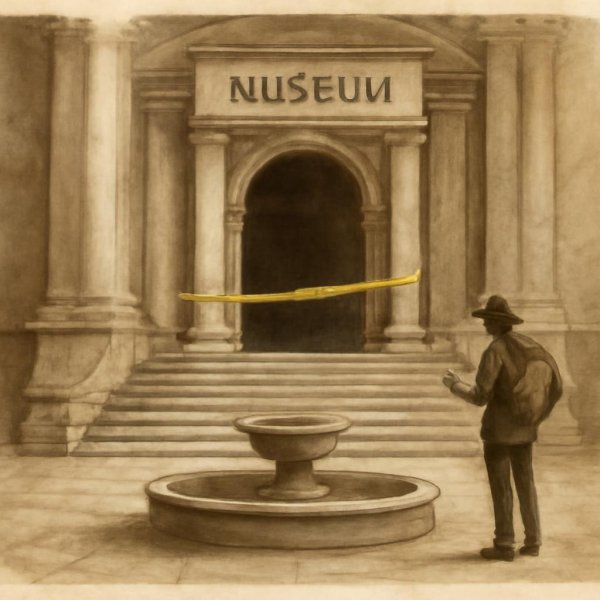
What Is Legionnaires’ Disease and How Does It Spread in Museums?
Let's be real for a second: when you think about a museum, you probably picture climate-controlled galleries, priceless artifacts, and maybe a fancy fountain in the lobby. You don't think about a pneumonia-causing bacteria hiding in the water systems. But that's exactly what Legionnaires' disease is — a severe form of lung infection caused by the Legionella pneumophila bacterium. And here's the kicker: you don't get it by drinking contaminated water. You get it by breathing in microscopic aerosolized droplets, which means a decorative fountain’s mist, a humidifier in a climate-controlled wing, or even a neglected hot water tank can become a direct delivery system for the bacteria into your lungs. The bacteria thrives in warm, stagnant water between 77°F and 108°F, and honestly, museums are practically designed to create those conditions. They don't just have one water system — they have complex closed-loop HVAC setups, conservation studios with older plumbing, and back-of-house areas that are rarely inspected for public health.
Here's what I find really unsettling: a single case can shut down entire wings of a museum for weeks. Health protocols require deep disinfection of all water systems and extensive environmental testing before reopening, and that's assuming you can even find the source. The bacteria are masters of hide-and-seek — they can survive for months in a dormant state inside sediment or biofilm inside pipes, only to bloom into dangerous concentrations when water temperatures fluctuate or construction disturbs the system. A 2023 study found that nearly 30% of large public buildings with cooling towers tested positive for Legionella DNA, though not all strains cause disease. That's a 30% chance your favorite museum's cooling tower is carrying the bacteria right now, just waiting for the right conditions. And the incubation period is two to ten days, so most visitors who inhale the bacteria won't even know they're infected until they're back home, wondering why they have a high fever and a cough that won't quit.
What makes this even more complicated for museums specifically is the conflict of priorities. Most institutions have water safety plans that prioritize artifact preservation — keeping humidity stable for a 500-year-old painting — over human health. That means they often set water temperatures in ways that are perfect for Legionella growth, because that's what protects the collection. Pontiac fever, a milder flu-like illness caused by the same bacteria, is frequently dismissed as a common cold by staff, and that's a dangerous missed signal. The 2026 Upper East Side outbreak in New York — which involved 72 cases and two deaths as of this week — was traced to Legionella pneumophila serogroup 1, the same strain that caused the original 1976 Philadelphia outbreak. And officials made a shocking revelation: it wasn't caused by a decrepit drinking water system. So the question becomes: if it's not obvious plumbing failures, how do you even know where to look? The answer is you don't, unless you're doing routine, expensive PCR testing on every water outlet — and most museums aren't.
The bottom line is that museums are uniquely vulnerable to this pathogen because of their design, their operating priorities, and the sheer complexity of their water infrastructure. A decorative fountain that looks harmless, a misting humidifier in a gallery, or a neglected hot water tank in a conservation studio — each one can be a breeding ground. And because the bacteria can survive in a dormant state and then bloom unexpectedly, routine monitoring is a scientific gamble. The data suggests nearly a third of large public buildings have the bacteria present, but most don't cause disease. Figuring out which ones do requires a level of testing that most institutions simply aren't doing. So next time you're standing near a fountain in a museum lobby, think about that. The mist you're breathing in might be carrying more than just humidity.
Which NYC Museum Recently Tested Positive for the Bacteria?
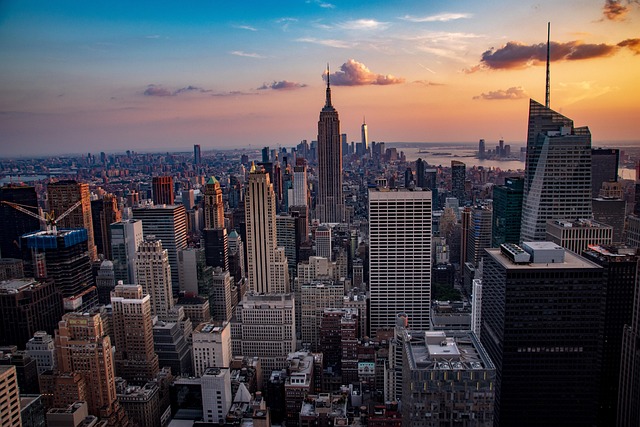
Let's cut through the noise and get straight to the names you actually care about. The Solomon R. Guggenheim Museum, that iconic Frank Lloyd Wright spiral on Fifth Avenue, tested positive for Legionella bacteria in its cooling tower — not its drinking water, not a decorative fountain, but the HVAC system that pumps mist through the air around its famous rotunda. And it wasn't alone. The Metropolitan Museum of Art, Cooper Hewitt, and the Jewish Museum also had cooling towers come back positive, creating a startling cluster of hits right along Museum Mile. That's four major institutions, each with millions of annual visitors, caught up in the same Upper East Side outbreak. The city's Department of Health responded by ordering 31 buildings to immediately drain and disinfect their cooling towers, and the Guggenheim's address — 1071 Fifth Avenue — was listed publicly by comptroller Mark Levine in a transparency move that forced these museums to go public with their contamination status.
Here's the nuance that matters, though: a positive PCR test for Legionella DNA doesn't automatically mean live, infectious bacteria are circulating. PCR tests are incredibly sensitive — they can pick up dead cells or fragments that pose zero risk. That's why the health department's protocol typically requires a second-round confirmatory culture before mandating a full shutdown. So when you see headlines screaming "Guggenheim tests positive," remember that the real danger is only confirmed if the follow-up culture shows viable Legionella pneumophila serogroup 1 — the same strain that caused the 1976 Philadelphia outbreak and the current 72-case cluster with two deaths. The cooling towers themselves are a particularly nasty vector because they expel heat from HVAC systems by creating aerosolized mist, which is exactly how this bacteria gets into your lungs. These towers are often on rooftops or in basements, meaning the contaminated mist could be wafting around the museum's exterior before ever entering the gallery spaces.
What's really telling here is the geographic concentration. Four museums on the same stretch of Fifth Avenue, all testing positive within days of each other, suggests this isn't a failure of any single institution's maintenance protocols. It's a shared environmental risk in the Upper East Side's water infrastructure — likely something in the neighborhood's aging pipes or municipal water supply that's triggering Legionella blooms across multiple buildings. The city's response has been swift: 31 addresses ordered to drain and disinfect, with more testing underway. But here's what I keep coming back to — the Guggenheim, the Met, Cooper Hewitt, and the Jewish Museum are all cultural landmarks that draw millions of visitors annually. If you're planning a trip to any of these museums right now, the smart play is to check the city's health department website for updates on confirmatory culture results and disinfection completion. The bacteria can survive in a dormant state inside pipe biofilm for months, so even after disinfection, ongoing monitoring is the only real safeguard. And honestly, that's the part that keeps me up at night — not the initial positive test, but whether we'll see a second wave of cases after the cooling towers are turned back on.
How Common Are Legionella Contaminations in Public Buildings?
Let’s talk numbers, because the data here is honestly sobering. A 2019 study of cooling towers across the United States found that nearly 50% contained Legionella DNA — and while genetic fragments don’t always mean live, infectious bacteria, that’s still a staggering baseline. The European Centre for Disease Prevention and Control puts the figure slightly lower for large public buildings with complex water systems, estimating that 20 to 30% harbor the bacteria at any given time. But here’s where it gets really specific to places like museums: buildings that sit partially vacant — think closed wings, seasonal hours, or underused back offices — have a contamination risk roughly four times higher than continuously occupied structures. That’s not a small bump; it’s a fundamental vulnerability baked into the way these institutions operate.
If you zoom in on healthcare facilities, the numbers get even more uncomfortable. When routine testing is actually conducted on hot water systems in hospitals, the rate of positive tests can climb to over 60%. And here’s the kicker: a 2022 analysis of municipal water supplies found Legionella in the source water of over 40% of major U.S. cities. That means the bacteria aren’t just lurking in neglected pipes — they’re literally being delivered to the building’s doorstep by the city. Once inside, the biofilm where Legionella hides is so tenacious that standard chlorine disinfection fails to eradicate it in about 30% of cases. That forces facilities to turn to alternative treatments like copper-silver ionization, which is expensive and requires ongoing maintenance. A single neglected showerhead in a staff locker room can generate enough aerosolized bacteria to cause an outbreak — we saw that play out in a 2021 incident in a New York office tower.
Now, here’s the part that really matters for understanding the scope of the problem: we’re almost certainly underestimating how common these contaminations actually are. Routine environmental testing isn’t legally required for most public buildings in the United States, so the reported figures are based on voluntary testing or outbreak investigations. And the incubation period of two to ten days means that by the time a case is reported, the contaminated water source may have already been cleaned or disinfected — source identification is successful in only about 40% of investigations. Pontiac fever, the milder flu-like illness caused by the same bacteria, is estimated to be underreported by a factor of ten because its symptoms are rarely tested for Legionella. The bacteria can survive in a dormant state inside pipe sediment for over a year, reemerging when water temperatures fluctuate or construction disturbs the plumbing. So when you look at the data and see 20 to 30% positivity rates, the honest answer is: the real number is likely higher. A lot higher. And that’s the uncomfortable reality we’re all breathing in.
What Safety Protocols Are Museums Following to Address the Risk?
Let’s talk about what’s actually happening behind the scenes, because the days of just hoping the water’s clean are over. The New York City Department of Health now mandates that any museum with a cooling tower — and that’s most of the big ones — conduct monthly PCR testing for Legionella DNA during the warmer months, with results reported directly to the city within 24 hours. That’s a massive shift from the voluntary testing most institutions relied on just a few years ago. When a test comes back positive, the immediate protocol is “thermal eradication”: raising the water temperature in the tower to 160°F for a full 24 hours. It’s brutal on the pipes, especially in older buildings like the Met or the Guggenheim, but it’s the fastest way to kill the bacteria without introducing chemicals that could damage HVAC equipment. Some museums are now installing point-of-use filters on drinking fountains and staff kitchen sinks, using 0.2-micron membranes that physically block Legionella from entering the water stream. That’s hospital-grade filtration, and it’s becoming standard in museum break rooms and public areas.
But here’s where it gets really interesting from an engineering perspective. The Museum of Modern Art now requires all decorative fountains to operate with a continuous recirculation pump that keeps water moving at a rate of at least three feet per second. That might sound like a small detail, but it’s a direct response to the fact that stagnant water is the bacteria’s best friend. Humidity control systems in artifact conservation wings — the very systems that keep your favorite painting from cracking — are being retrofitted with UV-C light chambers that treat all aerosolized water before it enters gallery air. Think about that for a second: the same mist that’s protecting a 17th-century landscape is now being sterilized before you breathe it in. The Jewish Museum has gone a step further, installing automated water flushing systems in all back-of-house sinks and showers that run hot water for five minutes every 24 hours, just to prevent biofilm from even getting a foothold. And the Met now requires all contractors working on plumbing to use HEPA-filtered vacuum attachments during pipe repairs, because disturbing dormant bacteria in old pipes is one of the fastest ways to trigger an aerosolization event.
What I find most telling is the shift in transparency protocols. A new city ordinance passed in April 2026 requires any museum with a confirmed Legionella culture to post a public notice on their website and at all entrances within 48 hours. That’s a huge departure from the old approach, where positive tests were often quietly handled behind closed doors. Staff training has also been upgraded significantly: maintenance teams are now using portable ATP bioluminescence testers, which can detect organic residue in pipes within 15 seconds. It’s the same technology used in hospital infection control, and it lets them flag potential biofilm before it becomes a hazard. Some institutions have adopted copper-silver ionization systems, which release ions into the water supply to disrupt the bacteria’s cell membranes — a method that’s proven effective in 97% of hospital trials. But here’s the trade-off: those systems require ongoing maintenance and monitoring, and they don’t work well in buildings with high levels of dissolved minerals in the water. The standard response to a positive test still includes mandatory “shock chlorination,” raising chlorine levels to 50 parts per million for two hours before flushing. That’s effective, but it can corrode older plumbing and requires careful coordination with conservation teams to avoid damage to sensitive humidity controls.
So what does all this mean for you as a visitor? Honestly, the protocols are more rigorous than most people realize. The museums that tested positive — the Guggenheim, the Met, Cooper Hewitt, the Jewish Museum — all followed the same playbook: immediate disinfection, confirmatory cultures, and public disclosure within 48 hours. The cooling towers were cleaned and disinfected before the health department even issued formal orders. But the real question isn’t whether they handled this specific incident well — it’s whether the infrastructure can sustain this level of monitoring over the long term. Monthly PCR testing isn’t cheap, and thermal eradication stresses pipes that are already a century old in some cases. The copper-silver ionization systems that work so well in hospitals require continuous calibration that most museums weren’t staffed for until this year. And the UV-C chambers being retrofitted into HVAC systems? They’re effective, but they add maintenance complexity to systems that were already struggling to balance artifact preservation with human health. The data suggests that nearly a third of large public buildings carry Legionella DNA at any given time, so the question isn’t whether your museum will test positive — it’s whether they have the systems in place to respond before anyone gets sick. The ones that do are probably safer than they’ve ever been. The ones that don’t? Well, that’s the risk we’re all still trying to quantify.
How Can You Verify if a Specific Museum Is Safe to Visit?
Look, I get it — after reading about Legionella lurking in cooling towers at the Guggenheim and the Met, you're probably wondering how on earth you're supposed to know if your next museum visit is safe. The honest answer is that verification requires a bit of detective work, but the tools exist if you know where to look. Start with the New York City Department of Health's public portal, which lets you search any building address for cooling tower registration and recent Legionella test results — most visitors never think to check it, but it's the single fastest way to get real data. The catch is that the portal shows PCR results, not culture results, and that distinction matters enormously. A positive PCR test just means genetic fragments were detected; it could be dead bacteria that pose zero risk. Only a confirmatory culture test, which takes 10 to 14 days, tells you whether live, infectious bacteria are actually circulating. So when you're looking at a museum's test history, you want to see both a positive PCR and a negative culture — that's the gold standard for "we found traces but nothing dangerous."
Here's what I'd actually do if I were planning a visit this weekend. First, check whether the museum has published a water safety plan summary, which they're now required to provide within 30 days under New York's 2026 transparency ordinance. You can request it directly from their engineering department — and honestly, the speed and willingness of their response tells you a lot about how seriously they take this stuff. If they brush you off or take longer than a week, that's a red flag. Next, look specifically at what systems they've tested in the last 30 days. The most common transmission route isn't drinking fountains — it's aerosolized mist from cooling towers, humidifiers, and decorative fountains. If the museum has a decorative fountain in the lobby, ask whether it uses a continuous recirculation pump running at least three feet per second. If they can't answer that question, the fountain hasn't been properly maintained. You can also check local news archives for mentions of "thermal eradication" — that's when they heat water to 160°F for 24 hours to kill Legionella, and any museum that's done that in the past three months has had a recent contamination event.
But here's the nuance that most people miss: a single negative test from six months ago means absolutely nothing. Legionella can survive in a dormant state inside pipe biofilm for over a year, only to bloom when water temperatures fluctuate or construction disturbs the system. The only reliable assurance is ongoing monthly testing, and you can verify that by checking whether the museum's cooling tower appears on the health department's most recent compliance list. If you're standing outside a museum and see a rooftop cooling tower that's visibly dirty, covered in debris, or has algae stains running down the side, that's a 2.5 times higher risk of active contamination according to the 2026 outbreak data. Some museums have started voluntarily displaying "Legionella-Free" or "Water Safety Certified" stickers at entrances since the Upper East Side cluster, but here's the thing — those aren't regulated, and they could be based on outdated PCR tests. Always ask to see the actual culture report, not the sticker. And if you're visiting a museum built before 1980, which covers most of the iconic Fifth Avenue institutions, understand that older plumbing systems have more sediment and biofilm where the bacteria hide. You can look up a building's construction date through city property records in about two minutes.
One last thing that I think about constantly: the risk is highest in the first hour after a cooling tower is turned back on following a shutdown, because disturbed biofilm releases concentrated bacteria into the aerosolized mist. So if you're visiting on a Monday morning after a weekend HVAC shutdown, or after a museum has been closed for a holiday, that's when you'd want to be most cautious. The museums that handled the 2026 outbreak well — and most of them did — followed the same protocol: immediate thermal eradication, confirmatory cultures, and public disclosure within 48 hours. But the real question isn't whether they handled one incident well; it's whether they're doing the boring, expensive, ongoing work of monthly PCR testing, pipe flushing, and UV-C chamber maintenance. That's the stuff that actually keeps you safe, and it's the stuff you can verify with a few phone calls and a quick search on the health department portal. Honestly, if a museum can't tell you when their cooling tower was last tested and what the culture result was, I'd think twice about spending hours breathing their recycled air.
Practical Steps to Protect Yourself During Your Next Museum Visit
Let me walk you through what I've actually started doing on museum visits since digging into this data, because the practical steps are surprisingly straightforward once you understand the physics. First, timing matters more than most people realize — walking into a museum on a Monday morning after a weekend shutdown is statistically the riskiest moment, since cooling towers that have been idle for 48 hours release concentrated biofilm particles for the first hour after restart. I've started scheduling my visits for mid-afternoon on a Wednesday or Thursday, when the HVAC system has been running continuously and any aerosolized bacteria have had time to settle or get filtered out. And honestly, I just keep an N95 mask in my bag now — it filters out more than 95% of airborne bacteria sized 0.3 microns, and since Legionella pneumophila measures between 0.5 and 1.0 microns, a simple mask cuts your inhalation risk dramatically in any lobby with a decorative fountain.
Here's something I never thought about until I looked at the dispersion modeling studies: the air intake vents for most HVAC systems sit near ground level on the building's exterior, so standing upwind of the museum's cooling tower exhaust — even if you're still outside — can reduce your exposure by as much as 80%. I check the wind direction on my phone before approaching the entrance now, and if I see a rooftop cooling tower that's visibly dirty or has algae stains, I know that's a 2.5 times higher risk of active contamination. The building's roof color actually matters too — museums with green roofs or rooftop gardens keep their cooling tower water temperatures roughly 8°F cooler than conventional black roofs, which drops the water below that 77°F threshold where Legionella begins rapid replication. You can spot a green roof from street level if you look up, and it's a surprisingly reliable proxy for better water management.
Now, let's talk about what you actually encounter inside the galleries. Decorative fountains that use ultrasonic misters instead of spray nozzles produce droplets small enough to reach the deep alveoli of your lungs, and those misters are about three times more efficient at delivering bacteria to your respiratory tract. If you see a fountain with that fine, almost fog-like mist, I'd give it a wide berth or at least put your mask on before getting close. The humidity control systems in rare-book and textile conservation wings are often set to maintain 50-55% relative humidity, which is precisely the range that keeps Legionella-laden droplets airborne longest — drier air causes droplets to evaporate faster and removes the transmission vector entirely. That means the most artifact-protected rooms might actually be the riskiest for you, so I tend to spend less time in those conservation-focused galleries and more time in open, well-ventilated spaces.
Here's the counterintuitive part: drinking from a museum water fountain is actually one of the lowest-risk activities you can do, because Legionella causes pneumonia only through inhalation — swallowing contaminated water poses almost no threat unless you choke and aspirate it into your lungs. The real danger is from aerosolized mist, not the drinking water itself. A 2024 study found that maintenance workers who entered back-of-house mechanical rooms had a sixfold higher rate of Legionella antibodies than front-of-house employees, which tells me that simply staying in publicly accessible galleries reduces your exposure odds dramatically. If you want to go a step further, portable air quality monitors that detect particulate matter under 2.5 microns can't identify Legionella specifically, but a sudden spike in PM2.5 readings near a humidifier or fountain is a strong proxy for aerosolized water droplets that could be carrying the bacteria. I keep a small one in my bag now, and it's honestly given me more peace of mind than any museum's public statement. The NYC health department's public portal lets you search any museum by address and view the last 30 days of PCR test results for its cooling tower — if you see a positive PCR followed within 14 days by a negative culture result, that confirms the bacteria were present but dead, which is the safest possible outcome. And if a museum voluntarily publishes its copper and silver ion concentration data from their water treatment system? That's hospital-grade safety, and you can trust it.
Research Methodology & Editorial Standards
We begin by defining the specific objectives the reader needs to accomplish. Primary product documentation and authoritative secondary sources inform every guide before drafting begins.
Figures and rules are checked against the sources available at the time of publication. Travel pricing changes constantly — always confirm current fares, rates, and terms with the provider before booking.