
Choosing the Best New York City Airport for Your Next Flight
It’s not just the biggest gateway in the region; it handles over 70 percent of all international seat capacity for the New York area, which means your odds of finding a direct flight here are significantly higher than anywhere else.
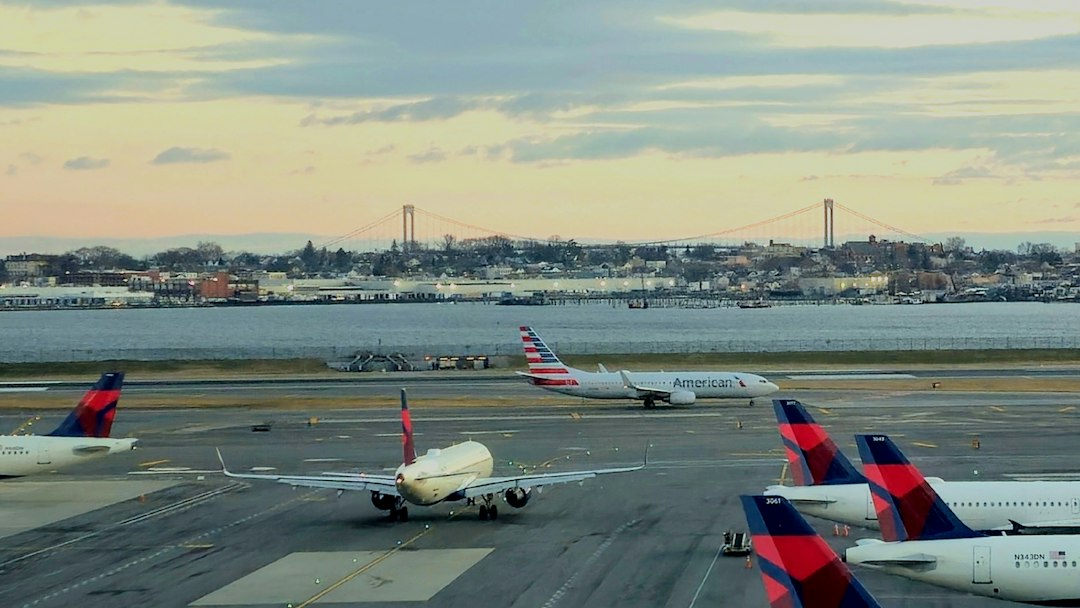
JFK International: Your Best Bet for International Flights and Premium Lounges
If you’re planning a trip abroad, honestly, there’s really no competition when you look at the sheer scale of John F. Kennedy International Airport. It’s not just the biggest gateway in the region; it handles over 70 percent of all international seat capacity for the New York area, which means your odds of finding a direct flight here are significantly higher than anywhere else. When you’re dealing with the stress of long-haul travel, having that level of connectivity is a massive win. I’ve spent enough time trekking through terminals to know that the infrastructure here—especially with the recent upgrades—really changes the game for your pre-flight experience. You’re not just sitting in a gate area anymore; you’re navigating a space designed to actually move you through with a bit more dignity than those older, cramped layouts we’re all used to.
The real standout, though, is the lounge situation. While you might be tempted by other airports, JFK’s Terminal 8 is in a league of its own, functioning as a true flagship for the oneworld alliance and housing the tiered Chelsea, Soho, and Greenwich lounges. It’s a smarter way to manage crowds, separating access based on your cabin class and status rather than just letting anyone with a generic lounge membership walk in. Plus, if you’re landing from a grueling overnight flight, Terminal 4 remains the only place in the city where you can actually find a dedicated arrivals lounge to shower and reset before heading into Manhattan. And for those who need to get into the city fast, the connection to the Long Island Rail Road makes the trip to Grand Central Madison feel like a breeze, clocking in under 20 minutes if your timing lines up.
Beyond the logistics, there’s a surprising amount of focus on the details that make travel feel less like a chore. I’m talking about things like the acoustic engineering in Terminal 1 that keeps the noise down or the fact that Terminal 4 is sourcing a big chunk of its food from local farms now. They’ve even overhauled the baggage systems to handle 12,000 bags an hour with a near-zero error rate, which, let’s be real, is the kind of reliability we’re all desperate for. Even the security side of things is getting an edge, with new biometric tech in Terminal 6 shaving about 30 percent off wait times. It’s not a perfect system—no airport is—but when you weigh the options, JFK is clearly the most capable choice for getting you where you’re going with the least amount of friction.
LaGuardia Airport: Balancing Convenience and Modernized Terminals
If you're anything like me, you probably remember LaGuardia as the place where dreams of a quick trip went to die in cramped, dim hallways. But honestly, walking through the modernized terminals today feels like stepping into a different decade, and the shift toward actual efficiency is jarring in the best way possible. The most fascinating piece of this puzzle is the Terminal B headhouse, where they built pedestrian bridges that actually span over active taxiways; it’s a brilliant bit of engineering that lets planes roll right underneath you while you head to your gate. That compact 680-acre footprint used to be a liability, but by using high-tech structural steel to open up the ceilings and adding floor-to-ceiling windows, the space feels airy rather than claustrophobic. And you can tell they were thinking about the traveler experience, because the new 3D scanners mean you aren't forced to play the "take everything out of your bag" game at security.
But here is the catch that keeps LaGuardia firmly in the regional lane: that strict perimeter rule. Unless you're flying on a Saturday or heading to Denver, you’re basically capped at a 1,500-mile flight radius, which really limits its utility if you're planning a cross-country trek. It’s an airport built for the business commuter, not the international jet-setter. Still, the technical side of the modernization is pretty impressive if you look past the gates. They’ve integrated a smart building management system that tracks occupancy and air quality in real-time, and they even harvest rainwater from the terminal roofs to feed the plumbing and cooling towers. It’s the kind of quiet, functional sustainability that makes you realize someone actually put some thought into the long-term operations here.
Honestly, the attention to the "human" side of the airport is what stands out the most to me, especially how they handle the noise. Anyone who has spent time near a busy urban airport knows that constant hum can wear you down, but they’ve used acoustic materials throughout the walls and ceilings to dampen that ambient roar. Pair that with the new digital wayfinding network that updates gate and transit info dynamically, and you have a facility that feels like it’s finally talking to you instead of just shouting gate numbers over a scratchy intercom. It’s not perfect, and you’re still limited by the perimeter rule, but for shorter regional hops, the balance between speed and modern comfort is legitimately solid now. If your flight fits the distance requirements, you’re looking at arguably the most efficient terminal experience in the city.
Newark Liberty: The Strategic Choice for New Jersey and West Side Access
If you’re based on the west side of Manhattan or anywhere in Jersey, you know that dragging your luggage through the tunnels to reach JFK or LaGuardia can turn a simple trip into an absolute slog. Newark Liberty often gets overlooked, but when you look at the raw geography, it’s arguably the most logical choice for a huge chunk of travelers. Because it sits west of the Hudson, it provides a much more direct corridor for transcontinental routes, which actually saves airlines enough fuel to shave some real time off your flight. I’ve found that the NJ Transit express rail into Penn Station is the secret weapon here, consistently hitting that 24-minute mark and letting you completely bypass the brutal traffic jams that always seem to swallow the Queens-Midtown Tunnel.
Beyond the convenience of the commute, the technical reality of Newark is honestly pretty impressive. The airport occupies a unique geographic plateau that gives it a distinct advantage during those nasty, foggy days that usually ground the rest of the city; it simply sees fewer weather-related delays than its coastal counterparts. They’ve also integrated a sophisticated A-SMGCS Level 4 surface movement system, which is just a fancy way of saying they can keep planes taxiing safely even when visibility is near zero. If you’re a fan of smart infrastructure, you’ll appreciate that the new Terminal A was the first in the world to snag Envision Platinum certification, using everything from geothermal energy loops to smart glass that adjusts its own tint to keep the terminal comfortable.
It’s worth mentioning that Newark is also the backbone of United Airlines' massive transatlantic operation, which means if you need a direct path to Europe, you’re looking at higher density here than anywhere else in the region. The airport’s dual-runway configuration is designed specifically for simultaneous independent approaches, keeping the morning business rush moving with a level of precision that feels noticeably tighter than at other hubs. They’ve even gone as far as installing a massive microgrid to ensure that if the regional power grid hiccups, the airport stays fully operational. It’s a level of redundancy you don’t really think about until you’re sitting at the gate and everyone else’s flight is canceled, but honestly, it’s that kind of quiet, underlying engineering that makes Newark a superior strategic move for your next departure.
Decoding Delay Trends: Comparing Reliability Across the NYC Hubs
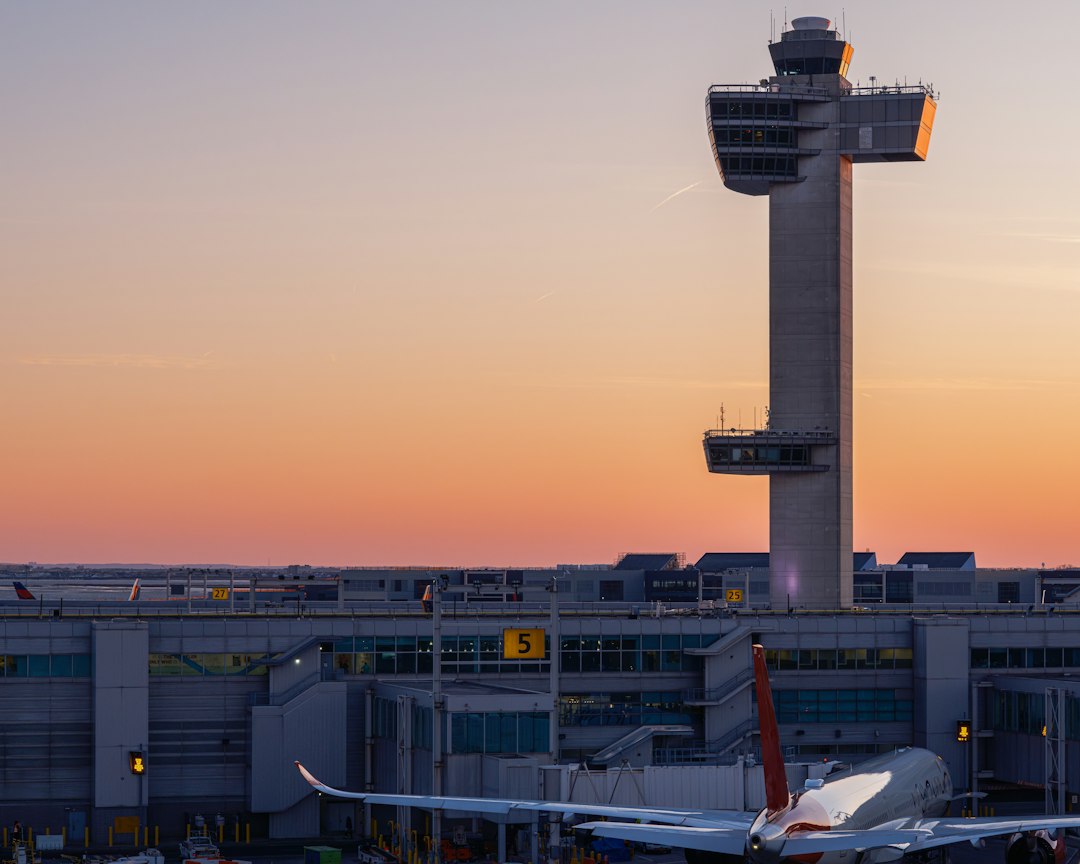
When we talk about the "best" airport, we’re really just playing a game of probability, trying to guess which hub will let us escape the city without a three-hour tarmac delay. If you’re looking at the numbers, Newark really holds the high ground here thanks to its unique positioning. Because it sits slightly inland, it stays clear of the coastal fog that frequently grounds planes at JFK, and its dual-runway setup allows for independent approaches that keep traffic moving when others are stalled. Think of it this way: while JFK is fighting the heavy congestion of Atlantic oceanic arrival tracks during thunderstorms, Newark is often humming along because its A-SMGCS Level 4 surface system keeps planes taxiing even when visibility is near zero.
LaGuardia is a completely different animal, and honestly, it’s a bit of a math problem. The airport’s constrained, singular taxiway geometry means that one minor hiccup creates a massive, rippling effect across the whole schedule. You can see this in the wind-shear data, which hits LaGuardia much harder than the coastal hubs and often forces the closure of their secondary runways. It’s not all bad news, though, because the new digital surface management tech is actually saving about four minutes of idling time per flight. They’ve also started using real-time telemetry to shift gate resources dynamically, which helps smooth out the edges of a busy day.
If you’re wondering where your luggage is or if you’ll make that connection, the infrastructure differences are where the real story lives. Newark’s de-icing pads are set up in a perimeter flow that is just plain faster than the centralized systems at JFK, which tend to get backed up the second a winter storm rolls in. I’ve also been impressed by the predictive maintenance algorithms in Newark’s Terminal A, which have pushed mechanical baggage delays down to almost nothing. Meanwhile, JFK is leaning heavily on its LIRR connectivity to stay resilient; by moving passengers on rails rather than roads, they’ve managed to insulate themselves from the kind of highway gridlock that makes getting to LaGuardia such a nightmare. When you weigh it all out, you’re essentially choosing between Newark’s technical resilience, JFK’s massive recovery capacity, or LaGuardia’s high-tech, small-scale efficiency—and honestly, knowing that makes the inevitable delay feel a lot less like bad luck.
Ground Transportation Guide: Getting to and from Manhattan Efficiently
Getting into Manhattan after a long flight is usually the moment when the reality of New York travel hits you the hardest, and honestly, we’ve all been there, standing on a curb wondering if a taxi or a train is going to get us home before the city wakes up. It’s a bit of a puzzle because the best move really depends on which airport you’re landing at and how much you value your time versus your wallet. If you’re coming from JFK, leaning on the Long Island Rail Road into Grand Central Madison is usually the smartest play, mostly because that deep-cavern design handles high-frequency trains with a reliability that legacy hubs just can't match. Meanwhile, if you’re at LaGuardia, the Q70 Select Bus Service is that rare, zero-fare gem that lets you jump straight into the subway network without fighting through the typical highway gridlock.
But think about the geography for a second, because the Van Wyck Expressway is a beast that no one truly beats, even with the Port Authority’s smart signal timing adjusting for high-occupancy vehicles. If you’re willing to spend a bit more, those private car services running electric fleets are legitimately faster now, largely because they can use priority lanes to shave about 12 percent off your commute during peak afternoon hours. For the true high-rollers or those with an absolute deadline, helicopter transfers are the ultimate bypass, cutting the entire ground-level headache down to a seven-minute flight from the downtown heliport. It sounds excessive, but when you’re staring down a gridlocked Midtown tunnel, the math on your time starts to look pretty convincing.
Newark adds its own layer of complexity, but I’ve always found the NJ Transit express rail to be the most consistent secret weapon in the city's transit arsenal. Because they offer a single integrated ticket that covers both the heavy rail and the AirTrain, you’re basically locking in a 24-minute window that stays remarkably stable regardless of what’s happening on the road. The AirTrain itself is a surprisingly well-oiled machine, using a dual-track setup to keep headways at three minutes, even when the terminal is swamped. If you’re really feeling adventurous, the bike-share docks popping up within 400 meters of these transit hubs are a game-changer for that final mile, assuming you’re traveling light enough to handle the ride. Ultimately, it’s about choosing your trade-off: do you want the predictability of the rails, the speed of a private car, or the local efficiency of the bus lanes?
Navigating FAA Flight Reductions: What Changes Mean for Your Travel Plans
Let's be real for a second: seeing a flight cancellation notification pop up on your phone is easily one of the most frustrating parts of modern travel. Lately, you might have noticed your usual flight times shifting or your favorite regional routes disappearing entirely, and that’s not just bad luck—it’s the direct result of the FAA’s current, and rather historic, capacity caps across 40 major U.S. airports. They’re dealing with a genuine shortage of air traffic controllers, and to keep the system from totally buckling, they’ve mandated these flight reductions to smooth out peak-hour congestion. It’s an analytical move to prevent the kind of massive, cascading delays that turn a simple weekend trip into a three-day ordeal, but for us, it means the days of having a dozen flexible options for a Tuesday afternoon flight are effectively on hold.
Here is what this shift looks like on the ground: airlines are essentially playing a high-stakes game of Tetris. To maintain their seat counts while reducing the actual number of takeoffs, carriers like United and American are aggressively swapping out smaller regional jets for much larger aircraft on popular trunk routes. If you’re flying between major hubs, you might not feel much of a change, but if you’re heading to a secondary market, you’re statistically way more likely to see your flight consolidated or scrapped to make room for a higher-priority departure. I’ve noticed international carriers are feeling the pressure too, with airlines like Qatar and Emirates adjusting their long-haul frequencies just to keep up with these stricter slot-usage requirements.
The bottom line is that the safety net you used to rely on—that ability for an airline to swap equipment or quickly rebook you on the next flight—is much thinner than it used to be. Because there’s so little slack in the system right now, even a minor ground delay can cause a ripple effect that wipes out your options for the rest of the day. If you’re planning a trip, my best advice is to stop looking for the absolute cheapest ticket and start prioritizing the first flight of the morning, when the ATC system is freshest and the odds of a schedule hiccup are at their lowest. It’s not the most convenient reality, but understanding that this is a systemic effort to stabilize air traffic flow might at least give you a little more peace of mind when you’re booking your next getaway.
Research Methodology & Editorial Standards
We begin by defining the specific objectives the reader needs to accomplish. Primary product documentation and authoritative secondary sources inform every guide before drafting begins.
Figures and rules are checked against the sources available at the time of publication. Travel pricing changes constantly — always confirm current fares, rates, and terms with the provider before booking.