
Beyond the City Lights Finding Adventure on a Hong Kong Snake Safari
That’s exactly how I feel about Hong Kong.
Hong Kong’s Hidden Wilderness: Why Reptile Spotting is the Ultimate Urban Escape
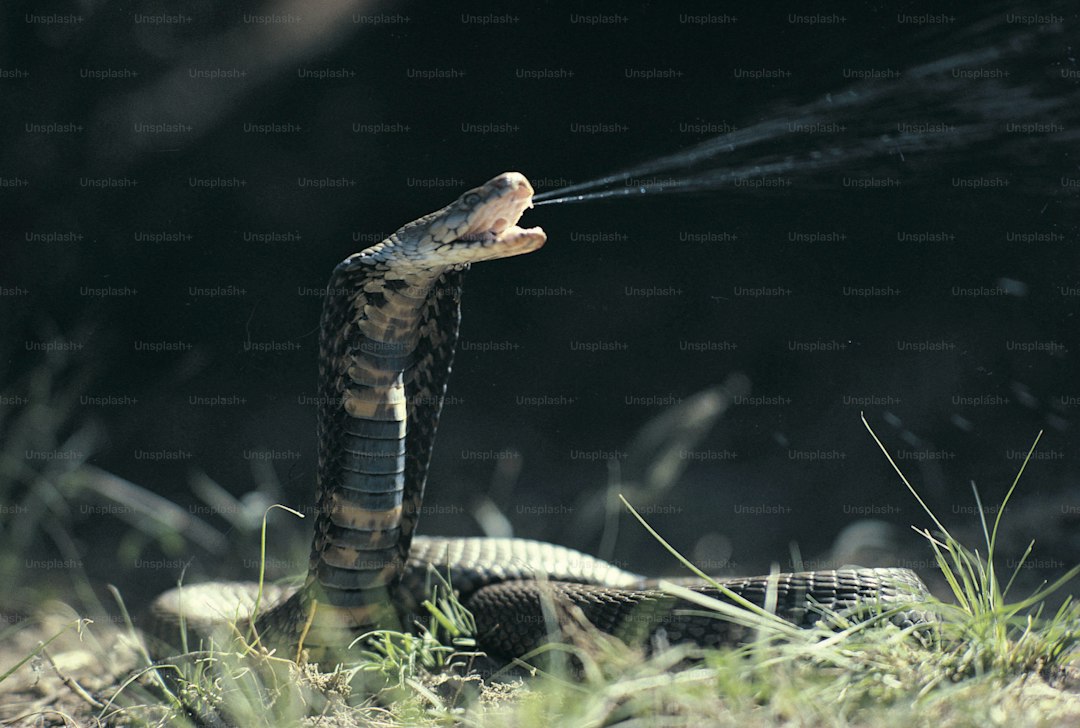
You know that moment when you’re standing in the middle of a concrete jungle and realize the real story is happening just inches off the beaten path? That’s exactly how I feel about Hong Kong. Most people look at the skyline and see finance and density, but I see a wild, shifting frontier hiding in plain sight. We are talking about 52 native land snake species packed into just 1,100 square kilometers, which is frankly staggering when you compare it to almost any other major metropolis. It’s not just about the big guys like the four-meter Burmese pythons lurking near the reservoirs; it’s about the smaller, weirdly resilient creatures that have adapted to our presence. Think about it, we’ve got over 40 percent of our land locked away in protected parks, creating a literal sanctuary right next to the skyscrapers.
If you’re curious about why this matters, look at the Red-necked Keelback. It’s got this wild dual-defense mechanism where it uses its own venom glands alongside toxins it actually steals from the toads it eats. It’s fascinating, right? But you have to be smart about how you engage with this. While everyone worries about the venomous Bamboo Pit Viper, most bites happen because people are just brushing against the wrong branch on a trail without looking. It’s not a horror movie; it’s just a matter of understanding that these animals are trying to manage their own body heat in our brutal subtropical humidity. Even in Kowloon, those urban heat islands are actually forcing nocturnal species to change their entire sleep and hunting schedules.
Honestly, I think the real draw here is how much we still don't know. The Mountain Pit Viper, for example, wasn't even formally described until the late 20th century, and now it’s like the holy grail for anyone who spends their weekends hunting for rare reptiles in the New Territories. I’ve spent enough time out there to see how the Hong Kong Newt acts as a living barometer for stream health, and honestly, the way they share space with semi-aquatic snakes is a masterclass in survival. We’ve got King Cobras in the northern fringes that are so good at thermal sensing they basically vanish the second they hear you coming. It’s a constant, high-stakes game of hide-and-seek between us and the wildlife, and if you're willing to pay attention, it changes how you see the city entirely.
The Predators of the Peak: Understanding Hong Kong’s Native Snake Species
When you start looking at the specific hunters on the Peak and across our trails, you realize the diversity here is honestly wild. Take the Checkered Keelback, for instance, which has this rare ability to hunt in brackish water, giving it a massive edge over snakes that stick strictly to freshwater streams. Then you have the Many-banded Krait, which carries some of the most potent neurotoxic venom on the planet, yet it’s remarkably chill and almost never bites unless you’re foolish enough to grab it. It’s a complete contrast to the Copperhead Racer, which goes the other way by vibrating its tail to sound like a rattlesnake whenever it feels even a little bit agitated. I’ve seen hikers get spooked by that sound, but it’s really just a clever bluff designed to keep you at a distance.
If you’re looking for the masters of specialized hunting, the Large-spotted Cat Snake is top tier because it uses actual binocular vision to track geckos right up our vertical granite rock faces at night. Meanwhile, down in those damp, shaded ravines in the New Territories, the White-spotted Slug Snake has evolved asymmetrical teeth to physically pry snails out of their shells. It’s a level of evolutionary precision that makes you appreciate the city’s biodiversity so much more. Even the Common Wolf Snake plays a different game by specifically hunting other reptiles' eggs, which is a pretty unique niche for a local colubrid to fill. It’s not just random activity; every one of these snakes is tuned to a very specific frequency of survival.
You’ve also got the masters of camouflage and defense, like the Mock Viper, which is totally harmless but does a brilliant job of faking the posture of much deadlier snakes just to scare you off. Then there’s the Small-spotted Coral Snake, which uses a bright red tail tip as a distraction to keep your eyes away from its head. If you’re moving through the brush, you might even miss the Collared Reed Snake, which has a flattened head specifically for shoving through dense soil and leaf litter. And don't get me started on the Chinese Cobra, which I’ve noticed really thrives in areas with agricultural waste because it knows that’s where the rodents hang out. It’s all about resource management, and honestly, we’re just lucky to share the same space with such specialized neighbors.
Essential Gear and Safety Protocols for Nighttime Herping
When you’re out in the dark, the right gear is the difference between a successful night of observation and a stressful situation. I’ve found that high-lumen LED headlamps with a warm color temperature are far superior to standard cold-white lights because they cut down on the harsh scatter that causes snakes to bolt. If you want to keep your own eyes adjusted to the dark, a red-filter lens is a game changer, plus it’s much less likely to stress out the animals you’re trying to track. Don't forget that your choice of footwear is just as important as your light source, so stick with sturdy, calf-high rubber boots. They’re the only thing that’ll stop those razor-sharp blades of cogon grass from tearing up your legs while providing a solid baseline of protection against ground-level threats.
When you’re moving through thick leaf litter, I highly recommend investing in a pair of synthetic, puncture-resistant snake gaiters to shield your lower legs from vipers that might be hiding in plain sight. Always keep a one-meter snake hook on hand; it’s not just a tool for moving debris, it’s a necessary buffer that keeps your hands well outside the strike zone of any creature you encounter. Because the deep ravines in the New Territories are notorious for eating cell signals, you really need to carry a satellite communicator or at least have your topography maps downloaded for offline use. It’s easy to get turned around in the dark, so leave a specific plan with someone back home before you head out. And honestly, bring an extra power bank because the subtropical heat and constant light usage will drain your batteries way faster than you’d expect.
For those of you who want to document what you find, an external macro flash is essential so you can snag high-speed shots without having to lean in uncomfortably close to a subject. I also keep a pair of cut-resistant, high-dexterity gloves in my pack, which give me a much better grip on slick, rocky terrain during night climbs and add a little security against smaller, feisty colubrids. If things go wrong, your field kit needs to be ready; make sure you’re packing a pressure immobilization bandage, as it’s the standard first-aid requirement for the neurotoxic bites we see from local kraits. Finally, when you’re done and heading home, wipe your boots and gear down with a mild disinfectant. It’s a small step, but it’s the best way we have to stop the spread of fungi that could harm the very amphibians we’re out there to protect.
From Bamboo Vipers to Many-Banded Kraits: Identifying Hong Kong’s Most Iconic Snakes
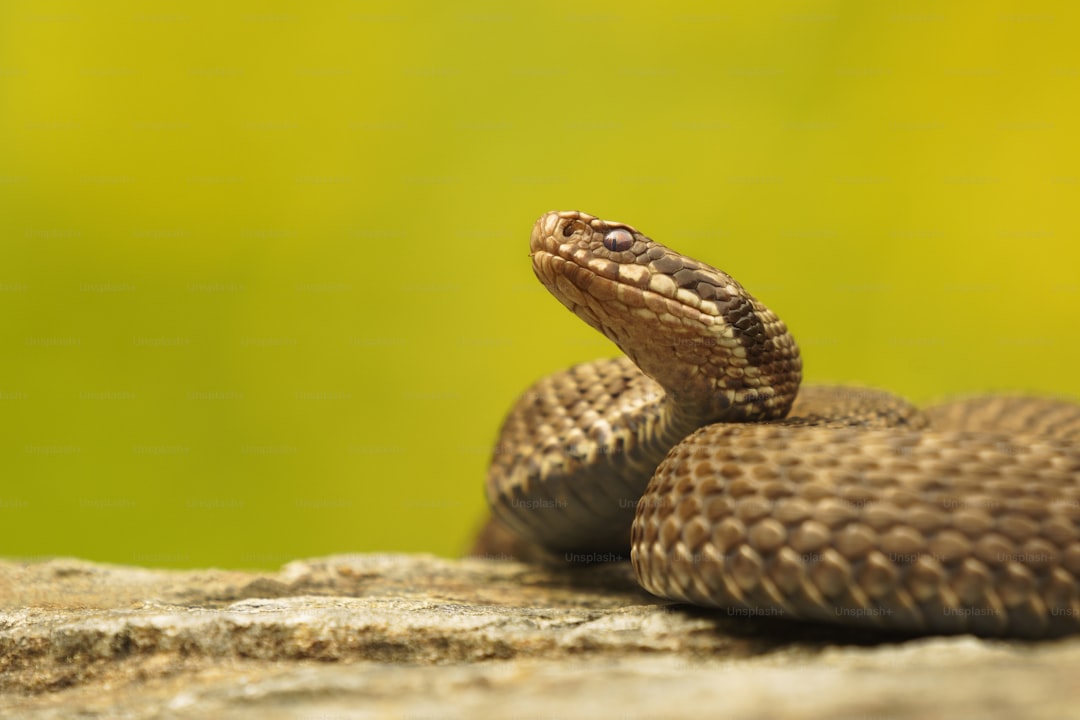
Let’s be honest: when you’re out on the trails, the sheer diversity of reptiles in our backyard is enough to make anyone stop and do a double-take. We’ve got everything from the common Bamboo Pit Viper—which honestly gets a bad rap because it just wants to blend into the greenery—to the much more reclusive Many-banded Krait that most people never actually see. It’s wild to think that while we’re busy navigating the city, these animals are busy running their own complex social and survival games right beneath our feet. I find it fascinating how the Indochinese Rat Snake can stretch to two meters and effortlessly scale trees, which is a massive contrast to the tiny, worm-like Hong Kong Blind Snake living quietly in your garden. Learning to tell them apart isn’t just about avoiding a nasty bite; it’s about appreciating how these neighbors have carved out such specific roles in our environment.
If you’re looking at the bigger picture, the way these snakes have specialized is pretty brilliant from an evolutionary standpoint. You’ve got the Speckled Big-headed Snake with its oversized skull built for taking down large meals, while the Greater Green Snake is busy hunting earthworms, proving that not every snake is the aggressive predator movies make them out to be. Then there’s the Banded Stream Snake, which chooses to just dive to the bottom of a pool when it feels threatened instead of engaging in a standoff. It’s a totally different energy compared to the mountain-dwelling species that have adapted to our cooler high-altitude pockets. I’ve spent enough time observing them to realize that their behavior is usually a direct response to their habitat, not just random movement.
But look, you really have to respect the stakes when you’re out there. Even if the Many-banded Krait is surprisingly sluggish during the day, you should never mistake that calm for harmlessness, as its neurotoxic bite is legitimately dangerous. On the other hand, a species like the Red-banded Snake is usually just hanging out near water, focused on its next meal rather than on you. It’s a constant trade-off between keeping your distance and getting that perfect look at a creature that might have spent all night perfecting its camouflage. I think the more you learn about their specific quirks—like the Large-eyed Bamboo Snake’s night-vision or the way a Mountain Pit Viper uses heat sensors—the less intimidating the wilderness feels. It’s really just about knowing who you’re sharing the path with.
Respecting the Habitat: Ethical Guidelines for Wildlife Observation
When you’re out on a trail in Hong Kong, it’s easy to get caught up in the thrill of the hunt, but we really need to talk about how our presence ripples through these fragile ecosystems. If you’re just starting out, think of it this way: your goal shouldn't be to get the closest shot, but to witness a moment of natural history that remains untouched by your interference. Maintaining a buffer of at least 25 meters isn't just a suggestion; it’s a biological necessity, as even minor proximity can spike an animal's cortisol levels and disrupt their entire day of foraging or mating. Honestly, if you notice a snake starting to coil, flatten its body, or hiss, that’s your cue to back off immediately because you’ve already crossed the line of their comfort zone.
You also have to be mindful of the physical footprint you’re leaving behind, both literally and figuratively. It’s tempting to step off-trail for a better angle, but trampling that vegetation destroys the very ground cover snakes rely on for shelter and protection from heat. Plus, if you’re moving logs or rocks to see what’s underneath, you’re potentially drying out a micro-habitat that took years to stabilize, so please, always return them exactly as you found them. And let’s not forget about our gear; those boots of yours might look clean, but they can easily carry pathogens like snake fungal disease between different sites, which is why a quick scrub with a mild disinfectant is just basic field etiquette.
Then there’s the whole issue of how we light up the night, which is probably the biggest mistake I see beginners make. Using a high-intensity flash is essentially blinding for a nocturnal creature and can leave them defenseless against their own predators, so stick to warm-toned LEDs or low-intensity red filters whenever possible. Keep in mind that these animals are incredibly sensitive to vibrations, so moving with a steady, quiet rhythm is a much better way to see them in their natural state than rushing in. Ultimately, I think the most rewarding part of this hobby is learning to be a ghost in the landscape, observing these amazing neighbors without them ever realizing you were there. It’s a bit of a challenge, sure, but that’s exactly why it’s so worth getting right.
Planning Your Expedition: Choosing the Best Trails and Professional Guides for a Snake Safari
Selecting a professional guide for a snake safari really comes down to verifying their certification in wildlife handling, particularly those accredited by local conservation bodies that prioritize non-invasive observation over physical capture. I’ve found that the best guides in Hong Kong don’t just know the trails; they use private weather data to track microclimates, knowing exactly how specific humidity levels in a ravine dictate the emergence of elusive species like the Mountain Pit Viper. When you're planning your route, look for trails with varying geological substrates, like granite outcrops paired with riparian corridors, because those spots offer the highest density of ecological niches for diverse snake populations.
Field experts generally recommend scheduling your expeditions during the transitional seasonal periods of April and October, when ambient temperatures finally align with the metabolic sweet spots of most nocturnal reptiles. It’s absolutely critical to confirm that your guide adheres to a strict no-touch policy, ensuring no animals are handled or posed for photography during your session. Many of the most experienced guides I’ve worked with now use specialized thermal imaging monoculars, which let them detect ectothermic animals by identifying heat signatures against the cool, damp leaf litter of the forest floor.
For your logistics, try to find guides who operate within the buffer zones of protected Country Parks, as these areas have documented higher species richness thanks to the continuity of unfragmented habitat. A truly reputable guide will always maintain a low-impact protocol, requiring you to stay on designated paths to preserve the delicate root structures and mossy micro-habitats that provide thermal cover for hatchlings. Before you finalize any bookings, definitely inquire if your guide carries specialized, species-specific medical kits, as the different snakes we have here require distinct clinical approaches for field stabilization.
Finally, effective planning involves prioritizing trails with minimal light pollution, as even that distant urban glow can interfere with the crepuscular hunting patterns of species like the Many-banded Krait. You should specifically look for guides who use red-light observation techniques, as this wavelength is far less disruptive to a snake's photoreceptors than standard white or blue-toned LED beams. It’s also a great sign if your guide includes a briefing on local stream health indicators, often using the presence of Hong Kong Newts as a biological proxy to determine which sections of a stream are likely to host higher concentrations of semi-aquatic snakes.
Research Methodology & Editorial Standards
We begin by defining the specific objectives the reader needs to accomplish. Primary product documentation and authoritative secondary sources inform every guide before drafting begins.
Figures and rules are checked against the sources available at the time of publication. Travel pricing changes constantly — always confirm current fares, rates, and terms with the provider before booking.