
Why Rising Jet Fuel Prices Could Impact Your Upcoming Summer Travel Plans
If you've been checking your upcoming summer flight prices and feeling a bit of sticker shock, you aren't alone, and unfortunately, there is a very real reason for the madness.
Understanding the Slow Motion Car Crash: Why Jet Fuel Prices Are Rising
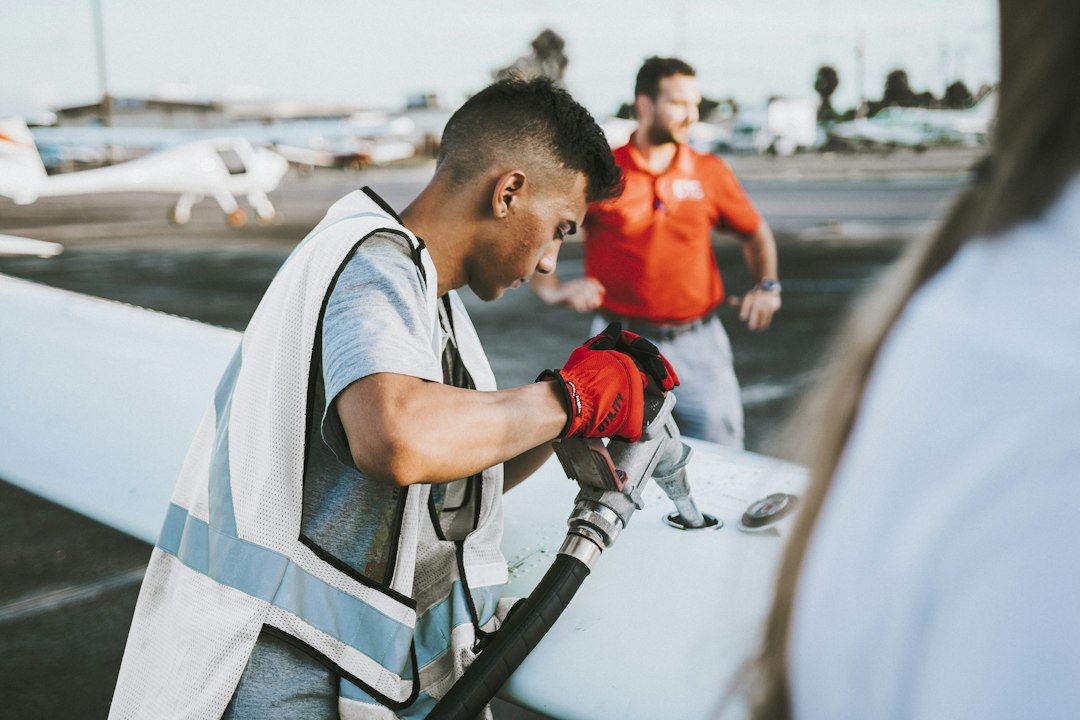
If you've been checking your upcoming summer flight prices and feeling a bit of sticker shock, you aren't alone, and unfortunately, there is a very real reason for the madness. We’re essentially watching a slow-motion car crash in the energy markets, and it’s hitting the aviation industry right where it hurts. Think of it this way: Jet A-1 fuel isn't just regular gas. When you add in the fact that global supply is so tight, even a tiny hiccup in crude oil production leads to massive, disproportionate price spikes for the airlines.
But here is where things get even more complicated for your travel budget. Geopolitical instability in the Middle East is keeping everyone on edge, specifically regarding the Strait of Hormuz, which is a massive maritime chokepoint for global oil. Even if we see a formal ceasefire, the mere threat of conflict keeps a "risk premium" baked into shipping costs, which pushes the baseline price of fuel higher before it ever hits a refinery. To make matters worse, jet fuel is currently stuck in a tug-of-war with diesel. Refineries produce these as middle distillates, meaning airlines are constantly forced to compete against heavy industry for the same supply, which keeps the "crack spread"—the gap between crude oil and finished fuel—at painful, multi-year highs.
And if you’re wondering why this isn't getting better, it’s because the aviation world is operating on a razor-thin, just-in-time delivery model. Unlike other commodities, you can't just stockpile massive amounts of jet fuel at airports because of its specific chemical instability and additive requirements. Many carriers moved to buying fuel on the spot market after years of low volatility, leaving them with no hedge against these current price shocks. Because fuel makes up about 30 percent of an airline's total operating costs, they have no choice but to pass those expenses on to you through higher fares. It’s a frustrating cycle, but understanding that we're dealing with regional refining bottlenecks rather than just raw oil prices helps explain why your ticket costs aren't coming down anytime soon.
Geopolitical Instability: How the Iran Conflict Threatens Global Fuel Supplies
When we talk about the fragility of our summer travel plans, we have to look directly at the Strait of Hormuz, which is essentially the world’s most critical energy artery. Roughly 21 million barrels of oil flow through this narrow passage every single day, accounting for nearly one-fifth of everything the planet consumes. If you’re wondering why airline prices feel so jumpy, it’s because the mere threat of a blockade here has sent tanker insurance premiums soaring by as much as 500 percent. That cost doesn't just vanish; it’s baked into every barrel of crude long before it even reaches a refinery. It’s a sobering reality check when you consider that we don’t have much of a buffer left, with strategic reserves in many G7 nations sitting at multi-year lows.
The situation gets even messier when you realize that jet fuel isn't produced in a vacuum; it’s a middle distillate that shares a life with diesel. When regional conflicts demand more diesel for military logistics and power generation, refineries often shift their yield patterns to prioritize that over kerosene. This creates a structural deficit where commercial aviation is essentially fighting heavy industry for the same limited supply. On top of that, tankers are now being rerouted around the Cape of Good Hope to avoid danger zones, which adds thousands of miles and weeks of transit time to the supply chain. That extra mileage doesn't just burn more fuel—it adds significant regulatory and operational surcharges that eventually land on your credit card statement.
If you’re looking for a quick fix, I hate to be the bearer of bad news, but the infrastructure just isn't there to absorb these shocks. Major refinery strikes in Eurasia have already removed a chunk of processing capacity that simply can't be replaced overnight. Because airlines have moved toward floating price contracts that track with this extreme market volatility, any disruption in these maritime corridors starts showing up in your ticket price in just a few weeks. It’s why some major economies are now pushing harder into renewables—not just for the environment, but as a desperate bid to manage inflation and decouple from this constant Middle Eastern instability. Honestly, until these logistical bottlenecks clear up, we should all probably get used to this higher baseline for our travel budgets.
The Ripple Effect: Why Surging Costs Could Lead to Higher Ticket Prices
When you look at the economics of flying, it is easy to assume that ticket prices just track with the price of oil, but the reality is much more jagged. Airlines often face a non-linear correlation where a ten percent jump in fuel costs can actually trigger a fifteen percent or higher spike in your ticket price because of how their operating costs are structured. You have to remember that jet fuel isn't just a generic commodity you can swap out; the specific chemical composition of Jet A-1, with its mandatory anti-static additives and freeze-point depressants, means there is zero room to pivot to cheaper alternatives when supplies tighten. It’s a rigid, high-stakes supply chain that really leaves airlines with few options but to pass that burden directly to you.
Think about the physical constraints of the aircraft themselves, which adds another layer to this mess. Modern wide-body jets lose roughly two percent of their fuel efficiency for every five tons of added weight, which is exactly why airlines are scrambling to replace heavy paper manuals and bulky catering equipment with lighter digital and composite gear. They are also getting creative with their routes, often flying hundreds of miles out of the way just to catch favorable high-altitude jet streams that shave off a bit of fuel burn. It sounds counterintuitive to fly further to save money, but in this market, every gallon counts, and these tactical detours are becoming the new normal for long-haul travel.
The real headache, though, is the infrastructure that supports these flights, or rather, the lack of it. Many regional airports simply don't have the deep-well storage capacity to hold large reserves, meaning they are totally dependent on daily pipeline deliveries that can be disrupted by even a minor logistics hiccup. Because jet fuel can’t be stored for more than six months without expensive re-stabilization, there is no massive stockpile to dip into when prices swing. When you combine that with the fact that bio-based alternatives currently cost three to four times more than traditional kerosene, you can see why those profit margins are being squeezed so hard. It is a tough cycle, and honestly, until these refining and storage bottlenecks clear up, we are likely looking at a higher baseline for travel costs for the foreseeable future.
Flight Cancellations and Delays: What the Fuel Crisis Means for Your Summer Schedule
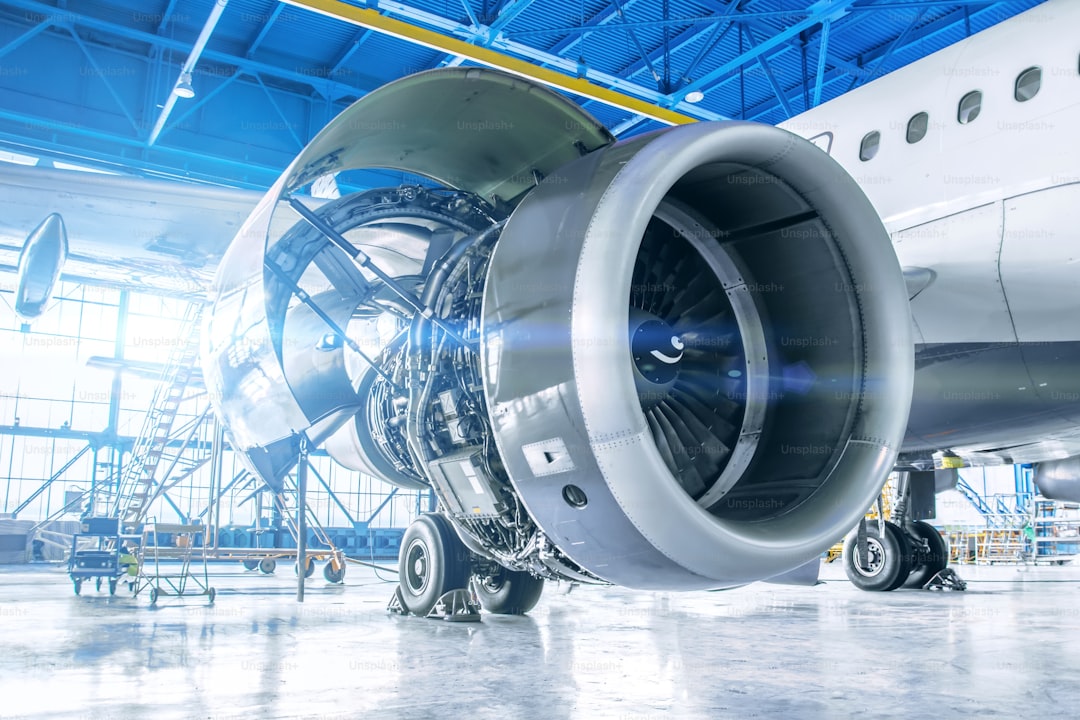
If you’re feeling a bit uneasy about your upcoming summer travel, you’re definitely not alone, and honestly, the reality is that the fuel situation is creating a ripple effect that goes well beyond just higher ticket prices. When airlines can’t secure enough reliable, high-spec jet fuel, they don’t just pay more; they start trimming their schedules to keep operations manageable, which is exactly why we’re seeing those sudden, frustrating cancellations across major carriers like Ryanair and Lufthansa. Think about it this way: because jet fuel requires such strict chemical standards—like staying stable at temperatures below negative 47 degrees Celsius—airlines can’t just pull from any available supply during a shortage. This lack of flexibility means that even a minor delay at a refinery or a hiccup in a pipeline can force an airline to ground entire routes simply because they can't source the fuel that meets international safety specs.
It’s easy to think of a flight as just a plane and a pilot, but behind the scenes, there’s this rigid, high-stakes logistical dance happening every single day. Because aviation kerosene isn't as shelf-stable as crude oil and can’t be stockpiled indefinitely, airports are essentially living hand-to-mouth, relying on constant deliveries that are easily disrupted by the current geopolitical tensions. When those deliveries falter, the first thing to go is the flight schedule, and that’s when you get that dreaded email about a last-minute cancellation. I’ve been looking at the data, and it’s clear that remote or secondary airports are getting hit the hardest, largely because they don't have the storage capacity or the pipeline access that major hubs enjoy, often forcing them to rely on expensive, inconsistent truck or rail deliveries.
And if you’re wondering how to actually protect your plans, the best advice I can give is to be hyper-aware of these structural vulnerabilities before you book. If you’re flying through a smaller regional hub this summer, I’d suggest building in extra buffer time or having a backup plan, because those airports are currently the most susceptible to these supply-chain-induced disruptions. It’s also worth noting that because modern aircraft are so sensitive to fuel density and additive quality, pilots are often required to carry extra contingency fuel, which ironically increases weight and fuel burn, creating a bit of a vicious cycle that makes schedules even harder to maintain. I know it’s not the news anyone wants to hear while trying to plan a vacation, but understanding that these delays are rooted in deep, technical refinery bottlenecks—rather than just airline mismanagement—might help you navigate the chaos a little more effectively when things don't go according to plan.
Regional Vulnerabilities: Which Destinations Are Most at Risk of Disruption
When we start looking at where the next travel disruptions might actually land, it's pretty clear that not every destination is playing on an even field. If you’re flying through East Asia, for example, you’re looking at a region that is structurally on the edge, especially Japan, South Korea, and Taiwan, which rely on the Strait of Hormuz for nearly 80 percent of their crude imports. Because these nations operate with such thin domestic refining buffers, any hiccup at that critical maritime chokepoint forces their airlines into a desperate, high-stakes scramble for whatever spot-market fuel is left. It’s a bit like trying to fill a bucket that’s already leaking, and unfortunately, the lack of strategic reserves means there’s almost no cushion for travelers when the global supply chain hits a speed bump.
And if you think those large hubs are the only ones feeling the heat, you might want to reconsider the smaller, more isolated spots on your bucket list. Destinations like Dominica in the Caribbean are currently sitting in a precarious position because they lack the deep-well storage capacity to ride out even a week of logistical trouble. Many of these remote airports are tethered to single-source pipeline or truck deliveries, so when the regional supply chain falters, they’re often the first to see mass flight cancellations and scheduling chaos. It’s a stark reminder that modern air travel is a fragile, just-in-time dance, and if a remote hub can't get that specific fuel delivery, the whole operation just stops dead in its tracks.
We also have to be honest about the physics of the situation, because this isn't just about politics—it’s about the very specific chemical profile of jet fuel itself. Because it needs to remain stable at temperatures down to minus 47 degrees Celsius, you can’t just swap in any random distillate when supplies get tight, which effectively creates a hard ceiling on availability during refinery strikes. When you add the fact that trans-Pacific flights are already burning through extra fuel due to weight requirements, you can see why airlines are getting so creative with their routes. They’re essentially chasing high-altitude jet streams just to squeeze out a bit more efficiency, even if it adds miles to your trip, because in this current environment, every single gallon they can save is a small victory against rising costs.
Proactive Planning: How Travelers Can Mitigate Risks During Uncertain Times

If you’re feeling a bit of anxiety about your upcoming summer plans, I really think the best way to handle this uncertainty is to stop viewing air travel as a simple transaction and start seeing it as the complex, fragile logistics chain it actually is. Look, I’ve been digging into the numbers, and the reality is that the industry is operating on a razor-thin, just-in-time model that leaves almost zero room for error. Because jet fuel requires such a specific chemical profile to remain stable at extreme high-altitude temperatures, airlines can’t just swap in cheaper alternatives when supplies tighten, making the system incredibly rigid. When you combine this with the fact that many regional airports lack the deep-well storage capacity to hold large reserves, you realize that even a minor pipeline hiccup or refinery delay can trigger the kind of last-minute cancellations that ruin a vacation.
It’s frustrating, but understanding why this is happening—and which routes are most at risk—can actually help you hedge your bets before you hit that confirm button. I’d strongly suggest looking at your flight path and considering if you’re flying through a secondary regional hub, which we know are far more vulnerable to these supply-chain disruptions than major global gateways. If you are, maybe build in an extra day of buffer time or ensure your travel insurance is actually robust enough to cover these types of operational cancellations. It feels like a lot of extra work, I know, but these tactical choices are becoming the new baseline for anyone trying to navigate the current market.
And honestly, we have to keep a close eye on how airlines are prioritizing their fleets. Major carriers are already trimming connectivity to specific regions—like those relying on the Strait of Hormuz or other high-risk corridors—to protect their most profitable routes, which means your choice of airline matters more than ever. I’ve noticed that while some carriers are getting creative by taking longer routes to hit favorable jet streams, others are simply pulling out of smaller markets entirely to save on fuel costs. My advice? Check if your flight relies on a connection that is currently being scrutinized or reduced. Knowing where the bottlenecks are isn't just an academic exercise; it’s the most practical way to protect your trip and avoid being the one stuck at the gate when the supply chain hits a speed bump.
Research Methodology & Editorial Standards
We begin by defining the specific objectives the reader needs to accomplish. Primary product documentation and authoritative secondary sources inform every guide before drafting begins.
Figures and rules are checked against the sources available at the time of publication. Travel pricing changes constantly — always confirm current fares, rates, and terms with the provider before booking.