
Why Dominica is the ultimate Caribbean island escape for your 2026 travel plans
We’re talking about an island that feels like it’s still in the process of being born, where the landscape hasn't been paved over to cater to mass tourism.
Beyond the Beaches: Why Dominica is the Nature Island's Untamed Escape
If you’re tired of the typical Caribbean itinerary filled with sprawling resorts and crowded beaches, Dominica is the reality check you’ve been waiting for. We’re talking about an island that feels like it’s still in the process of being born, where the landscape hasn't been paved over to cater to mass tourism. Instead of mega-resorts, you’ll find 365 rivers—literally one for every day of the year—and a rugged interior that holds the Caribbean’s longest hiking trail, the 115-mile Waitukubuli National Trail. It’s the kind of place where you don't go to sit still; you go to see the world before it was tamed. I’ve always found that the best trips are the ones that force you to actually engage with your surroundings rather than just watching them from a lounge chair.
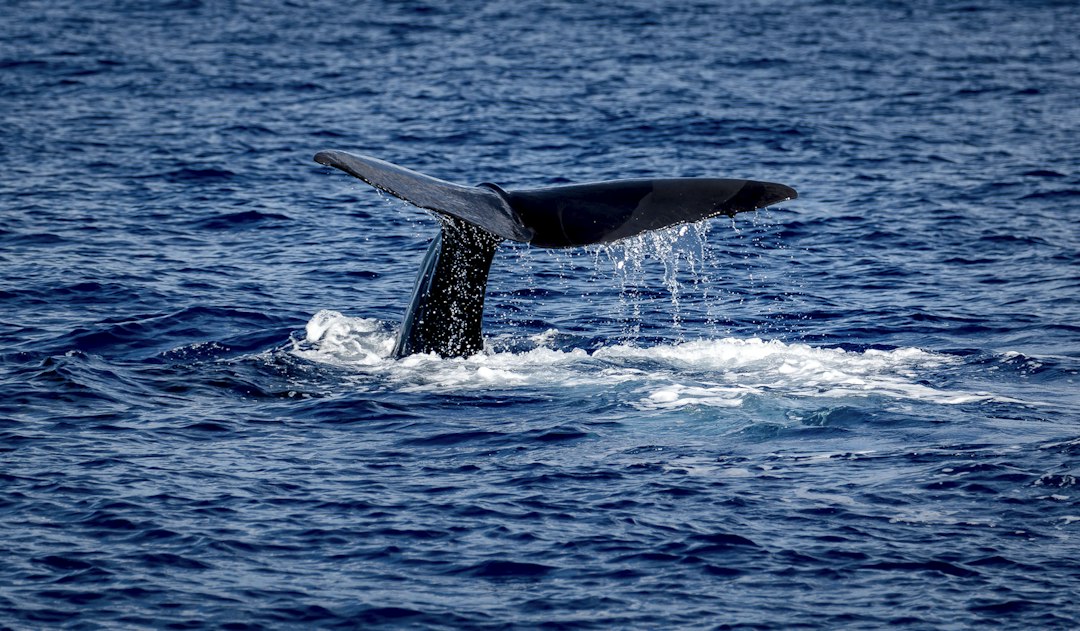
Think about the sheer geology here; Dominica is home to nine volcanic centers and the Boiling Lake, which sits at a blistering 180 to 197 degrees Fahrenheit. You can snorkel through Champagne Reef, where geothermal vents bubble up from the seafloor, or hike deep into Morne Trois Pitons National Park, the first UNESCO site in the Eastern Caribbean. It’s not just about the raw power of the earth, either. You’ll find the Sisserou parrot, the largest in the region, hiding in the rainforest, and offshore, sperm whales call these deep, protected waters home all year long. Honestly, it’s a rare privilege to visit a place that still keeps its natural secrets so well-guarded.
What really sets Dominica apart from its neighbors is its stubborn refusal to conform to the commercial airport model. By limiting runway length to regional aircraft, the island has effectively throttled mass-market development, keeping the crowds away and the vibe authentic. You see this same spirit in the Kalinago Territory, the only place in the Caribbean where the descendants of the original pre-Columbian population still reside on their own land. It’s a stark contrast to the manicured, artificial feel of many other islands. Between the conservation efforts for the rare Mountain Chicken frog and the fact that the island has enough freshwater to actually export to its neighbors, it’s clear that Dominica operates on a completely different set of priorities. If you’re looking for a trip that feels honest, a little challenging, and genuinely wild, this is it.
Unspoiled and Uncrowded: Finding Solitude in the Caribbean in 2026
If you're hunting for genuine silence in the Caribbean, you know how hard that is to find when every island seems to be competing for the same cruise ship traffic. Most destinations have traded their quiet for mass-market volume, but Dominica operates on a completely different frequency. Here, solitude isn't just a marketing line; it’s a geographic reality backed by a population density of only 100 residents per square kilometer. You aren't fighting for space here because the island's infrastructure is built to favor the environment over industrial tourism. In fact, less than 15 percent of visitors in 2025 arrived by cruise ship, which is a massive outlier when you compare it to the neighboring hubs that are practically sinking under the weight of day-trippers.
Let's look at why this matters for your 2026 travel plans. When you head inland, you’re walking through primary-growth rainforests that are so dense they act as a massive carbon sink, absorbing more carbon than the island actually produces. Because about 30 percent of the island's energy is already hydroelectric, you don't deal with the constant hum of generators or industrial noise pollution that ruins the vibe in more commercialized spots. Even during the peak of the dry season, the island holds a surplus of 300 million gallons of fresh water, ensuring the landscape stays lush and isolated while other islands struggle with seasonal shortages. It’s rare to find a place that feels this untouched, especially when you consider that over 60 percent of the total land mass is under permanent legal protection.
Beyond the numbers, think about the sensory experience of being somewhere that hasn't been paved over. The windward coast has so little light pollution that the night-sky visibility index is among the best in the Northern Hemisphere, turning a simple evening walk into an astronomy lesson. And because the coastal waters drop to over 1,000 meters just a few miles out, you have this unique acoustic environment that supports year-round whale residency, which you just don't get in shallower, busier zones. You’re also looking at an island with the highest number of endemic plant species in the Lesser Antilles, meaning you're seeing flora that literally doesn't exist anywhere else on the planet. Honestly, if you want a trip that feels honest and actually quiet, this is the only place left that hasn't sold its soul to the developers.
Hiking the Waitukubuli: Exploring the Caribbean’s Longest Walking Trail
If you’re someone who craves a landscape that actually fights back a little, you need to look at the Waitukubuli National Trail. It’s not just a walk in the park; it’s a 115-mile spine that runs the entire north-to-south axis of Dominica, and honestly, it’s the only way to see what this island is really made of. The trail is chopped into 14 distinct segments, each moving you through wildly different micro-ecosystems, from salty coastal scrub to the kind of high-altitude elfin woodland that feels like you’ve stepped onto a different planet. You’re walking on history here, using footpaths that were originally cut by the Kalinago people and later turned into trade routes during the plantation era.
When you look at the raw data, the sheer scale of the hike is kind of wild. You’re looking at a cumulative elevation change of over 20,000 feet—that’s effectively two-thirds of the way up Mount Everest, just packed into a Caribbean island. Segment 10 is the one that usually breaks people, as it pushes you deep into the rugged, volcanic heart of the island where the terrain gets genuinely unforgiving. You’ll be dealing with humidity that regularly hits 90 percent, which is exactly why the forest is so thick with rare mosses and epiphytes you just don't see anywhere else. It’s intense, but that’s the point; it’s one of the few places left where the trail is officially mapped to keep you entirely away from the hum of road traffic.
What I really respect about this trail is how it forces you to engage with the island's geology in real time. As you hike from Scott’s Head in the south up to Capuchin in the north, you’re essentially trekking through the island's entire volcanic timeline, moving from the oldest formations to the active, steaming geothermal zones. The trail design is intentionally low-impact, relying on old-school navigation with compasses and maps rather than modern, paved conveniences that would ruin the solitude. You’ll pass through abandoned citrus orchards and coffee estates that the rainforest is currently swallowing whole, which is a pretty surreal reminder of how nature eventually wins here. If you’re planning on hitting the trail, just be ready for the runoff during the rainy season, though the local forestry division has done a great job with elevated boardwalks to keep the delicate soil protected.
Sustainable Luxury: Eco-Conscious Resorts for the Mindful Traveler
Let’s pause for a moment and reflect on what true luxury actually looks like in 2026. It’s no longer about gold-plated faucets or imported marble; it’s about the privilege of staying in a place that leaves the environment better than it found it. You’ll find that eco-conscious resorts in Dominica are leading this charge by utilizing advanced rainwater harvesting systems that cover 100 percent of their water needs, effectively removing any burden from local municipal supplies. They aren't just cutting corners, either; they’re implementing biological wastewater treatment plants that use indigenous aquatic plants to filter graywater, which then goes right back into nourishing the surrounding gardens. Honestly, it’s a level of circular design that makes traditional luxury hotels look a bit outdated.
To keep their carbon footprints low, these retreats are sourcing over 80 percent of their ingredients from within a 20-mile radius, which keeps the local agroforestry networks thriving. You’ll notice the shift in architecture, too, as many have ditched traditional air conditioning for passive cooling designs that actually work with the trade winds and thermal mass of the building to keep you comfortable. It’s fascinating to see how they’re using locally sourced volcanic stone and even invasive wood species for construction, which drastically lowers the energy cost of building in the first place. You really get a sense that the structures were grown rather than just erected.
And it goes even deeper than just the materials. Some of these lodges are now tapping into the island’s river network with micro-hydroelectric systems, giving them consistent off-grid power that feels like the ultimate high-tech, low-impact solution. They’ve also ditched single-use plastics entirely, swapping them for biodegradable kits and filtered spring water in glass, while installing dark-sky compliant lighting to make sure they don’t mess with the local sea turtles or migratory birds. I think it’s brilliant how they’re using elevated post-and-beam foundations to keep the forest floor and root systems completely undisturbed beneath your feet. It’s a rare chance to feel like a guest in nature’s home, rather than an intruder, and that’s a shift in perspective that really sticks with you long after you’ve checked out.
Immersive Cultural Experiences: Connecting with Dominica’s Indigenous Roots
Let’s pause for a moment and reflect on what it actually means to visit a place that hasn't just been preserved, but is actively lived in by its original stewards. When we talk about connecting with Dominica’s indigenous roots, we’re moving beyond the standard tourism script into the Kalinago Territory, which spans 3,700 acres of protected land. It’s the only place in the Caribbean where descendants of the pre-Columbian population still hold collective governance over their ancestral home, and honestly, the difference in the atmosphere is palpable. You aren't visiting a museum here; you're stepping into a landscape where the Kalinago people are still actively practicing ancient traditions like basket weaving with durable larouma reed or constructing traditional ajoupa dwellings designed to shed the intense rainforest rain.
If you’re looking to get a real sense of this heritage, the Kalinago Barana Auté cultural village is where the history actually comes to life. It’s here that you can see the preservation of canoe-making techniques that involve hollowing out massive Gommier tree trunks—a process that requires an incredible amount of patience and skill. Beyond the architecture, you’ll find that the local diet is still deeply tethered to the land, relying on root crops like dasheen and yams grown on traditional terraces that prevent soil erosion on those steep volcanic slopes. It’s fascinating to compare this to modern industrial farming, as these methods have kept the soil productive for centuries without needing synthetic inputs.
And then there's the oral tradition, which is how the history of the migration from the South American mainland to the islands has been passed down for generations. I find it pretty remarkable that these stories are still shared alongside ceremonies timed to the lunar cycles, keeping the community in sync with the natural rhythms of the rainforest. Even the smaller details, like the use of the boucan smoking technique for preserving food or the creation of jewelry from river stones and shells, speak to a deep, spiritual connection to the island’s 365 freshwater systems. It’s not just about learning facts; it’s about acknowledging a way of life that has prioritized sustainability long before it became a buzzword in the travel industry. If you want to understand the soul of Dominica, you have to start by listening to the people who were here long before the rest of the world arrived.
Adventure Awaits: Geothermal Wonders, Waterfalls, and World-Class Diving
Let’s dive into the sheer kinetic energy of Dominica, because if you're chasing the kind of adventure that leaves you genuinely breathless, this is where the geography does the heavy lifting. The underwater topography here is essentially a masterclass in volcanic drama, defined by steep drop-offs that let deep-sea species thrive just minutes from the shoreline. When you head to the Soufrière-Scott’s Head Marine Reserve, you aren't just snorkeling; you're exploring a sunken volcanic crater that’s morphed into a massive, thriving nursery for marine life. It’s wild to realize that geothermal activity is so potent here that water temperatures can shift by ten degrees in the span of just a few feet. It’s this specific, high-intensity environment that supports the world’s only habituated pod of sperm whales, which rely on the island’s unique deep-water canyons to hunt and socialize year-round.
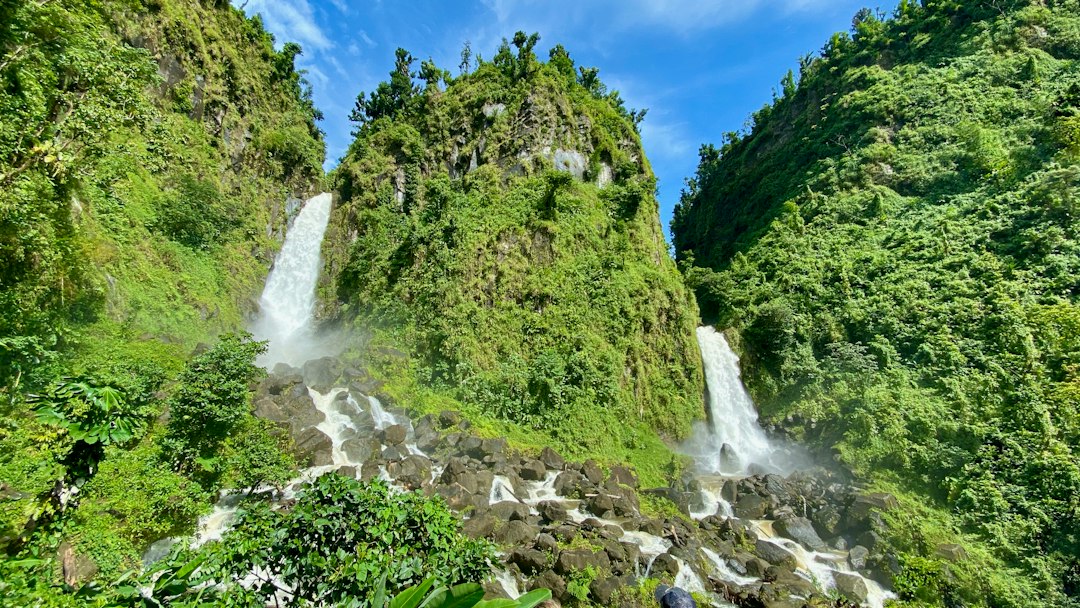
And if you think the water is impressive, wait until you actually see the waterfalls, which are consistently fed by high-altitude cloud forests that pull moisture straight from the air. Take Trafalgar Falls, for example, where you’ve got a twin system fed by two distinct mountain streams, each originating from different geothermal headwaters. Then there’s Victoria Falls, which looks almost otherworldly with its milky white water, a direct result of sulfur and minerals leached from the island’s active volcanic core. It’s a vivid reminder that you aren't just looking at scenery; you’re witnessing the raw, subterranean plumbing of an island that is still actively being forged. These aren't just pretty backdrops for a photo; they are high-functioning ecosystems that persist even during the driest months.
But here is where the science gets really interesting: the island’s southwestern coast features some of the deepest dive sites in the Caribbean, where the seafloor plummets to over 1,000 meters almost immediately offshore. These deep channels act as a natural acoustic corridor, providing the perfect stage for marine mammals to use their specialized low-frequency echolocation to navigate the abyss. It’s also worth noting that the island is actually widening due to ongoing tectonic shifts, which are pushing those volcanic peaks higher with every passing year. This creates a fascinating micro-climate where geothermal vents act as natural heaters for the coastal waters, allowing rare coral species to flourish here in ways they simply can’t in other, more stagnant parts of the region. Honestly, when you’re standing at the edge of a sulfur-rich waterfall or floating over a volcanic vent, you start to see that Dominica is more than just a destination; it’s a living, shifting geological experiment.
Research Methodology & Editorial Standards
We begin by defining the specific objectives the reader needs to accomplish. Primary product documentation and authoritative secondary sources inform every guide before drafting begins.
Figures and rules are checked against the sources available at the time of publication. Travel pricing changes constantly — always confirm current fares, rates, and terms with the provider before booking.