
Why Costa Rica Is The Ultimate Destination For Sustainable Travel Enthusiasts
If you’ve spent any time looking at how we travel today, you’ve probably noticed that Costa Rica isn't just another destination on the map—it’s the actual blueprint for how we should be doing things.
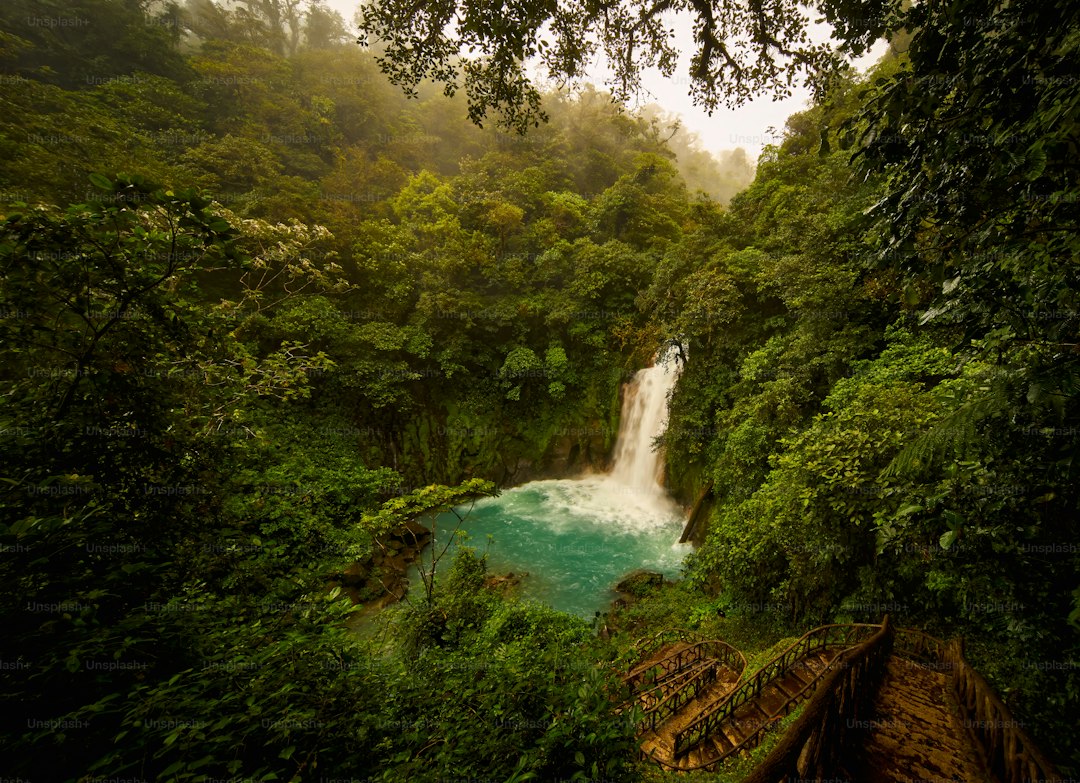
A Pioneer in Ecotourism: How Costa Rica Built a Global Model for Conservation
If you’ve spent any time looking at how we travel today, you’ve probably noticed that Costa Rica isn't just another destination on the map—it’s the actual blueprint for how we should be doing things. It’s wild to think that while most places are still struggling to balance tourism with basic environmental protection, this country has already moved on to the next phase. They aren't just trying to keep things from getting worse; they’re actively using travel to fix what’s broken. I’m talking about a genuine shift from just "sustainable" tourism to a regenerative model that actually restores the land and sea.
Think about it this way: their latest move with the World Bank to protect mangroves isn't just about trees, it’s about securing coastal livelihoods through a "blue carbon" framework. It’s a smart, calculated pivot that proves you can link high-level conservation directly to local economic health. And they aren't keeping these lessons to themselves, either. By teaming up with countries like Switzerland, Sweden, and the U.S., they’re pushing a global alliance to share these methods. It’s a massive step away from the old, passive way of protecting nature toward a future where we’re intentionally putting back more than we take.
Honestly, it’s a refreshing change of pace to see a country prioritize long-term ecological health over just counting how many tourists landed at the airport. You can clearly see that for Costa Rica, the goal is to make sure nature and human life aren't at odds. They’ve basically proven that the old idea—that you have to choose between a thriving economy and a pristine forest—is dead. It’s not always perfect, and there are always critics of how these things play out on the ground, but they’ve built a model that other nations are now scrambling to copy. For any of us who care about the future of travel, watching this shift in real-time is pretty incredible.
Protecting Biodiversity: The Remarkable Success of National Parks and Private Reserves
When we talk about saving the natural world, it’s easy to get caught up in the big, sweeping statistics, but I think the real magic happens on the ground in these protected pockets of wilderness. You’ve probably heard about national parks, but the way Costa Rica has integrated private reserves into a unified, national conservation strategy is honestly a game-changer. Think about it this way: back in the eighties, the country was looking at a scary 21 percent forest cover, but they managed to flip the script entirely, pushing that number past 50 percent today. It’s not just about drawing lines on a map; it’s about creating these vital biological corridors that let wildlife like jaguars move freely between protected zones. By compensating landowners to keep their forests standing, the country has turned private property into a front line for biodiversity, effectively acting as a buffer that guards the core habitats from the pressures of the outside world.
What really stands out to me is how these reserves function as more than just quiet patches of trees. Because they’re often under stricter scientific oversight than standard public lands, they’ve become living laboratories where researchers can track long-term climate adaptation in real time. For instance, by focusing on altitudinal gradients, they’ve managed to secure essential cool-climate refugia for bird species that are literally moving up the mountains to escape rising temperatures. And when you add active ranger teams into the mix, you aren’t just looking at a static piece of land; you’re looking at a defended, managed ecosystem that’s three times more dense with pollinators than the surrounding farmland. It’s a messy, complex, and highly effective way to make sure that nature doesn't just survive in small, isolated islands, but actually thrives across the entire country.
Honestly, the most human element in all of this is the role of local communities, which we often overlook when discussing policy. Research shows that when you bake local knowledge into your management plans, your success rate for things like wildlife monitoring can jump by nearly 40 percent. It’s a stark reminder that conservation isn't just a top-down government project; it’s a shared responsibility that works best when the people living next to the forest are the ones helping to protect it. When you see these different pieces—the legal frameworks, the private land incentives, and the local boots-on-the-ground—clicking together, it makes you realize that we aren't just protecting a few trees. We’re building an interconnected, living network that actually stands a chance at holding onto the biodiversity we’re all trying to save.
Powered by Nature: The Country’s Commitment to 100% Renewable Energy
When we talk about the transition to clean power, it’s easy to get lost in the theoretical noise, but honestly, what Costa Rica has achieved is a masterclass in practical, grid-level engineering. While most nations are still debating the logistics of retiring coal plants, this country has been consistently pulling over 98 percent of its electricity from a mix of hydro, geothermal, wind, solar, and biomass. It isn't just a win for the environment; it’s a functional demonstration that you don’t need to sacrifice economic stability to get off fossil fuels. They’ve actually managed to keep their electricity rates among the lowest in the region, which really blows the "green energy is too expensive" argument out of the water.
What I find most impressive is how they’ve avoided the trap of relying on a single, vulnerable energy source. Think about it: when the dry season hits and hydroelectric output dips, they don't scramble for oil; they lean into their volcanic geology. Geothermal energy acts as a rock-solid base load stabilizer, keeping the lights on while the wind farms tucked into the mountains capture high-altitude currents to balance the grid. Even the sugarcane industry gets involved by converting agricultural waste into supplemental power, which is exactly the kind of clever, circular thinking we need more of. They’ve even modernized their grid to handle the intermittency of these sources in real-time, proving that the infrastructure can keep up if you actually invest in it.
The real-world proof of this strategy is in the numbers—seeing them hit streaks of over 300 consecutive days powered entirely by renewables isn't just a fun fact; it’s a global benchmark for stability. And they aren't stopping at the grid, either. They’re now running pilot programs to integrate green hydrogen for heavy transport, targeting the sectors that standard electrification simply can’t touch. Even in the most remote areas, they use a decentralized microgrid approach so that small eco-lodges and distant villages aren't left in the dark or forced to rely on diesel generators. It’s a messy, complex, and deeply intentional way to build a future that actually works, and for anyone watching the energy sector, it’s a template that’s becoming impossible to ignore.
Farm-to-Table Traditions: Empowering Local Producers and Sustainable Agriculture
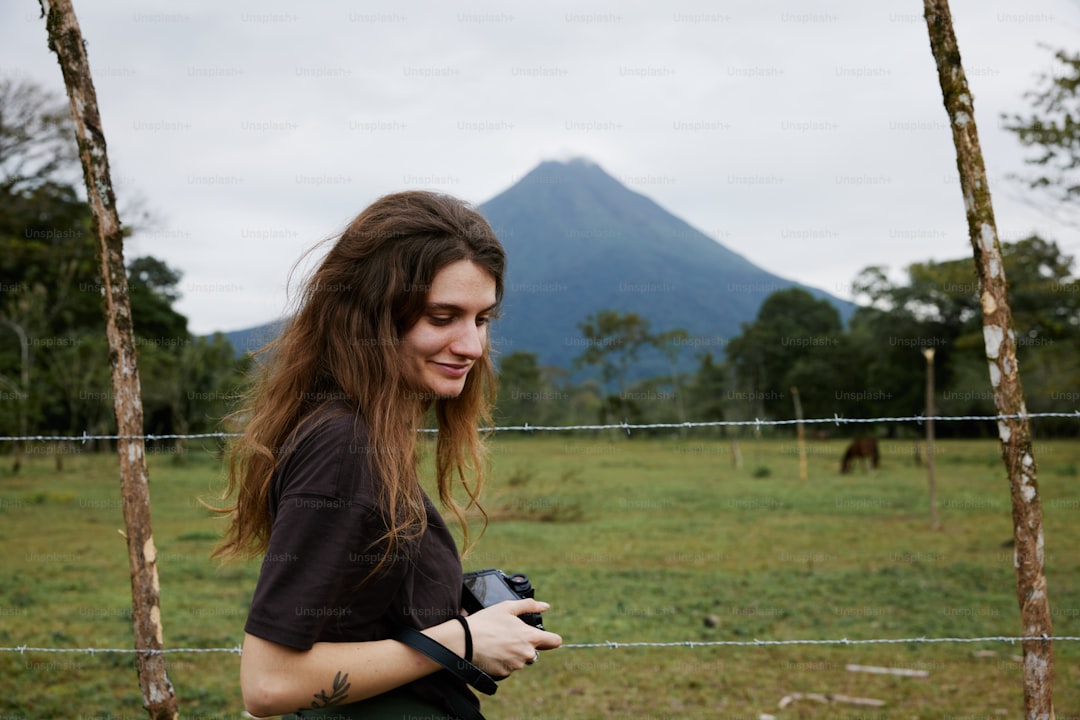
Let’s pause for a moment and look at how our food actually reaches the plate when we’re traveling through a place like Costa Rica. It’s easy to grab a meal at an eco-lodge and assume it’s just business as usual, but the reality is that the farm-to-table movement here is less of a marketing trend and more of a rigorous, operational commitment to local survival. I’ve spent time looking at the data, and it’s fascinating to see how rural cooperatives are coordinating logistics to ensure over 80 percent of the produce consumed at these lodges is sourced within a 50-kilometer radius of the property. This isn't just about reducing carbon footprints; it’s a deliberate economic strategy that keeps capital circulating within the community rather than leaking out to international supply chains.
Think about the sheer technical coordination required to make this happen consistently. Farmers are moving away from traditional monoculture, instead leaning into regenerative silvopastoral systems that integrate trees directly into cattle grazing lands. Research indicates this specific practice can boost soil organic carbon levels by as much as 20 percent compared to standard, industrial pasture management. By utilizing volcanic ash-rich soil and natural pest control, these growers are effectively maintaining the long-term health of their watersheds without the need for synthetic nitrogen fertilizers. Honestly, it’s a masterclass in land management that prioritizes durability over short-term yield spikes.
But there’s a human side to this that we really shouldn't overlook. Indigenous communities are currently revitalizing ancestral seed banks to preserve heirloom corn and bean varieties that have shown incredible drought tolerance during recent, unpredictable weather cycles. It’s a perfect example of how local knowledge serves as a buffer against climate volatility. When you consider that shifting toward organic certifications can raise the farm-gate price for smallholder coffee producers by an average of 35 percent, the incentive structure starts to make perfect sense. It’s not just about tradition; it’s about creating a viable, high-value market for people who know the land best.
Finally, we have to talk about how this approach creates a unique, hands-on experience for travelers. Agritourism has really taken off, allowing us to participate in the harvest of crops like heart of palm, which is managed for sustainable extraction so the plant remains intact. Even the integration of native stingless bees for pollination in the Central Valley is a brilliant, low-tech way to enhance yields while protecting local biodiversity from the collapse we see elsewhere. When you see these pieces fitting together, it’s clear that the country is building a system that’s designed to last. It’s a compelling blueprint, and honestly, I think it’s the only way forward for destinations that want to keep their soul while welcoming the rest of the world.
Ethical Wildlife Encounters: Prioritizing Animal Welfare Over Exploitation
Let’s be real for a second: we’ve all seen those travel photos where someone is holding a monkey or posing right next to a wild animal, and it’s easy to think it’s just a harmless souvenir. But after looking at the data, it’s clear that these interactions often come at a massive cost to the animals themselves. When we prioritize our own "perfect shot" over natural boundaries, we’re actually pushing those creatures into high-stress states that spike their cortisol levels and, over time, can even mess with their ability to breed or survive. It’s not just about the immediate moment; it’s about the long-term impact of turning a living thing into a piece of entertainment for our social media feeds.
I think the most important thing to wrap our heads around is that distance isn't a limitation—it’s a sign of respect. Scientific studies have shown that maintaining a buffer zone, especially with primates, is vital to stop the spread of human germs that these animals just aren't built to handle. When you choose to watch from afar, you’re not just being a tourist; you’re acting as a steward for the ecosystem, ensuring that your presence doesn't fundamentally change how a predator hunts or how a prey animal hides. It’s a bit like being a guest in someone’s home; you wouldn't walk in and start moving the furniture around, so why should it be different when we’re visiting the places these animals call home?
The shift we’re seeing globally toward banning things like elephant rides and direct-contact encounters is a massive step in the right direction, but it’s still just the beginning. I find it really encouraging that more experts are pushing for zero-contact policies where the goal is passive observation rather than an "up-close and personal" experience. When you look at the economics, it turns out that protecting an entire habitat actually creates more sustainable, high-value opportunities than keeping a few animals in pens for people to crowd around. Honestly, if we can change our mindset from "how close can I get" to "how much can I learn from observing this animal in its natural state," we’ll be doing a lot more for the world than any selfie ever could.
Regenerative Travel: How Visitors Can Leave a Positive Impact on Local Communities

Let’s pause for a moment and reflect on what we actually mean when we talk about traveling better. It is easy to think that simply avoiding a plastic straw or reusing a towel is enough to offset our footprint, but honestly, that is just damage control. If we really want to make a difference, we have to shift our perspective toward a regenerative model where our presence actively repairs the places we visit. Think about it this way: instead of just trying to "do no harm," we are looking at how our visit can function as a net-positive injection into the local ecosystem and the community’s social fabric. It is a big shift, but it is one that effectively turns a standard vacation into a genuine partnership with the destination.
One of the most practical ways to do this is by supporting initiatives that go beyond simple donations. For instance, many community-led reforestation projects now allow visitors to help plant native tree species that are scientifically proven to sequester carbon at much higher rates than traditional monoculture plantations. When you stay at a lodge that integrates circular waste management, your daily habits—like composting organic scraps—actually feed the soil for local farms, creating a closed-loop system that keeps nutrients right where they belong. We are also seeing a rise in "citizen science" travel, where tourists help collect data on migratory bird patterns or water quality, providing researchers with the ground-level information needed to influence regional conservation policy. It is a tangible, hands-on way to ensure your time there leaves a lasting, positive trace.
But it is not just about the environment; it is about the people who call these places home. When you buy goods directly from a community-run marketplace, that transaction does much more than just put a souvenir in your bag. It ensures that a significantly higher percentage of your money stays in the local economy, often boosting household income for artisans by up to 40 percent compared to buying from mass-market retailers. By choosing to engage in indigenous-led cultural exchanges, you are also playing a part in keeping traditional knowledge about land-use and medicinal plants alive, which is honestly a massive win for cultural preservation. When you start connecting these dots—the coral reef restoration you participated in, the local produce you ate, the micro-infrastructure you helped fund—you realize that travel can be a powerful engine for restoration rather than just a way to consume a view.
Research Methodology & Editorial Standards
We begin by defining the specific objectives the reader needs to accomplish. Primary product documentation and authoritative secondary sources inform every guide before drafting begins.
Figures and rules are checked against the sources available at the time of publication. Travel pricing changes constantly — always confirm current fares, rates, and terms with the provider before booking.