
The Growing Gap Between First Class Luxury and Economy Travel
When you look at the evolution of long-haul travel, it’s wild to think about how far we’ve moved from basic reclining chairs to the private, fortress-like suites we’re seeing today.
The Evolution of Premium Cabins: From Comfortable Seats to Private Suites
When you look at the evolution of long-haul travel, it’s wild to think about how far we’ve moved from basic reclining chairs to the private, fortress-like suites we’re seeing today. Honestly, the shift isn't just about fluff or marketing; it’s a masterclass in engineering that I think we often overlook when we're just trying to get some sleep. The weight of these new setups is a huge hurdle for airlines, because adding privacy doors and dedicated wardrobes can spike a seat assembly’s weight by over 20 percent compared to the open-style seats we used to fly. It’s a constant tug-of-war between offering you that "at-home" comfort and managing the fuel burn that keeps ticket prices so high.
If you’ve ever wondered why your mattress feels so much better than it did a few years ago, it’s likely because of those new pneumatic comfort systems. They’ve ditched the old foam that wore down after a few long-haul cycles in favor of air-filled chambers that you can actually adjust for firmness in real-time. Plus, designers are getting smarter with modular architecture, meaning airlines can swap out a busted cocktail table or ottoman during a quick maintenance stop without tearing the whole suite apart. It’s a massive upgrade in reliability that really matters when you’re relying on that seat to be your office and your bedroom for fifteen hours straight.
But what really changes the game for me is the focus on acoustic isolation and personalized climate control. Those suites with noise-canceling materials in the shell can drop cabin noise by about 5 decibels, which is a lot more noticeable than you’d think when you’re trying to catch some shut-eye. And instead of just relying on the general cabin air, we’re seeing localized airflow that targets your torso and feet, which is a huge win for anyone who’s ever spent a flight freezing or overheating. It’s pretty clear that as we move toward 2026, the industry isn't just trying to make seats bigger; they’re trying to build a self-contained environment that adapts to your body’s needs without you having to lift a finger.
The Shrinking Economy Experience: Why Basic Travel Has Become More Austere
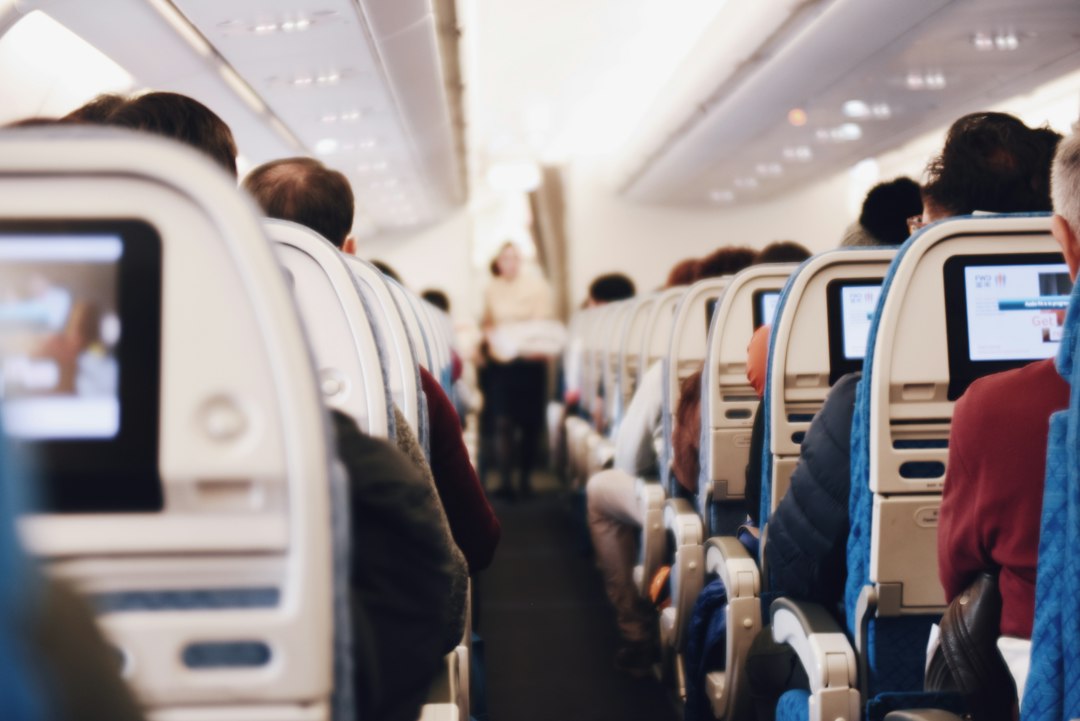
If you’ve felt like flying economy lately has become a game of musical chairs where the chairs keep getting smaller, you aren’t imagining it. When we look at the raw data, the shift is staggering; average seat pitch has dropped from 32 inches back in the early 2000s to as tight as 28 inches on many modern narrow-body jets. Airlines are using thinner, high-strength composite materials to shave off weight, which sounds great for fuel efficiency but leaves you sitting on significantly less padding than we were used to a decade ago. They’ve also moved toward 16.5-inch seat widths to squeeze in extra rows, prioritizing aisle clearance and overhead bin volume over your personal hip space. It’s a design philosophy that treats every square inch of the cabin as a unit of inventory rather than a place for a human to sit.
Then there is the quiet disappearance of the extras that used to make a flight feel like a service, not just a commute. Most airlines are ditching seat-back entertainment hardware entirely, saving up to 1,000 pounds per plane by betting that you’ll just bring your own phone or tablet. It’s a smart move for their bottom line, but it means those heavy wiring harnesses under your feet are gone, and so is the convenience of a dedicated screen. Even the galleys have changed, favoring shelf-stable, pre-packaged snacks over fresh meals to save on the weight of refrigeration gear and heavy service carts. You’ll also notice the seat-back pockets are often replaced by thin mesh netting or removed entirely to speed up cleaning cycles, which leaves you with nowhere to stash your water bottle or book.
The austerity doesn’t stop at your seat, either, as every facet of the cabin infrastructure has been trimmed to the bone. You’ve probably noticed the bathrooms feel like a closet; that’s because they’ve been physically shrunk to reclaim space for that extra row of passengers, complete with low-flow faucets that sometimes run dry on longer hauls. Even the materials have moved to synthetic thin-film leathers, which are admittedly easier for crews to wipe down but lack the breathability of the fabrics we used to have. When you combine this with the unbundling of seat selection, where you now have to pay extra just to avoid a middle seat, the base fare starts to look like a mirage. It’s a highly engineered, bottom-line-driven environment where the human element—your comfort—has been systematically offloaded to you.
The Sky-High Divide: How Airlines Prioritize High-Yield Business and First-Class Revenue
If you’ve been flying lately, you’ve probably noticed that the experience on the plane feels like two different worlds depending on where your seat is located. It isn't just a matter of extra legroom anymore; airlines are essentially running two separate businesses on the same aircraft to hedge against the constant pressure of rising fuel costs. By leaning into high-yield business and first-class revenue, carriers are creating a financial buffer that lets them insulate their most profitable flyers from the operational chaos that frequently disrupts the back of the bus. Think of it as a strategic wall built right behind the cockpit, where premium cabins now act as the primary engine for profitability while the rest of the plane struggles with razor-thin margins.
This shift has fundamentally changed how airlines view their inventory, leading many U.S. carriers to abandon traditional international first-class cabins in favor of high-density business suites. It might seem counterintuitive to cut a "top" product, but when you look at the math, these modern suites offer about 90 percent of that luxury experience while allowing the airline to pack more high-paying travelers into the same floor space. They’re using predictive data models to track everything from your lifetime value to your specific booking habits, which determines exactly who gets prioritized when a flight gets canceled or delayed. It’s a move toward a two-tiered system where the gap between cabins isn't just about the seat—it’s about a completely separate logistical path from the moment you hit the airport.
And honestly, the level of investment we're seeing in ground infrastructure for 2026 is staggering, with billions of dollars pouring into exclusive lounges that function like private terminals within the terminal. These spaces are designed to remove every friction point, shielding those high-yield passengers from security lines and crowded gate areas that the average traveler just has to deal with. Airlines are even moving toward modular cabin configurations, allowing them to adjust the ratio of premium to economy seats on a route-by-route basis based on real-time demand. It’s a calculated, bottom-line-driven approach that turns the luxury passenger’s journey into a seamless, protected loop, making it easier than ever to justify that massive price delta between the front and back of the aircraft.
Beyond the Seat: Differentiating Amenities That Define the Modern Luxury Experience
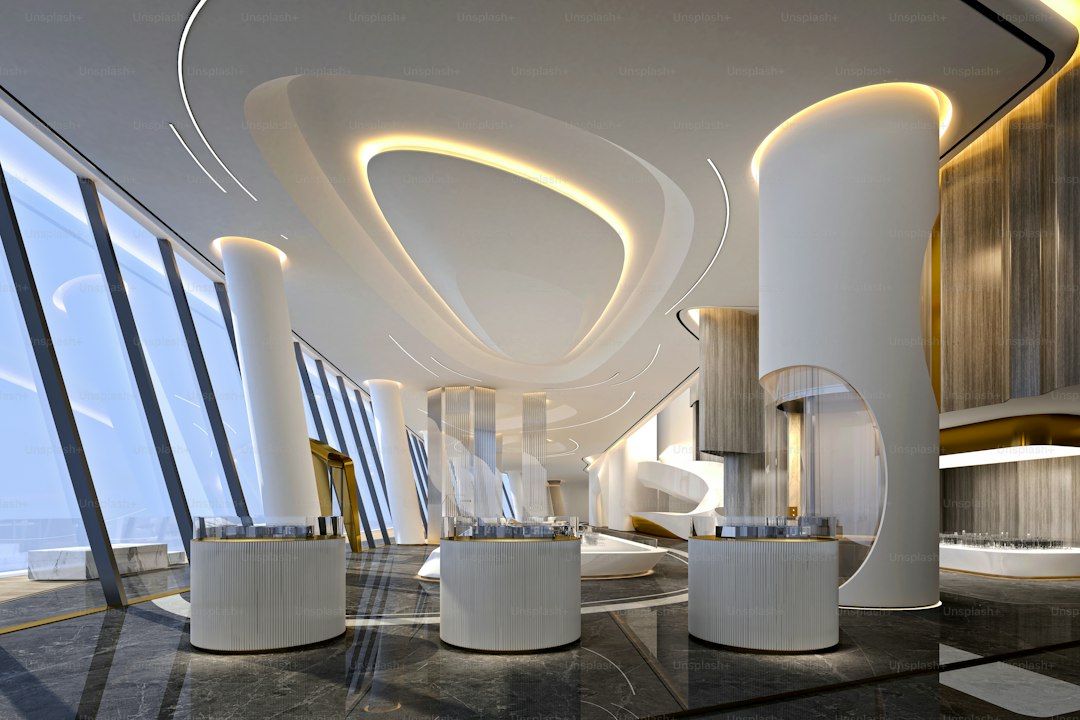
When you start looking at the modern luxury experience, it’s easy to focus solely on the seat, but I think the real magic happens in the periphery where airlines are quietly solving the friction points we’ve tolerated for decades. Think about it: the most elite carriers are now treating the cabin like a high-end hotel, using things like circadian-aligned lighting that shifts color temperature to actually fight off jet lag before you land. It’s not just about aesthetics; it’s a physiological intervention. We’re seeing a massive pivot where up to 15 percent of the cabin footprint is being dedicated to social spaces or walk-up bars, which effectively breaks the monotony of being tethered to your assigned suite for the duration of a long-haul flight. It’s a total shift in philosophy where the airline stops viewing your journey as a static seat assignment and starts treating it as a dynamic environment.
Here’s where the engineering gets really impressive, especially if you’re a fan of data-driven comfort. Carriers are now deploying artificial intelligence to predict your meal preferences based on your travel history, ensuring your preferred dish is loaded long before you step on the plane, which essentially eliminates that "chicken or pasta" anxiety. They’re also upgrading the galleys with professional-grade induction steamers that finally give us restaurant-quality textures at 35,000 feet, moving light-years beyond the dried-out casseroles of the past. And honestly, the connectivity piece is just as critical; airlines are now dedicating high-bandwidth satellite lanes exclusively for premium passengers, meaning you can actually hold a stable video conference while the rest of the cabin struggles with basic page loads. It’s a tiered digital infrastructure that turns the aircraft into a genuine office-in-the-sky.
But maybe the most tangible upgrades are the ones that lean into privacy and human interaction. I’ve noticed more airlines rolling out modular privacy glass that goes from transparent to opaque with a single touch, which is a massive win when you just need to shut out the world. At the same time, the service itself is evolving, with crews undergoing hospitality training that looks more like a five-star hotel concierge program than traditional flight safety training. When you combine that with biometric lounge entry that cuts wait times to under ten seconds, you start to see that the "luxury" isn't one big feature, but the sum of these tiny, frictionless moments. It’s a calculated, high-touch strategy that makes the price gap feel a lot more justified than it did even a few years ago.
The Impact of Cabin Segmentation on Passenger Comfort and Airline Profitability
Let’s talk about why your flight experience feels like it’s being surgically dismantled and rebuilt right before your eyes. It’s no secret that the way airlines carve up their cabins has moved beyond simple curtain dividers into a high-stakes game of financial engineering. If you look at the numbers, it’s wild: those premium suites, which barely take up a third of the aircraft’s floor space, are now pulling in nearly 70 percent of total flight revenue. It’s a massive shift that forces airlines to prioritize the front of the plane as their primary engine for profit, effectively creating two entirely different businesses operating at 35,000 feet.
But here is the catch that I think we really need to look at: this isn't just about giving you a nicer chair. Carriers are now using modular configurations that let them shift partition walls between flights, allowing them to flip the script on how many business or economy seats are available based on who is actually booking that route. They’re also relying on predictive AI to squeeze every cent out of the "yield per seat," tracking your habits to decide exactly what kind of upgrade offer pops up on your screen. It’s a calculated, data-driven environment where the goal is to keep that luxury experience seamless while the rest of the plane is managed for the thinnest of margins.
Honestly, the engineering behind this is both impressive and a little stressful. Because these premium suites are so packed with motorized doors and complex tech, they’ve become a maintenance nightmare; a single mechanical failure can wipe out the profit margin for that seat for an entire quarter. That’s why you’re seeing such a push for lightweight carbon-fiber composites—they’re trying to keep the weight down to protect fuel efficiency while still making the cabin feel like a private sanctuary. It’s a balancing act that’s completely transformed air travel into a tiered system, where your comfort is now explicitly tied to how much you’re willing to pay to escape the logistical bottlenecks of the standard boarding experience.
Navigating the Future of Air Travel: Is the Gap Between Classes Reaching a Breaking Point?
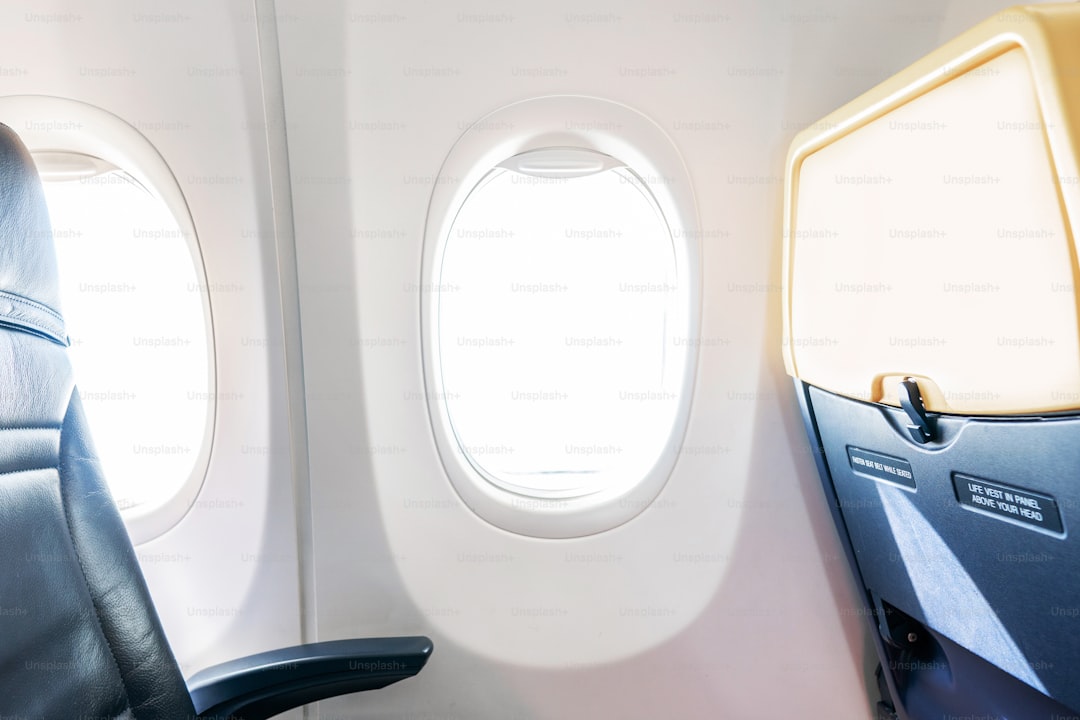
When you look at the trajectory of modern aviation, it’s easy to focus on the flashy hardware, but I think we’re ignoring the quiet, structural divide that’s literally baked into the airframe. We’ve reached a point where airlines aren't just selling a seat; they’re operating two entirely different physics problems on the same plane. Think about those adaptive cabin pressure systems and localized air curtains that keep premium sections at a lower effective altitude, actually reducing physical fatigue for the few while the rest of the cabin deals with the standard, higher-pressure environment. It’s a level of physiological segmentation we haven’t seen before, and honestly, it makes me wonder how much longer this can be sustained before it hits a wall.
And it’s not just the air you’re breathing; it’s the data-driven reality of your flight. Airlines are now using predictive load-balancing software that shifts the aircraft’s center of gravity in real-time based on the weight distribution of these massive premium suites. It’s a wild bit of engineering, especially when you consider that the power required for things like smart-glass privacy and high-speed satellite arrays is so immense that it necessitates dedicated auxiliary power units just for the front of the plane. Meanwhile, those of us in the back are dealing with staggered headrests and thinner seats, all part of a design effort to squeeze in one more row while the weight savings from new thermoplastics are immediately eaten up by the tech demands of the premium section.
The more I look at the data, the more it feels like the gap isn't just widening—it's being hard-coded into the infrastructure. We’re seeing a tiered digital experience where multi-beam satellite switching prioritizes bandwidth for premium suites, essentially giving them a high-speed office while the rest of the plane struggles with high-latency connections. Even the maintenance side is shifting, with modular health-monitoring sensors now triggering alerts so ground crews can fix a suite's mechanical failure before the plane even lands. It’s an impressive, high-tech dance, but it leaves me questioning if we’re drifting toward a future where the actual flight experience is so fundamentally different that we’re effectively flying on two different types of aircraft.
Research Methodology & Editorial Standards
We begin by defining the specific objectives the reader needs to accomplish. Primary product documentation and authoritative secondary sources inform every guide before drafting begins.
Figures and rules are checked against the sources available at the time of publication. Travel pricing changes constantly — always confirm current fares, rates, and terms with the provider before booking.