
Riding the Elephant Express through the wild landscapes of Zimbabwe
When you think about a safari, your mind probably goes straight to those cramped, bouncing 4x4s.
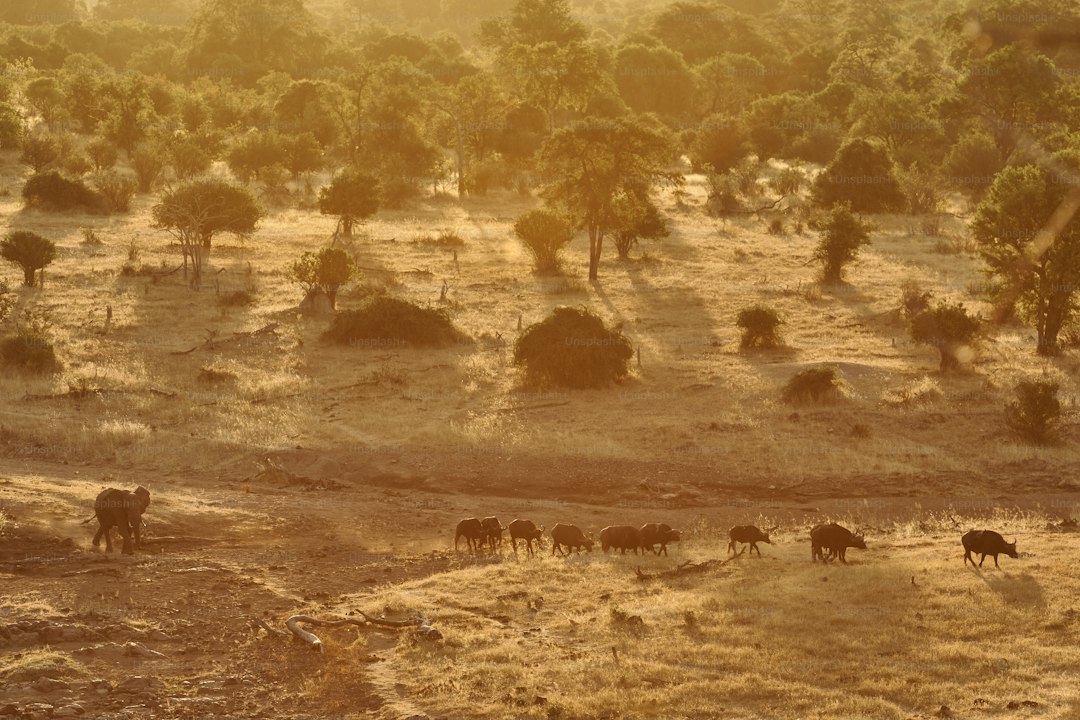
Tracking Wildlife from the Tracks: An Introduction to the Elephant Express
When you think about a safari, your mind probably goes straight to those cramped, bouncing 4x4s. But the Elephant Express in Zimbabwe’s Hwange National Park flips that entire script by using an 80-kilometer stretch of existing rail line to put you right in the middle of the bush. It’s a fascinating pivot from industrial transit to low-impact tourism. Instead of carving out new roads that fragment the habitat, this service just reuses what’s already there. It’s honestly one of the smartest ways to move people through a protected area without leaving a massive footprint.
The real magic here is the pace. Because the train isn't trying to win any speed records, you get this incredible, slow-motion view of the landscape that you just can't replicate in a car. The open-sided carriages give you a completely unobstructed perspective, which is perfect for watching herds congregate around the waterholes that sit right near the tracks. It’s not just about seeing the animals; it’s about observing them in a space where they’ve actually grown accustomed to the train’s predictable, gentle rhythm.
If you compare this to the tragic, high-speed rail accidents we see reported in other parts of the world, the difference is night and day. Where other regions are scrambling to install AI sensors and emergency alerts to stop collisions, Hwange’s model works because the transit is slow, deliberate, and consistent. It minimizes the shock to the wildlife's natural patterns. You’re essentially a quiet observer in their living room, rather than an intruder barreling through their migratory path. Honestly, it’s a masterclass in how we can use old infrastructure to support better, more thoughtful travel.
Navigating the Wilderness: The Route Between Hwange Main Camp and Ngamo
When you’re staring out from the Elephant Express between Hwange Main Camp and Ngamo, you’re not just watching the bush roll by; you’re actually traversing a fascinating ecological transition zone. This stretch acts as a bridge where the deep Kalahari sands of the west finally surrender to the dense mopane woodlands, a shift that dictates exactly where the big elephant bulls choose to wander. The track itself sits elevated above the seasonal pans, so it functions as a natural path of least resistance for animals trekking between the park’s northern and southern reaches. I’ve noticed that because the rail line avoids the deep, black-cotton soils that turn into swampy traps during the rains, it stays remarkably stable, which is probably why it remains the most reliable artery for wildlife moving through this specific sector.
Think about the way these animals react to the train versus a standard safari vehicle. We’ve seen that the low-frequency rumble of the carriages doesn’t trigger the same flight response as the erratic, high-frequency noise of a 4x4 engine, meaning you’re often seeing animals acting completely unbothered just a few meters away. As you cut through the Linkwasha Concession, you’ll pass near the Kennedy vlei systems, which are effectively the heart of the park’s groundwater recharge. Because this route crosses several drainage lines feeding the Gwayi River catchment, the vegetation here stays greener and more nutrient-dense than in the dry interior, acting like a magnet for plains game even when the rest of the park is struggling under the sun.
When you reach the Ngamo terminus, you’re basically standing at the eastern edge of Hwange where the wild habitat bumps up against communal lands, making this corridor a critical buffer zone. It’s wild to think that during the winter months, this rail easement serves as a literal highway for nocturnal predators, who find it much easier to patrol the open line than to fight through the scrubland in the dark. Because the train doesn't make frequent stops, the wildlife doesn't get conditioned to view it as a source of food or a threat, which preserves a much more authentic predator-prey dynamic than you’d ever see on the heavily trafficked tourist road networks. It is honestly one of the most underrated ways to see how the geography of a park actually dictates the survival strategy of every creature living there.
Uninterrupted Views: Why Rail Travel is the Ultimate Safari Experience
When you think about a safari, you probably picture the constant, jarring bounce of a 4x4, but rail travel really changes the entire equation of how we interact with the bush. Let’s pause for a moment and reflect on that: by moving along a fixed, elevated track, you’re not just a passenger, but a quiet observer in a space where the wildlife has already learned to coexist with a predictable rhythm. The elevation of the rail track itself offers a massive advantage, providing a line of sight that clears dense scrub in a way that’s physically impossible from the low-slung seats of a traditional cruiser. Because the train moves at a steady, gentle pace, you’re not masking the environment with combustion noise, allowing you to hear the subtle, low-frequency vocalizations of elephants that usually get lost behind a loud engine. It’s a completely different sensory experience that brings you closer to the heartbeat of the park.
And frankly, the logic behind this goes way beyond just a better view. Think about it this way: when you’re in a vehicle that can swerve or stop at will, you become an unpredictable variable that causes animals to react with defensive posturing or flight. In contrast, the train’s consistent, non-deviating path allows larger mammals to habituate to its presence, which has been shown to reduce their stress markers significantly compared to the chaos of off-road tourist traffic. Plus, the engineering here is surprisingly elegant. The open-sided carriages use simple physics to circulate air, and because the load is distributed across established sleepers and ballast, you aren't compacting the soil or tearing up the delicate root systems of the vlei ecosystems like tires do. It’s a form of travel that feels almost invisible to the habitat.
But what really stands out to me is how this creates a unique, living corridor for the animals themselves. Because the rail line isn't constantly cleared or paved like a road, it actually fosters a linear biodiversity hotspot where edge-loving plants thrive, creating a reliable food source for browsers throughout the year. It’s efficient, too, as the low-friction contact of wheel on rail burns about 70 percent less fuel per person than the constant braking and acceleration of a safari jeep. You’re left with a journey that feels more like a seamless extension of the landscape rather than a forced intrusion. Honestly, once you’ve experienced the stillness of watching a herd from the deck of a train, it’s hard to go back to the frantic energy of a standard game drive. It’s not just about getting from point A to point B; it’s about finally seeing the ecosystem exactly as it is, undisturbed and at peace.
Encounters in the Bush: What Animals You Can Expect to See En Route
When you’re tracking wildlife from the Elephant Express, you’ll quickly notice that the rail corridor functions as much more than just a transit line; it’s a living, breathing ecological bridge. Because the train moves with such a steady, predictable rhythm, you get to see species like the sable antelope—which are usually incredibly shy—lingering near the tracks to reach mineral-rich pans that remain inaccessible to the average tourist. I’ve found it fascinating how roan antelope similarly congregate along these drainage lines during the dry season, as the maintenance of the rail edges prevents woody scrub from choking out the short-grass forage they rely on. You really start to see the landscape as a series of strategic zones rather than just a blur of trees.
What’s even more striking is how the rail line supports specialized predators that you’d rarely spot from a bouncing 4x4. The African wild dog, for instance, often uses the easement as a navigational aid, and because the train lacks the aggressive, erratic engine noise of a jeep, these packs frequently continue their patrols without a second glance at the carriages. You’ll also see smaller, more secretive creatures like the aardwolf or the side-striped jackal thriving in these edge-effect zones, hunting termites or scanning for prey in the twilight without the blinding disruption of artificial spotlights. It’s a completely different level of observation that makes you feel like a fly on the wall in their private world.
And don’t overlook the smaller details closer to the ground, because that’s where the real story of the ecosystem unfolds. You’ll see red-billed oxpeckers calmly finishing their work on host mammals as you pass, a level of comfort that only exists because the animals don’t perceive the train as a threat. The embankment itself even plays a structural role for giants like the kori bustard, which needs that long, cleared corridor for its heavy takeoff, or the giant bullfrog, which relies on the unique runoff patterns created by the track to survive. It’s honestly a masterclass in how subtle, non-intrusive infrastructure can actually harmonize with the bush instead of fighting it. You aren’t just looking at animals; you’re witnessing the quiet, efficient reality of how they move through their home.
Practical Tips for Booking Your Zimbabwean Rail Adventure
Booking your spot on the Elephant Express is a bit of a departure from your standard online travel agency experience, so you’ll want to coordinate directly with the private operators rather than the national rail authority. Since this service operates through a specific public-private partnership focused on conservation, the booking process is intentionally kept small-scale to respect the park’s strict carrying capacity limits. I’d suggest reaching out well in advance to secure your seat, as they cap visitor numbers to ensure you aren't disrupting the megaherbivores. When you’re choosing where to sit, try to request a spot in the lead carriage; the vibration here is significantly lower, which makes a massive difference if you’re trying to keep a heavy telephoto lens steady.
And here’s a pro tip from the engineering side of things: because there aren't any overhead power lines, the environment is totally free of electromagnetic interference. If you’re into nature recording, this is the perfect setup to capture those low-frequency infrasound calls elephants use to communicate across the bush. I’d also recommend aligning your travel dates with the moon phase if you can, as the open tracks offer incredible visibility for spotting nocturnal predators that you’d never catch from a cramped jeep. Just make sure you plan to arrive at the departure point at least ninety minutes early, as you’ll need to clear the local ecological monitoring checkpoints that keep track of human activity in the buffer zone.
Don’t be surprised if your booking confirmation feels a little more fluid than usual, especially during the wetter months. The entire route is engineered around drainage systems meant to handle heavy runoff, and the operators are rightfully cautious about track integrity when the weather turns. It’s a bit of a quirky logistical dance, but that’s exactly why the service works so well; it’s designed to be a guest in the landscape rather than a master of it. The carriages themselves are even modular, allowing the team to adjust weight distribution to keep the train’s center of gravity stable on the historic sleepers. It really makes you appreciate the thought that goes into keeping this experience low-impact.
Sustainable Tourism: How the Elephant Express Supports Local Conservation Efforts
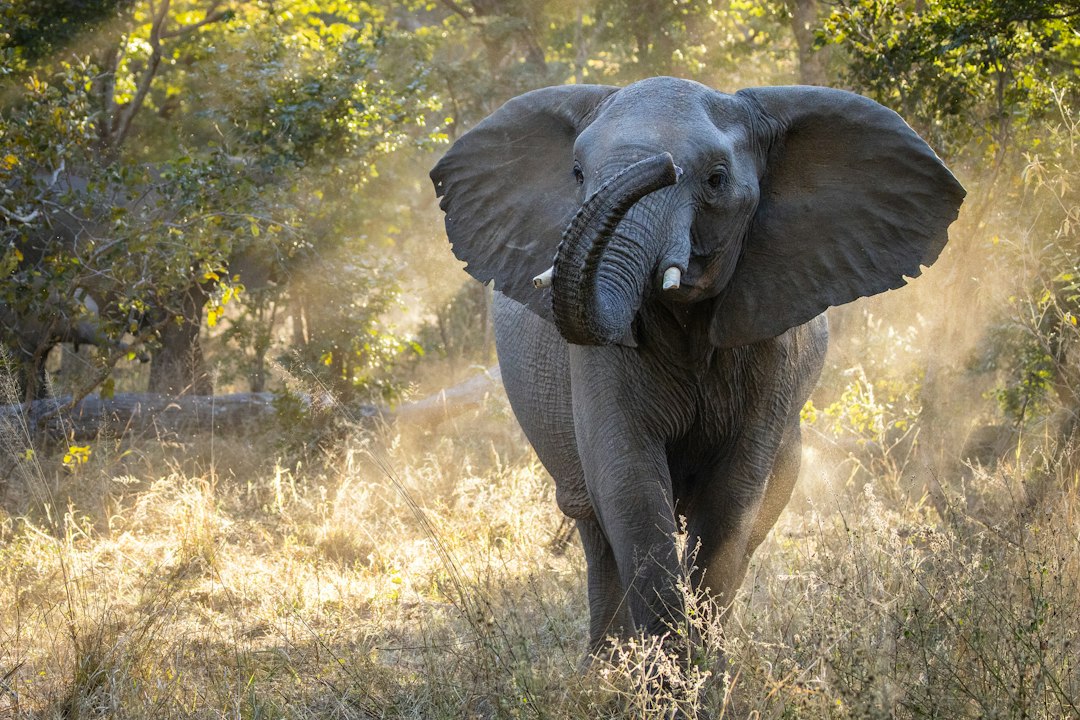
Let’s pause for a moment to consider why this specific rail line is so much more than just a novelty for travelers. When you look at how we’ve historically moved through protected areas, we usually rely on heavy, off-road vehicles that churn up the soil and create unpredictable noise, but the Elephant Express flips that entire model on its head. By repurposing this existing rail infrastructure, the service avoids the massive carbon footprint of building new roads, while the train’s load-bearing design keeps the weight distributed across established sleepers to protect the fragile root systems beneath. It’s honestly a masterclass in low-impact transit, and because the wheels aren't constantly tearing into the terrain, the local ecosystem remains largely undisturbed by our presence.
And it goes deeper than just protecting the ground; the train actually acts as a silent partner in the park's wider conservation efforts. Since the carriages move with such a predictable, gentle rhythm, they don’t trigger the frantic flight responses you see with standard safari jeeps, allowing researchers to capture incredibly clear bioacoustic data on elephant communication without any annoying engine interference. It’s fascinating to see how the local predators have actually adapted, shifting their own hunting patterns to account for the train’s schedule as if it were just another neutral element of their environment. Plus, the rail corridor itself functions as a vital firebreak, keeping brushfire intensity down while providing a steady, eyes-on vantage point for anti-poaching units patrolling the central zone.
Think about the way this structure supports the park’s long-term health. By keeping human traffic confined to this single, non-deviating line, the park authorities have successfully minimized the total footprint of tourism within the Linkwasha Concession, which is a huge win for maintaining a truly wild habitat. The lack of harsh, artificial lighting on the carriages is another thoughtful touch, as it leaves the night sky dark and keeps nocturnal hunting behaviors exactly as they should be. It’s also worth noting that the revenue generated from your ticket isn't just disappearing into corporate pockets; it’s funneled directly into a public-private partnership that funds the maintenance of these critical wildlife corridors. It’s refreshing to support an operation that treats the land as a home to be respected rather than a playground to be conquered.
Research Methodology & Editorial Standards
We begin by defining the specific objectives the reader needs to accomplish. Primary product documentation and authoritative secondary sources inform every guide before drafting begins.
Figures and rules are checked against the sources available at the time of publication. Travel pricing changes constantly — always confirm current fares, rates, and terms with the provider before booking.