
Must Have Dual Voltage Hair Tools to Pack for Your European Summer Trip
I’ve spent enough time troubleshooting fried electronics in hotel rooms to know that the excitement of a European trip can vanish the second you smell burning plastic.

Why Dual-Voltage Tools Are Non-Negotiable for European Travel
I’ve spent enough time troubleshooting fried electronics in hotel rooms to know that the excitement of a European trip can vanish the second you smell burning plastic. Let’s talk about why dual-voltage tools aren't just a suggestion, but a requirement for your packing list. If you plug a standard 110V North American hair dryer into a 230V European outlet, you’re essentially feeding the device double the voltage it was built for. Thanks to Ohm’s Law, that jump in voltage causes the power output to quadruple, which usually ends with a vaporized heating filament or a melted casing. Most people mistakenly think a plug adapter solves this, but it only changes the physical shape of the prongs; it does absolutely nothing to regulate the actual electrical potential flowing into your device.
The reality is that high-wattage heating tools are the most vulnerable items you’ll carry because they rely on fixed resistors rather than the smart switching power supplies found in your phone charger. You might be tempted to look into a step-down transformer, but frankly, those are bulky, heavy, and rarely rated for the 1500 to 2000 watts that a hair dryer demands. Even if you found a transformer that could handle the load, you’d still be dealing with the 50Hz frequency difference, which often causes motors to run sluggishly and overheat regardless of the voltage conversion. I’ve seen enough "travel-ready" devices turn into expensive paperweights because internal fuses tripped the moment they met a European grid, essentially bricking the tool permanently.
Honestly, it’s not worth the risk of turning your morning routine into a genuine fire hazard. When you try to force a single-voltage tool to run on a 230V circuit, the internal thermal cut-off switches—which are calibrated for 110V—simply can’t react fast enough to stop the core from melting. This leads to degraded insulation and potential short circuits right there in your hand. By opting for a proper dual-voltage tool, you’re ensuring the device maintains its intended resistance profile, which lets it heat up safely and efficiently without pushing its internal components past their breaking point. It’s a simple shift in how you prepare, but it saves you the massive headache of hunting for a replacement at an airport kiosk or dealing with a scorched bathroom vanity.
The Essential Difference Between Voltage Converters and Plug Adapters
Let’s clear up the confusion between plug adapters and voltage converters because, honestly, getting this wrong is the fastest way to ruin your favorite hair tools. Think of a plug adapter as a purely mechanical bridge; it’s just a piece of plastic and metal that lets your North American prongs fit into a European socket. It doesn’t change the electricity at all, which means if you plug a 110V device into a 230V outlet, you’re still pushing double the voltage through your gear. It has zero active circuitry to protect your tech, so it’s only useful for devices that already support dual voltage.
On the other hand, a voltage converter is a piece of actual hardware—often heavy due to internal transformers—that physically steps down the electrical potential to match your device. While that sounds like the perfect solution for everything, it’s not exactly a magic fix. Many cheaper converters output a jagged square wave rather than the smooth sine wave your electronics expect, which can wreak havoc on sensitive components. Plus, these converters don't fix the frequency difference between 50Hz and 60Hz, meaning motors or clocks might still run sluggishly or overheat regardless of the voltage change.
And here’s a pro tip that’ll save you some serious weight in your carry-on: always check the label on your tool first. If you see "100V-240V" printed on the device, you don’t need a converter at all because it’s already built to handle the global standard. In that case, using a converter is actually redundant and might even interfere with the device's own internal regulation. Stick to a simple, compact plug adapter for those dual-voltage items, and leave the heavy, complicated converters at home unless you’re absolutely certain your specific tool requires one.
Top-Rated Compact Hair Dryers for Salon-Quality Results on the Go
When you’re staring at a cramped hotel bathroom counter, you quickly realize that the bulky dryer you use at home just isn’t going to cut it. I’ve spent years analyzing how these tools bridge the gap between portable convenience and professional results, and honestly, the shift toward high-speed, brushless DC motor technology has completely changed the game. These modern, compact units can spin at over 100,000 RPM, which allows them to generate serious airflow without the massive barrels that used to be a non-negotiable requirement for power. It’s a massive upgrade from the heavy, underpowered travel models of the past that mostly just blew warm, static-filled air at your head.
Here’s what I think really matters when you’re comparing these: look for features like ceramic or tourmaline-coated grilles that emit negative ions to break down water droplets faster. It sounds like a marketing gimmick, but the science holds up because it actually accelerates drying time and keeps frizz in check while you're on the move. I’m also a big fan of the models that use intelligent heat sensors, which adjust the temperature dozens of times per second to prevent you from accidentally frying your hair. Plus, the newer designs use thermal-resistant polymers that keep the housing cool to the touch, which is a lifesaver when you’re packing up immediately after a rush-hour styling session.
If you’re wondering about the actual mechanics of how they achieve that "salon" feel, it comes down to the concentrated nozzle design using the Bernoulli principle to boost air velocity. You’re essentially getting the performance of a high-end salon tool in a chassis that fits into a carry-on, often with smart magnetic attachments that won't snap off in your suitcase. I’d suggest prioritizing models with a proper cold-shot button as well, since that’s the secret to locking in your cuticle structure once you’ve finished drying. It’s all about finding that sweet spot where weight, noise reduction, and output finally align, so you don't have to compromise on your routine just because you're away from home.
Versatile Dual-Voltage Straighteners and Curling Irons for Every Hair Type
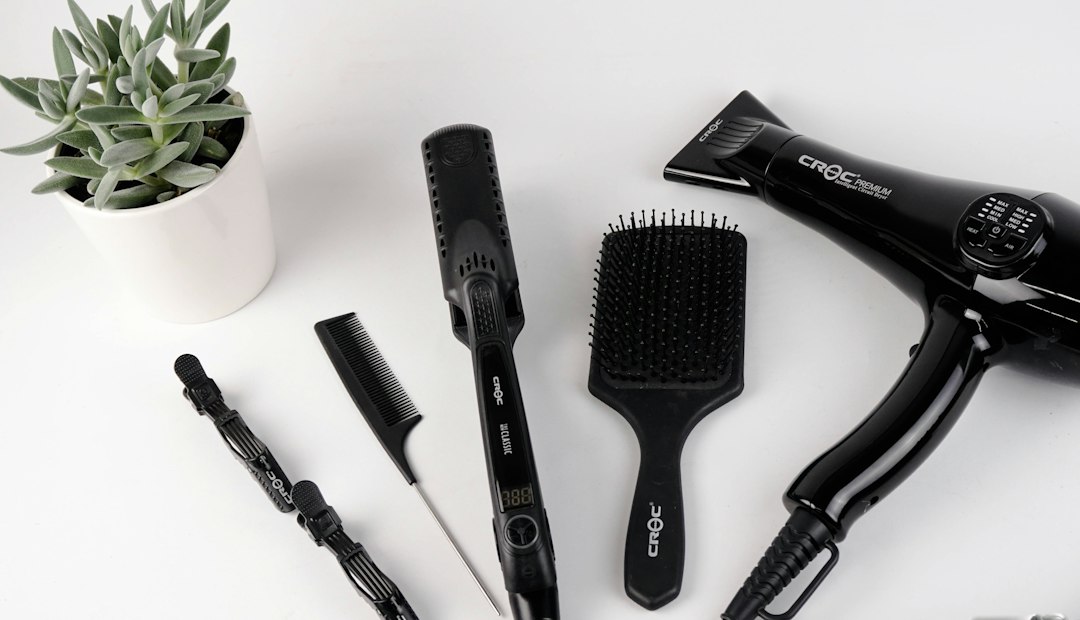
When you’re packing for a trip abroad, the last thing you want is for your hair tools to become the weak link in your routine, especially when you’re dealing with the humidity of a European summer. I’ve found that the real secret to maintaining that salon-level finish on the road isn't just about bringing your favorite gear, but specifically sourcing dual-voltage tools that don't sacrifice performance for portability. Let's look at the tech: the best modern straighteners now use MCH heating elements, which reach temperature about 50 percent faster than the old-school heaters we used to rely on, ensuring you aren't wasting precious vacation time waiting for plates to heat up. And if you have thicker hair, you’ll definitely want to lean toward titanium-plated models; they offer much higher thermal conductivity than standard ceramic, meaning they stay hot and consistent even when you're pulling through moisture-dense sections.
But it’s not just about raw heat. I’m a huge advocate for tools that use floating plates mounted on elastic silicone or spring systems, which actually tilt to adjust to your hair’s thickness and prevent those annoying snags. If you struggle with static or frizz, look for plates infused with crushed tourmaline, which naturally generates negative ions to neutralize your hair, or even those with nano-silver coatings to keep the glide buttery smooth. The engineering here is honestly impressive, with digital microprocessors monitoring plate temperatures up to 60 times per second to keep heat stable. This is a game-changer because it stops those localized hotspots that can cause real damage to your hair cuticle, a problem that’s often exacerbated when you're using lower-quality travel appliances.
The versatility of your kit really comes down to the design of the housing itself. I always tell friends to look for tools with a rounded barrel, which lets you use the exterior heat to set curls, effectively turning one tool into both a straightener and a curler. For the safety-conscious, many of these newer, high-end dual-voltage models now include built-in accelerometers that trigger an auto-sleep mode if you happen to leave them on in a rush. Plus, manufacturers are finally using materials like reinforced carbon fiber or magnesium alloys to shave off weight without losing that professional-grade durability. It’s pretty clear that the technology has caught up to the demands of the modern traveler, so you really don't have to compromise on your style—you just need to be pickier about the hardware you throw in your suitcase.
How to Identify and Verify Dual-Voltage Compatibility Before You Pack
To figure out if your gear will survive your trip, you’ve got to start by playing detective with the technical labels on your devices. You’ll usually find these specs in tiny, molded lettering near the base of the handle or right by the plug, and you’re specifically looking for an input range that clearly says 100V-240V. If that label just lists 110V or 120V, stop right there—it’s not meant for the European grid, and forcing it to work is a recipe for a fried motor or a blown fuse in your hotel bathroom. Don’t just glance at the exterior and assume a modern, sleek design means it’s built for international travel; you really need that explicit voltage range printed on the hardware to be certain.
While you're checking those numbers, don't ignore the frequency rating, which should ideally show 50/60Hz to handle the European electrical standard. A device built only for the 60Hz frequency used in North America will often struggle with the 50Hz grid in Europe, causing internal fans or motors to run sluggishly and build up dangerous levels of heat. It’s also worth noting that even if a tool is dual-voltage, some require you to manually toggle a switch, which is a major point of failure if you accidentally leave it on the wrong setting while packing. Personally, I’d always suggest looking for devices that feature automatic voltage sensing, as they take the guesswork out of the equation entirely by adjusting the internal resistance on their own.
If the markings are worn down or you’re just not convinced by what you’re seeing, take an extra five minutes to pull up the manufacturer’s manual on your phone before you head to the airport. It’s far better to confirm these details from a reliable source than to rely on the "it'll probably be fine" approach, which usually ends with you scouring a foreign mall for a replacement hair dryer. Remember that the CE mark on your device just means it meets European safety standards—it doesn't actually guarantee that your specific tool is dual-voltage, so keep digging until you find the exact electrical specs. Once you've finally verified everything, just keep in mind that you'll still need to bring a physical plug adapter to bridge the gap between our flat North American blades and those standard European round-pin sockets.
Smart Packing Tips to Keep Your Hair Tools Safe and Organized
Storing your hair tools in dedicated silicone sleeves is a game-changer for safety because these heat-resistant materials can withstand temperatures up to 450 degrees Fahrenheit, which means you don't have to wait an hour for your straightener to cool down before hitting the road. I’ve found that professional-grade heat mats with textured, non-slip surfaces are the best bet here since they double as a protective wrap that stops your tools from sliding around and banging into your other gear. To keep those internal electrical connections from snapping, always use a simple hook-and-loop cable tie instead of wrapping the cord tightly around the barrel, as that constant tension inevitably leads to internal wire fatigue. And honestly, keep your tools out of vacuum-seal bags; they might save space, but they trap residual heat and can become a genuine fire hazard if you’ve packed up in a rush.
When you’re actually loading up your suitcase, try placing your hair tools in the center of your clothing layers to create a natural buffer zone that absorbs physical shocks during those inevitable baggage tosses. I always suggest keeping a small, rigid-sided vanity case for your delicate magnetic nozzles or diffuser heads, as that’s the only real way to keep them from getting crushed by your shoes or heavier electronics. If you travel with a full kit, color-coding your cable ties is a tiny detail that saves you from rummaging through your bag when you’re already running late for dinner. It’s also worth noting that if you’re heading somewhere humid, a quick wipe down with a silicone-based spray can help protect metal parts from early oxidation, keeping your gear in top shape for the long haul.
Finally, think about your workflow when you land; keeping your plug adapters in a dedicated mesh pouch ensures they don't migrate to the bottom of your bag where you can't find them. If your tools have removable handles or a collapsible design, tucking them into a padded microfiber bag is the best way to prevent scratches while keeping everything in one place. And look, I know it’s tempting to toss everything into your checked luggage to save space, but keeping your hair tools in your carry-on is the only way to avoid the extreme temperature swings in the cargo hold that can wreck sensitive electronics. Taking these extra few minutes to pack with intention isn't just about being organized—it’s about making sure your gear actually works the moment you step into your hotel room.
Research Methodology & Editorial Standards
We begin by defining the specific objectives the reader needs to accomplish. Primary product documentation and authoritative secondary sources inform every guide before drafting begins.
Figures and rules are checked against the sources available at the time of publication. Travel pricing changes constantly — always confirm current fares, rates, and terms with the provider before booking.