
Important Legal Changes For LGBTQ Travelers Visiting Popular Safari Destinations
It sets a standard that is honestly miles ahead of most of its neighbors, and it’s the primary reason it remains the most popular safari destination for many travelers who want peace of mind.
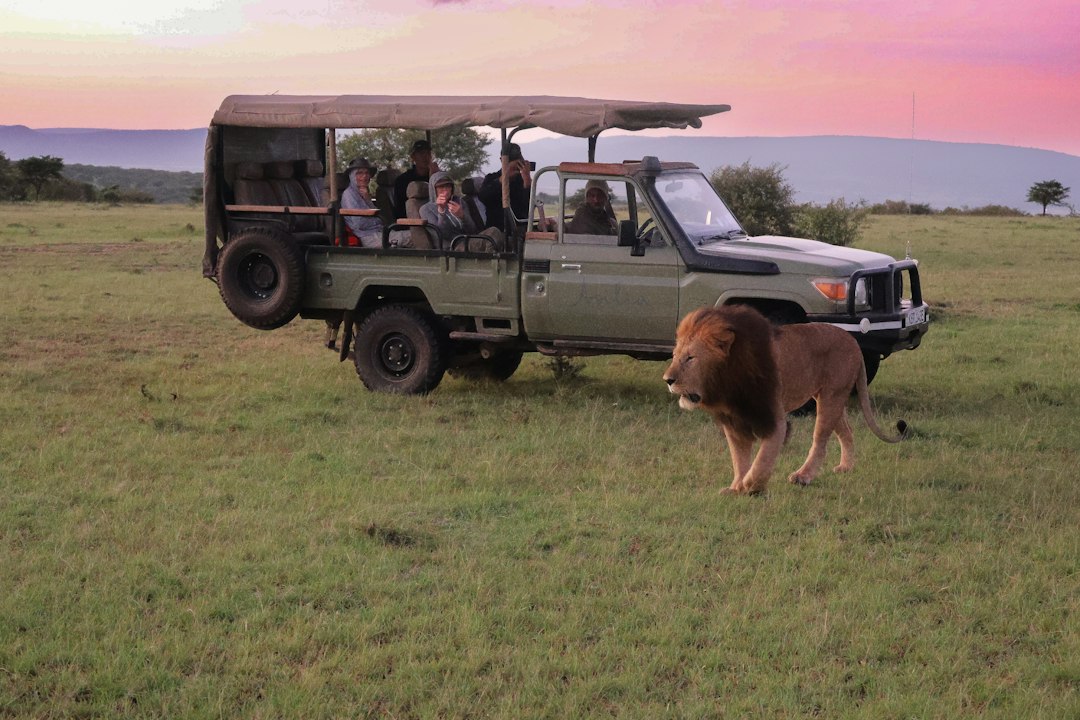
Understanding the Legal Landscape for LGBTQ+ Travelers in Africa
When you start looking at the legal map for LGBTQ+ travel across Africa, you quickly realize it is anything but a monolith. I find it helpful to think about the continent as a series of distinct zones rather than one singular experience, because the risks and protections change drastically depending on where you land. South Africa really stands alone here, being the only nation on the continent to bake full constitutional protections against discrimination based on sexual orientation right into its 1996 charter. It sets a standard that is honestly miles ahead of most of its neighbors, and it’s the primary reason it remains the most popular safari destination for many travelers who want peace of mind.
On the other hand, you have countries like Botswana, Mozambique, Angola, and the Seychelles that have made massive, tangible progress in recent years by scrubbing away colonial-era penal codes. It’s fascinating to watch these legal shifts happen, like Botswana’s 2019 High Court victory that finally tossed out old anti-sodomy laws, or Angola’s 2021 code update that explicitly banned discrimination. Cape Verde is another bright spot in West Africa that doesn't get enough credit for its progressive stance on employment rights. But even in these places, it’s not always a perfect picture; Mauritius, for example, protects you at work but still keeps old-fashioned laws on the books that linger like a ghost, even if they aren't actively enforced.
Then there is the reality of the places where things are still quite fluid or downright difficult. Namibia is currently a perfect example of this, as their courts seem to be in a constant tug-of-war over recognizing foreign same-sex marriages, which creates a messy legal gray area for anyone planning a trip. Meanwhile, if you look toward the East African Community, the trend is unfortunately moving in the opposite direction with new legislative efforts to toughen penalties. I always tell friends that you can't just rely on what the national laws say on paper, because local customs or religious interpretations can sometimes flip the script entirely. It’s a reminder that even when you’re visiting a place that seems relatively open, keeping a low profile and doing your homework on the specific regional climate is still the smartest way to travel.
Recent Legislative Shifts: Where Anti-Gay Laws Are Being Challenged
When you look at the current legal landscape, it is easy to feel like the ground is shifting beneath your feet. In the U.S., we are seeing a massive surge of over 500 anti-LGBTQ+ bills introduced just in the 2025 cycle, and it is really forcing us to rethink how we approach travel safety. It is no longer enough to look at national policies because we are seeing a move toward a fragmented, state-by-state reality where local regulations on teacher speech and student access to resources are creating new zones of friction. Legal coalitions are even petitioning the Supreme Court to revisit the 2015 marriage equality ruling, which adds a layer of uncertainty that hits close to home for so many of us.
But the challenge goes beyond the courtroom. We are seeing a global trend where traditional family value frameworks are being written into law to push back against international human rights standards. Think about the impact on documentation: administrative barriers are making it harder for non-binary and transgender individuals to secure accurate ID, which can turn a simple trip into a logistical nightmare. Plus, I think we need to talk about digital safety, as new policies on major social media platforms might inadvertently open the door for surveillance or doxxing in regions that are already hostile.
It’s honestly a lot to track, especially when you factor in the rise of private enforcement mechanisms that allow individual citizens to sue over gender-identity-related statutes. These aren't just abstract legal concepts; they directly change how we move through the world. I’ve noticed that as these laws tighten, reporting of safety incidents often drops because people are justifiably afraid of engaging with local systems. If you're planning a trip, my best advice is to verify specific local statutes rather than relying on broad, national-level declarations that might not tell the whole story. We have to be our own advocates in this climate, staying sharp about the specific regional realities before we ever step on a plane.
Navigating Safety and Cultural Norms in Traditional Safari Destinations
When you’re heading out on safari, it is easy to assume that the resort bubble will automatically insulate you from the local cultural climate, but that is rarely the whole story. While you might feel perfectly at ease inside a high-end lodge, the reality is that these properties often operate as private enclaves on leased tribal land where the rules inside the fence can differ significantly from those just outside the perimeter. I have found that in places like rural Kenya or Tanzania, you are moving between two different worlds, where local Maasai councils prioritize ancestral norms that might clash with what you consider common, everyday behavior. Even if national laws seem clear, local traditions can override them in a heartbeat, especially when you are far from a major city.
It is worth noting that your biggest professional allies in these remote areas are often your guides and camp staff. Most upscale operators now bake zero-tolerance discrimination policies into their employment contracts, effectively creating a protective bubble that shields you from external social pressures. These guides are trained to prioritize your privacy above all else, often acting as a buffer between you and local authorities who might otherwise be looking for reasons to intervene. Think of this as a form of professional insulation; they know the local landscape far better than any travel brochure could, and they are usually experts at navigating those gray areas so you don’t have to.
Still, you have to be smart about how you move through these spaces, particularly when you’re transitioning through transit hubs or remote bush airstrips. Binary bathroom signage is often rigidly enforced in these spots, and even when there isn’t a specific law on the books, individual authorities can be quite strict about gendered expectations. In places like Zimbabwe, vague public indecency laws are sometimes used as a tool for intimidation, which is why I always lean into the strategy of avoiding public scrutiny. It is not about hiding who you are, but rather understanding that discretion remains one of your most effective tools for a peaceful trip.
Finally, keep in mind that the modern, digital side of travel adds another layer to consider. I’ve seen reports of increased surveillance at some border crossings, where officials might spot-check devices for content they find offensive to local religious or cultural values. It is a good reminder to be mindful of what you have saved on your phone before you land. Even in more progressive nations like Botswana, where legal wins have been major milestones, there is still a quiet, soft power dynamic at play where local stakeholders might steer you toward specific, safer accommodations. It’s all about working with the grain of the local culture rather than against it, ensuring your time in the bush is defined by the wildlife and the landscape rather than unnecessary friction.
How to Research Destination-Specific LGBTQ+ Rights Before Booking
When we talk about researching LGBTQ+ rights for a safari, it’s easy to get lulled into a false sense of security by those glossy "LGBTQ+ friendly" tags you see on major booking platforms. Look, I’ve spent enough time digging into this to tell you that those badges are usually just based on internal staff training programs rather than any real, government-backed legal protection. You’re essentially looking at a marketing layer that can completely vanish the moment you step outside a major urban center. I always tell people that you have to treat those labels as a starting point, not the final word. It’s a bit frustrating, but because the market for inclusive travel is growing at a nearly 8 percent clip, these platforms are scaling fast, and that speed often comes at the expense of deep, localized safety data.
If you’re really trying to get a handle on what you’re walking into, you need to look at legal precedents rather than just current statutes, because some jurisdictions are now pulling "morality clauses" out of the woodwork to deny visas or even flag your entry. I’ve noticed that it’s not just about the laws on the books; it’s about how they’re enforced at the border. You should definitely double-check your visa paperwork for any questions regarding marital status, because even a minor inconsistency between your forms can trigger an administrative investigation into your private life. It sounds intense, but it’s the reality of traveling in regions where anti-indecency laws are used as a tool for intimidation. I always suggest keeping your digital footprint clean, too, especially since local authorities are increasingly authorized to conduct spot-checks on your devices.
Beyond the legal stuff, you have to be wary of how your digital experience changes once you’re on the ground. Your mapping apps and search results are likely being filtered by local IP addresses to comply with censorship, which means you’re seeing a version of the country that’s been curated to hide the very venues you might be looking for. I’ve started relying on encrypted messaging to talk directly to hosts before I book, just to get a gut check on how they handle guests, because public reviews on major sites can be scrubbed by local administrators in a heartbeat. It’s a decentralized approach, but honestly, it’s the only way to get an authentic read on whether a place is actually safe or just avoiding the spotlight. Don't assume that because a lodge is high-end, it’s automatically a secure bubble; you have to do the legwork to understand the regional climate before you ever finalize your itinerary.
Practical Safety Tips for LGBTQ+ Couples on Safari
When you’re prepping for a safari, I think the most effective way to protect your privacy is to start by treating your digital footprint like a high-value asset. I’ve found that carrying a secondary, clean device—stripped of your personal social media history and sensitive messaging logs—is honestly the smartest move you can make to mitigate the risk of intrusive data searches at border crossings. It’s worth noting that some high-end safari operators are now moving toward private, fly-in bush transfers to bypass major commercial transit hubs, which is where you’re most likely to encounter rigid binary gender scrutiny. I also recommend downloading all your maps and travel documents for offline use, as local IP redirection can sometimes filter out the very international resources or advocacy information you might need while you're in-country.
When it comes to your actual stay, remember that not all lodges operate under the same jurisdiction. You should verify the land-tenure status of your destination, as properties on communal conservancy land are often governed by local traditional councils rather than standard national law, which can create a different set of expectations for guests. I always suggest asking if a lodge has a dedicated, on-site manager for community relations; this acts as a vital buffer between you and any external social pressures. Many top-tier safari companies have even started implementing specific non-disclosure agreements for their staff to protect your relationship status from third-party inquiries. It’s also wise to favor operators that use private, satellite-based communication systems, as these bypass local cellular networks and offer a much higher degree of technical privacy.
If you’re wondering how to vet these places, I’d stop relying on standard booking platforms and instead connect with boutique agencies that specialize in queer-inclusive travel. These agencies maintain real-time, ground-level intelligence that a generic "LGBTQ-friendly" badge simply can't provide. Look for lodges with a proven, long-standing track record of hosting diverse international guests, as they’ve built up the kind of social capital that keeps their properties insulated from local interference. I also make a habit of printing out physical copies of my travel insurance and essential documents, since relying on cloud storage can put your private data at risk during routine inspections. Ultimately, it’s about choosing operators who have explicit, written legal protocols for how they handle police inquiries, ensuring you have a professional advocate in your corner if things ever get complicated.
Choosing LGBTQ-Inclusive Tour Operators and Accommodations
When you’re planning a trip, it is easy to get lulled into a false sense of security by those glossy LGBTQ-friendly tags you see on major booking platforms. Look, I have spent enough time digging into this to tell you that those badges are usually just based on internal staff training programs rather than any real, government-backed legal protection. You’re essentially looking at a marketing layer that can completely vanish the moment you step outside a major urban center. I always tell people that you have to treat those labels as a starting point, not the final word. It is a bit frustrating, but because the market for inclusive travel is growing at a nearly 8 percent clip, these platforms are scaling fast, and that speed often comes at the expense of deep, localized safety data.
If you’re really trying to get a handle on what you’re walking into, you need to look at actual operational realities rather than just brand promises. I’ve noticed that some of the most reliable options are boutique agencies that maintain real-time, ground-level intelligence. These experts know which lodges have the social capital to operate autonomously and which ones are currently navigating tricky shifts in local tribal council norms. It’s a decentralized approach, but honestly, it is the only way to get an authentic read on whether a place is actually secure or just avoiding the spotlight. Don't assume that because a lodge is high-end, it is automatically a safe bubble; you have to do the legwork to understand the regional climate before you ever finalize your itinerary.
Think about how you move through these spaces, too, especially during those long transitions between a busy airport and a remote camp. Many operators are now using private, fly-in transfers to bypass the commercial hubs where gender-binary enforcement can be rigid and unpredictable. I also strongly suggest that you carry physical copies of your travel insurance and identification, as relying on cloud storage or your phone can put your private data at risk if you hit a border spot-check. It might sound like a lot of extra effort, but taking control of your digital footprint and verifying the specific management policies of your accommodations is how you protect your peace of mind. At the end of the day, you’re looking for a partner on the ground who has a written, actionable plan for your safety, not just a sticker on a website.
Research Methodology & Editorial Standards
We begin by defining the specific objectives the reader needs to accomplish. Primary product documentation and authoritative secondary sources inform every guide before drafting begins.
Figures and rules are checked against the sources available at the time of publication. Travel pricing changes constantly — always confirm current fares, rates, and terms with the provider before booking.