
How to Rent Private Pools for an Afternoon Getaway Across America
Most of these systems classify the rental as a short-term license to access private space, a legal distinction that conveniently lets homeowners bypass the heavy burden of standard commercial zoning laws.
How Peer-to-Peer Pool Rental Platforms Work
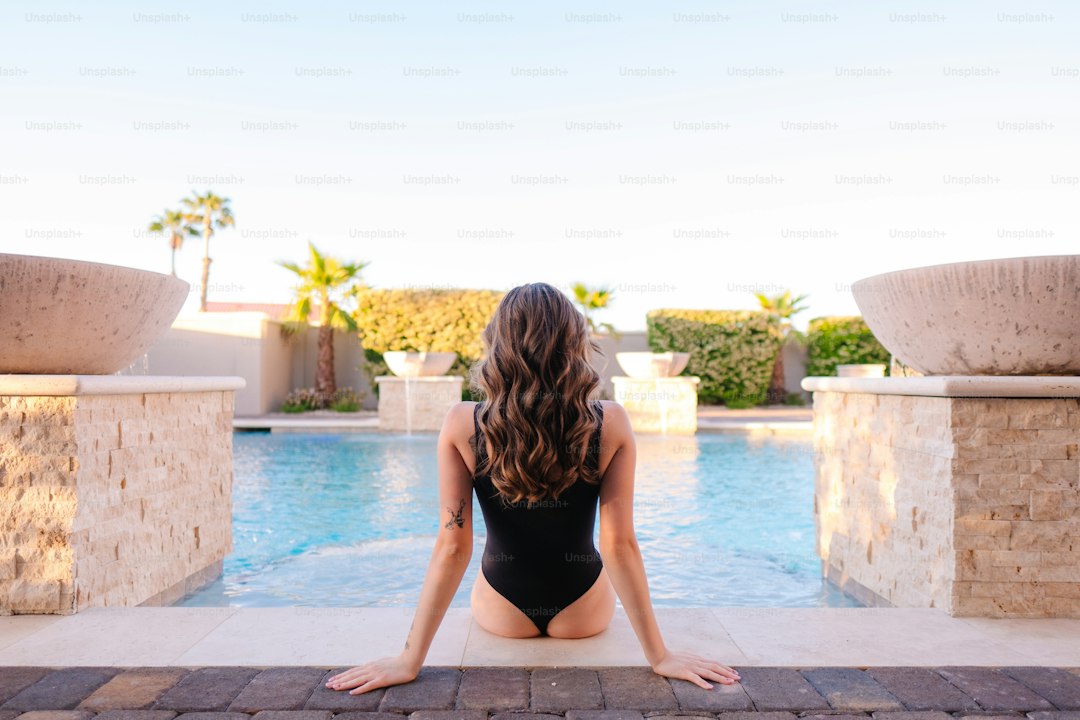
If you’ve ever looked at a neighbor’s pristine backyard and wondered how it’s possible to turn that static space into a side hustle, you’re hitting on the core of the peer-to-peer pool rental market. At its simplest, these platforms act as digital brokers that treat a swimming pool like an asset class, matching owners with short-term renters through an interface that mirrors the mechanics of vacation home booking sites. Think of it as a high-tech version of a neighborhood hand-off, where an app manages the scheduling and payment so you don't have to deal with the messy logistics of cash exchanges or paper contracts. Most of these systems classify the rental as a short-term license to access private space, a legal distinction that conveniently lets homeowners bypass the heavy burden of standard commercial zoning laws.
When you look under the hood, the operational side is surprisingly robust, leaning heavily on automated trust and safety measures. Platforms typically wrap the transaction in a liability policy—often up to one million dollars—to soothe the nerves of any homeowner worried about property damage. On the technical front, many hosts now use smart locks and exterior cameras to verify guest arrivals and departures, which keeps the experience touchless and efficient. The pricing side is just as calculated, with dynamic algorithms constantly shifting hourly rates based on local temperature spikes, historical demand, and even specific zip code data. It’s a data-driven approach that helps hosts maximize their revenue while keeping their availability aligned with the realities of suburban life.
But for the user, it’s really about the granular control that makes this model feel viable for both parties. Hosts have the power to set strict occupancy limits to stay within their neighborhood’s noise ordinances, and they can mandate a buffer window between bookings to handle cleaning and chemical balancing. You’ll also find that these platforms retain a slice of the pie, usually between 15% and 20%, to cover the costs of payment processing and the platform’s marketing engine. It’s a classic trade-off: you give up a bit of your gross earnings, but you gain access to a vetting system and insurance coverage that would be nearly impossible to manage on your own. Honestly, it’s a brilliant way to offset the thousands of dollars in annual maintenance costs that come with keeping a pool sparkling, turning a dormant backyard asset into a consistent revenue stream.
What to Look for When Booking Your Private Oasis
When you're scanning through potential listings for an afternoon getaway, it’s easy to get distracted by the aesthetics, but honestly, the technical specs matter more than the staging. First, I always look for properties using salt-chlorine generators, as they keep chlorine levels at a consistent 1.0 to 3.0 parts per million, which is much kinder to your skin and eyes than the harshness of traditional shock methods. You should also check the description for a variable-speed pump; these units aren't just quieter, but they cut energy use by up to 90% while providing far superior filtration during your rental window. If a host mentions an automated pool cover, that’s a huge win because it reduces evaporation by nearly 95% and keeps the water temperature stable, even if the afternoon breeze picks up.
Beyond the hardware, think about the sanitization tech, because it really changes the feel of the water. I personally prioritize hosts who use UV or ozone secondary systems, as these neutralize pathogens that chlorine might miss, which effectively allows for a lower chemical load overall. It’s also worth checking if the pool uses a heat pump rather than a gas heater, especially if you're booking for a slightly cooler day, as they’re significantly more efficient once the ambient temperature hits 50 degrees Fahrenheit. Don't forget to look at the pool's orientation in the photos; a south-facing deck isn't just for show, it captures passive solar gain that can naturally bump the water temp by several degrees without any extra equipment.
Finally, a bit of practical hygiene makes a massive difference in your actual experience. I always scan for a dedicated outdoor shower or rinse station, because requiring guests to rinse off before diving in prevents the sunscreen oils and organic debris that inevitably degrade water quality within an hour or two. If you see a robotic pool cleaner in the gear list, that’s a great sign the host is staying on top of maintenance, ensuring the floor is scrubbed clean before you even arrive. You might also want to peek at the surrounding landscaping in the photos; pools tucked right under deciduous trees look lovely, but they’re almost always a nightmare for debris, which means you’ll spend your afternoon skimming instead of relaxing. Trust me, prioritizing these details turns a standard rental into a genuinely seamless, high-quality escape.
Understanding Pricing, Fees, and Hourly Minimums
When we talk about booking a private pool, it’s easy to focus on the water clarity or the view, but the actual cost structure can feel like a bit of a labyrinth. Let’s pause for a moment to consider that pricing here isn't just a flat rate; it’s a living, breathing number driven by algorithms that mirror the volatility we see in other high-demand markets. If you’ve ever wondered why that same backyard oasis costs significantly more on a Saturday than a Tuesday, you’re looking at dynamic pricing in action. Hosts are essentially treating their pools as micro-assets, shifting rates by as much as 30% based on local heat waves or historical demand in your specific zip code. It’s a strategy designed to maximize revenue during peak windows, so you’ll often find that your booking date relative to your rental date is the single biggest factor in the final price you see at checkout.
Beyond the hourly base, you really have to look at how these platforms handle minimums and add-on fees. Most hosts aren't just picking a number out of thin air when they mandate a three-hour minimum; they’re accounting for the thermodynamic reality of keeping a pool heated and filtered, which takes time and energy to stabilize after a session. If you try to book for just an hour, the math often doesn't hold up for the owner, so those minimums are actually a way to ensure the pool stays in good shape for the next guest. You might also notice that some hosts separate out a cleaning fee or equipment surcharges—like for a hot tub or a gas-powered heater—which is often a calculated move to keep more of that revenue away from platform commission structures. It’s a bit of a game, but understanding these line items helps you see exactly where your money is going.
Finally, think about how you can use this market structure to your advantage if you’re planning ahead. Because hosts rely on occupancy data, there is often a clear incentive for early bookings; finding a listing that offers an early-bird discount for reservations made 30 days out can shave about 15% off your total. I always advise people to be mindful of the service fees, too, as they usually scale with your total transaction size. If you start stacking on extra amenities like a grill or extended hours, that service charge percentage can quickly snowball in ways that aren't immediately obvious. It really pays to treat the checkout screen like a ledger, weighing those optional add-ons against your actual needs, because the most seamless afternoons are usually the ones where you’ve accounted for every hidden fee before you ever set foot on the deck.
Essential Amenities to Consider for Your Afternoon Escape

When you’re planning that perfect afternoon getaway, it’s easy to get swept up in the photos of the deck or the view, but the technical specs of the pool itself are what really define your experience. I always start by looking for a salt-chlorine generator, which maintains a pH balance much closer to the human eye than traditional liquid chlorine, saving you from that post-swim sting. You should also keep an eye out for UV or ozone secondary sanitization systems; these act as powerful oxidizers that destroy organic contaminants, allowing for much clearer water without needing a harsh chemical load. It’s those little details that keep the water feeling fresh rather than over-processed.
Beyond the water quality, the hardware maintaining that pool tells you a lot about how your afternoon will actually go. I’ve found that properties using variable-speed pumps are a massive upgrade because they offer superior filtration while running at a much lower decibel level, which is a lifesaver if you’re trying to actually relax in peace. If you see a host mentioning an automated pool cover, jump on it, as that simple feature can reduce heat loss by nearly 95 percent, keeping the temp stable even if the weather shifts. And if you're booking for a slightly cooler day, prioritize listings with heat pumps over gas heaters; they’re incredibly efficient once the air hits 50 degrees Fahrenheit because they pull warmth directly from the environment instead of just burning fuel.
Think about the physical layout too, because even the best tech can’t fight bad positioning. A south-facing deck is a goldmine for passive solar gain, naturally bumping the water temperature up by a few degrees without any help from the equipment. I also always scan the photos for a dedicated rinse station because requiring a quick shower before diving in is the single best way to keep sunscreen oils and debris out of the water, which prevents those nasty chloramines that cause that strong chemical smell. And honestly, try to avoid pools tucked directly under trees unless you want to spend your afternoon skimming leaves instead of swimming. If you spot a robotic cleaner in the gear list, you know the host is being proactive about maintenance, which usually means the floor will be scrubbed and ready to go the second you arrive.
Navigating Host Rules and Safety Guidelines
When you’re booking a private pool, the fine print about house rules often feels like a buzzkill, but honestly, it’s the backbone of why this entire market even functions without turning into a neighborhood nightmare. Most hosts mandate strict quiet hours to keep in line with local noise ordinances, which usually cap outdoor volume at 55 to 60 decibels after 10:00 PM. Beyond the noise, you’ll find that many rental agreements explicitly ban glass containers, and that isn't just about party vibes; microscopic shards can easily puncture expensive pool liners and wreak havoc on filtration systems. It’s also common for hosts to prohibit bulky inflatable equipment because, according to various safety studies, large rafts can obstruct the view of the pool floor and increase drowning risks by as much as 30%. I always suggest checking these rules early because they aren't just suggestions—they are usually baked into the liability waivers you’re signing.
Let’s pause for a moment to consider the technical side of safety, which is frankly a lot more sophisticated than you might expect. Many hosts are now using automated monitoring systems that sync directly with platform apps, sending alerts if the pH levels drift outside the safe 7.2 to 7.8 range during your visit. To further mitigate risk, platforms often utilize geofencing to log exactly when your mobile device hits the property, which serves as a crucial data point for insurance companies if a liability claim ever arises. Furthermore, you’ll likely notice a rule requiring the person who booked the session to be present for the entire duration of the rental. This is a standard guest-matching requirement designed to ensure that whoever signed the waiver is actually there to take responsibility for the group, preventing unauthorized gatherings from spiraling out of control.
Finally, keep in mind that the insurance coverage protecting these transactions is often secondary, meaning a host's own homeowner’s policy typically has to be exhausted before the platform’s liability coverage kicks in. This is why you might see some hosts asking for a digital pre-arrival waiver that asks for a specific count of swimmers versus non-swimmers; they’re trying to verify that the group size is manageable and that they have a clear idea of the supervision levels on deck. In some jurisdictions, the local government even classifies these rentals under temporary use permits, which might limit how many days a pool can be booked annually to prevent too much traffic on your street. It’s a lot to process, but if you look at these guidelines as a framework for a professional, safe, and predictable experience, it’s much easier to see why they’re in place. Just be sure to scan the disclosure section for camera locations too, as platforms now require hosts to be completely transparent about where they have exterior monitoring to protect your privacy in changing areas.
Top Regions Across America for Renting Private Pools
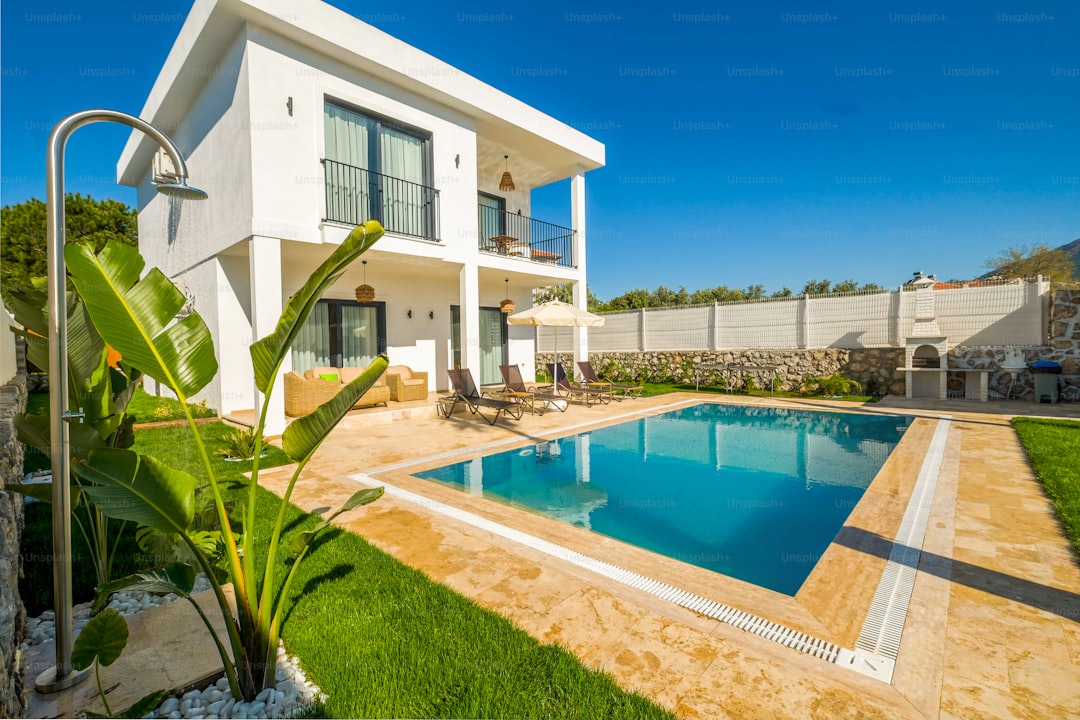
When you’re trying to track down the best spot for an afternoon swim, you’ll quickly realize that the landscape of private pool rentals isn't uniform—it’s driven by specific regional climates and local property trends. Southern California remains the densest market for these rentals, largely because the Mediterranean climate allows for year-round usage without the headache of seasonal winterization. Meanwhile, the Phoenix metropolitan area leads the country in per-capita pool ownership, which creates a massive supply of listings that often keeps hourly rates more competitive than what you’ll find in coastal cities. If you’re scouting the Texas Triangle, expect to see a 40% spike in demand for shaded pools during the hottest months, as renters prioritize UV protection as much as the water itself.
Florida plays by a different set of rules, with the highest concentration of screened-in enclosures in the country. From a renter’s perspective, these are a total game-changer because they effectively block out the insects and falling leaves that usually ruin an afternoon of relaxation. Up in the Pacific Northwest, the market is shifting toward high-end listings that use geothermal or solar-thermal heating systems to keep water temps comfortable despite the cooler air. It’s a smart adaptation that makes swimming viable in regions where you’d normally be shivering, proving that the technology behind the pool is just as important as the location.
If you’re looking at urban centers in the Northeast, you’ll notice that small, high-end plunge pools often command a massive hourly premium simply because private outdoor space is so scarce in those dense zip codes. On the other hand, suburban spots in the Southeast are all about amenity stacking, where you’ll frequently find pools bundled with outdoor kitchens and fire pits to drive up the value for group gatherings. Regardless of where you’re booking, data consistently shows that properties tucked away in quiet cul-de-sacs or behind heavy privacy fencing see 25% higher repeat-booking rates. It turns out that when it comes to a private getaway, the feeling of being truly secluded is the most valuable commodity you can find.
Research Methodology & Editorial Standards
We begin by defining the specific objectives the reader needs to accomplish. Primary product documentation and authoritative secondary sources inform every guide before drafting begins.
Figures and rules are checked against the sources available at the time of publication. Travel pricing changes constantly — always confirm current fares, rates, and terms with the provider before booking.