
How to Master the Traditional Art of Korean Food Pairings on Your Next Trip
When you sit down for a traditional Korean meal, you might think it’s just about taste, but there’s a quiet, ancient math happening on your plate called Eum-yang.
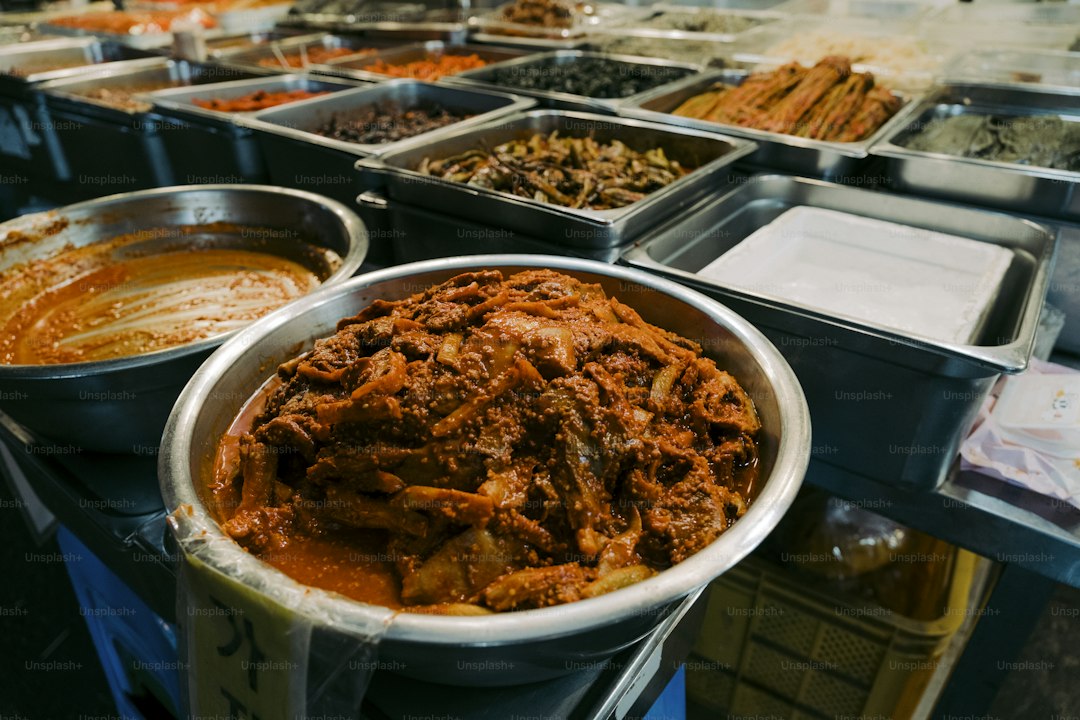
The Philosophy of Balance: Understanding Eum-yang in Korean Dining
When you sit down for a traditional Korean meal, you might think it’s just about taste, but there’s a quiet, ancient math happening on your plate called Eum-yang. Think of it as a way to balance the thermal energy of your food so your body stays in a steady state. Ingredients are categorized by their nature; for instance, cucumber or mung bean sprouts are cooling Eum, while ginger and chili peppers bring the warming Yang. You’ll notice this when you get that classic bowl of Samgyetang, where the intense, warming energy of ginseng is tempered by the cooling properties of chicken. It’s not just a culinary choice—it’s a functional strategy to keep you from feeling off-balance after a big meal.
The architecture of the table actually reinforces this philosophy throughout the year. You see this clearly in how banchan changes with the seasons, pushing cooling, moisture-heavy greens to the forefront when the summer heat starts to climb. Even the way we prepare food acts as a bridge, like how fermentation turns raw vegetables into a mix of both cooling and warming attributes. And don’t overlook the hardware; serving a steaming, nutrient-dense soup alongside cold rice is a deliberate structural move to keep your internal temperature neutral while you eat. Using stone bowls for bibimbap isn’t just for the crispy rice, either, as it’s designed to trap heat and aid your digestion when the weather turns cold.
If you’re looking at the finer details, it’s all about these constant, small adjustments. Garlic and onions are strictly Yang because of their heat, which is exactly why they’re always paired with cold, raw seafood to neutralize it. Even the simple addition of vinegar to a fatty protein isn’t just for flavor; it’s an Eum element used to cut through richness and keep your digestion from hitting a wall. You might even notice that salt, which acts as a cooling agent, is the perfect partner for the heat created by fermented chili powder. It honestly makes me look at the meal in front of me differently, realizing that every bite is a calculated move to maintain harmony within the body.
Beyond the Main Dish: Mastering the Art of Banchan Harmonization
You know, once you move past the basics of the table, you realize the way you sequence these little plates actually changes how your body processes the meal. It isn't just about what tastes good; there’s some fascinating biology here. When you start with lactobacillus-rich fermented sides before diving into the heavier proteins, you’re essentially priming your gut to break down amino acids more efficiently. I’ve found that the sulfur compounds in aged kimchi act like a reset button for your palate, making that next bite of beef or fish pop with way more umami. It’s a bit like a chemical calibration for your taste buds that you don't even notice while you’re busy eating.
Think about the specific pairings you see, like perilla leaves wrapped around oily pork. That’s not just a classic combo for the flavor; those leaves are packed with rosmarinic acid, which actually helps you digest those fats. Or consider the humble radish—it’s full of diastase, a natural enzyme that helps your stomach handle the carbs from your rice. I usually look for a balance of textures, too, since alternating between crunchy raw vegetables and soft, braised roots triggers more salivation, which leads to better enzyme secretion. It’s all these little mechanical adjustments that make the meal feel lighter, even when you’ve eaten a ton.
Even the way these sides are prepared has a logic to it that you’d appreciate if you’re a nerd for food science. Using mineral-rich sea salt in pickling isn't just for taste; it shifts the osmotic pressure to keep water-soluble vitamins from leaching out into the brine. And don't get me started on the sesame oil, which works as a literal chemical shield to stop your vitamins from oxidizing while you’re sitting there. I try to aim for a ratio of three fresh namul dishes to every one fermented jangajji, which seems to keep my energy levels steady throughout the meal. If you pay attention to these small details next time you’re out, you’ll realize your plate is doing a lot more work than you ever imagined.
Soup and Rice: The Cultural Significance of the Essential Korean Foundation
When we talk about the backbone of a Korean meal, it’s impossible to ignore the dual presence of rice and soup, which are far more than just side dishes or fillers. You really have to view this combination as a precise mechanical engine for the body. That short-grain japonica rice isn't just sticky for the sake of it; its specific amylopectin-to-amylose ratio is engineered to hold together on your chopsticks while providing a high-density caloric base. But here is the thing: eating that much starch can be a heavy lift for your digestion. That’s exactly where the soup steps in as a functional partner.
Think about the way we actually eat this. Most of us don't realize that sipping the soup first is a calculated move to prime the digestive tract before the main intake begins. The liquid acts as a necessary hydration agent, softening the dense rice grains so that the salivary amylase in your mouth can start breaking down those complex carbohydrates immediately. If you’ve ever wondered why soup is often packed with radish, it’s because the vegetable is loaded with diastase, an enzyme that specifically helps your body process the heavy starch load of the rice. Even the viscosity is managed; you’ll often find rice flour or grain powder added to broths, which thickens the liquid just enough so it clings to the grains as you eat.
The history here is just as practical as the biology. That classic greeting, "Have you eaten rice today?" isn't just polite small talk; it’s a cultural relic from a time when consistent access to rice was the primary indicator of your health and socioeconomic standing. Take the tradition of gukbap, or pouring soup directly over rice, which was developed as a rapid, high-energy fueling strategy for laborers working in the fields. It’s a genius bit of design, really. Whether it’s the umami-rich base from dasima and dried anchovies or the probiotic boost from fermented doenjang, every component is there to ensure your body extracts maximum energy with minimal friction. It’s why those heavy metallic bowls with lids aren't just for show—they're thermal regulators designed to keep the starch perfectly gelatinized until you take that final bite.
Liquid Pairings: Matching Traditional Alcohols with Spice and Texture
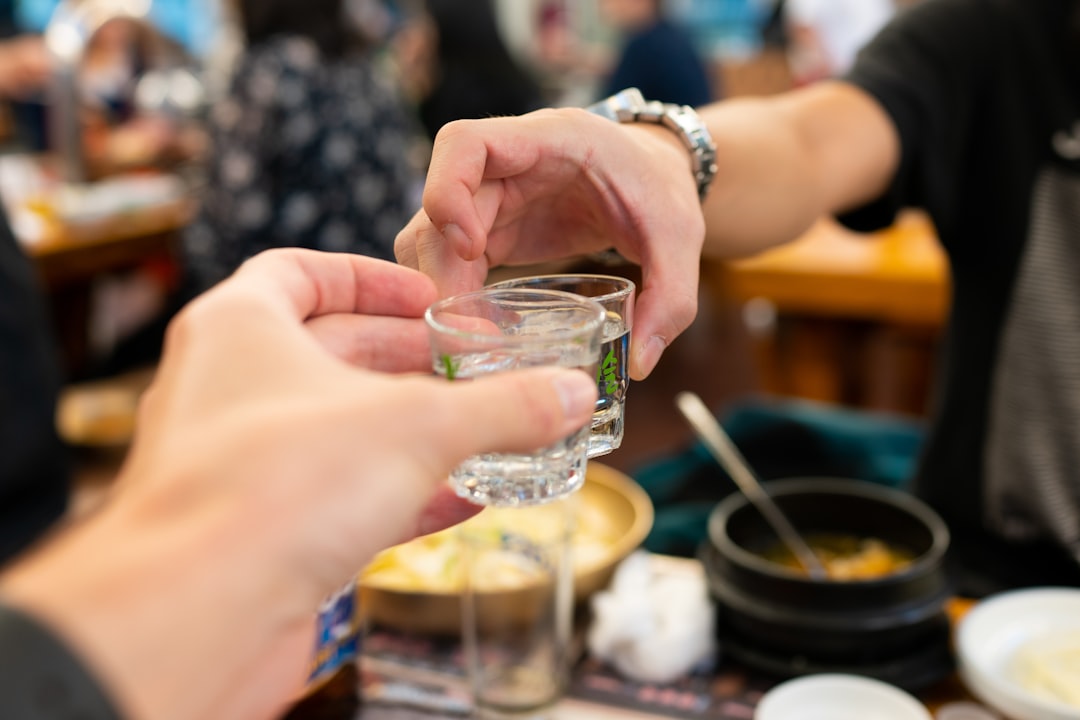
When we talk about traditional Korean drinks, we’re really looking at a masterclass in chemical engineering designed to handle the intensity of the food. Think about how you’ve probably felt after a particularly fiery meal; that’s where the specific properties of a drink like Soju come into play. Because it carries such a high ethanol concentration, it actually acts as a solvent that dissolves capsaicin from those chili-heavy dishes. Instead of the heat just hammering one spot on your tongue, the ethanol spreads it out, making the experience much more manageable. It’s a bit like a tactical reset for your palate that keeps you from hitting a wall halfway through dinner.
If you’re leaning toward something like Makgeolli, you’re getting a totally different mechanical interaction. The suspended rice particles and lactic acid in the brew create a literal coating effect on your esophageal lining, which physically blocks that burning sensation you get from spicy peppers. I’ve noticed that the carbonation in the artisanal versions acts like a tiny scrub brush, clearing out the residual oils from fatty pork belly so every bite feels just as fresh as the first. Plus, the viscosity of aged varieties adds a physical barrier that slows down how quickly your body absorbs the alcohol, which is a massive help when you’re also tucking into a dense, carb-heavy bowl of rice.
Then there’s the nuance of refined options like Cheongju, which brings its own set of biological advantages to the table. It’s packed with amino acids like alanine and glutamine that essentially amplify the umami in something like bulgogi, making the beef taste even richer than it would on its own. And don't ignore the medicinal liquors; their bitterness isn't just for show, as it’s actually there to stimulate bile production and help your body emulsify those heavy barbecue fats. Honestly, it’s all about these subtle shifts—like how pairing an ice-cold spirit with a boiling hot stew creates a thermal shock that forces your mouth to salivate more, which ultimately pulls every bit of aromatic spice out of the dish.
Seasonal Sensibility: Selecting Ingredients That Align with the Korean Calendar
You know, when you’re traveling through Korea, it’s easy to think the menu is just about what’s fresh, but there’s actually a rigorous, centuries-old logic to how ingredients rotate throughout the year. It’s not just a calendar; it’s a biological roadmap designed to keep your system in sync with the shifting weather. Think about that moment in early spring when you see mugwort appearing everywhere; it’s not random, as that plant is packed with cineole at that exact time, which is essentially a natural kickstart for your body to detox after a sedentary winter. Or consider the way we rely on bracken ferns during that same period, which are loaded with potassium to help your body flush out the excess sodium we all inevitably rack up from months of eating winter-cured kimchi. It’s these precise, seasonal calibrations that make the local diet feel so much more functional than what we’re used to back home.
But the real genius shows up when the weather extremes kick in. During the three hottest summer periods, or Sambok, you’ll see everyone reaching for Samgyetang, and that’s a calculated move to replace the proteins and electrolytes we lose when it’s sweltering outside. Even something as simple as eating pumpkin during those same dog days isn't just for flavor; it’s loaded with beta-carotene, which is actually doing the heavy lifting to help your skin recover from the oxidative stress of all that extra UV exposure. And when the air turns dry and cool in the autumn, you’ll find lotus root on the table, which isn't just a side dish—it’s full of mucin that acts as a protective shield for your respiratory mucosa. It’s honestly fascinating how every single bite seems to be serving a specific, defensive purpose against the environment.
When we hit the colder months, the strategy shifts toward preservation and internal heat. Take the winter solstice tradition of red bean porridge, for instance; the resistant starch in those beans provides a slow burn that’s designed to keep your internal thermogenesis humming through the freezing temperatures. Or look at the intentional use of burdock root in winter, which hits its peak inulin levels right when fresh produce is hard to come by, giving your gut microbiome the prebiotic support it needs to stay resilient. Even the lunar New Year feasts use mung bean pancakes for a reason, as the saponins in those beans work as a natural anti-inflammatory to cut through the heavy, rich meats that define the holiday table. It’s a level of planning that makes me realize we’re not just eating for hunger, but fueling up for the specific demands of the season.
Dining Etiquette: Navigating the Rhythms and Rituals of a Traditional Meal
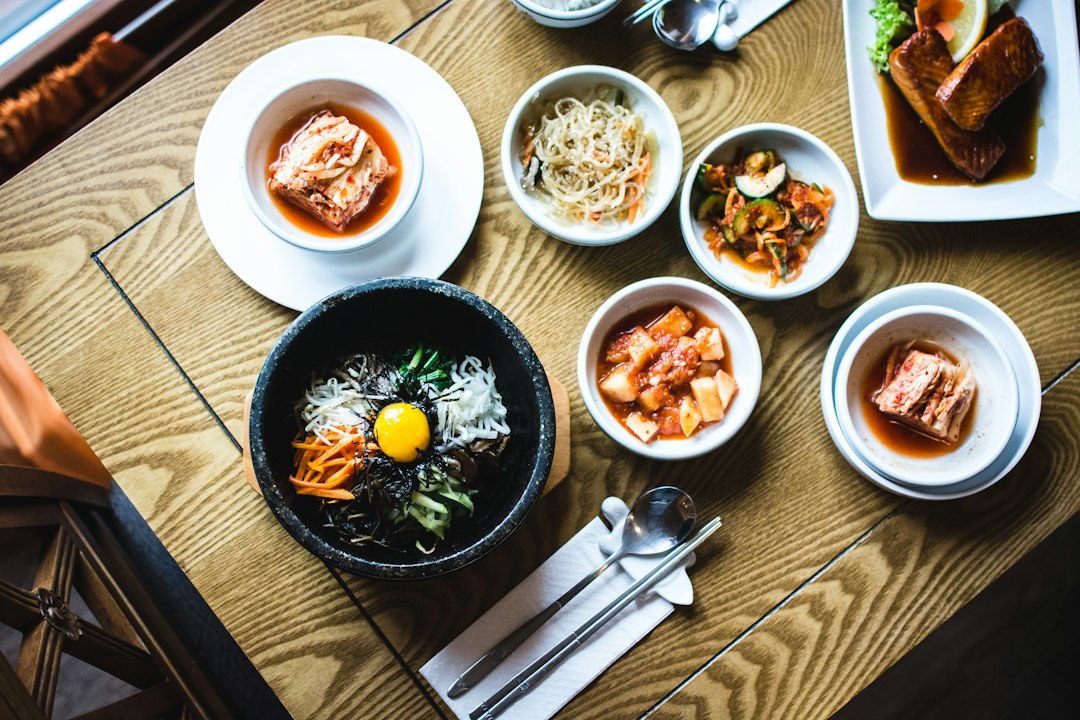
When you sit down to a traditional Korean meal, you’ll quickly notice that the table isn't just a place to eat; it’s a highly structured space governed by a set of rhythms that prioritize communal harmony over individual convenience. I’ve found that the most important thing to grasp is the strict separation of utensil function, where the spoon is reserved exclusively for soups and rice, while your chopsticks handle all solid side dishes. It’s a precise, mechanical division that keeps the table organized and prevents the frantic clutter you might see in other dining cultures. You should also remember to keep your bowl firmly on the table throughout the meal, as lifting it is considered poor form.
The social flow is equally deliberate, particularly when it comes to the hierarchy of the table. You really have to wait for the eldest person to pick up their utensils before you even think about starting, as this simple gesture officially opens the floor. And here is a big one: never, under any circumstances, stick your chopsticks vertically into your rice, as the visual resemblance to incense at a funeral is a major taboo. When you’re reaching for those delicious side dishes, just stick to what’s in front of you instead of stretching across the table. It keeps the communal space respectful and, honestly, it’s just much easier for everyone involved.
The drink service is another ritual that defines the social bond, as you’ll almost never pour your own glass. It’s standard practice to pour for your companions and let them return the favor, which creates a continuous back-and-forth that keeps the energy moving. If you’re receiving a drink from an elder, make sure you use both hands to hold your glass, which is a subtle but powerful signal of humility and respect. I try to match my pace to the rest of the table, too, since finishing way ahead of everyone else can feel a bit jarring in such a shared, slow-paced environment. It’s all about these small, thoughtful adjustments that make the entire experience feel less like a transaction and more like a genuine connection with the people you’re dining with.
Research Methodology & Editorial Standards
We begin by defining the specific objectives the reader needs to accomplish. Primary product documentation and authoritative secondary sources inform every guide before drafting begins.
Figures and rules are checked against the sources available at the time of publication. Travel pricing changes constantly — always confirm current fares, rates, and terms with the provider before booking.